Category: Motivation

  • Overcoming Sadness Through Spiritual Practices

    Have you ever felt yourself sinking into a profound heaviness? We all weather storms in life, and it can feel nearly impossible to climb out when sorrow envelops us. But take heart—hope is not out of reach! If you want strategies to help illuminate your sadness, consider harnessing the power of spiritual practices. In this blog, we’ll explore how weaving different spiritual approaches into your daily rhythm can offer immense solace during challenging stretches—guiding you through dark spells and cultivating space within for renewal and balance.

    Whether it’s delving into meditation, prayer, or symbolic rituals; forging a deeper bond with the natural world’s healing energy; or simply recording glimmers of gratitude in a journal—these are a handful of pathways that might lighten the burden of sadness.

    Understand What Causes Sadness and How Spiritual Practices Can Help

    Sadness is a universal emotion, and it can feel merciless when it takes hold. We may sense that we’re in a tunnel without an exit. Yet devoting time to examine the roots of our sadness can soothe the darkness—and turning to spirituality can be a potent means of doing so. Spiritual practices invite us to unearth hidden layers within ourselves, exposing the sources of pain and welcoming opportunities for healing, development, and renewal. Whether that unfolds through prayer, solitary reflection, or communion with a power beyond our own—these practices offer a distinctive way to steer our emotions through hardship. They grant us a glimpse beyond the dreary fog of despair, beckoning a horizon of hope, courage, and optimism.

    Life is like a book. Some chapters are sad

    Connecting with Nature as a Way to Find Meaning in Difficult Times

    Spending time in nature offers a gentle shelter from life’s countless demands—a space that can restore our spirits, even when worries loom large. For anyone searching for a spiritual compass in the midst of adversity, immersing oneself in nature’s embrace can be extraordinarily nourishing. Simply stopping to marvel at the world around us can free us momentarily from everyday chaos, giving us room to reflect on our deeper place within the universe. Whether you pause to observe your immediate surroundings or embark on a lengthy trek through wilderness, discovering meaning in life’s struggles by connecting with nature can be both simple and transformative. This quiet communion may spark a renewed sense of spiritual possibility, helping you tap into uplifting emotions as you seek a brighter horizon.

    You never really see how toxic someone is until you breathe fresh air.

    Meditation as a Tool to Manage Your Emotions

    Meditation provides a powerful framework for tending to our emotional well-being, particularly when sadness weighs on us. By committing to regular practice and patience, we cultivate self-awareness and learn to weather life’s turbulent moments with greater resilience. The spiritual dimension of meditation encourages us to extract wisdom from hardship, revealing purpose in adversity and awakening our inner strength. Anchoring ourselves in the present moment through mindful breathing or visualization allows us to gently explore what intensifies our sorrow. Over time, we can greet sadness with acceptance and empathy rather than fear. As a result, meditation becomes a steadfast ally on our journey toward emotional wholeness.

    Meditation… because some questions can’t be answered by Google.

    The Power of Gratitude and Appreciation When Experiencing Sadness

    Gratitude and appreciation act like a soft lantern in the darkness—especially crucial when sadness tightens its grip. By pausing to focus on life’s blessings, we can recalibrate our vision and notice rays of light that might otherwise be obscured. Though a conscious effort is often needed, practicing gratitude offers a potent reminder that fragments of beauty still exist, even in dismal times. It also serves as a gentle prompt for self-care, affirming that we possess the resilience to handle whatever troubles come our way. Marveling at even the smallest wonders can indeed transform our outlook.

    GRATITUDE CHANGES EVERYTHING.

    Journaling for Self-Reflection on Sadness-Related Issues

    Life throws us trials that can evoke deep sorrow, but journaling provides an invaluable avenue for introspection, clarity, and eventual uplift. Putting pen to paper allows us to track emotional ebbs and flows, uncover insights, and test out coping methods when the weight of sadness feels unbearable. By indulging in consistent journaling, we create a space for honesty without judgment, reconnecting with our innermost beliefs and spiritual leanings. This nurturing process can renew our resolve and open doors that lead beyond the immediate heartache. If you find yourself struggling to make sense of your sadness, try journaling—you might be surprised by the perspective and empowerment it yields.

    The Benefits of Prayer and Spirituality for Overcoming Sadness

    Everyone grapples with sorrow at times, yet prayer and spirituality can keep it from overwhelming us entirely. Engaging in prayer can foster comfort and serenity, reminding us that we’re never truly isolated in our suffering—there is something more expansive than our own pain. Prayer fortifies us during bleak moments, offering solace when we feel broken or drained. Research further suggests that belonging to a spiritual or religious circle can heighten our sense of unity and validation, especially when grappling with hard emotions. Through prayer and spiritual endeavors, we learn to cope with our struggles and memories, gradually honing a deeper resilience when confronted with adversity.

    Prayer is the best

    In times of sadness, discovering hope and meaning can seem like a distant wish. Yet, as this post reveals, numerous spiritual practices can help guide us through our sorrow. By forging a relationship with nature, we can savor a renewed perspective on the wonder of our world. Meditation and journaling allow us to carefully navigate our emotions while unveiling the reasons behind our grief. Gratitude and prayer shine as powerful tools that, when welcomed into our daily routines, keep our spirits afloat. Ultimately, the journey to healing involves identifying what resonates with you and weaving it into your life. Take a moment to reflect: Which practice speaks most profoundly to your own sorrows? Thank you for reading, and may you find gentle uplift on your path to contentment.

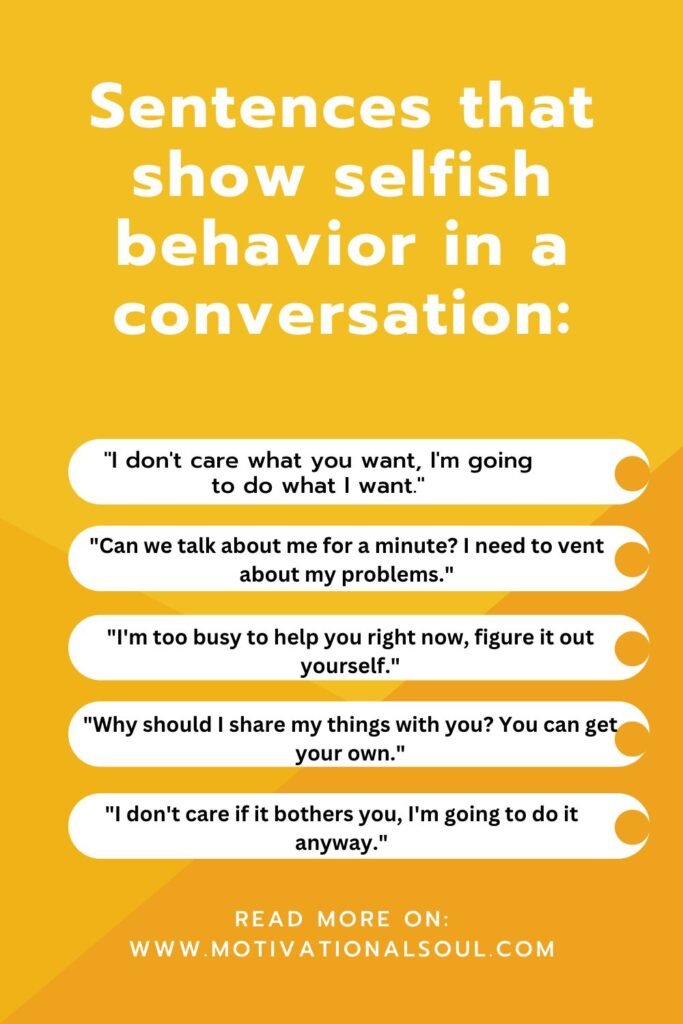
  • The Secret Signs of Selfish People

    The Secret Signs of Selfish People

    Selfishness is often painted as an undesirable trait that can sabotage genuine connections. But it doesn’t have to linger on the dark side—when channeled with intention, a healthy dose of self-interest can empower us to direct our own destinies, prioritize deeply held aspirations, and even cultivate fulfilling relationships. In this post, I’m excited to unveil the hidden clues that reveal when someone harnesses self-focus to unlock what they truly want in life.

    Whether you’re stepping into the job market for the first time or have been around the block and want fresh insights into making the most of your unique strengths, I’m convinced these qualities will give you the upper hand in achieving success—professionally and personally. Keep reading to unearth the subtle yet powerful traits that characterize today’s most relentless go-getters!

    What is Selfishness and How Can It Be Beneficial
    Selfishness tends to carry a tarnished reputation, often dismissed as a personality flaw that distances us from people who matter. Yet there’s a hidden dimension to selfishness that, when wielded with genuine motives, can be an invaluable skill. A balanced approach means looking after our own well-being without neglecting the bonds we cherish.

    Healthy selfishness encourages us to maintain personal boundaries and stand by our core principles—ensuring we aren’t exploited in our daily lives or careers. Cultivating the discernment to separate true self-care from mere overindulgence helps us use this trait effectively and reap its rewards.

    The Benefits of Thinking About Yourself First
    Despite the negative connotations, there’s no shame in occasionally putting yourself first. Prioritizing your own needs can boost mental and physical wellness, ultimately helping you become more present and supportive for others. Selfishness, in measured doses, opens a space for rest, rejuvenation, and exercise—allowing you to regain focus and confidence.

    Stepping away from your responsibilities, even briefly, lets you recharge and return with a clearer mindset. Being a bit selfish once in a while can illuminate what truly counts, guiding your decisions toward what feels right. In short, looking after yourself isn’t all bad!

    It’s not selfishness to do what is best for you. – Mark Sutton

    Signs You Have a Healthy Level of Self-Interest
    Self-interest doesn’t always deserve the blame for selfish behavior. In reality, possessing a reasonable measure of it can be advantageous in both personal and professional realms. It enables you to stand your ground during tricky discussions, conveying your needs without feeling overshadowed. It also shapes your limits, letting you articulate your position with clarity and respect.

    Indications of robust self-interest include confidently occupying space; recognizing your desires, boundaries, and non-negotiables; investing energy in self-reflection and self-care; and graciously accepting praise while acknowledging your own abilities. Achieving healthy self-interest doesn’t mean you become cold or aloof—it’s about balancing what’s right for you and others so everyone can thrive together.

    Love yourself first

    How to Set Appropriate Boundaries for Yourself
    Mastering boundaries can feel like a powerful secret to regaining control of your life and cultivating the best version of yourself. Although it may seem paradoxical, learning to protect your energy is pivotal for combating burnout and exploitation. We all deserve a touch of selfishness to safeguard our mental and emotional well-being.

    Establishing boundaries goes beyond simply saying “no”—it involves recognizing what matters most to you and organizing your choices around those priorities. Remember, nurturing yourself isn’t indulgent or egocentric—it’s essential.

    Even the nicest people have their limits.

    Strategies for Overcoming Unhealthy Levels of Selfishness
    Excessive selfishness can backfire in a world that hinges on collaboration and empathy. Fortunately, there are practical ways to rein in self-centeredness before it festers into something damaging. By nurturing empathy and consideration for others, you raise your awareness and become more mindful of your own behavior.

    Recognizing the influence of kindness—both toward yourself and those around you—keeps you humble and approachable. Setting and respecting boundaries is pivotal here: it helps you maintain a reasonable level of involvement in others’ lives while still being present when they need you. With deliberate effort, these methods won’t just reduce unhealthy selfishness but also enrich your overall relationships.

    Be selfish enough to have self-love

    Learning to Balance Your Needs and Those of Others
    A touch of self-centeredness is essential for everyone. It protects your own needs from drowning in the chaos of life. Yet too much can strain relationships, underscoring the importance of blending your personal priorities with the well-being of those you care about. Finding this sweet spot might require trial and error, but once you nail it, the benefits are immense.

    Stepping back to assess your current balance of self-sacrifice and self-focus can lead to rewarding insights about yourself and your circle. By weighing what’s right for you against what’s best for others, you’ll cultivate better self-awareness and healthier bonds.

    Selfcare is not selfish.

    Ultimately, being selfish is about looking after yourself first, ensuring you remain grounded and able to navigate life with a clear mind. While it’s natural to have episodes of self-sacrifice, consistent and mindful attention to your needs is what truly sustains physical and emotional wellness. When you strike the right balance between self-interest and consideration for others, your decisions will reflect what’s best for everyone involved.

    Ask yourself: How can I nurture my personal journey while also supporting those who matter? That line of thinking nurtures both your own growth and the relationships you value. Thank you for reading; I hope this post inspires a thoughtful recalibration of your healthy selfishness!

  • Signs You’re a Strong Man in Your Relationship

    Signs You’re a Strong Man in Your Relationship

    For many of us, cultivating the role of the strong man in our relationship can seem daunting. We question our abilities, shrink from confrontation, and sometimes waver when faced with important decisions. Yet none of these doubts should deter you from stepping into a guiding role within your partnership. Armed with the right outlook and determination, anyone can flourish as a capable partner—one who radiates confidence, champions independence, and communicates openly with their significant other. To set you on your path to resilience and insight, we’ve gathered seven key signs that you’re already a strong man in your relationship:

    You’re at ease voicing your emotions
    Feeling comfortable enough to share your emotions is vital to being a strong man in any union. When you speak honestly and transparently—with both yourself and your partner—trust blooms, creating a deeper, more authentic connection. It also empowers you to stand your ground without sowing discord, because you’ve made your needs known from a place of honesty. Perfecting this skill takes patience and perseverance, but mastering assertive self-expression is an irreplaceable asset for anyone wishing to strengthen their relationships.

    Explain your anger instead of unleashing it

    You claim ownership of your actions
    Embracing accountability for your choices is essential in evolving into a strong man. This involves more than admitting mistakes or offering apologies; it means approaching each situation with intention and fully standing by the outcomes of your decisions. True ownership requires authenticity, humility, and sometimes putting others’ well-being ahead of your own. The reward? A healthier bond with yourself and a more supportive, enriching dynamic with those around you. Begin claiming responsibility today, and nurture the strong man within.

    I am responsible

    You establish healthy boundaries in your relationships
    Carving out healthy boundaries in your connections is pivotal to achieving genuine harmony. When you’re clear about your own desires, needs, and the limits of others, you ensure that everyone feels respected and heard. Becoming a strong man who upholds such boundaries doesn’t happen overnight; it demands dedication, self-trust, and resolve. However, once those parameters are thoughtfully drawn, avoidable conflicts recede, creating a balanced foundation for a lasting partnership.

    You can’t always act out of sheer niceness, as it can invite others to exploit your kindness. Sometimes you have to stake your boundaries.

    You nurture a positive outlook on growth and change
    Maintaining an uplifting perspective toward growth and evolution is the ideal mindset for becoming a resilient man in your relationship. Welcoming shifts in your viewpoint, deepening aspects of your character, and forging a richer bond with your partner can yield transformative results. Embracing these changes reminds us that there is no fixed endpoint—every shared moment offers the opportunity to learn, adapt, and emerge wiser. With persistence, you and your partner can champion positive development both as individuals and together, especially when you focus on progress rather than perfection.

    A POSITIVE ATTITUDE WILL CARRY YOU FORWARD.

    You discern when to stand firm and when to yield
    Grasping the balance between steadfastness and compromise is crucial for a fulfilling partnership. Striking this equilibrium requires attentiveness and commitment, but it can profoundly enrich your relationship. Recognizing when a resolute stance is necessary versus when a gentle concession serves the bond better demonstrates emotional depth and respect for your partner. Becoming a strong man hinges on ambition and astute judgment—investing in this skill will undoubtedly bear rewarding fruit.

    Real love is compromise, empathy, and trust.

    You embrace self-care and prioritize personal time
    Dedicating moments to self-care can be one of the most transformative moves in your path to becoming a stronger man. By focusing on your own well-being, you boost your confidence and sharpen your capacity to express your needs while tending to others. Self-care can take countless forms—maybe it’s a brisk hike, immersing yourself in a hobby, or mastering a new skill. Whatever restores your spirit, dare to grant yourself that space. The payoff is a renewed sense of purpose, energy, and clarity—all crucial elements for a fulfilling life.

    The Twelve Steps to Self-Care.

    You have the ability to grow into a powerful and accomplished man. Remember that it takes time to develop the confidence, independence, and self-worth required to truly embody strength. Self-care propels this journey, helping you recognize your innate qualities and potential. Pursue activities that make you feel successful, and invest in yourself by taking risks, testing your limits, and setting meaningful targets. Becoming a strong man demands humility—the willingness to absorb life’s lessons and let them shape you into a wiser individual. With determination and consistency, you can seize control of your everyday decisions. Genuine greatness springs from within when you step up, remain true to yourself, and live with purpose—the power to become a strong man rests squarely in your hands.

  • Recognize Challenges: On Your Road To Self Discovery

    Self-discovery is a lifelong journey that involves exploring and understanding one’s true identity, values, and purpose. It is a path of self-awareness and personal growth that can lead to a more fulfilling and meaningful life. However, the road to self-discovery is not always smooth, and there are many obstacles and challenges that can hinder our progress. From fear and uncertainty to external pressures and societal expectations, there are numerous factors that can make it difficult to embark on this journey and stay committed to it.

    In this blog post, we will explore some of the common problems that people face in their path to self-discovery.

    • Lack of self-awareness – Many people lack the self-awareness necessary to understand their thoughts, emotions, and behaviors.
    • Fear of facing uncomfortable truths – Self-discovery often involves facing uncomfortable truths about oneself, such as negative patterns of behavior or unacknowledged emotions, which can be difficult to confront.
    • Cultural and societal expectations – Cultural and societal expectations can make it challenging to explore oneself, as individuals may feel pressure to conform to certain expectations.
    • Overcoming limiting beliefs – Limiting beliefs, such as “I’m not good enough” or “I can’t change,” can make it difficult to believe in oneself and pursue self-discovery.
    • Time and commitment – Achieving self-discovery takes time and commitment, as it involves regularly engaging in self-reflection and exploration.
    • Lack of support – Lack of support from family, friends, or society can make it difficult to pursue self-discovery.
    • The complexity of human nature – The human mind and behavior are complex, and there are many factors that can influence them, making it difficult to understand oneself fully.
    • Fear of rejection – Fear of rejection or criticism can prevent individuals from exploring their true selves.
    • Emotional pain – Exploring one’s emotions can be painful, and some individuals may avoid self-discovery to avoid emotional discomfort.
    • Denial – Some individuals may deny or suppress certain thoughts or emotions, making it difficult to achieve self-discovery.
    • Lack of motivation – Achieving self-discovery requires motivation, and some individuals may lack the drive to engage in self-reflection and exploration.
    • Insecurity – Insecurity can make it challenging to explore one’s true self, as individuals may fear judgment or rejection.
    • Distractions – Modern life is full of distractions, and individuals may find it difficult to make time for self-reflection and exploration.
    • Lack of guidance – Some individuals may lack guidance or support in their self-discovery journey.
    • Resistance to change – Achieving self-discovery often involves making changes to one’s thoughts or behavior, which can be uncomfortable or scary for some individuals.
    • Fear of vulnerability – Self-discovery often involves being vulnerable and open, which can be difficult for some individuals.
    • Lack of trust – Trust is essential in any self-discovery journey, and some individuals may struggle to trust themselves or others.
    • Trauma – Past trauma can make it challenging to explore one’s emotions and achieve self-discovery. Perfectionism – Perfectionism can make it difficult to accept oneself and engage in self-discovery.
    • Comparison – Comparing oneself to others can make it challenging to explore one’s unique qualities and achieve self-discovery.

    For more Wisdom

    Uncover Yourself: A Guide To Self Discovery
  • Uncover Yourself: A Guide to Self Discovery

    Uncover Yourself: A Guide to Self Discovery

    Self-discovery is a journey that can profoundly transform your life. It involves delving into a deeper awareness of who you are, which can spark greater personal growth and fulfillment. It’s also a lifelong adventure that may guide you toward a heightened sense of purpose and meaning. In this guide, we’ll examine the fundamentals of self-discovery and share tips to help you embark on your own path of self-exploration. We urge you to try out a few of the activities mentioned here and see which ones speak to you. The goal is to nurture a sharper sense of self-awareness, empowering you to make more thoughtful decisions and flourish in a happier, more rewarding life.

    Do you catch yourself envisioning your authentic self, yet feel uncertain about where to begin? Each one of us has a unique story that has led us to this moment. That’s why it’s so vital to invest time in self-discovery and launch an inward journey that dismantles unhelpful beliefs, uncovers hidden passions, and sets bold intentions aligned with who you truly are. If you’re searching for a roadmap to guide your inner odyssey, this post is poised to be your companion!

    Explore your passions and interests—what do you love doing, and why? One of the most fulfilling aspects of life is immersing yourself in pursuits that bring you joy and unearth your sense of purpose. Sometimes all it requires is granting a new pastime a fair attempt to realize how much you adore it. Maybe it’s trying aerial yoga, dabbling in watercolor painting, or learning to bake artisan bread—these steps can help reveal fresh insights while fostering mindfulness and personal expansion. Don’t hold back—embrace curiosity and be courageous in broadening your horizons!

    Take a personality test to more deeply grasp your identity and strengths. Accurately evaluating your character and values can illuminate where to channel your energy, both professionally and personally. Cataloging your talents, preferences, and life experiences draws you closer to your true nature, unearthing aspects you may have overlooked before. By understanding your internal motivations and how best to employ them, you can more effectively achieve the ambitions you’ve set for yourself. Taking the time to delve deeper into your essence might be one of the most gratifying pursuits you can undertake on this path we call life.
    All the strength you need is within you. Believe in yourself… just a little more. You are a strong person!

    Ponder earlier experiences and how they shaped the person you’ve become. Although looking forward propels us onward, peering back at the moments that molded us can offer pivotal insights and the motivation to progress. Instead of viewing these memories as anchors tethering you, recognize that they serve as footbridges guiding you toward greater understanding and inner resilience. With every encounter—uplifting or challenging—you glean fresh perspectives and cultivate new strengths. By acknowledging how far you’ve traveled and what you’ve learned along the way, you celebrate your evolution while fueling yourself with well-deserved pride.
    BE LOYAL TO YOUR FUTURE. NOT YOUR PAST.

    Record your personal reflections consistently to detect any shifts in thought and behavior. Writing down your experiences helps you spot patterns more readily and assess them through a clear lens. Routinely chronicling these insights allows you to notice changes in your mindset, emotions, and outlook over time. Paired with deliberate pauses, journaling can help recalibrate your perspective for better organization, while lending lucidity to decisions you plan to undertake. Grant yourself this space to process the day’s events, and let your pen guide you toward a more centered understanding of who you are.

    Acquaint yourself with mindfulness practices that anchor you in the present. Mindfulness—whether cultivated through yoga, meditation, or quiet introspection—helps you recognize stressors in their earliest stages, before they escalate. Such practices enable you to carve out a pause between your thoughts, letting you reflect rather than reflexively respond. Immersing yourself in mindfulness strategies can be a transformative journey, showing how small mental adjustments can elevate your well-being. So take a step toward a calmer, more centered state and start weaving mindfulness into your daily routine.
    RESPECT THE TIME. NOW IT WILL HELP YOU TO BE IN THE RACE OF THE PRESENT.

    Converse openly about your values, dreams, and goals to gain fresh perspective on life. Sharing your convictions, aspirations, and aims candidly not only clarifies your priorities, it can also spark inspiration for those who listen. Engaging with another person’s worldview can shift how you approach your own ambitions, fostering a sense of connection and growth. So don’t shy away from opening up—strike up a conversation with a friend or colleague and exchange insights. You may find that collaboration and understanding are powerful catalysts for progress.
    A lot of problems in the world would disappear if we talked to each other instead of about each other.

    It’s never too late to probe your passions, deepen your self-awareness, and widen your perspective on life. Ultimately, it falls to you to expand your insight, embrace mindfulness, and learn from your past. The more you invest in understanding who you are and identifying your values, the more prepared you become for life’s abundant possibilities. Thank you for reading! Act now—begin probing your passions, sample a personality test, experiment with journaling, and investigate mindfulness techniques so you can stride confidently into the life you’ve envisioned.

  • 20 Signs You Are Emotionally Stuck In The Past

    20 Signs You Are Emotionally Stuck In The Past

    Being emotionally tethered to the past means you struggle to release old experiences, events, or traumas, and their lingering influence seeps into your emotions, thoughts, and behaviors in the present. It can sprout from a range of causes—unresolved trauma, unexpressed grief, lingering regret, or a profound fear of what lies ahead. This kind of emotional entrapment can emerge in various ways, such as obsessively revisiting past moments, evading new experiences that revive painful memories, or finding it difficult to forge healthy connections with others. It can severely undermine your mental well-being and sense of self, making it essential to address these issues through therapy, introspection, and other supportive resources.

    1. You have difficulty letting go of past incidents and often catch yourself replaying them in your mind.
    2. You frequently compare present circumstances to bygone ones, feeling unable to break free from old memories.
    3. You encounter overwhelming waves of sadness or regret when reflecting on past experiences.
    4. You feel unsettled about the future, unsure how to disentangle yourself from prior burdens.
    5. You avoid new opportunities or adventures because they rekindle echoes of past pain.
    6. You bring up previous events in conversations, even when they bear no relevance to the current topic.
    7. You struggle with sleep or endure nightmares that revolve around old traumas.
    8. You find it challenging to build healthy relationships or sustain existing ones due to scars from earlier hurts.
    9. You harbor anger or resentment toward people who wronged you in the past, even if they’re no longer in your life.
    10. You feel snared in a loop of repeating the same mistakes or patterns from your history.
    11. You view yourself negatively because of former experiences, wrestling with persistent feelings of low self-worth.
    12. You can’t seem to grant forgiveness—to yourself or to others—for past misdeeds.
    13. You suffer physical distress, like headaches or stomachaches, when thinking about what happened before.
    14. You feel as though you’re constantly reliving old hardships in your mind.
    15. You find it difficult to trust others or form new relationships because of lingering hurts.
    16. You sense that you’re still clutching grudges or resentments toward those who caused you pain.
    17. You believe you’re stuck, unable to advance in your personal or professional life because of past events holding you back.
    18. You feel trapped in a particular emotional state—like grief or anger—that’s tied to past experiences.
    19. You struggle to remain grounded in the present, always drawn back into your memories.
    20. You can’t fully celebrate current achievements or joyful moments because past shadows continue to loom.

    If you identify with several of these signs, you could be emotionally anchored to the past. Taking steps to release old wounds—such as seeking therapy, embracing forgiveness, or practicing mindfulness in the present—can be transformative. Healing is a journey that demands patience and resilience, but facing your past can ultimately open the door to a more fulfilling and liberated future.

  • Signs And Need Of Good Communication

    Signs And Need Of Good Communication

    Are you grappling with persistent roadblocks in your career or personal life? You may find that your communication style quietly undermines your progress. Communication remains one of the most potent skills you can cultivate, fueling victories in nearly every facet of life. In this post, we’ll sift through the clues that your communication approach could use fine-tuning. We’ll also delve into practical strategies for strengthening your ability to connect with those around you. Ready to begin?

    “Communication works for those who work at it.” – John Powell


    Why Good Communication Is Essential

    Communication propels every sphere of life—both private and professional. Here’s why honing your communication abilities is so crucial:

    1. Building Relationships
      Genuine bonds with friends, family, colleagues, and clients emerge when we speak and listen with sincerity. Such openness forges trust, empathy, and shared respect.
    2. Expressing Ideas
      When you convey your thoughts with color and precision, you heighten the odds that others will truly comprehend and embrace them.
    3. Collaborating
      Whether coordinating a workplace project or organizing a family gathering, purposeful communication unites efforts, aligns aspirations, and enriches group achievements.
    4. Resolving Conflicts
      Misunderstandings are inevitable, but clear, empathetic exchange can untangle disputes, highlight shared interests, and guide people toward amicable agreement.
    5. Making Decisions
      High-caliber decisions typically call for thoughtful input and clear presentations of views, allowing everyone to weigh possibilities insightfully.
    6. Achieving Goals
      From shaping objectives to inspiring a team, persuasive communication illuminates the path to personal and collective successes.
    7. Providing Feedback
      Respectfully offering either constructive critique or heartfelt praise can unlock a person’s potential and sharpen their strengths.

    “In the long history of humankind, those who learned to collaborate and improvise most effectively have prevailed.” – Charles Darwin


    Signs Of Good Communication

    Curious about how to identify robust communicative skills in yourself or others? Keep an eye out for these markers:

    1. Active Listening
      Granting undivided attention, absorbing another’s words without rushing to respond.
    2. Clear Articulation
      Speaking so that your point shines through, choosing tone and vocabulary that resonate with your audience.
    3. Empathy
      Venturing into another’s emotional realm and genuinely caring about their perspective.
    4. Respect
      Upholding politeness, dignity, and professionalism during every encounter.
    5. Clarity
      Delivering your message without ambiguity or needless jargon.
    6. Consistency
      Maintaining a dependable message and approach from start to finish.
    7. Feedback
      Offering insights—both encouraging and constructive—that shed light and foster growth.
    8. Openness
      Freely sharing thoughts and ideas while remaining transparent about motives and feelings.
    9. Honesty
      Cultivating trust by telling the truth and embodying genuine integrity.
    10. Patience
      Allowing space for reflection, especially around complex or emotionally charged topics.
    11. Flexibility
      Adapting your style to suit distinct personalities, cultural norms, or settings.
    12. Adaptability
      Shifting your approach as situations and expectations evolve.
    13. Positive Attitude
      Infusing optimism into conversation, encouraging mutual engagement.
    14. Clarity of Purpose
      Understanding your goal and steering the dialogue to reach it.
    15. Timeliness
      Replying promptly, showing respect for other people’s schedules and obligations.
    16. Follow-Through
      Keeping promises, building reliability, and reinforcing trust.
    17. Non-Judgmental
      Focusing on possibilities and solutions rather than pointing fingers.
    18. Understanding
      Seeking to perceive the world through another’s lens, acknowledging their experiences.
    19. Authenticity
      Staying true to yourself, letting your sincerity shape what you say.
    20. Constructive
      Providing practical, actionable suggestions that spur improvement.

    “Kind words can be short and easy to speak, but their echoes are truly endless.” – Mother Teresa


    The Bottom Line

    Communication skills profoundly influence countless dimensions of life. Pinpointing where your style might falter and dedicating yourself to growth can elevate confidence, earning potential, and interpersonal connections alike. Take note of these telling signals and invest in enhancing your communicative prowess starting now.

    “If you can’t explain it simply, you don’t understand it well enough.” – Albert Einstein

    Remember, consistent rehearsal and mindful practice nurture exceptional communicators. Your voice is a mighty instrument—use it with care, and watch doors swing open to fresh opportunities.

    “Words are, of course, the most powerful drug used by mankind.” – Rudyard Kipling

    Thank you for reading, and may your communication flourish in all the ways that matter most!

  • 9 Types of Non-verbal Cues in Communication and How You Can Improve Them

    9 Types of Non-verbal Cues in Communication and How You Can Improve Them

    Many avenues exist to convey our thoughts without uttering a single syllable. Our body language—those subtle, unspoken signals—can communicate just as forcefully as our words. In fact, studies suggest that up to 93% of our communication may be rooted in nonverbal cues. By refining these cues, we can become more impactful and empathetic communicators. Below are nine forms of nonverbal communication, along with tips for honing each one.

    “Communication is not just about speaking, but about listening to the unspoken as well.”

    1. Eye Contact
      Eye contact is vital for building trust and forging connections. Whenever you’re in conversation, rest your gaze on the other person and allow a natural, calm look to take shape. A steady gaze shows respect, whereas avoidance can suggest discomfort or indifference.
    2. Facial Expressions
      Your face can whisper volumes without a single word. Ensure that your expressions align with the mood and energy of the interaction. A gentle smile can soothe tensions, while a deep frown may signal disinterest or defensiveness.
    3. Gestures
      Be mindful of how your hands and arms punctuate your statements. The right gestures can reinforce your message, but excessive or ambiguous gestures can muddle it. Aim for gestures that seamlessly mesh with your tone and intent.
    4. Posture
      Slumping or hunching can imply a lack of enthusiasm or respect. Elevate your spine, roll your shoulders back, and lean in slightly when conversing. This attentive stance projects genuine involvement and shows you value what’s being said.
    5. Personal Space
      Honor the other person’s comfort zone. Standing too near might be perceived as invasive, while standing too far can feel detached. Respect boundaries and watch for the other person’s cues about proximity.
    6. Touch
      When done kindly and with consent, touch can convey warmth and solidarity—be it a gentle handshake or a brief pat on the shoulder. These small gestures can establish reassurance and put people at ease.
    7. Paralanguage
      Pay close attention to vocal elements like pitch, pace, and volume. A clear, measured voice exudes confidence, while abrupt, wavering tones can signal anxiety or lack of conviction. Align your vocal quality with the essence of your message.
    8. Proxemics
      Consider the relational space between yourself and the individual you’re speaking with. Adjusting distance can encourage closeness or signal deference, depending on the context. A thoughtful choice of positioning often sets a friendly, respectful tone.
    9. Appearance
      Your choice of attire and grooming conveys messages about diligence and attention to detail. Dressing appropriately for an event or environment demonstrates respect and readiness to participate meaningfully.

    “Let ‘Be the reason someone smiles today’ guide the warmth in your gaze and posture.”

    Being conscious of these nonverbal signals enables stronger connections and opens lines of understanding. Even slight adjustments in your everyday interactions can greatly enhance how you relate to others. If you want to practice, use a mirror or enlist a trusted friend to observe and give feedback on your posture, gestures, and expressions. Over time, small changes in awareness grow into big strides in empathetic communication.

    Nonverbal communication comprises messages transmitted through expressions, body language, vocal tone, and physical cues.

    Below are twenty insights into why nonverbal cues are so valuable:

    1. They can convey emotions words often fail to capture.
    2. They help establish a meaningful link between individuals.
    3. They provide vital context when expressing feelings.
    4. They can unveil a person’s genuine intentions.
    5. They cultivate trust and rapport in relationships.
    6. They offer real-time feedback about how well a message is received.
    7. They create a sense of mutual understanding.
    8. They reflect empathy and compassion.
    9. They help defuse conflicts and alleviate misunderstandings.
    10. They are indispensable in bridging cultural differences.
    11. They reinforce and underscore verbal statements.
    12. They help regulate conversational flow.
    13. They hint at a person’s confidence level.
    14. They indicate whether someone intends to dominate or yield.
    15. They show how engaged or curious a person might be.
    16. They can signal respect or irreverence.
    17. They shape a positive or negative first impression.
    18. They can silently establish authority or expertise.
    19. They steer the decision-making process.
    20. They serve as a gentle cue that a conversation or meeting is winding down.

    “People whose first instinct is to smile when they make eye contact with you are among life’s treasures—guard that kindness.”

    By sharpening your command of nonverbal cues, you can develop a more persuasive and supportive presence, forging healthier, deeper bonds with those around you.

    Below are ten practical tips to guide you:

    1. Pay attention to your body language:
      Notice whether you’re sending unintentional messages through slouching shoulders or a tense jaw.
    2. Maintain eye contact:
      This is a quiet but robust way to show genuine curiosity about the other person’s perspective.
    3. Practice active listening:
      Subtle nods, a gentle tilt forward, and matching facial expressions let the speaker sense your engagement.
    4. Use expressions that fit the moment:
      Whether it’s a slight smile or a sympathetic brow, let your face echo the feeling behind the words.
    5. Mirror the other person’s posture:
      Subtle imitation fosters rapport and signals that you’re in tune with their emotional energy.

    “Confidence is silent—it manifests in how you stand, how you look, and how you listen.”

    1. Be mindful of tone:
      A calm, balanced voice projects clarity and fosters trust in your message.
    2. Uncross arms and legs:
      This opens your presence and invites collaboration rather than guarding you from it.
    3. Use purposeful hand gestures:
      Well-placed gestures amplify your points, but keep them measured to avoid confusion.
    4. Respect personal boundaries:
      Observe the other person’s comfort radius and adapt accordingly.
    5. Hone your skills with mirrors or friends:
      This helps pinpoint areas for improvement—maybe your facial expression looks harsher than you feel, or your shoulders slump when you relax.

    “Your body often speaks louder than your words—so make sure both are telling the same inspiring story.”

    Mastering nonverbal communication paves the way for deeper empathy and richer relationships. As you incorporate these techniques into daily life, you’ll discover a world of subtlety and clarity that transforms how you connect with others. Ultimately, our gestures, posture, and expressions can do more than fill a silent pause—they can weave trust, warmth, and genuine human understanding into every conversation.

  • The Surprising Emotional Benefits of Exercise

    The Surprising Emotional Benefits of Exercise

    Are you feeling drained and dispirited? Struggling with a lack of motivation? Rest assured, you’re not walking this path alone. It’s easy to become mired in the daily grind and sense that you’re stuck in an endless loop. Fortunately, there’s a simple way to rekindle your spark and elevate your emotional well-being: exercise! Yes, setting your body into motion can work wonders for your mood. Below are some unexpected ways fitness can nourish your spirit.

    “Remember, a single drop of sweat has more power to change your day than a thousand half-hearted wishes.”

    The best six doctors still remain:

    1. Sunshine
    2. Water
    3. Rest
    4. Air
    5. Exercise
    6. Diet

    Emotional benefits of exercise
    Exercise is not just about maintaining a fit body; it also uplifts our emotional landscape. Each time you set your muscles in motion—be it dancing, jogging, or simply strolling—your brain releases endorphins that infuse a sense of jubilation and accomplishment.

    “Your mind craves movement like a flower craves sunlight; let exercise guide you toward your own bloom.”

    When life feels overwhelming or you’re navigating a tough day, committing to physical activity can be the remedy you need to feel more like yourself. Relish the buzz of strength in your own limbs, revel in pushing your boundaries, and savor the prize of stepping outside your comfort zone. Studies show exercise can ease depressive feelings, bolster self-worth, and help you manage anxiety—so why wait another day? Whether it’s a brisk walk around the block, a refreshing swim, or a high-energy workout class, give yourself permission to feel fantastic!

    How endorphins are released during exercise and how they improve mood
    Exercise isn’t merely a gift for the body; it’s equally transformative for the mind. As you exercise, your brain unleashes a wave of endorphins, creating a sense of optimism and tranquility that can even overshadow discomfort or pain. These potent chemicals activate regions of the brain linked to happiness, providing a natural mood booster.

    “Patience is the breath that fuels progress—inhale trust, exhale doubt.”

    Regular exercise can help in—

    • Reduce anxiety and stress levels
    Tending to your emotional well-being is just as crucial as looking after your physical state. Engaging in steady workouts has been scientifically linked to decreased anxiety and stress. If panic looms or tension builds, remember that consistency in your exercise routine can usher in relief.

    • Improved self-esteem
    Frequent activity amplifies self-confidence by promoting a positive body image, instilling a sense of triumph, and inspiring pride in one’s achievements.

    • Increased resilience
    Exercise offers an outlet to release emotional strain and fosters the ability to cope with adversity. Distraction from anxious or discouraging thoughts becomes possible, helping you refocus on moving forward.

    • Greater emotional regulation
    Endorphins from physical movement allow for more balanced emotional responses, which can be especially beneficial if you struggle with depression or anxiety.

    • Enhanced productivity
    The energy surge that accompanies an active lifestyle can sharpen your focus, making it easier to tackle daily responsibilities and work obligations.

    • More contentment & motivation
    By reaching the goals you set for yourself through exercise, you’ll experience a deeper sense of fulfillment—fueling your drive to pursue ambitions in every other area of life.

    Tips for getting started with a regular exercise routine
    Establishing a habit of exercise doesn’t have to be overwhelming. Begin with small, manageable tasks—perhaps a short daily walk or light stretching session—and gradually build up. Even dedicating five minutes a day is a step in the right direction.

    “The secret of your future is hidden in your daily routine.”

    Try to incorporate variety to keep it fun—explore yoga, cycling, dance, or even a nature hike. Include rest days that still involve gentle movement or mindfulness practices, allowing your body to recover while preserving your momentum. Focus on self-compassion and gratitude instead of trying to mold yourself into a certain shape—give yourself permission to enjoy the journey and build a routine you’ll love for the long haul.

    Encourage readers to stick with it even when they don’t feel like it – the results are worth it!
    Big goals often come with tall hurdles. On the days when you’d rather quit or you feel your motivation slipping, remind yourself of your strength. True progress frequently emerges during those moments when everything feels too heavy—persevering reveals the depth of your determination. Although instant gratification is rare, each effort you invest brings you closer to your desired outcome.

    “Embrace each challenge as a stepping stone—within every struggle lies your next triumph.”

    Remain patient, remain consistent, and trust the process. Every small victory fuels you to press onward. Before long, the rewards will justify all the sweat and perseverance: your resolve can reshape your reality and lead to a happier, healthier you!

  • What Happens to Your Body When You’re Happy Alone

    What Happens to Your Body When You’re Happy Alone

    Happy Alone?

    This question often lingers in the hearts of those embarking on a journey of self-discovery. Thriving in solitude can be both calming and enlivening. It can also spark creativity, foster honest self-analysis, and give you room to map out future ambitions. You may discover a deep sense of tranquility, a clearer self-awareness, and greater emotional resilience. One of the most fulfilling aspects of being content in your own company is that it grants you genuine self-contact.

    “Remember, the most personal relationship you will ever have is with yourself.”

    Self-discovery can feel like a gentle sunrise after a long night. It reveals who you are on a profound level and can bring about lasting happiness. When you’re at peace alone, your mind and body undergo remarkable shifts—from heightened creativity to bolstered emotional stamina. Embracing a solo state of joy profoundly influences your overall health. Read on to uncover the unexpected perks of being happy in your own presence.

    When You’re Happy Alone, Your Body Unwinds

    You might not notice it, but being around others can make your body subtly tense. In solitude, you finally have permission to loosen up and breathe. Without the burden of meeting external expectations, your muscles can gently relax.

    “The time you spend alone is the time you invest in your future self.”

    Every individual deserves moments of pure solitude. When you grant yourself these private intervals, you can exhale lingering stress and tension. This softens your whole being, opening the door to improvements like clarity of mind, emotional resilience, and creative flow. Don’t overlook how a simple pause from social demands can nourish your body and spirit, paving the way for deeper well-being.

    You’re Able to Ignite Creativity

    When peace of mind takes hold, inventiveness often follows. This is because you can immerse yourself in personal thoughts, unshackled by outside opinions.

    “Solitude is a catalyst for creativity.”

    Alone-time acts as a sacred wellspring for original ideas, especially once you surrender to the hush of your own inner world. With no external forces clouding your focus, hidden sparks of inspiration can flourish. By cherishing these quiet pockets in your day, you let creativity flow freely—a revitalizing practice that can then ripple out into all corners of your life.

    You Cultivate Peace of Mind

    One of the gifts of being happy solo is that you no longer fret over what others are doing or thinking. You concentrate on nurturing your own contentment, shielded from outside strain.

    When you’re at peace with yourself, layers of stress seem to vanish. Reveling in your own presence can be tremendously beneficial for your mental well-being and outlook on life. Consciously scheduling activities that bring you pleasure—whether done alone or otherwise—enriches your daily routine. With anxiety diminished and self-awareness heightened, you can better navigate whatever comes your way. In this sense, discovering serenity in solitude can be a powerful strategy for balanced living.

    You Gain a Deeper Understanding of Yourself

    Spending time alone allows you to venture inward. You explore personal passions, curiosities, and aspirations without fear of external judgment. The outcome is a stronger self-concept and heightened confidence.

    When you indulge in solitary moments, you naturally reflect on many aspects of your life. This reflection includes unearthing new interests, clarifying priorities, and steadily building self-esteem. Confronting and embracing your own company expands your emotional resilience, ultimately forging a sturdy core identity. If you yearn to enrich your life, granting yourself calm interludes might be the key you’ve been seeking.

    You Develop Emotional Resilience

    Learning to be cheerful on your own fortifies emotional resilience. You become better equipped to handle adversity because you know how to tap into your internal wellspring of happiness.

    “When you learn to be alone, you’ll never feel lonely again.”

    Practicing self-reliant contentment has life-changing potential. Once you trust in your ability to find solace within, external situations lose some of their sting. This means stepping forward with less trepidation, knowing you have a sanctuary in your personal haven of joy. And with that sturdy foundation, you cultivate unshakeable optimism that aids you through life’s twists and turns.

    You Devote More Time to Self-Care

    Carving out space for self-care is a powerful step on the path to self-discovery. When you choose to center on yourself, you open the door to peaceful, imaginative, and uplifting activities. This mindful routine promotes a clearer sense of purpose, steadier emotions, and deeper connection with who you are. By investing more energy in self-care, you pave a fertile ground for personal growth.

    “My alone time is so special. It’s not selfish. It’s how I take care of myself.”

    You Prioritize What You Truly Love

    Many of us hesitate to devote ourselves to our passions, afraid of disappointing loved ones. But when you delight in your own company, that fear fades, allowing you to immerse in pursuits that make your spirit soar. There’s incomparable joy in carving out time for personal satisfaction.

    Dare to pursue your passions free from the burden of seeking permission or approval. Relish in the liberation that comes from simply honoring your own needs and inclinations. By wholeheartedly enjoying solitude, you invite a gratifying new dimension into your life—one in which your voice resonates clearly and your happiness remains a priority.

    Ultimately, finding comfort in being alone can usher in extraordinary and enduring rewards. Embracing solitude heightens your creativity, enhances self-awareness, fosters tranquility, and strengthens your emotional resilience. It also creates the perfect context for cherishing your favorite activities, whether it’s savoring a cup of tea in the early morning or losing yourself in a captivating book.

    So take a calming breath and grant yourself permission to relish these solo moments. With a bit of practice, those feelings of ease, contentment, and vitality will gradually weave into every aspect of your life—an enduring testament to the power of being happy alone.