Category: Motivation

  • Feeling Overwhelmed? Here’s How to Clear Your Mind

    Feeling Overwhelmed? Here’s How to Clear Your Mind

    There are times in life when it feels like we are constantly being bombarded with thoughts. Maybe we’re preparing for a big presentation at work or trying to get our kids ready for school on time. And when that happens, it can be tough to find peace and calm. The good news is that there is a way to clear your mind and return to the present moment. All you have to do is acknowledge that you’re feeling overwhelmed in the first place!

    Let’s explore a few ways to clear your mind:

    1. Try priming your environment for relaxation.

    If you’re looking for ways to relax, it might help to start by taking a look at your environment. Is your space clean and organized, or are there piles of clutter that make you feel stressed? Creating an environment that promotes peace and calm can be a helpful first step in relaxation. This might mean using soft lighting, diffusing Essential oils, or playing calming music. Taking a few minutes to create a relaxing space can make it easier to wind down at the end of the day and get a good night’s sleep.

    2. Set an intention for your day.

    As anyone who has ever tried to accomplish a goal knows, it is all too easy to get sidetracked and end up wasting time on activities that are not productive. One way to stay focused and achieve what you set out to do each day is to take a few moments at the start of the day to set an intention. This means taking a moment to think about what you want to accomplish and why it is important. By taking the time to clarify your goals, you will be more likely to stay on track and achieve them. In addition, setting an intention can help to centre yourself and start your day off on the right foot.

    3. Take a few deep breaths.

    When you feel like the weight of the world is on your shoulders, it’s tough to think rationally. Anxiety can cause physical symptoms like a racing heart, sweating palms, and shortness of breath. But there is one simple thing you can do to calm down quickly: take a few deep breaths.

    Deep breathing has been shown to have a calming effect on the body and the mind. It helps to slow down your heart rate and clear your head. Just a few minutes of deep breathing can help you feel more relaxed and in control.

    4. Practice mindfulness.

    Mindfulness means being present at the moment and observing your thoughts without judgment. This can be a helpful way to silence the inner critic and simply let your thoughts pass through without getting caught up in them. Mindfulness can be practised in many different ways, but one simple way to get started is to focus on your breathing.

    5. Get moving.

    Exercise is a great way to release pent-up energy and clear your mind. Even a short walk around the block can help you feel more centred and grounded. If you have the opportunity to take a long walk or go for a run, even better! Getting your heart rate up and breaking a sweat can help to elevate your mood and improve your overall sense of well-being. And if you don’t have time for an extended workout, simply standing up and moving your body for a few minutes can help to increase your energy levels and focus.

    6. Relax your body.

    Tension often breeds in the body as well as the mind. So, it’s important to relax your muscles and release any built-up tension. Try doing some simple stretches or taking a hot bath. For stretches, you can try stretching your arms over your head and reaching for the sky. You can also try touching your toes or laying on the floor and letting your whole body go limp. For a hot bath, draw yourself a tub of warm water and add some soothing aromatics like lavender oil. Then, just lay back and let the stress melt away. You may also want to add some Epsom salts to help your muscles relax even further. Ultimately, taking some time to relax your body will help to reduce stress levels overall.

    7. Connect with nature.

    Being in nature has a way of refreshing the soul. If you’re feeling overwhelmed, take a step outside and take in all the beauty that surrounds you. Connecting with nature can also help reduce stress and anxiety, and it can even improve your mood and overall sense of well-being.

    8. Spend time with loved ones.

    Being around those we love is one of the most powerful stress relievers there is. When we’re with people who make us feel good, our body relaxes and the tension melts away. The very act of talking and connecting with others has been shown to boost our mood and lower levels of the stress hormone cortisol.

    But it’s not just the emotional benefits of spending time with loved ones that help reduce stress. Physical touch is also incredibly beneficial. Research has shown that hugging, cuddling and even simply holding hands can help lower blood pressure and heart rate, as well as reduce anxiety and depression. So next time you’re feeling stressed, take some time to connect with those you love, and you’ll be sure to feel better in no time.

    9. Do something creative.

    Expressing yourself through art, music or writing can be a great way to reduce stress and clear your mind. When you’re focused on being creative, it’s difficult to also focus on negative thoughts. So, go ahead and let your creativity flow!

    10. Disconnect from technology.

    Our world is increasingly digital, and it can be easy to get caught up in the constant flow of information. This can be overwhelming and lead to anxiety and stress. So, make a point to disconnect from technology and give yourself a break from constant stimulation. Turn off your phone, put away your laptop, and take a walk outside. Take a deep breath and relax. When you’re feeling refreshed, you can reconnect with the world.

    11. Write your thoughts down.

    Sometimes, the best way to deal with our thoughts is to simply get them out of our heads and onto paper. So, if you’re feeling overwhelmed, grab a pen and paper and start writing. Don’t worry about making sense or being neat. Just let your thoughts flow freely. Once you’ve got them down on paper, you may find it easier to let them go.

    12. Practice self-compassion.

    We all have days when we feel like we can’t handle everything. Maybe we made a mistake at work or got into an argument with our partner. Whatever the case may be, it’s important to be gentle with ourselves. This is where self-compassion comes in. According to Kristin Neff, a leading expert on self-compassion, it involves three components: self-kindness, common humanity, and mindfulness. Instead of beating yourself up or comparing yourself to others, you treat yourself with kindness and understanding. You acknowledge that everyone makes mistakes and has tough days, so you don’t need to be perfect. And finally, you’re present with your difficult emotions instead of running away from them. If you find yourself being hard on yourself, try practising self-compassion. It could make a world of difference.

    TAKE CARE OF YOURSELF
    TAKE CARE OF YOURSELF

    13. Let go of perfectionism.

    Perfectionism is often at the root of our anxiety and stress. We put so much pressure on ourselves to be perfect that we can’t enjoy life or find peace. So, it’s important to let go of this need for perfection and simply do your best. When you start Being okay with imperfections, you’ll find it easier to relax and clear your mind.

    14. Seek professional help.

    If you’re struggling to cope with anxiety or stress, it’s important to seek professional help. A therapist can provide you with tools and support to help you manage your symptoms and feel better.

    15. Take some time for yourself.

    It can be tough to find time for self-care, but it’s worth it if we want to stay mentally healthy and happy. Make sure you set aside some time each week just for yourself. Nurture yourself by doing something that relaxes and makes you happy. This can be anything from reading a book, going for a walk outside, or taking a yoga class. Just make sure to schedule some time for activities that bring you joy.

    Conclusion

    If you’re feeling overwhelmed, remember that help is available. Many of us struggle with anxiety and stress, but there are resources to assist us. If you’re looking for ways to improve your clarity and creativity, try out some of the tips above. If you need more help than what these tips can offer, don’t be afraid to ask professionals for assistance. Thanks for reading!
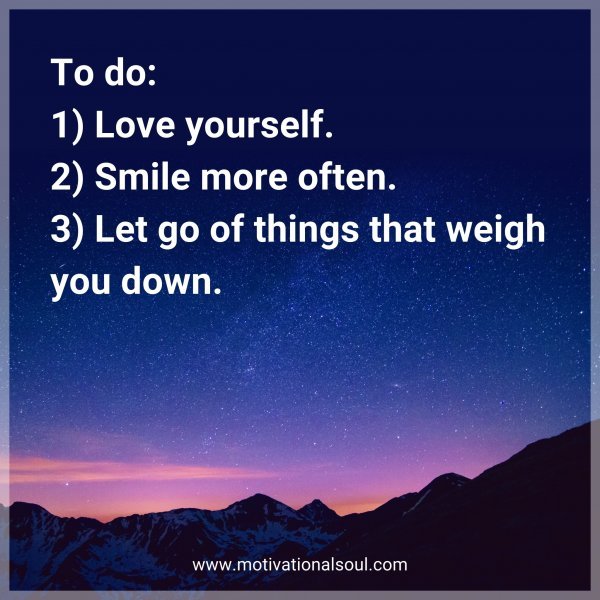

    To do: 1) Love yourself. 2) Smile more often. 3) Let go of things that weigh you down.
    To do: 1) Love yourself. 2) Smile more often. 3) Let go of things that weigh you down.
  • What Is Ego Depletion and How Does It Affect Our Lives?

    What Is Ego Depletion and How Does It Affect Our Lives?

    Ego depletion is a psychological condition in which our willpower becomes weaker every time we use it. This can refer to resisting temptations, desires, and impulses, as well as following societal rules. Many people don’t even realize that they are suffering from ego depletion, because it often manifests as low energy levels or feelings of fatigue. In this blog post, we will discuss what ego depletion is and how it affects our lives!

    Ego depletion is the idea that our willpower is like a muscle that can get tired from overuse. When we use our willpower too much, it can become weaker, just like physical muscles. This drains us both mentally and physically. We may find it harder to resist temptations or stick to our goals.

    How Does Ego Depletion Affect Our Lives?

    Ego depletion doesn’t just impact us momentarily- it can have long-lasting effects on our lives. In the short term, we may feel exhausted or unable to resist cravings. This makes it difficult to stay on task at work or keep up with healthy habits. In the long term, ego depletion can lead to burnout. This is when we feel completely overwhelmed and unable to cope with the demands of our lives. We may start to disengage from our hobbies or relationships, and our work may suffer.

    Let’s explore how can we overcome ego depletion:

    1. Get enough sleep

    Lacking willpower makes it hard to stick to a goal, and sleep deprivation only aggravates this. This is because our brain cells need energy to function properly. Make sure you’re getting enough sleep every night, and take a nap if you feel yourself flagging during the day. You’ll be surprised how much more productive you are when you’re well-rested.

    2. Eat healthily

    Eating a nutritious diet helps to fuel our brain and body, giving us the energy we need to power through our day. Although many people think that sugary snacks and caffeine will help them get through the day, those same foods can lead to a drop in energy later on. To maintain your energy throughout the day, it is better to eat healthy foods. You’ll be more attentive and energized during the day if you eat foods like whole-grain bread or fresh fruits and vegetables that contain protein and complex carbs. Plus, it’s important to drink lots of water since being dehydrated can negatively impact your brainpower.

    3. Exercise regularly

    Exercise has been shown to increase our willpower. This is because it helps to improve our brain function and makes us feel good. When we feel good, we’re more likely to stick to our goals. Exercise also releases endorphins, which have mood-boosting effects. So, not only can exercise help us to achieve our goals, but it can also make us happier in the process.

    In addition to its benefits for willpower and happiness, exercise is also good for our physical health. It can help to improve our cardiovascular health, strengthen our muscles and bones, and boost our immune system. So, even if we’re not trying to lose weight or get in shape, regular exercise is still a good idea. There are many ways to fit exercise into our lives, so there’s no excuse not to give it a try.

    4. Take breaks

    Our bodies and minds are designed to work in bursts of energy, followed by brief periods of rest. When we push ourselves too hard for too long, we can quickly become depleted. This can lead to a decrease in productivity, as well as an increase in stress levels. Dedicate a few minutes each hour to getting up and moving around, stretching, or simply taking some time to clear your mind. This will help you to stay focused and energized and will reduce your risk of burnout. In addition, make sure to give yourself time each day to relax and rejuvenate. Whether you enjoy reading, spending time outdoors, or soaking in a warm bath, make sure to schedule some time for yourself. This will help you to recharge your batteries and maintain a healthy balance in your life.

    5. Practice meditation

    As anyone who has ever tried to diet or quit smoking knows, willpower is essential for making lasting changes. However, willpower is a finite resource, and it can be quickly depleted by stress and temptation. This is where meditation comes in. Meditation has been shown to increase willpower by calming the mind and body. When we are calm, we are better able to resist temptation and make decisions based on our long-term goals. In addition, meditation has been shown to improve focus and concentration, both of which are essential for making lasting changes. If you’re looking to increase your willpower, consider adding meditation to your daily routine.

    6. Set realistic goals

    When it comes to accomplishing anything, whether it’s developing a new skill or losing weight, setting realistic goals is key. When we set our sights too high, we’re more likely to get discouraged and give up. However, if our goals are achievable and we break them down into small steps, we’re much more likely to stay on track. By taking things one step at a time, you’ll increase your chances of success.

    7. Find a support group

    Sharing resources and advice can help you both achieve success. Some groups are even specific to certain types of goals, such as weight loss or running a marathon. Do a bit of research to find a group that is right for you. You may also be able to find a local group that meets in person. Check with community centres, gyms, or running stores in your area. Even if you cannot find an existing group, you could start your own. Invite friends, family members, or coworkers who have similar goals. Support from others can be very helpful when trying to improve your fitness level.

    8. Take some time for yourself

    A key part of maintaining your willpower is to make sure that you schedule some time for activities that you enjoy. This could be something as simple as reading a book, spending time in nature, or listening to music. Doing things that make you happy can help to increase your willpower by giving you a break from the things that drain your energy. In addition, it is important to remember that taking care of yourself is not selfish. Taking some time for yourself can help to increase your productivity and improve your overall well-being. So, if you want to improve your willpower, make sure to schedule some time for activities that you enjoy.

    9. Be patient

    Ego depletion occurs when an individual feels overwhelmed and exhausted from trying to maintain a certain image or standard. It can be difficult to overcome, but it is important to be patient with yourself. Every step you take is a step in the right direction. Try to set realistic goals and give yourself time to recover. Don’t expect perfection and cut yourself some slack. Most importantly, seek professional help if you are struggling to cope. There are many resources available that can help you manage ego depletion and achieve your goals.

    10. Get help from friends

    It can be difficult to admit that you’re struggling, but it’s important to reach out for help if you need it. Your friends and family are great resources for support during tough times. They can offer an ear to listen to, a shoulder to cry on, or even just a distraction from your troubles. When you’re feeling lost, your loved ones will always be there to help and get you back on track.

    True friends are those rare people who come to find you in dark places and lead you back to the light. -Steven Aitchison
    True friends are those rare people who come to find you in dark places and lead you back to the light. -Steven Aitchison

    11. Seek professional help

    If you’re struggling to overcome ego depletion, it may be helpful to seek professional help. A therapist can provide you with tools and support to help you manage your condition. They can also help you understand the causes of ego depletion and how to avoid triggers. In addition, therapy can provide a safe space for you to process your emotions and develop healthy coping mechanisms. If you’re interested in exploring therapy, you can contact your health insurance provider to see what options are available to you. You can also search for therapists in your area on websites like Psychology Today. Seek professional help today and begin the journey to a healthier tomorrow.

    Conclusion

    Ego depletion is a common condition that can have a major impact on our lives. It’s important to be aware of the signs and symptoms so that we can seek help if we need it. There are many things we can do to overcome ego depletion, including getting enough sleep, eating healthily, and taking breaks. If we’re struggling, we can seek help from friends or family. If the condition is severe, it may be necessary to seek professional help. Thanks for reading!

  • Signs That You Are Stressed at Work

    Signs That You Are Stressed at Work

    WORK HARD

    What to Do About It?

    If you find yourself struggling to keep up with your work, and feeling overwhelmed by stress, you’re not alone. Millions of people deal with workplace stress every day. But what are the warning signs that you may be stressed out at work? And what can you do about it?

    One of the first warning signs of stress is if you find yourself feeling anxious or irritable more often than usual. If you’re constantly on edge and feeling like you can’t relax, it may be a sign that you’re stressed. Another sign is if you’re having trouble sleeping, or if you’re sleeping more than usual. This can be a sign that your body is trying to cope with the stress by using sleep as a way to escape. If you’re finding it hard to concentrate, or if you’re making more mistakes than normal, this can also be an indication that your stress levels are high.

    So what can you do about it? One of the best things you can do is to try and identify the source of your stress. Once you know what’s causing it, you can begin to take steps to address the problem. If your job is the source of your stress, talk to your boss about ways to make it more manageable. If some deadlines or projects are causing you undue stress, see if there’s a way to adjust them so they’re not as intense. Sometimes simply talking about the stressors in your life can help to reduce their power over you. If you find yourself struggling to cope with workplace stress, there are resources available to help. Talk to your HR department, or look for an employee assistance program in your company. These programs can provide counselling and support to help you better manage your stress levels. With some effort and care, it’s possible to reduce the amount of workplace stress in your life and feel more relaxed and productive at work.

    Stress can destroy much more than just our physical health. Too often

    Let’s discuss a few warning signs that you’re stressed at work:

    1. You’re suffering from unexplained aches and pains.

    If you find that you’re constantly suffering from unexplained aches and pains, it may be a sign that you’re under too much stress at work. Poor ergonomics can certainly contribute to this, but if you’re struggling with pain that can’t be explained by your work environment, stress is likely the culprit.

    2. You’re always tired.

    If you find yourself feeling exhausted all the time, even after a full night’s sleep, it may be a sign that you’re stressed at work. When we’re under a lot of stress, our bodies produce cortisol, a hormone that can lead to feelings of fatigue.

    3. You’re having trouble concentrating.

    If you find that you’re struggling to focus on your work, it may be a sign that you’re stressed. When we’re under stress, our brains have a harder time processing information and focusing on tasks. This can lead to difficulty completing work, and can even lead to mistakes.

    4. You’re feeling anxious or depressed.

    If you find that your stress is leading to feelings of anxiety or depression, it’s important to seek help. These feelings can be debilitating and can make it difficult to function at work. If you’re struggling with anxiety or depression, talk to your doctor or a mental health professional.

    5. You’re using alcohol or drugs to cope.

    If you find that you’re turning to alcohol or drugs to help you deal with your stress, it’s a sign that you’re in over your head. If you’re struggling with substance abuse, seek help from a professional.

    6. Altered appetite or eating habits.

    If you find that your appetite has changed or you’re eating more or less than usual, it may be a sign of stress. When we’re stressed, our bodies can react in different ways. Some people find that they have no appetite, while others find that they’re constantly hungry.

    7. Sleep struggles.

    If you’re having trouble sleeping, it may be a sign of stress. When we’re stressed, our bodies produce cortisol, a hormone that can interfere with sleep.

    8. Feeling lonely or isolated.

    If you’re feeling lonely or isolated at work, it may be a sign that you’re stressed. When we’re under a lot of stress, we may withdraw from our social interactions.

    9. Getting sweaty palms or a racing heart.

    Stress can cause our palms to sweat or our hearts to race because it activates the sympathetic nervous system. This can lead to physical symptoms like sweating and a racing heart.

    10. Feeling cold all the time.

    If you find that you’re feeling cold all the time, it may be a sign of stress. When we’re stressed, our bodies produce cortisol, a hormone that can cause us to feel cold.

    11. Procrastinating more than usual.

    If you find that you’re procrastinating more than usual, it may be a sign of stress. When we’re stressed, we may feel overwhelmed and unable to start or finish tasks. This can lead to procrastination.

    12. Grinding your teeth.

    If you find yourself grinding your teeth, it may be a sign of stress. When we’re stressed, we may clench our jaws or grind our teeth. This can lead to pain and other problems.

    13. Nervous ticks or twitches.

    If you find yourself developing nervous ticks or twitches, it may be a sign of stress. When we’re stressed, our bodies may develop physical ticks or twitches. This is a result of the increased tension in our muscles.

    14. Frequent headaches.

    If you find yourself getting frequent headaches, it may be a sign of stress. When we’re stressed, our bodies produce cortisol, a hormone that can cause headaches.

    15. Being snappy or short-tempered.

    If you find yourself being snappy or short-tempered, it may be a sign of stress. When we’re stressed, we may have a shorter fuse and be more likely to lash out at those around us.

    16. Lightheadedness or dizziness.

    If you find yourself feeling lightheaded or dizzy, it may be a sign of stress. When we’re stressed, our blood pressure may drop and we may feel lightheaded or dizzy.

    17. Muscle tension or tightness.

    If you find that your muscles are tense or tight, it may be a sign of stress. When we’re stressed, our muscles may tense up to protect us from injury. This can lead to pain and other problems.

    18. Having trouble disconnecting from work.

    If you find that you’re having trouble disconnecting from work, it may be a sign of stress. When we’re stressed, we may have trouble leaving our work at the office. This can lead to burnout and other problems.

    19. Increased use of sick days.

    If you find that you’re using more sick days than usual, it may be a sign of stress. When we’re stressed, we’re more susceptible to illness. This can lead to increased use of sick days.

    20. Doing work of multiple people.

    If you find that you’re doing the work of multiple people, it may be a sign of stress. When we’re stressed, we may feel like we have to do everything ourselves. This can lead to burnout and other problems.

    21. Working long hours with no relief in sight.

    If you find yourself working long hours with no relief in sight, it may be a sign of stress. When we’re stressed, we may feel like we have to work all the time to meet our deadlines. This can lead to burnout and other problems.

    22. Not being able to take vacation days.

    If you find that you’re not able to take a vacation, it may be a sign of stress. When we’re stressed, we may feel like we can’t afford to take a break. This can lead to burnout and other problems.

    23. Feeling like you’re always behind.

    If you find that you’re always feeling like you’re behind, it may be a sign of stress. When we’re stressed, we may feel like we can never catch up. This can lead to burnout and other problems.

    24. Feeling like you’re not good enough.

    If you find that you’re feeling like you’re not good enough, it may be a sign of stress. When we’re stressed, we may doubt our abilities. This can lead to burnout and other problems.

    25. Worrying about the future.

    If you find that you’re worried about the future, it may be a sign of stress. When we’re stressed, we may worry about what’s going to happen next. This can lead to anxiety and other problems.

    26. Feeling constantly distracted.

    If you find that you’re feeling constantly distracted, it may be a sign of stress. When we’re stressed, we may have trouble focusing. This can lead to mistakes and other problems.

    27. Having difficulty making decisions.

    If you find that you’re having difficulty making decisions, it may be a sign of stress. When we’re stressed, we may have trouble thinking clearly. This can lead to mistakes and other problems.

    28. Feeling like you’re not in control.

    If you find that you’re feeling like you’re not in control, it may be a sign of stress. When we’re stressed, we may feel like everything is out of our control. This can lead to anxiety and other problems.

    29. Decrease in productivity.

    If you find that your productivity has decreased, it may be a sign of stress. When we’re stressed, we may have trouble getting work done.

    30. Making more mistakes than usual.

    If you find that you’re making more mistakes than usual, it may be a sign of stress. When we’re stressed, we may have trouble thinking clearly. This can lead to mistakes and other problems.

    31. Lack of energy for simple tasks.

    If you find that you’re lacking energy for simple tasks, it may be a sign of stress. When we’re stressed, we may not have the energy to do things that we normally enjoy. This can lead to burnout and other problems.

    32. Your relationships are suffering.

    If you find that your relationships are suffering, it may be a sign of stress. When we’re stressed, we may not have the energy to invest in our relationships.

    33. Increase in blood pressure.

    If you find that your blood pressure has increased, it may be a sign of stress. This can lead to health problems over time.

    34. Significant weight change.

    If you find that you’ve experienced a significant weight change, it may be a sign of stress. When we’re stressed, our bodies can hold onto extra weight or lose weight. This can lead to health problems over time.

    35. You’ve lost your passion for things you used to love.

    If you find that you’ve lost your passion for things you used to love, it may be a sign of stress. When we’re stressed, we may not have the energy to invest in our hobbies or interests.

    Conclusion

    If you’re feeling overwhelmed by stress, it’s important to take steps to reduce your stress levels. Over time, high levels of stress can lead to burnout or other serious problems. Exercise is a great way to reduce stress, as it releases endorphins that help to improve your mood. Meditation and relaxation techniques can also help reduce stress. By taking steps to reduce your stress, you can improve your overall health and well-being. Thanks for reading!

    Remove Stress With Positive Thinking

  • How To Spot Denial In Yourself And Others

    How To Spot Denial In Yourself And Others

    There’s no doubt that denial can be a powerful force. It can help us to avoid difficult truths or painful emotions, and it can even keep us going in the face of seemingly insurmountable obstacles. But at the same time, denial can also be harmful, preventing us from dealing with our problems and making progress in our lives. In this blog post, we will explore the nature of denial and discuss its pros and cons.

    So, what exactly is denial? In psychology, denial is defined as “a defence mechanism in which a person refuses to accept reality or facts.” In other words, it’s a way of avoiding or repressing difficult truths or painful emotions. Denial can take many different forms, and it’s often used as a way to protect oneself from feelings of anxiety or distress.

    On the one hand, denial can be a helpful coping mechanism. It can allow us to ignore or downplay difficult situations and emotions, at least in the short term. This can be beneficial if we’re facing a situation that is too overwhelming to deal with right away. Denial can buy us time to deal with a problem more methodically and rationally.

    On the other hand, denial can also be harmful. If we use denial as a way to avoid facing our problems, we may never actually deal with them. Additionally, denial can lead to feelings of isolation and loneliness, as we become cut off from our emotions. And in some cases, denial can even make a problem worse. For example, if someone is in denial about their alcoholism, they may continue to drink despite the negative consequences.

    Let’s explore a few behaviours of denial:

    1. Ignoring or downplaying the problem

    When we find ourselves in a challenging situation, it can be tempting to simply ignore the problem or downplay its importance. We may tell ourselves that the problem isn’t really that bad, or that it will eventually go away on its own. While this type of denial can provide some short-term relief, it’s not a sustainable way to deal with problems. Ignoring or downplaying a problem will usually make it worse in the long run. If you’re having trouble dealing with a problem, it’s important to face it head-on. Acknowledge the problem and its significance, and then start brainstorming possible solutions. By taking these steps, you’ll be more likely to find a lasting resolution.

    2. Repressing emotions

    Denial is a common defence mechanism that we use to protect ourselves from difficult truths or painful emotions. When we deny something, we refuse to believe or accept it, even though it may be true. Denial can help us to cope in the short term, but it can also lead to negative consequences in the long term. One of these consequences is repressing our emotions. When we repress our emotions, we try to bottle them up instead of dealing with them head-on. This can lead to feelings of isolation and loneliness, as we become cut off from our emotions. It can also cause problems in our relationships, as we may have difficulty communicating our needs and feelings. If you find yourself repression of your emotions, it may be helpful to talk to a therapist or counsellor who can help you to deal with them healthily.

    3. Rationalizing our behaviour

    When we’re in denial about our addiction, we may also rationalize our behaviours. We may make excuses for why we’re continuing to do something that we know is harmful. For example, someone in denial about their alcoholism may continue to drink by telling themselves that they can handle it or that they need to drink to relax. However, these are just excuses. If we’re honest with ourselves, we’ll see that we’re only rationalizing our behaviour to justify our addiction. In reality, there’s no excuse for continuing to harm ourselves with our addiction. We need to face up to the truth and get help for our problems.

    4. Blaming others

    When we find ourselves in difficult situations, it can be tempting to blame others for our troubles. We may see someone else as the cause of our problems, and this can prevent us from taking responsibility for ourselves. This is known as denial, and it can be a very harmful way of thinking. By placing the blame on someone else, we are essentially giving up our power to change the situation. We are no longer taking an active role in our lives, and this can lead to feelings of helplessness and despair. If we want to make progress in our lives, we must take responsibility for ourselves. Only then can we hope to make positive changes in our lives.

    5. Avoiding difficult conversations

    People in denial may also avoid having difficult conversations. We may be afraid to face the truth, or we may simply not want to deal with the emotions that come with it. This can lead to further isolation and loneliness, as well as relationship problems. To avoid these negative outcomes, it is important to be proactive and honest in our communications with others. If we are worried about how someone will react to bad news, it is often better to have the conversation anyway. We can provide support and comfort to the other person, and we may be surprised at how well they handle the news.

    6. Refusing to seek help

    When we’re in denial about our addiction, we may also refuse to seek help. We may not want to admit that we have a problem, or we may not believe that treatment can help us. However, refusing to seek help is one of the most dangerous things that we can do. Addiction is a serious disease, and it will only get worse if we don’t get help. By seeking treatment, we can begin to heal the damage that our addiction has caused. We can also learn how to live a sober and fulfilling life.

    7. Feeling hopeless

    People in denial often feel hopeless about their situation. They may not see a way out of their addiction, and this can lead to despair. If you’re feeling hopeless about your addiction, it’s important to remember that help is available. Some people care about you and want to see you recover. There are also treatment options that can help you to overcome your addiction. Don’t give up hope – there is a way out of addiction, and you can find it if you’re willing to seek help.

    8. Struggling to cope

    People in denial often struggle to cope with their emotions. They may feel overwhelmed by sadness, guilt, or shame. These negative emotions can be very tough to deal with, and they may cause us to act out in harmful ways. If you’re struggling to cope with your emotions, it’s important to reach out for help. There are many resources available to help you healthily deal with your feelings. You don’t have to struggle alone – there is support available if you’re willing to seek it out.

    9. Making excuses

    People in denial often make excuses for their behaviour. They may rationalize their addiction, or they may try to justify it in some way. However, these are just excuses. If we’re honest with ourselves, we’ll see that we’re only harming ourselves with our addiction. In reality, there’s no excuse for continuing to harm ourselves with addictive substances or behaviours. If we want to recover, we must be willing to face the truth about our addiction. We must also be willing to take responsibility for our recovery.

    10. Facing reality

    Ultimately, the only way to overcome denial is to face reality. We must be willing to accept that we have a problem and that we need help. This can be a difficult thing to do, but it’s essential for recovery. Once we’ve faced reality, we can begin to seek out the help that we need. There are many resources available to help us recover from addiction, and we can find them if we’re willing to look. If we’re ready to face reality, we can begin the journey of recovery today.

    Conclusion

    Denial can be both helpful and harmful. It’s important to be aware of its effects so that we can use it in a way that is beneficial for us. If you find yourself using denial as a way to avoid your problems, try to take a step back and assess the situation. Ask yourself whether the denial is helping you, or if it’s time to face the truth. Thanks for reading!

  • The Rat Race: Why We’re Always Running and What We’re Running From

    The Rat Race: Why We’re Always Running and What We’re Running From

    It seems like we’re always on the go, running to catch the bus or arrive at work on time. But why? Can’t we just slow down and enjoy life for once? In this blog post, we will explore the concept of the rat race and discuss some of the reasons why we feel so compelled to keep running. We will also offer some solutions for breaking free from the rat race and finding peace in our lives.

    The rat race is a term that was first coined in the 1950s to describe the hustle and bustle of city life. The term was originally used to describe the competition among rats to find food and shelter. But today, the term is often used to describe the competitive, fast-paced lifestyle that many of us feel pressured to live.

    A few indications that the rat race has made your life complicated are as follows:

    1. You’re always rushing around and feel like you can never slow down.

    If you’re always on the go, it can be tough to find time to relax. But it’s important to take a break and recharge, both mentally and physically. Luckily, there are a few simple ways to slow down and de-stress. One way to instantly feel more relaxed is to take some deep breaths. Breathe in slowly for a count of four, hold your breath for a count of four, and then exhale for a count of four. Another easy way to de-stress is to focus on your senses. Take a moment to notice the sights, sounds, smells, and textures around you. And finally, try to disconnect from electronics for a little while each day. Whether it’s reading a book or taking a walk outside, spending some time offline can help you feel calmer and more centered. By following these simple tips, you can learn how to slow down and enjoy life more fully.

    SLOW DOWN.
    SLOW DOWN.

    2. You’re constantly juggling multiple tasks and commitments.

    Anyone who has ever tried to juggle multiple tasks knows how quickly things can start to feel overwhelming. Once you start falling behind, it can be tough to catch up. However, there are some strategies you can use to stay on top of your commitments and avoid feeling overwhelmed. One of the most important things is to create a schedule and stick to it as much as possible. Block out time for each task and try to resist the temptation to move things around. It can also be helpful to break up larger projects into smaller, more manageable tasks. And finally, learn to say “no” when you’re already stretched thin. Taking on too many commitments will only make it harder to succeed. By using these strategies, you can stay focused and avoid feeling overwhelmed by your workload.

    3. You feel like you’re competing with others all the time.

    It can often feel like we compete with others, whether it’s for a raise at work, a promotion, or simply to be seen as successful. While a certain amount of healthy competition can be motivating, too much of it can lead to feelings of insecurity and inadequacy. If you find yourself constantly comparing yourself to others, it’s important to take a step back and remember that everyone is on their unique journey. Instead of fixating on what others have that you don’t, focus on your accomplishments and what makes you special. By doing so, you’ll be able to silence your inner critic and live a happier, more fulfilling life.

    I am not interested in competing with anyone. I hope we all make it.

    4. You’re never really sure what you’re working towards or why.

    As anyone who has ever worked a day in their life knows, it is important to have a clear understanding of what your goals are and why you are working towards them. Without this understanding, it is all too easy to become bogged down in the daily grind and lose sight of what you are trying to achieve. Unfortunately, there are many workplaces where this is the norm. Employees are given tasks to complete without any explanation of how those tasks fit into the bigger picture. As a result, they often feel like they are just going through the motions, with no real sense of purpose. If you find yourself in this situation, it is important to take initiative and ask for clarification from your superiors. Otherwise, you run the risk of becoming just another cog in the machine.

    5. You feel like you’re just going through the motions day after day.

    We’ve all been there. You wake up in the morning, get ready for the day, and head off to work. But as the day wears on, you start to feel like you’re just going through the motions. Over time, it’s common for work to feel devalued and repetitive. If this is how you’re currently feeling, know that you are not alone. First, take a step back and try to remember why you’re doing what you’re doing. Keep your eye on the prize by understanding your goal. When you know what you’re working towards, it’ll be easier to stay motivated along the way. Additionally, try to mix things up and find new ways to approach your work. A healthy mind and body are essential for maintaining focus and avoiding burnout. If you’re struggling with motivation, these tips should help you get back on track.

    6. You’re always tired and stressed out.

    If you’re struggling to cope with stress, there are some things you can do to manage it effectively. First, make time for yourself every day to relax and recharge. This can be as simple as taking a few deep breaths or reading your favourite book. Secondly, exercise regularly, as this can help to reduce stress levels. Finally, talk to someone about what you’re going through. Whether it’s a friend, family member, or therapist, speaking openly about your stress can help you to feel more in control and better able to manage it. With these tips in mind, you can start to take control of your stress and feel better overall.

    There are two types of tired

    7. You have trouble enjoying life because you’re always so busy.

    Though being busy is often congestion seen as a good thing, it can have negative effects on our physical and mental health if we are too preoccupied. We may have trouble sleeping, start to feel run-down, and even become irritable. If you find that you are always busy and struggling to enjoy your life, it may be time to take a step back and reevaluate your priorities. First, try to cut out any non-essential activities. This will give you some extra free time to relax and rejuvenate. Next, make sure you are taking care of yourself by eating healthy meals and getting enough exercise. Finally, try to focus on enjoying the moment instead of always planning for the future. If you can find a way to slow down and appreciate the simple things in life, you may be surprised at how much more enjoyable your life can be.

    MY MISSION: BE SO BUSY LOVING MY LIFE THAT I HAVE NO TIME FOR HATE

    8. You feel like you’re missing out on important aspects of your life.

    Maybe you feel like you’re missing out on important aspects of your life because you’re not where you want to be professional. Or maybe you feel like you’re missing out on important aspects of your life because you don’t have the close relationships that you want. It’s OK to feel this way. But it’s also important to remember that these feelings are often just a part of life. Instead of focusing on the things that don’t bring you happiness, focus on the people and activities that do. These are the things that will help you feel fulfilled and content in your life. Surround yourself with positive people, engage in activities that make you happy, and pursue your passions. These are the things that will help you lead a happy and fulfilling life – regardless of what other people may be doing or where they may be in their own lives.

    9. Your health is suffering as a result of your busy lifestyle.

    If you’re like most Americans, you lead a busy life. You might have a job, children, extracurricular activities, and a social life – and that’s just during the week! Add in weekends full of errands and activities, and it’s no wonder that so many people feel stressed and overwhelmed. Unfortunately, this busy lifestyle can also take a toll on your health. Studies have shown that chronic stress can lead to several health problems, including anxiety, depression, heart disease, gastrointestinal issues, and sleep problems. In addition, if you’re constantly on the go, you’re likely not getting enough exercise or eating a healthy diet. All of these factors can contribute to poor overall health. If you’re struggling to keep up with your busy lifestyle, it’s important to take some time for yourself and make your health a priority. Try to schedule some time each week to relax and rejuvenate, even if it’s just for a few minutes. In addition, make sure to eat healthy foods and get regular exercise. Taking care of yourself will help you feel your best and prevent long-term health problems down the road.

    10. You’re not sure who you are or what you want in life.

    It can be difficult to figure out who you are and what you want in life, but there are a few things that can help. One is to think about the things that make you happy. What do you enjoy doing? What makes you feel good? Another is to consider the people in your life who you admire and why you admire them. Ask yourself what admirable qualities does this person possess that you would also like to have? In addition, it is utilitarian to think about your values. What do you prioritize? What are your core beliefs? Once you meditate on these things, you will more than likely begin comprehending a clearer version of yourself and what exactly it is that you aspire to in life.

    Conclusion

    The rat race can be stressful and fast-paced, making it difficult to maintain your health and happiness. If you feel stuck, there are ways to break free and simplify your life. This may involve making some changes to your lifestyle and priorities. But the effort will be worth it in the end when you’re able to live a more peaceful and fulfilling life. Thanks for reading! We hope this blog post has helped you to better understand the rat race and why it’s important to find ways to escape it. Thanks for reading!

  • From Bad Habits to Good Habits: How to Make a Lasting Change in Your Life

    From Bad Habits to Good Habits: How to Make a Lasting Change in Your Life

    Though it may be challenging, making a change in your life is doable and worth attempting. If there’s something about your life that you don’t like, and you want to make a change, then read on. In this blog post, we’ll discuss how to make a lasting change in your life, and overcome the resistance that often arises.

    OLD HABITS WILL NEVER
    OLD HABITS WILL NEVER

    Let’s investigate a few habits that will make each day improved:

    1. Focusing on only one task at a time

    In our fast-paced world, it’s easy to feel like we have to do everything at once. However, research has shown that trying to multitask is less productive than focusing on one task at a time. When we try to juggle multiple tasks, our brains have to constantly switch gears, which can lead to errors and decreased efficiency. Furthermore, multitasking often means that we’re not giving our full attention to any of the tasks at hand. On the other hand, when we focus on only one task, we’re able to work more quickly and effectively. We’re also more likely to retain information and notice details that we might otherwise miss.

    Feed your focus
    Feed your focus

    2. Drink plenty of water

    Water is essential for good health. It aids in digestion, circulation, absorption, and excretion. Despite this importance, many people do not drink enough water daily. It is recommended that adults consume at least eight glasses of water per day. This may seem like a lot, but it is important to remember that water is found in many other beverages and food items, such as coffee, tea, soup, and fruits. In addition, some activities, such as exercise, sweating, and urinating can cause the body to lose water. As a result, it is important to stay hydrated throughout the day by drinking plenty of fluids. Water is the best option, but other beverages can also help to keep the body hydrated. Just be sure to avoid sugary drinks, as too much sugar can cause dehydration.

    I water you
    I water you

    3. Knowing your purpose, goals and objectives is key to success.

    Every business needs the plan to succeed. Your plan should include your business’ purpose, goals, and objectives. Your purpose is why your business exists – it should be something more than simply making money. Defining your goals, both short and long-term, is essential to the success of any business. Your goals should be specific, measurable, attainable, realistic and timely to create a clear plan for your business’s future.

    Never give up. Keep working toward your goals.
    Never give up. Keep working toward your goals.

    4. Wake up early

    There are many benefits to waking up early. For one, you’ll have a chance to get a head start on your day. You’ll be able to accomplish more before breakfast than you would if you woke up later. In addition, waking up early gives you time to enjoy the peace of the morning. You can take a walk, meditate, or just sit and reflect on your day ahead. If you have trouble waking up early, there are a few things you can do to make it easier. Before you can wake up early, there are a few things you need to do the night before and in the morning. Make sure your body is adjusting by going to bed earlier. In addition, have an enjoyable morning routine that’s easy to follow so you’re not delaying it with decisions. And finally, cut out electronics use about an hour before sleep; this will help your mind and body wind down for a deeper sleep. If you put in a little effort beforehand, waking up early can be highly beneficial!

    5. Be mindful of your thoughts and emotions

    It’s important to be mindful of your thoughts and emotions. Why? Because your thoughts and emotions impact your behaviour. If you’re feeling down, you might not want to go out and interact with others. If you’re feeling angry, you might say or do things you later regret. The key is to be aware of your thoughts and emotions and to try to control them instead of letting them control you.

    6. Get organized and set a schedule

    Getting organized and setting a schedule are important steps in time management. By taking the time to sort through your tasks and priorities, you can ensure that you are using your time in the most efficient way possible. A schedule can help you to stay on track and avoid getting overwhelmed by your workload. When setting a schedule, be realistic about how much time you have available and build in some flexibility to account for unexpected delays or interruptions. In addition, try to break down large projects into smaller tasks that can be completed more easily. By taking these steps, you can make the most of your time and get more done in less time.

    7. Take care of your physical health

    There are many simple ways to take care of your physical health. For example, you can eat a healthy diet, exercise regularly, and get enough sleep. You can also take steps to prevent injuries, such as using proper lifting techniques and wearing protective gear when participating in activities like sports. If you take care of your physical health, you will be more likely to enjoy a long and healthy life.

    Think positively. Exercise daily. Eat healthy. Work hard. Stay strong. Worry less. Dance more. Love often. Be happy.

    8. Make time for social interactions and relationships

    It’s important to make time for social interaction and relationships, even when you’re busy. Research has shown that social interaction and relationships can have a positive impact on mental health, and can help reduce stress levels. There are several ways to make time for social interaction and relationships. You can schedule time for coffee or lunch with friends, or make plans to attend social events. You can also join clubs or groups that interest you or volunteer for organizations that need your help.

    If you have trouble making time for social interaction and relationships, several apps and websites can help you connect with people who share your interests. Making time for social interaction and relationships is an important part of taking care of your mental health.

    9. Practice self-compassion and kindness

    It can be easy to be hard on yourself when things don’t go according to plan. Maybe you didn’t get the job you interviewed for, or you failed a test at school. Or perhaps you’re just not happy with how you look or feel. Whatever the case may be, it’s important to remember that everyone makes mistakes and that nobody is perfect.

    Instead of beating yourself up, try to practice self-compassion and kindness. Forgive yourself for your mistakes and focus on what you can do to improve the situation. By making an effort to be kinder to yourself, you’ll start to feel better about yourself and your capabilities. And over time, you may find that you’re able to achieve your goals more easily.

    10. It is crucial to take a break from technology

    In our modern world, it is impossible to avoid technology. We use it at work, at home, and even when we are out with friends. While technology can be a great way to stay connected and get things done, it is important to take a break from it from time to time. Technology can be very demanding, and it is easy to become overwhelmed or bogged down by it.

    By taking a break, even for just a few minutes each day, you can allow yourself to relax and reset. Turn off your phone, step away from your computer, and take a few deep breaths.

    11. Always keep the good times in mind.

    It’s easy to get caught up in the day-to-day grind and forget about the good times. But it’s important to keep the good times in mind, especially when things are tough. The good times remind us that things can and will get better. They give us hope that the future will be bright. And they help us to appreciate the happy moments when they do come along.

    Next time you’re feeling down, take a moment to think about the good times. It might just be enough to give you the boost you need to get through whatever challenges you’re facing.

    12. Make your bed

    Though it may seem like a small task, making your bed every morning can have a big impact on your day. Many successful people credit this simple habit with setting the tone for a productive day. When you make your bed, you start the day with a sense of accomplishment. This can help to give you the motivation you need to tackle other tasks on your to-do list. Additionally, making your bed provides a calm and organized space for you to relax at the end of the day.

    Whether you’re reading a book or taking a moment to reflect on your day, a tidy bedroom can provide a welcome oasis after a long day.

    Conclusion

    When it comes to making a lasting change in your life, it’s important to remember that you are capable of anything you set your mind to. No matter how difficult it may seem, with hard work and dedication, you can overcome any obstacle. Make sure to keep your goals in mind, and be mindful of your thoughts and emotions. Take care of your physical health, and don’t forget to take breaks from technology. Finally, always keep the good times in mind, and be kind to yourself. Thanks for reading!

    PEOPLE DO NOT DECIDE THEIR FUTURES. THEY DECIDE THEIR HABITS

    You Might Also Like

  • Things People Do Who Bypass Depression

    Things People Do Who Bypass Depression

    Depression is a silent killer. It’s one of those things that a lot of people try to sweep under the rug, or simply don’t talk about. And that’s because depression is a very personal thing – it affects everyone differently, and there’s no “one size fits all” approach to dealing with it. In this blog post, we want to take a closer look at what living with depression is really like. We hope that by doing so, we can help break the stigma attached to mental illness and encourage more people to get the help they need.

    Depression is an all-encompassing mental illness that not only affects your emotions but also your physical well-being and behaviour. Depression is an incredibly difficult thing to deal with, both for the person experiencing it and for their loved ones. It’s often hard to put into words how all-encompassing depression can be, or how badly it hurts both physically and mentally.

    Living with depression can feel like drowning in your head, with nothing around to hold onto. Unfortunately, studies show that those who have had depression at any point in the past have about a 50% chance of relapsing; after the second episode of depression, the relapse rate goes up to 70%, and after the third, up to 90%.

    Here are a few ways to avoid depression:

    1. Get regular exercise

    Exercise is an excellent way to improve your mood if you’re feeling depressed. Endorphins, which are produced during exercise, have mood-enhancing effects. Plus, exercise can also help reduce anxiety and stress levels. Exercise can also help to improve sleep quality, which can be a major contributor to depression. In addition, exercise can help to increase energy levels and reduce fatigue. It can also improve concentration and focus. Plus, it’s a great way to distract yourself from negative thoughts and rumination.

    2. Connect with others

    When you’re struggling with depression, it can be easy to withdraw from the people and things you love. But isolation is one of the main triggers for depression, so it’s important to stay connected with family and friends. If you’re feeling particularly down, reach out to a professional or a support group. Just knowing that you’re not alone can be a huge source of comfort.

    3. Be mindful of your diet

    Eating plenty of fruits, vegetables, and whole grains helps to protect your body against disease and also provides the nutrients you need for good mental health. processed foods, sugary drinks, and alcohol can all contribute to poor physical and mental health. Make sure to limit your intake of these substances to maintain a healthy diet. If you are struggling to eat a healthy diet, there are many resources available to help you make better food choices.

    4. Get enough sleep

    Getting a good night’s sleep is crucial for our physical and mental well-being. It can help improve our mood, memory, and focus while reducing stress and anxiety. Depression not only saps your energy and motivation but can also cause insomnia. Make sure you’re getting enough sleep per night (around eight hours is the average), as this will help improve your depression symptoms. If you’re still having trouble sleeping, talk to your doctor about possible medications or therapies that could help. There are a variety of things you can do to improve your sleep habits, such as avoiding caffeine before bed, establishing a regular sleep schedule, and creating a calm environment in your bedroom. By getting enough sleep, you can improve your overall mental and physical health.

    5. Take care of your physical health

    Depression can worsen existing physical health conditions, so it’s important to take care of your body. This means getting regular checkups, managing any chronic conditions, and following a healthy lifestyle. Regular checkups allow you to monitor your physical health and identify any potential problems early on. Managing chronic conditions is a lot of work, but it’s worth it to keep the condition from deteriorating. To live a healthy lifestyle, maintain balance in your diet, get enough exercise, and get plenty of rest. Caring for your physical well-being also helps improve mental health.

    6. Practice relaxation and stress-reduction techniques

    While medication and therapy are vital components of treatment for depression, some lifestyle changes can help to reduce symptoms and improve overall well-being. One important step is to practice relaxation and stress-reduction techniques. This could include yoga, meditation, deep breathing exercises, or simply spending time in nature. The goal is to find an activity that helps you to feel calm and relaxed. It may take some trial and error to find the right activity for you, but the effort is worth it. When practised regularly, relaxation techniques can help to ease depression symptoms and improve your quality of life.

    7. Quit smoking and avoid alcohol consumption

    Smoking and drinking alcohol are two habits that can hurt mental health. Smoking cigarettes is associated with an increased risk of depression, while alcohol consumption can worsen symptoms of depression. If you smoke or drink, consider quitting to improve your mental health. There are many resources available to help you quit smoking, and there are also medication options to help reduce cravings. If you’re struggling with alcohol abuse, talk to your doctor about treatment options.

    8. Seek professional help

    Depression is a dangerous mental illness that can negatively affect every part of your life. If you’re feeling down for an extended period, it’s crucial to ask for assistance from a professional. A therapist will not only help you understand and deal with depression but also give you the tools necessary to manage difficult situations. In addition, medication can be an effective treatment for depression, and your doctor can prescribe the right medication for you. With professional help, you can start to feel better and get back to living your life.

    9. Join a support group

    Although depression can make you feel secluded, know that millions of other people are experiencing the same thing. You don’t have to suffer silently. One of the best ways to get support is to join a depression support group. In these groups, you’ll meet others who understand what you’re going through and can offer helpful advice and perspective. You may even make some lifelong friends. Don’t suffer in silence- there are plenty of support groups available to help you through whatever you’re going through. You can find a face-to-face group in your area, or there are also many online options available.

    10. Be patient with yourself

    When it comes to recovering from depression, it’s important to be patient with yourself. This is a process that takes time and effort, and there are going to be ups and downs along the way. So, set realistic goals for yourself, and don’t expect to feel better overnight. Journeys are never easy, but it is always worth taking that first step. Remember too to be kind to yourself, you deserve it. Remember that you are not alone, and there is plenty of help and support available. Reach out to family and friends, or seek professional help if you need it. These are all important steps on the road to recovery.

    11. Seek emergency help if needed

    If you or someone you know is in danger of harming themselves, it’s important to get help right away. There are many resources available to those in crisis, and seeking help is a sign of strength, not weakness. You are not by yourself in this, and help is close at hand if you require it. Please don’t be afraid to seek support.

    Conclusion

    Depression is a serious illness that can cause a whole host of physical, emotional, and behavioural symptoms. Various treatments exist to help those with depression, so experiment until you find a method that works for you. Some useful ideas that may aid in your recovery are exercise, talk therapy, medication, relaxation techniques, and lifestyle changes. Additionally, you must abstain from alcohol and drugs as they will only aggravate your condition. Furthermore, connect with people who empathize with what you’re experiencing – be it friends or family members or even strangers in a support group. And finally, don’t forget to seek professional assistance when necessary. Most importantly, be patient with yourself and know that recovery takes time. Thanks for reading!

    PAST: DEPRESSION
  • 10 Things Successful People Do Differently Than Everyone Else

    10 Things Successful People Do Differently Than Everyone Else

    We all want to be successful. But what separates the successful from everyone else? What do they do differently? The most crucial matter is that they constantly practice and train in their chosen field. They also deliberately practice and train with the purpose of improvement. Lastly, they assess their performance soon after and look for areas where they can enhance their skills. Many use the training cycle to improve. After you perform, you analyze that performance and look for mistakes or things you could have done better or more efficiently, and then you go back and train to rectify those mistakes. While that basic training cycle is the foundation for success, successful people go even further by continuously pushing themselves out of their comfort zones, seeking new challenges, and striving to improve.

    Here are 10 things successful people do differently than everyone else:

    1. They focus on their strengths and delegate or outsource their weaknesses.

    Focusing on personal strengths while appointing or outsourcing weaknesses is a widespread strategy among entrepreneurs. By taking this route, businesspeople can expand their company more quickly and effectively.

    For example, an entrepreneur who is good at sales can focus on that part of the business while delegating or outsourcing other tasks to someone else. An entrepreneur who is not good at sales but has a knack for design can outsource the design work to someone else and then do the marketing themselves.

    2. They have a clear vision and purpose for their lives.

    A person’s life purpose is not always clear. And it can take a long time to figure out what it is. However, some people know their life purpose when they are children. They have a clear vision and a strong sense of self-awareness that help them figure out what they want to do with their lives.

    Some people think that having a clear vision and purpose for your life means that you should be able to do anything you want. But this is not true because it doesn’t take into account the external factors in society and how they might affect your life goals. For example, if you have the goal of becoming an astronaut but society doesn’t allow women to go into space, then you won’t be able to achieve your goal even if you know what it is.

    3. They set goals and create action plans to achieve them.

    Goals and action plans are essential to any successful project. They provide the structure that is needed to achieve success. Setting goals and creating action plans is a vital process for any project. It provides the structure that is needed to succeed. It’s important to have a clear goal and plan of action to stay on track with your work, be productive and achieve your goals. A goal without an action plan will not get you anywhere, just like an action plan without a goal will not take you anywhere either.

    4. They take consistent and massive action towards their goals.

    People who are successful in life are the ones who take consistent and massive action towards their goals. Successful people are not just thinkers and dreamers. They take massive action to make their dreams a reality. They’re not afraid to move, try new things, or embrace change. They aren’t stuck in their comfort zones. They don’t allow fear of failure to keep them from achieving what they want. Successful people have a blueprint for success.

    SET YOUR GOALS

    5. They surround themselves with positive, like-minded people.

    In a world where we are constantly bombarded with negativity on social media, it is important to surround yourself with people who bring out the best in you. These people might be friends, family members or even mentors. People who surround themselves with positive influences are more likely to feel happy and content. They are also more likely to achieve their goals and feel fulfilled.

    6. They continue learning and growing throughout their lives.

    As we age, it’s natural for our mental and physical abilities to decline. We may find that we can’t remember names as easily as we used to, or that we can’t run as fast as we could in our younger years. However, it’s important to remember that our brains are complex organs that continue to change and grow throughout our lives. Just as we exercise our bodies to stay physically fit, we need to exercise our brains to keep them sharp. There are many ways to do this, including puzzle games, learning a new skill, or simply staying socially active. By keeping our minds active and engaged, we can help prevent cognitive decline and maintain our mental faculties well into old age.

    7. They take responsibility for their thoughts, emotions, and actions.

    One of the most important things you can do for yourself is to take responsibility for your thoughts, emotions, and actions. This doesn’t mean that you should try to control everything that happens to you, but it does mean that you should be aware of how your thoughts and emotions influence your behaviour. When you take responsibility for your thoughts and emotions, you can begin to make choices that are in line with your values and goals. You can also start to become more resilient in the face of adversity. Furthermore, taking responsibility for your actions will help you build trust with others and create more meaningful relationships.

    8. They manage their time and energy wisely.

    One of the most important skills that successful people have is the ability to manage their time and energy wisely. Time is a limited resource, and it’s important to use it in a way that allows you to get the most out of each day. Similarly, energy levels vary throughout the day, and it’s important to know when you’re most productive and use that time wisely. One way to do this is to create a daily schedule and stick to it as much as possible. This can help you make the most of your time by ensuring that you’re spending your time on the tasks that are most important to you. Additionally, it’s important to take breaks when you start to feel overwhelmed or burnt out. Taking some time for yourself can help you recharge and come back to your work with fresh energy. By managing their time and energy wisely, successful people can make the most of each day and stay productive over the long term.

    9. They deal with challenges and setbacks constructively.

    No one ever said that life was easy. We all face challenges and setbacks from time to time, and how we deal with them can have a big impact on our lives. People who are successful in life don’t just give up when things get tough. They take setbacks in stride, and they don’t let them stop them from reaching their goals. If you want to be successful in life, you need to learn how to deal with challenges and setbacks constructively.

    10. They live a balanced lifestyle

    Achieving a healthy lifestyle is a process that entails making concerted and mindful decisions about diet, exercise, and sleep. A key component of success is striking a balance between these three pillars of health; too much or too little of anyone can lead to detrimental consequences. Furthermore, it is important to be attentive to all facets of health: physical, mental, and emotional. For example, someone who overeats despite being aware of the negative consequences to their physical health may be using food as a coping mechanism for an underlying emotional issue. Addressing all aspects of health is essential for achieving a well-rounded sense of wellness.

    Leading a balanced lifestyle requires making healthy choices consistently. This can be difficult, especially when faced with tempting processed foods or a demanding work schedule. However, the rewards of living a healthy lifestyle are significant: increased energy levels, improved mental clarity, and protection from chronic diseases. Taking the time to care for one’s physical, mental, and emotional health is an investment in long-term wellness that is well worth the effort.

    Conclusion

    Successful people are not born with special powers. They simply have developed habits and mindsets that allow them to make the most of their talents and abilities. By adopting some of these habits, you can increase your chances of achieving success in your own life. Remember, there is no one formula for success. Thanks for reading!
  • Life Skills You Probably Didn’t Learn in School

    Life Skills You Probably Didn’t Learn in School

    At school, we are often taught the academic basics that we need to get by in life. However, some essential life skills are not often taught in the classroom. These are the skills that we often have to learn through experience. For example, learning how to budget and manage your finances is a vital life skill, but it is something that is not often taught in school. Similarly, learning how to cook healthy meals and take care of your physical health is another important life skill. While these things can be learned outside of the classroom, it would be beneficial if they were taught in school as well. By teaching these essential life skills in the classroom, we would be better prepared for life after graduation.

    Here are a few life skills that your school didn’t teach you:

    1. Nobody ever instructed you on how to live in the present.

    Remember how every minute of your school day was planned out? The bell would ring to signal the start of class, there were timed classes and tests, scheduled breaks for lunch and recess, and then finally the last bell signifying the end of the school day. One important thing we have to learn in life is not to dwell on what’s happening next or what has already happened, but to focus on living in the moment.

    After we’ve left school, it’s difficult to re-learn how to focus our attention on the present moment. We are free to run when we want, sleep when we want, and drink and eat whenever we choose (as long as someone is there to provide it for us) while in utero. Time limitations were instilled and then you worked to unlearn them.

    LEARN TO LIVE IN THE PRESENT
    LEARN TO LIVE IN THE PRESENT

    2. You weren’t taught how to say no in school, right?

    Much of your youth at school is spent obeying your authority figure instructor. In school, you seldom get a choice in anything. They dictate where you should sit, what you should read when you should eat, and when you should leave. Unless you want to face the consequences, you don’t have the option to say no to any of them.

    You learned to reclaim your voice and refuse what you didn’t want as a kid. Some of us are still learning that we have this ability and how to use it. Being a yes-man or woman is always more socially acceptable for the person who asked. However, learning how to reclaim your “No Power” is an acquired skill that comes in handy outside of school.

    Never say maybe when you want to say no.
    Never say maybe when you want to say no.

    3. They never taught us to follow our hearts in school.

    They never taught us to follow our hearts in school. We are taught to practice delayed gratification, but that doesn’t mean we have to listen. When you deny your desires, they’ll still be there–you’ve just buried them beneath feeling like you have responsibilities, time constraints, and not enough money. Listening to your heart when it says “spend the day in the park” instead of going to work is a skill that school didn’t teach us.

    It can be hard to tell the difference between what our heart wants and what our mind tells us we should do. After years of being told that we need to study hard and get good grades to get a good job, it’s no wonder that many of us feel guilty when we take some time for ourselves. But if we never listen to our hearts, we’ll never truly be happy.

    The next time you’re feeling stuck in a rut, or like you’re just going through the motions of life, take some time for yourself. Follow your heart, even if it means skipping work or school for a day. It might just be the best decision you ever make.

    IF YOU FOLLOW YOUR HEART AND DO
    IF YOU FOLLOW YOUR HEART AND DO

    4. School rarely covers how to appreciate emotion.

    By providing you with critical information about how you feel toward others, activities, and words, your emotions enhance your encounter with the world. It’s more likely that you were instructed to stop crying and subdue your rage or annoyance rather than lashing out in school. Of course, as an adult, you learned that suppressing feelings only resulted in additional difficulties later on. As an adult, you had to learn how to act on your emotions as a guide for making decisions based on what you care about.

    Appreciate this day. Something great is coming. Are you ready to take it in?
    Appreciate this day. Something great is coming. Are you ready to take it in?

    5. You weren’t given any training on how to rely on yourself in school.

    When you were in school, there were always people around to help you, but the one thing they didn’t teach you was how to fend for yourself when your parents or teachers weren’t around. This includes taking care of yourself when you’re sick, finding ways to entertain yourself, and learning how to manage your money. Learning how to be self-reliant is an important life skill that will come in handy when you’re out on your own. So take some time to learn how to take care of yourself, and you’ll be glad you did when you find yourself in a situation where there’s no one else around to help. Thanks for reading!

    TAKE CARE OF YOURSELF
    TAKE CARE OF YOURSELF

    6. In school, you weren’t taught how to disagree.

    In school, you weren’t taught how to disagree. Instead, you were subjected to a strict and rigid mindset. Your teachers merely repeated the things they learned in school, with little room for alternative viewpoints. There could have been an opportunity to dispute or debate on your college campus years later. However, you were most likely not taught how to think independently or advocate for opposing viewpoints in school. You learned this skill outside of school, through experience and exposure to different ideas.

    This is not to say that schools are completely failing to teach critical thinking skills. But they could be doing more to encourage students to explore different perspectives and develop their own opinions. In a world where people are increasingly divided on hot-button issues, it’s more important than ever to learn how to disagree respectfully. Ultimately, it’s up to each individual to seek out opportunities to broaden their horizons and open their mind.

    One of the truest signs of maturity is the ability to disagree with someone while still remaining respectful. Type "Yes" if you agree.
    One of the truest signs of maturity is the ability to disagree with someone while still remaining respectful.

    7. In school, you didn’t learn how to have and keep romantic love.

    If you’re like most people, you probably didn’t learn how to have and keep romantic love while you were in school. Sure, you may have had a lover or a girlfriend at some point during your younger years, but learning how to maintain a romantic partner happy by focusing on meeting their needs, communicating effectively, compromising when necessary, and keeping the passion alive is something you likely had to discover on your own. While this can certainly be a challenging endeavor, it can also be an incredibly rewarding one. After all, what could be more enjoyable than being in a healthy, loving relationship with someone who makes you feel good about yourself? If you’re currently struggling in your relationship or simply looking for ways to improve it, consider implementing some of the following tips:

    Be attentive to your partner’s needs and take action to meet them. Whether it’s something as simple as fetching them a glass of water when they’re thirsty or taking care of a chore that they’ve been meaning to get to but haven’t had the time for, showing that you’re willing to go out of your way to make them happy is sure to please.

    Make communication a priority. In any relationship, being able to communicate openly and honestly with one another is crucial. If you’re not comfortable talking about certain topics with your partner, take some time to explore why that is and see if there’s anything you can do to change it.

    Be willing to compromise. In any relationship, there will be times when each person has to give up something they want to make the other person happy. If you’re not used to doing this, it can be tough at first. But remember, compromising is a key part of any healthy relationship.

    Keep the passion alive. Just because you’re in a long-term relationship doesn’t mean the spark has to die out. Keep things fresh by doing new things together, planning special date nights, or even just taking some time each day for some quality alone time with one another. By making an effort to keep the romance alive, you’ll keep your relationship strong for years to come.

    Sometimes you fall in love with the most unexpected person at the most unexpected time.
    Sometimes you fall in love with the most unexpected person at the most unexpected time.

    Life skills are essential

    While many life skills are not taught in school, we have highlighted some of the most important ones. These skills are essential for leading a successful and happy life. We hope that our blog post has provided you with some valuable information and tips that you can use to improve your life. If you would like to read more such posts, please visit our website or subscribe to our newsletter. Thank you for reading!

    NEVER STOP LEARNING ALWAYS
  • 18 Things To Remember If You’re Feeling Stressed

    18 Things To Remember If You’re Feeling Stressed

    Life can be tough and stress is an inevitable part of it. It’s critical to look for both physical and mental well-being. Remember that you are not alone, everybody experiences stress at some point in their lives. Talking to somebody about how you’re feeling can be very helpful. Other things that can help reduce stress are: exercise, eating a balanced diet, getting enough sleep, and spending time outdoors. It’s also important to take breaks when you feel overwhelmed and to do things that make you happy.

    Life is precious and shouldn’t be spent worrying all the time. Cherish the good moments. Learn from the bad ones. Life is a journey, not a destination. Enjoy the ride!
    Stop focusing on how stressed you are and remember how blessed you are.

    The world might seem frightening at times, but there are a few things you should remember to keep yourself safe:

    1. Life is a rollercoaster ride.

    Life is full of ups and downs, but it’s crucial to not dwell on the disappointing times and instead cherish the good moments. Just like we can learn from our errors, we should also celebrate our successes. By having a positive outlook and keeping things in perspective, any problem that comes our way will be manageable.

    2. Embrace the change.

    Change can be scary, but it can also be exciting. Embrace the change and see what new opportunities await you. It’s important to remember that life is full of surprises. When we think we have everything figured out, something comes along to remind us that we don’t. This may be maddening, but it is also what makes life so appealing. Embrace the change and take the trip!

    3. Concentrate on the good stuff.

    Life is made up of both pleasant and unpleasant experiences. The key is to not allow negative times to get you down. Rather, concentrate on the positive and be thankful for your blessings. You’ll be able to withstand whatever life throws at you if you can do this.

    4. Stress is natural.

    Though it’s often considered a negative experience, stress is a normal and even necessary part of life. It’s what helps us recognize and respond to danger, and it’s what gives us the boost of energy we need to meet challenging situations head-on. In fact, without some level of stress, we would likely become complacent and stagnant. Too much stress can lead to problems like anxiety and depression, but too little stress can leave us feeling unfulfilled and directionless. by learning to recognize and manage our stress in healthy ways, we can ensure that it remains a positive force in our lives.

    Saying yes to happiness means learning to say no to things and people that stress you out. Type "Yes" if you agree.

    5. Self-care is important.

    As anyone who has ever tried to stick to a New Year’s resolution knows, change is hard. Whether you’re trying to quit smoking, eat healthier, or exercise more, it’s all too easy to slip back into old habits. One of the secrets to lasting change is to focus on taking care of yourself. When you make your well-being a priority, you’re more likely to stick to your goals. That’s because taking care of yourself requires both physical and mental effort. For example, if you’re trying to quit smoking, you’ll need to find alternative ways to cope with stress. And if you’re trying to eat healthier, you’ll need to learn how to cook nutritious meals. In short, self-care is essential for lasting change. So if you’re looking to make some positive changes in your life, don’t forget to take care of yourself!

    Selfcare is not selfish.

    6. It’s okay to not be okay sometimes.

    It’s okay to not be okay sometimes. We all go through tough times in our lives, and it can be hard to cope. It’s important to remember that you’re not alone in your struggles. Some people care about you and want to help. Just reaching out and talking to someone can make a world of difference. Just remember that it’s normal to feel overwhelmed sometimes and that you will get through this. You are strong and capable, and you can handle anything that comes your way. Just take things one day at a time, and reach out for help when you need it. Everything will be alright in the end. Trust me, I’ve been there before.

    7. These challenging times will eventually subside.

    It’s easy to feel like you’re stuck in a never-ending cycle of difficult moments. But it’s important to remember that even the most challenging times eventually come to an end. The pain and heartache might seem like they’ll last forever, but they always eventually fade. These difficult moments will pass, and you will eventually find yourself on the other side of them. Just hold on a little while longer, and take comfort in knowing that better days are ahead.

    8. You are capable and strong.

    It is so easy to get caught up in the day-to-day grind and forget what an amazing person you are. It is important to take a step back and remind yourself of your worth. You are capable and strong, even on your hardest days. Despite what anyone may say, you have value and you are deserving of love and respect. Don’t forget that! The next time you find yourself doubting your worth, take a deep breath and remember how incredible you are. Trust me, you are worth it!

    9. Become your better version.

    Life is full of hardships, but it’s also full of love, laughter, and happiness. These are the moments that we cherish and hold close to our hearts. They are what make us who we are. The bad moments can be just as influential, but it’s important to learn from them so that we can become an even better version of ourselves. It’s all a part of growing up and discovering who we are meant to be. Take your chance to shine. Make the most of each day and learn from every experience so you can grow into an even better version of yourself.

    The better person you become

    10. Re-establish contact with old pals and relatives.

    We need one another. You were not created on this planet alone. When the world appears to be a dangerous place, you may reach out and grasp help from your friends and relatives. Laughter is an excellent remedy for anxiety. Allow them to be there to support with pleasure when they can do so.

    Life is a gift that we have the opportunity to create, reinvent, and enjoy to the fullest extent possible. The frightening days are ahead. You are not alone in this world.

    11. Breathing exercises, visualization, and mantras can help!

    The pandemic has been hard on everyone. We are all struggling to find ways to cope with the ever-changing landscape of our lives. One thing that has remained constant, however, is the power of our breath. Every time we take a breath, we have the opportunity to start anew. Breathing exercises can help us find calm amid chaos and to focus our thoughts on the present moment.

    Visualization can also be a powerful tool for helping us to cope with difficult times. By picturing ourselves in a peaceful place, we can bring some sense of calm into our lives. Lastly, mantras can help us to refocus our thoughts and to find strength when we are feeling overwhelmed. By repeating positive affirmations, we can remind ourselves of our inner strength and goodness. These techniques may not change the circumstances of our lives, but they can help us to find peace amid adversity.

    Buddha was asked

    12. You’re not alone in your struggles.

    You will not have to start from scratch. You are not going through something that someone else hasn’t dealt with before. Even though the events may be different, and the obstacles are only tangentially related, we are all driven by similar problems and lessons in life.

    13. Take action.

    The world starts to shift as soon as you take action. Not doing anything or worrying excessively about a problem allows anxiety to fester and grow. Whenever it feels like there’s no hope, that’s when you need to do something.

    14. A label is not needed.

    A “breakdown” doesn’t have to be a bad thing–it can simply mean breaking through a huge challenge or obstacle. In today’s society, we are quick to label everything in an attempt to make sense of it. But sometimes, there is no need for a label.

    15. Go for a mini-retreat.

    Get offline. Turn off the news. Get disconnected from society. It’s critical to devote time to yourself. How can you be of assistance to anybody if you aren’t able to pamper yourself? You need times of rest away from everything that is always bombarding your life to recharge your batteries.

    16. You don’t need everyone’s permission.

    It is impossible to make a decision that everyone will agree with. Even if one or two people disagree with you, that does not mean it was a bad choice. Your beliefs change over time, as do your friends and family’s, so it is natural for there to be disagreements on occasion.

    17. This is all part of the deception.

    You are in control of your reality. What may appear to be negative emotions could simply be your soul’s way of telling you that something is not part of your plan. Be grateful for the guidance and take action to get yourself out of a low mood. Go outside, move your body, watch a funny movie – do whatever brings you joy. Shifting your awareness is one way to change how you’re feeling.

    18. Find yourself.

    You are not alone in your fight. Everyone has issues, problems, and challenges. What appears to be a deviation from the plan might be a new path toward something better. Only you are responsible for this moment; therefore allow the light to dispel the darkness.

    Stress is a normal part of life, but it’s important to take care of yourself both physically and mentally. Many things can help reduce stress, such as exercise, eating a balanced diet, getting enough sleep, and spending time outdoors. It’s also important to take breaks when you feel overwhelmed and to do things that make you happy. Life is precious and shouldn’t be spent worrying all the time. Take a break from your busy life. If you want more information like this, check out our blog. Thank you for taking the time to read this!

    Stop stressing. Everything will be okay. Just let it go.

    Master The Habits Of Happy People And Create A Life Of Fulfilment