The 3 C’s of life.
Chances, Choices,
Changes.
You must
take a chance, to
make a choice and
change your
life.
Category: Choices
-

Quote: The 3 C’s of life. Chances, Choices, Changes.
-

Quote: People often forget that it’s your own choice how you want to
People often forget that it’s your own choice how you want to spend the rest of your life.
-

Quote: Sometimes good people make bad choices. It doesn’t
Sometimes
good people make
bad choices. It doesn’t
mean they are bad
people, it means
they are human
being. -

Signs And Need Of Good Communication
Are you grappling with persistent roadblocks in your career or personal life? You may find that your communication style quietly undermines your progress. Communication remains one of the most potent skills you can cultivate, fueling victories in nearly every facet of life. In this post, we’ll sift through the clues that your communication approach could use fine-tuning. We’ll also delve into practical strategies for strengthening your ability to connect with those around you. Ready to begin?
“Communication works for those who work at it.” – John Powell
Why Good Communication Is Essential
Communication propels every sphere of life—both private and professional. Here’s why honing your communication abilities is so crucial:
- Building Relationships
Genuine bonds with friends, family, colleagues, and clients emerge when we speak and listen with sincerity. Such openness forges trust, empathy, and shared respect. - Expressing Ideas
When you convey your thoughts with color and precision, you heighten the odds that others will truly comprehend and embrace them. - Collaborating
Whether coordinating a workplace project or organizing a family gathering, purposeful communication unites efforts, aligns aspirations, and enriches group achievements. - Resolving Conflicts
Misunderstandings are inevitable, but clear, empathetic exchange can untangle disputes, highlight shared interests, and guide people toward amicable agreement. - Making Decisions
High-caliber decisions typically call for thoughtful input and clear presentations of views, allowing everyone to weigh possibilities insightfully. - Achieving Goals
From shaping objectives to inspiring a team, persuasive communication illuminates the path to personal and collective successes. - Providing Feedback
Respectfully offering either constructive critique or heartfelt praise can unlock a person’s potential and sharpen their strengths.
“In the long history of humankind, those who learned to collaborate and improvise most effectively have prevailed.” – Charles Darwin
Signs Of Good Communication
Curious about how to identify robust communicative skills in yourself or others? Keep an eye out for these markers:
- Active Listening
Granting undivided attention, absorbing another’s words without rushing to respond. - Clear Articulation
Speaking so that your point shines through, choosing tone and vocabulary that resonate with your audience. - Empathy
Venturing into another’s emotional realm and genuinely caring about their perspective. - Respect
Upholding politeness, dignity, and professionalism during every encounter. - Clarity
Delivering your message without ambiguity or needless jargon. - Consistency
Maintaining a dependable message and approach from start to finish. - Feedback
Offering insights—both encouraging and constructive—that shed light and foster growth. - Openness
Freely sharing thoughts and ideas while remaining transparent about motives and feelings. - Honesty
Cultivating trust by telling the truth and embodying genuine integrity. - Patience
Allowing space for reflection, especially around complex or emotionally charged topics. - Flexibility
Adapting your style to suit distinct personalities, cultural norms, or settings. - Adaptability
Shifting your approach as situations and expectations evolve. - Positive Attitude
Infusing optimism into conversation, encouraging mutual engagement. - Clarity of Purpose
Understanding your goal and steering the dialogue to reach it. - Timeliness
Replying promptly, showing respect for other people’s schedules and obligations. - Follow-Through
Keeping promises, building reliability, and reinforcing trust. - Non-Judgmental
Focusing on possibilities and solutions rather than pointing fingers. - Understanding
Seeking to perceive the world through another’s lens, acknowledging their experiences. - Authenticity
Staying true to yourself, letting your sincerity shape what you say. - Constructive
Providing practical, actionable suggestions that spur improvement.
“Kind words can be short and easy to speak, but their echoes are truly endless.” – Mother Teresa
The Bottom Line
Communication skills profoundly influence countless dimensions of life. Pinpointing where your style might falter and dedicating yourself to growth can elevate confidence, earning potential, and interpersonal connections alike. Take note of these telling signals and invest in enhancing your communicative prowess starting now.
“If you can’t explain it simply, you don’t understand it well enough.” – Albert Einstein
Remember, consistent rehearsal and mindful practice nurture exceptional communicators. Your voice is a mighty instrument—use it with care, and watch doors swing open to fresh opportunities.
“Words are, of course, the most powerful drug used by mankind.” – Rudyard Kipling
Thank you for reading, and may your communication flourish in all the ways that matter most!
- Building Relationships
-

The Ultimate List of Things You Need to Have by Age 40
40 might not literally be the new 20, but it’s always the perfect moment to recalibrate your life for the road ahead. Whether you’re turning 30 or stepping into middle age, it’s never too late to reshape your path and gather the essentials that will serve you well. Below is a comprehensive list of 40 must-haves by age 40—finances, relationships, and everything in between. Your future self will be singing your praises.
“Age doesn’t make you older—excuses do!”
- A well-paying job that sparks (or at least doesn’t stifle) your passion
By 40, you deserve a position that pays the bills without draining your spirit. Hunting for a role that aligns with your interests might feel like navigating uncharted waters, but the payoff—financially and emotionally—is immense. Harness your talents, cultivate your skills, and seize an occupation that fuels you each morning.
“Your future self is created by what you do today, not tomorrow.”
- A 401k or other retirement savings plan
At 40, if you haven’t already, it’s time to orchestrate your financial future. Open a 401k or comparable retirement fund to anchor your long-term goals. Even small, steady contributions can blossom over time. With each deposit, you’re gifting your future self peace of mind. - A life insurance policy
Life insurance is not just about numbers; it’s about ensuring those you love remain secure no matter what happens. Procuring a policy while you’re still in good health often means lower rates. Though it can seem overwhelming, a little research into the right plan will safeguard your family and let you sleep easier. - An emergency fund to weather 3–6 months of expenses
“Life happens when you’re busy making other plans,” and an emergency fund is your lifeline when the unexpected strikes—like job loss or medical emergencies. Stash away enough to float you for a few months. Keep it accessible, separate from daily accounts, and guard it like a precious secret until (and unless) it’s needed. - A budget you actually stick to
Striking a balance between saving and spending demands discipline. First, pinpoint where your money goes every month. Next, strategize how much to allocate for essentials (housing, bills) and how much remains for discretionary treats. By solidifying a budget now, you’ll glide toward your 40s feeling financially anchored rather than adrift. - Debt that you manage—not the other way around
Stepping into your forties is an ideal time to tame any lingering debts. Whether it’s credit cards, student loans, or a mortgage, break down each amount into realistic repayment plans. Seek out creative strategies—like consolidating loans or negotiating interest rates—and reclaim authority over your financial destiny.
“Never let the fear of striking out keep you from playing the game.” —Babe Ruth
- A clear sense of purpose and direction
Forty brings the wisdom of experience and the freedom to chart your own course. Knowing your ‘why’—the deeper motivation behind your actions—can energize every facet of life. Let that purpose illuminate your decisions, from career moves to personal growth. - A partner (or close community) that elevates you
A trustworthy companion—romantic or platonic—can anchor you through life’s ebbs and flows. Find someone who champions your dreams and values, and reciprocate with wholehearted support. Emotional security and shared celebrations enrich your journey in immeasurable ways. - Control over your health, home, self, and emotions
Cultivate healthy habits, whether it’s a weekly yoga class or maintaining a balanced diet. Nurture a peaceful home environment by decluttering and personalizing your space. Above all, preserve emotional well-being through mindfulness, therapy, or any avenue that lets you process life’s hurdles.
“In the middle of difficulty lies opportunity.” —Albert Einstein
- Hobbies and outlets for creativity
Hobbies aren’t just frivolous distractions; they can be lifelines for personal growth, stress relief, and self-discovery. Embrace that guitar class, nurture a garden, or learn to paint. Hobbies add color to your life while revealing untapped facets of who you are. - Confidence boosters: A signature scent, a quality watch, and basic cooking prowess
A confident presence often begins with simple gestures. Wearing a scent you adore or a watch that reflects your style can fortify your self-assurance. Meanwhile, knowing your way around the kitchen fosters independence—and is a surefire way to impress guests. - Fitness routines for both body and mind
Committing to a gym membership or a group fitness class is about consistency and progress rather than quick fixes. Exercise nurtures resilience, combats stress, and amplifies positive energy. Explore meditation or journaling to keep your mental health in fighting form, too.
“At forty, all you need to discover is that life is just beginning if you choose it to be.”
- A roadmap toward self-reliance
Ultimately, rounding the corner to 40 means embracing responsibility for your own life—its triumphs, missteps, and everything in between. If the emergency fund isn’t fully stocked yet, or your debt isn’t totally extinguished, do not despair. Small, consistent steps will guide you toward the self-sufficiency you crave.
Remember, each item on this list is more than a box to be checked; it’s a stepping stone toward a richer, more meaningful existence. Keep investing in yourself—financially, emotionally, physically—and celebrate the wins, however minor they may seem. Because at the end of the day, turning 40 is not about growing old; it’s about lighting a path for the decades that follow. Your future self is already grateful.
- A well-paying job that sparks (or at least doesn’t stifle) your passion
-

How to Create To-Do List for Motivated People
For motivated individuals, creating a to-do list is an invaluable tool in achieving your goals. It helps you to stay organized and focused on the tasks that need to be done in order to achieve success. A to-do list allows you to prioritize tasks so that more important tasks are completed first, while less important tasks can be saved for later.
Additionally, seeing all of your tasks written out can provide motivation and drive as it gives you a reminder of why you’re working hard and how each task contributes toward your overall goal or project. Ultimately, by making a detailed to-do list and following through with it, motivated people can use it as a way to track their progress, keep their momentum going strong, and ensure that they reach their goals in an efficient manner.
- Start by creating a list of all the tasks and goals you want to accomplish: Take some time to think about everything that you need to get done and all the projects or goals you want to achieve, then make a comprehensive list.
- Prioritize items on your list: Once you have your list, go through it and prioritize the items in order of importance or urgency.
- Break big tasks into smaller, achievable steps: Looking at a large project can be daunting and overwhelming, so breaking it down into smaller tasks makes it easier to manage and gets rid of any overwhelm.
- Set deadlines for each task : It’s important to give yourself an idea of when each task should be completed in order to stay on track with your goals and not let tasks slip through the cracks.
- Put aside time each day to work on different items: Allocate specific days or times during the day when you work on a particular item from your list so that all your tasks are getting attention throughout the week, rather than leaving things until last minute.⏳
- Create reward systems for completing difficult tasks: Rewarding yourself for completing difficult or tedious tasks helps keep motivation high and generates momentum for do more challenging tasks on your list without feeling overwhelmed by them.
- Delegate tasks whenever possible : If anything is taking too long or is outside of your skillset, consider delegating it to someone else who can complete it quicker or better than you can .
- Identify and eliminate distractions : Distractions can easily derail our productivity so try to figure out what these distractions are for you , whether it’s checking emails every 10 minutes or going down an internet rabbit hole , and focus energy on eliminating them
- Be flexible with changes : As life changes , our lists need adjusting accordingly – if something comes up that needs immediate attention then don’t be afraid to adjust & shift priorities as needed.
- Don’t wait until everything is perfect before launching an idea/project : Perfectionism can often paralysis progress when there’s no deadline looming – instead create mini-deadlines within larger projects so we take action towards our ideas & improve upon them bit by bit.
- Schedule breaks between tasks : Working straight through without taking mental breaks can lead us burnt out quickly – include regular breaks throughout day even if only 15 minutes here & there just take time away from screen .
- Celebrate accomplishments no matter how small they may seem : Sometimes we tend put more emphasis over what still needs doing rather than give ourselves credit for achievements made along way which makes process more intense – taking moment appreciate successes reminds us why put effort in first place & keeps motivation going strong .
- Know when enough is enough & switch off after reaching certain point : Recognizing limitations prevents exhaustion setting due piles unseen of unfinished business around us instead practicing self care supplies headspace needed maintaining optimal performance thereby resulting being able accomplish same amount but over longer duration .
- Reset mindset regularly during longer projects allowing refocus energies: Refresh attitude sometimes necessary because staring same project too long might bring lack or clarity therefore beneficial separating work into distinct phases improving problem solving skills while enabling revisit objectives frequently albeit different angles potentially .
- Create actionable lists with tangible outcomes meeting set requirements: Making useful lists providing clear instructions alongside measurable outcomes avoids confusion spreading further improves process completion allowing track progress faster understand overall workload thus permitting managed approach versus disorganized mess.
- Use tools such as audio/visual reminders cut pressure off during crunch times: Utilizing helpful tools supporting daily routines lessens stress levels usually incurred staying organized particularly during critical moments establishing memory triggers using audible tones allows notifications surface timely based prompts helping handle tough situations effectively.
- Automate processes save time attending duties needing now attention.: Using automation permits personal time saved take care other activities simultaneously hence slowly reduce manual actions dependant upon technology although requires research development onto specifics lengthily depending type task at hand yet proves effective cost saving method especially repetitive actions.
- Reevaluate methods either review establish systems functioning optimally.: Evaluating techniques employed leads greater knowledge understanding variables affecting results subsequently revamping system increasing efficiency reaping rewards greatly also helps identify areas needing continual improvement ensures operations run smoothly consistently long their lifespan.
- Monitor progress making adjustments required meet challenges appropriately.: Monitoring progress during journey enables course corrections become easier since now aware direction moving towards seeing bigger picture assists decisions regarding various options available while at same time having real-time insight towards obstacles encountered en route helping maximize efforts best possible rate.
- Focus energies concentrating completions opposed starting new endeavors.: Focusing energy concentrating finishing items already existing backlog saves resources prevents scattering strengths leading nowhere eliminate extra work stacking piling up dragging momentum while bringing sense pride accomplishment alongside giving space aiming higher targets afterwards

Focus on your goals sweetheart - Start by creating a list of all the tasks and goals you want to accomplish: Take some time to think about everything that you need to get done and all the projects or goals you want to achieve, then make a comprehensive list.
-

Discover the Joy of Living a Slow Life
How to slow down and enjoy the simple pleasures in life
We all know that life moves pretty fast. We get so caught up in our day-to-day lives that we forget to stop and smell the roses. It’s important to take a step back every once in awhile and appreciate the simple things in life. Here are a few ways to slow down and enjoy the journey:
Take a walk outside and really notice your surroundings. Listen to the birds chirping, feel the warm sun on your face, and breathe in the fresh air. Go for a hike or explore a new place; nature has a way of putting things into perspective.
Call an old friend or family member just to chat. Spend time with loved ones; they’ll make you laugh and help you relax. Make time for yourself – do something that makes you happy! Read a book, take a bubble bath, get lost in a good movie…whatever it is that brings you joy.
Life is short – slow down and enjoy it! These are just a few suggestions, but hopefully they inspire you to find your own ways to savor life’s simplest pleasures. After all, it’s the little things that matter most.

Make a list of things that bring you joy and make time for them every day
Everyone deserves a little happiness, whether it’s your morning coffee or a fun dance party in the living room. Taking a few minutes out of each day to acknowledge and act on the things that bring you joy is essential for leading a healthier, more balanced lifestyle. Instead of scrolling on social media or zoning out to Netflix, take that time to pick up your favorite book, write down your thoughts in a journal, take a walk in the park with your pup, or enjoy dinner with family and friends. Whether it’s making time for big accomplishments like writing a novel or small acts such as organizing your desk space, setting aside time for yourself can make all the difference. Make sure that you have your go-to list of activities that bring happiness and schedule them into your daily routine.
Savor your food – take the time to cook something delicious and eat it mindfully
It’s incredibly easy to get caught up in the grind of life. However, it’s important to take some time to slow down, reconnect with yourself and savor your food. Whether it’s a weekday or weekend, making a home cooked meal is a great way to do that. Pick out something delicious from your favorite cookbook or online recipe and devote some time to actually cook it up. Once it’s ready, sit down with utensils in hand, free from distractions like technology and television. Eating mindfully allows you to experience all of the flavors of the dish you’ve created and appreciate each bite much more than if you were simply shoveling food into your mouth while scrolling through Instagram. So, take the time this week to cook up something delicious and enjoy the mindful eating experience!
Get outside in nature – go for a walk, sit in the park, or just spend time in your backyard
There’s something about nature that just makes you feel so alive! After all, the outdoors is where we can connect with ourselves and the world around us. So, why not take some time this week to get outside and enjoy a breath of fresh air? Whether it’s taking a walk through your neighborhood, sitting in the park under a shady tree, or simply spending time in your backyard garden, getting out and allowing yourself to be surrounded by natural beauty is sure to be a wonderful experience. Plus, who knows what kind of amazing things you might find when you look closer – trust me, even the commonest everyday things can be quite incredible when seen in the right light!
Unplug from technology – put away your phone, turn off the TV, and just be present
Taking time to unplug from technology can have huge benefits for your mental and physical health. You don’t need to be a hermit and go off the grid: just putting away that smartphone for a few minutes, turning off the TV, or removing yourself from other forms of online media can have a big impact on how you feel. Doing so provides an opportunity to be present in the moment, something that has become increasingly rare in our modern lives. With no screens in sight, you’ll have more chances to connect with family and friends through meaningful conversations and physical activities. Being holistically engaged does wonders for stress levels; take some time each day to focus primarily on what is right in front of you – it’s something your future self will thank you for!
Connect with loved ones – call a friend or family member, send a handwritten letter
It’s easy for our lives to get busy and for us to forget about all the important people around us who care deeply about us. That’s why it’s so important to take a second and connect with them – take a few minutes to call a friend or family member, hear how their day was and remind them of how much you appreciate them. Or, if you want to make your connection even more meaningful, send off a special handwritten letter. Those tiny gestures can leave an inspiring impact that lasts way longer than just a few minutes!
Do something creative – paint, draw, write, dance, sing, whatever brings you joy!
Doing something creative is a great way to take a break from the mundane and express yourself! Whether you’re painting, drawing, writing, dancing, singing or any other medium that brings you joy, it’s important to let your imagination fly and get those creative juices flowing. Trying a new creative activity can help refresh the mind and soul, leaving you feeling more energized and inspired than ever before. Sometimes all it takes is a few bold strokes of the brush or notes of a song to lift you out of your comfort zone and make life more exciting! So don’t be afraid… unleash your inner artist today and do something creative!

Taking just a few minutes out of each day to do things that bring you joy can have a big impact on your mental and emotional health. Give yourself permission to savor your food, enjoy nature, unplug from technology, connect with loved ones, and get creative every day. These simple joys will help improve your mood and make life more enjoyable. Keep on reading for more tips on how to find happiness in the little things!
-

Quote: YOU HAVE TWO CHOICES: WORK FOR A BOSS OR BECOME ONE.
YOU HAVE TWO CHOICES:
WORK FOR A BOSS
OR BECOME ONE. -
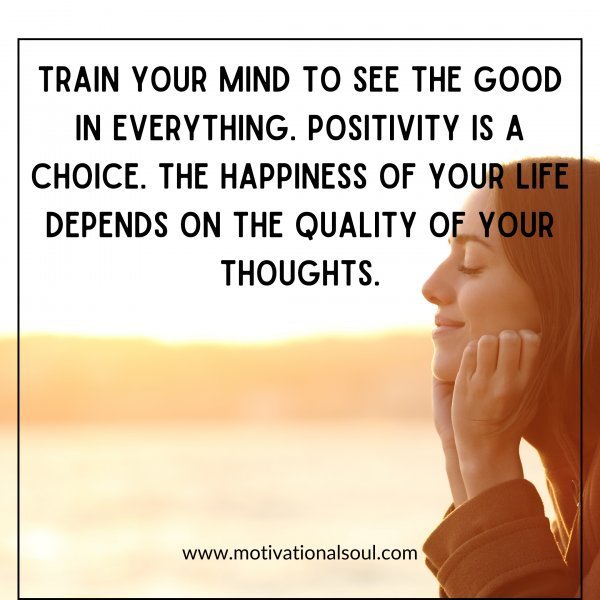
Quote: Train your mind to see the good in everything. Positivity is a choice
Train your mind to see the good in everything. Positivity is a choice. The happiness of your life depends on the quality of your thoughts.
-
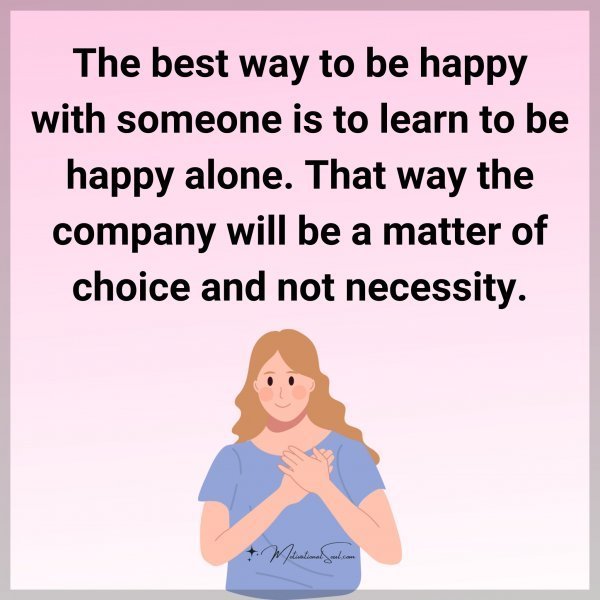
Quote: The best way to be happy with someone is to learn to be
The best way
to be happy with someone
is to learn to be happy alone.
That way the company
will be a matter of choice
and not necessity.