Category: Dreams

  • Empowering Real Women: Breaking Free from the Barbie Beauty Myth

    Empowering Real Women: Breaking Free from the Barbie Beauty Myth

    True beauty does not dwell in outward appearances but in how we uplift others.

    In our era, where the media frequently imposes unattainable standards of beauty, it’s vital to honor the real woman who cherishes her distinctiveness. She may carry a few extra pounds, a whimsical nose, the occasional blemish or scar, and the echoes of youthful mischief lingering in her raised eyebrow. She may not loom in stature, but she undoubtedly soars in spirit. What elevates her beyond the ordinary is not a synthetic vision of flawlessness but her rare fortitude.

    Embracing Imperfections Fuels the Real Woman’s Strength

    Real women, much like you and me, often carry the imprints of their journeys upon their skin. From stretch marks to scars, these so-called “flaws” embody resilience. They narrate tales of struggles endured and conquered. A real woman does not rely on airbrushing or Photoshop to appear flawless. She stands self-assured precisely because she refuses to chase a hopeless ideal of beauty.

    The Heart of a Real Woman: Where Her Beauty Blossoms

    A real woman’s beauty does not remain caged by mere outward looks. What genuinely distinguishes her is her empathy, warmth, and moral fortitude. Her allure is not mandated by makeup or filters, but by her deeds and the love she scatters throughout the world. Her heart radiates from within, illuminating her journey.

    The Power of Confidence: Beauty That Attracts

    Confidence is the real woman’s hidden key to unwavering beauty. It emanates from her, rendering her magnetically enchanting. She understands that genuine allure wells up from within, and that realization liberates her from hollow ideals of perfection.

    The Strength of Resilience: Battle-Tested Real Women

    Real women have grappled with adversity and conquered obstacles. They have endured heartbreak, despair, and defeat. These trials have tempered them, sharpening both their insight and resilience. Their triumphant narratives stand as vivid testaments to their authenticity.

    Breaking Stereotypes: Real Women’s Unique Fashion Sense

    Real women do not permit fashion to decree their value. They attire themselves in ways that mirror their identity, preferences, and ease. Rather than bowing to trends, they invent their own aesthetic, adopting a singular sense of style fit for their environment and calling.

    Real Women and Role Models: Inspiring Change

    Real women do not gaze upon synthetic dolls for motivation. Instead, they revere pioneers who have shattered barriers, stirred transformation, and etched their legacy upon the world. Their heroes are visionaries, activists, and women who have ignited uplifting change.

    Real Women: The Essence of Authenticity

    Real women embody genuineness. They never masquerade as anyone else, and they embolden others to follow suit. Their authenticity serves as a beacon for those longing to honor their true identities.

    Redefining Beauty Together: A Collective Effort

    Reconfiguring our notion of beauty cannot succeed as an isolated pursuit; it demands a shared commitment. It requires the participation of not only women but all corners of society. We must dismantle the restrictive storylines pushed by media and advertising. Exalting real women is, in truth, a tribute to diversity, self-affirmation, and empowerment.

    Conclusion: The Real Woman’s Beauty

    A real woman is no Barbie doll. She does not submit to contrived standards of beauty or a plastic rendition of flawlessness. Rather, she is intricate, distinctive, and sincere. She dismantles stereotypes, treasures her so-called flaws, and glows with an innate assurance. The real woman stands as a resilient, many-sided presence whose beauty and might transcend the surface. It is past time to shift our gaze away from unreachable ideals and toward the real women who enliven, embolden, and influence the world. Thus, we must applaud and esteem the real woman in her manifold brilliance, for she personifies genuine beauty.

  • Quote: Sensitive
people suffer more,
but they love more

    Quote: Sensitive people suffer more, but they love more

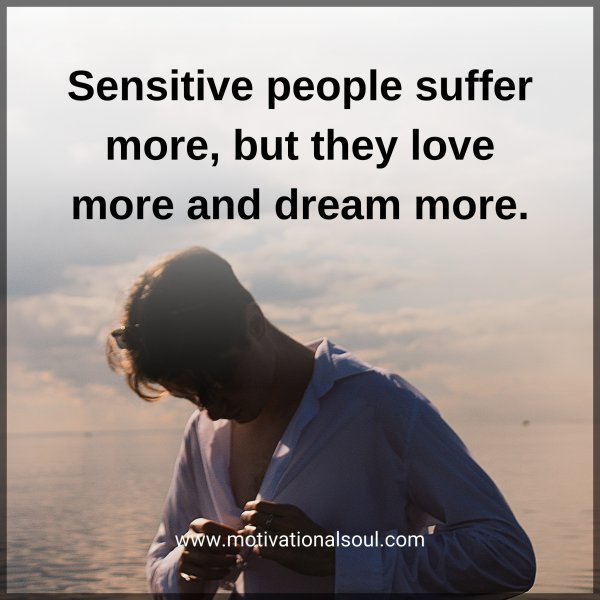
    Sensitive
    people suffer more,
    but they love more
    and dream more.

  • Quote: Learn how to:
Have fun without alcohol.
Talk without

    Quote: Learn how to: Have fun without alcohol. Talk without

    Learn how to:
    Have fun without alcohol.
    Talk without cellphones.
    Love without conditions.
    Dream without drugs.
    Smile without selfies.

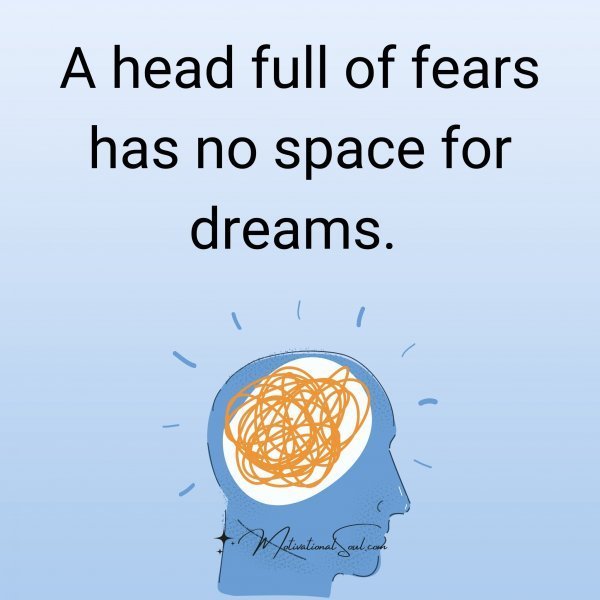
  • Quote: A head
full of fears
has no space
for dreams.

    Quote: A head full of fears has no space for dreams.

    A head
    full of fears
    has no space
    for dreams.

  • Quote: l think everybody should get rich and famous and do everything they

    Quote: l think everybody should get rich and famous and do everything they

    l think everybody should get rich and famous and do everything they ever dreamed of so they can see that it’s not the answer. – Jim Carry

  • Quote: Your dream doesn’t have an expiration date. Take a deep breath

    Quote: Your dream doesn’t have an expiration date. Take a deep breath

    Your dream doesn’t have an expiration date. Take a deep breath and try again.

  • Quote: I am thankful for
nights that turned
into mornings,

    Quote: I am thankful for nights that turned into mornings,

    I am thankful for
    nights that turned
    into mornings,
    friends that turned
    into family, and
    dreams that turned
    into reality.

  • Quote: Get your fire back.
It’s not over
until god

    Quote: Get your fire back. It’s not over until god

    Get your fire back.
    It’s not over
    until god
    says it’s over.
    Start dreaming again.
    Start pursing what
    god put in your heart.
    Amen.

  • Quote: Don’t be afraid to get back up again, to try again, to love

    Quote: Don’t be afraid to get back up again, to try again, to love

    Don’t be afraid to get back up again, to try again, to love again, and to dream again. Don’t let a hard lesson harden your heart. Type “Yes” if you agree.

  • 9 Types of Non-verbal Cues in Communication and How You Can Improve Them

    9 Types of Non-verbal Cues in Communication and How You Can Improve Them

    Many avenues exist to convey our thoughts without uttering a single syllable. Our body language—those subtle, unspoken signals—can communicate just as forcefully as our words. In fact, studies suggest that up to 93% of our communication may be rooted in nonverbal cues. By refining these cues, we can become more impactful and empathetic communicators. Below are nine forms of nonverbal communication, along with tips for honing each one.

    “Communication is not just about speaking, but about listening to the unspoken as well.”

    1. Eye Contact
      Eye contact is vital for building trust and forging connections. Whenever you’re in conversation, rest your gaze on the other person and allow a natural, calm look to take shape. A steady gaze shows respect, whereas avoidance can suggest discomfort or indifference.
    2. Facial Expressions
      Your face can whisper volumes without a single word. Ensure that your expressions align with the mood and energy of the interaction. A gentle smile can soothe tensions, while a deep frown may signal disinterest or defensiveness.
    3. Gestures
      Be mindful of how your hands and arms punctuate your statements. The right gestures can reinforce your message, but excessive or ambiguous gestures can muddle it. Aim for gestures that seamlessly mesh with your tone and intent.
    4. Posture
      Slumping or hunching can imply a lack of enthusiasm or respect. Elevate your spine, roll your shoulders back, and lean in slightly when conversing. This attentive stance projects genuine involvement and shows you value what’s being said.
    5. Personal Space
      Honor the other person’s comfort zone. Standing too near might be perceived as invasive, while standing too far can feel detached. Respect boundaries and watch for the other person’s cues about proximity.
    6. Touch
      When done kindly and with consent, touch can convey warmth and solidarity—be it a gentle handshake or a brief pat on the shoulder. These small gestures can establish reassurance and put people at ease.
    7. Paralanguage
      Pay close attention to vocal elements like pitch, pace, and volume. A clear, measured voice exudes confidence, while abrupt, wavering tones can signal anxiety or lack of conviction. Align your vocal quality with the essence of your message.
    8. Proxemics
      Consider the relational space between yourself and the individual you’re speaking with. Adjusting distance can encourage closeness or signal deference, depending on the context. A thoughtful choice of positioning often sets a friendly, respectful tone.
    9. Appearance
      Your choice of attire and grooming conveys messages about diligence and attention to detail. Dressing appropriately for an event or environment demonstrates respect and readiness to participate meaningfully.

    “Let ‘Be the reason someone smiles today’ guide the warmth in your gaze and posture.”

    Being conscious of these nonverbal signals enables stronger connections and opens lines of understanding. Even slight adjustments in your everyday interactions can greatly enhance how you relate to others. If you want to practice, use a mirror or enlist a trusted friend to observe and give feedback on your posture, gestures, and expressions. Over time, small changes in awareness grow into big strides in empathetic communication.

    Nonverbal communication comprises messages transmitted through expressions, body language, vocal tone, and physical cues.

    Below are twenty insights into why nonverbal cues are so valuable:

    1. They can convey emotions words often fail to capture.
    2. They help establish a meaningful link between individuals.
    3. They provide vital context when expressing feelings.
    4. They can unveil a person’s genuine intentions.
    5. They cultivate trust and rapport in relationships.
    6. They offer real-time feedback about how well a message is received.
    7. They create a sense of mutual understanding.
    8. They reflect empathy and compassion.
    9. They help defuse conflicts and alleviate misunderstandings.
    10. They are indispensable in bridging cultural differences.
    11. They reinforce and underscore verbal statements.
    12. They help regulate conversational flow.
    13. They hint at a person’s confidence level.
    14. They indicate whether someone intends to dominate or yield.
    15. They show how engaged or curious a person might be.
    16. They can signal respect or irreverence.
    17. They shape a positive or negative first impression.
    18. They can silently establish authority or expertise.
    19. They steer the decision-making process.
    20. They serve as a gentle cue that a conversation or meeting is winding down.

    “People whose first instinct is to smile when they make eye contact with you are among life’s treasures—guard that kindness.”

    By sharpening your command of nonverbal cues, you can develop a more persuasive and supportive presence, forging healthier, deeper bonds with those around you.

    Below are ten practical tips to guide you:

    1. Pay attention to your body language:
      Notice whether you’re sending unintentional messages through slouching shoulders or a tense jaw.
    2. Maintain eye contact:
      This is a quiet but robust way to show genuine curiosity about the other person’s perspective.
    3. Practice active listening:
      Subtle nods, a gentle tilt forward, and matching facial expressions let the speaker sense your engagement.
    4. Use expressions that fit the moment:
      Whether it’s a slight smile or a sympathetic brow, let your face echo the feeling behind the words.
    5. Mirror the other person’s posture:
      Subtle imitation fosters rapport and signals that you’re in tune with their emotional energy.

    “Confidence is silent—it manifests in how you stand, how you look, and how you listen.”

    1. Be mindful of tone:
      A calm, balanced voice projects clarity and fosters trust in your message.
    2. Uncross arms and legs:
      This opens your presence and invites collaboration rather than guarding you from it.
    3. Use purposeful hand gestures:
      Well-placed gestures amplify your points, but keep them measured to avoid confusion.
    4. Respect personal boundaries:
      Observe the other person’s comfort radius and adapt accordingly.
    5. Hone your skills with mirrors or friends:
      This helps pinpoint areas for improvement—maybe your facial expression looks harsher than you feel, or your shoulders slump when you relax.

    “Your body often speaks louder than your words—so make sure both are telling the same inspiring story.”

    Mastering nonverbal communication paves the way for deeper empathy and richer relationships. As you incorporate these techniques into daily life, you’ll discover a world of subtlety and clarity that transforms how you connect with others. Ultimately, our gestures, posture, and expressions can do more than fill a silent pause—they can weave trust, warmth, and genuine human understanding into every conversation.