The wonderful
thing about practicing
gratitude, is it shifts
your focus, to the point
where you begin to ‘see’
things that you may
have missed before.
It affords you every
reason to scan the
world around you,
all the while delivering
little reminders of
how precious this
life truly is.
– Kristin Granger
Tag: Anxiety
-
Quote: The wonderful thing about practicing gratitude, is it
-
Quote: You can tell how dangerous a person is by the way they hold their
You can tell how dangerous a person is by the way they hold their anger inside themselves quietly.
-

Quote: Only trust someone who can see these three things in you
Only trust someone
who can see these
three things in you:
The sorrow behind
your smile, the love
behind your anger,
and the reason behind
your silence. -

How I Manage My Anxiety at Work
It’s 8:00 a.m., and your heart thunders in your chest as you step into the office. Your palms turn clammy, your fingertips tremble, and each breath weighs on your ribs like a barbell. You’re not completely sure what’s happening, but you can identify the unmistakable foreboding: you’ve been snared in a panic attack. If this moment resonates all too clearly, take heart—you’re not alone. According to the National Institute of Mental Health, anxiety disorders stand as the most common mental health issues in the United States, touching roughly 40 million adults. While there isn’t a one-size-fits-all remedy for anxiety, numerous strategies may help ease the burden.
What Is Workplace Anxiety?
Workplace anxiety flares up when worry, fear, or apprehension surge in response to your job responsibilities or work environment. It can be ignited by practically anything—job insecurity, crushing workloads, ruthless deadlines, or the relentless undertow of office politics—and it often settles in like an uninvited guest. For many, it’s not a passing wave; it can feel relentless and challenging to manage.Symptoms of Workplace Anxiety
Workplace anxiety can announce itself in both subtle and jolting ways, and these signs may erode your ability to meet your professional obligations. You might experience:• Feeling overwhelmed or buried by tasks
• Sidestepping certain duties or interactions
• Delaying or repeatedly putting off projects
• Grappling to maintain focus
• Feeling irritable or perpetually on edge
• Muscle tension
• Headaches
• Sweating
• Racing heartbeat
• Restless or broken sleepWhat Causes Workplace Anxiety?
A wide range of triggers can unleash workplace anxiety. Common culprits include:• Worries about job security or career prospects
• Mounting workloads or impossible deadlines
• Strains with co-workers or political undercurrents in the office
• Perfectionistic streaks or persistent self-doubt
• Fear of disappointing others or failing to reach expectationsTips for Coping With Workplace Anxiety
If workplace anxiety has you in its grip, remember that you have more choices than you might realize. Experimenting with various tactics can help you find relief. Below are a few possibilities:Speak to Your Manager
When anxiety starts to creep in, opening up to your manager can make a significant difference. They might pinpoint the root of your worries and propose a new arrangement to reduce the load. If a certain task is weighing you down, for example, your manager could assign it elsewhere or adjust your responsibilities. By shining a light on your challenges, you and your manager can work jointly on a plan to alleviate them.Tell a Co-Worker
Everyone wrestles with anxiety at one time or another, and the workplace is no exception. Mild tension can sometimes fuel productivity, but overpowering anxiety can stall it. If you sense an oncoming rush of dread, consider confiding in a trusted teammate. Simply articulating your fears can release some of the stress, and your colleague may have ideas or perspectives to help you navigate the situation. Being candid about your worries fosters mutual understanding and shared support in the office.Work Within Your Limits
Acknowledging your mental and physical boundaries is crucial. Rather than pushing yourself beyond what you can handle, prioritize the tasks that demand your attention. If you feel cornered, allow yourself a brief reprieve—take a few steadying breaths or step outside for a brisk walk. Breaking down bigger assignments into more manageable pieces can also sharpen your concentration. Whether it’s:• Enlisting help
• Politely declining extra projects
• Scheduling short pauses when the pressure mounts
• Protecting your well-beingEach of these steps can guide you toward handling workplace anxiety with greater compassion for yourself.
Use Quick Coping Techniques
When anxiety surges unexpectedly, on-the-spot measures can help restore some calm:• Control your breathing: Slowly inhale and exhale, noticing the subtle rise and fall in your lungs.
• Envision a peaceful scene: Shut your eyes and immerse yourself in a soothing mental image—perhaps a hushed forest or a gentle shoreline.
• Practice progressive muscle relaxation: Tense and release your muscles one group at a time, moving from your feet to your head.
• Take a mindfulness break: Tune in to your immediate surroundings, letting thoughts pass by without clinging to them.These swift, focused techniques can dial back your anxiety to a more manageable level.
Keep a Journal
Another tool to consider is maintaining a journal of your experiences. Record your emotions, concerns, and any recurring patterns. Note the events or thoughts that spark your anxiety, so you can detect familiar triggers. Putting them into words can give you clarity and spark fresh ideas for coping. Over time, your journal can become a personal roadmap, allowing you to better understand—and address—the roots of your unease.Practice Good Health Habits
Building strong health practices offers a vital defense against workplace anxiety. That includes fueling yourself with balanced meals, staying physically active, and ensuring you get restorative sleep each night. Taking care of your body creates a solid base for mental wellness, making it easier to withstand workplace demands. Adding meditation or focused breathing exercises to your routine can also keep stress in check before it gains momentum. By safeguarding both body and mind, you’ll be better equipped to adapt to the daily strains of the job.Seek Professional Help
If workplace anxiety continues to overpower you, consider reaching out to a mental health professional. A therapist can help you craft a personalized plan to manage your particular triggers. Therapy also provides a confidential space where you can develop coping strategies and receive ongoing support. If you decide to seek professional help, try to:• Find a therapist experienced in anxiety disorders
• Choose someone with whom you feel comfortable being honest
• Offer a clear picture of your symptoms and how they affect your day-to-day lifeLooking for professional input can be a valuable step toward reclaiming a sense of agency over your anxiety.
Be Mindful of Your Thoughts
A key element in handling anxiety is learning to spot and reshape your internal monologue. Negative or self-defeating thoughts can fuel anxiety, so try swapping them for more gentle, grounded statements. For instance, change “I’ll never manage this” to “I can meet this challenge.” When damaging or false beliefs bubble up—like “I’m not capable enough”—counter them with a reminder of your genuine strengths and past wins. By keeping tabs on your mindset, you can diminish the clutches of anxiety and cultivate a more balanced outlook.Conclusion
These techniques act as stepping stones on your path to alleviating workplace anxiety. Always remember you don’t have to tackle these worries alone—there are countless resources and allies ready to help. Though anxiety can feel like a constant shadow in your professional life, steady and deliberate efforts can gradually reveal healthier, more effective ways of coping. By trying out different strategies and reaching out for support when you need it, you can begin to tame workplace anxiety and carve a more peaceful way forward in your career. -

Are you trapped in a spiritual jail?
Are you struggling with your mental health? Feeling like you’re trapped in a spiritual jail? You’re not alone. In this post, we’ll explore some of the common problems people face when dealing with their mental health, and how to get help.
A spiritual jail is any belief system that limits your understanding of yourself, your potential, or the world around you. It can be a religion, a philosophy, or even a self-imposed set of beliefs. The key indicator that you’re in a spiritual jail is a sense of stagnation or dissatisfaction with your current situation. If you’re struggling with faith or doubt, if you feel like you’re not growing or evolving, it’s time to explore other options. The good news is, there are many paths to spirituality, and you can choose the one that best suits your needs. So don’t be afraid to step outside your comfort zone and explore the many possibilities that are out there. Your soul will thank you for it.
If you experience any of the following, it may be a sign that you are spiritually imprisoned:
1. Harboring resentment towards the past.
Harboring resentment toward the past can be a difficult barrier to spiritual growth. It is important to forgive your part in the event and release any resentment you may have to free yourself from solitary confinement. By forgiving, you are breaking out of your cell and fleeing from the past. This will allow you to move on and grow spiritually.
The lack of forgiveness is one of the most difficult barriers to spiritual growth. Everything we experience is recorded in our memories. You pass days without knowing what’s being built or retained within cellular memory banks. You’re caught off guard when you step on a past thorn, and the anguish, abuse, belittling, and self-esteem concerns come rushing back. You don’t let go of it. Every part of your soul bears with you terrible experiences of suffering.
Forgiveness is never for the other person. You must break out of your cell and flee from solitary confinement by yourself. By forgiving your part in the event and releasing any resentment you may free the lock.

Don’t judge me by my past. I don’t live there anymore. 2. Remaining in depression for prolonged periods without treatment.
Depression can be defined as a prolonged period of sadness and despair that can interfere with an individual’s daily life. It is important to seek treatment for depression as soon as possible, as it can lead to serious consequences if left untreated. Some of the symptoms of depression include loss of interest in activities, fatigue, changes in appetite, sleep disturbances, and feelings of hopelessness or worthlessness. If you are experiencing any of these symptoms, it is important to seek professional help.
There are many effective treatments available for depression, so there is no need to suffer. Remember, you are not alone; help is available. Seek treatment today and start living the life you deserve.

Instead of looking at what’s depressing. Look at what’s a blessing. -Kristen Butler 3. Not being your true self.
We are always attempting to love others, waiting for someone else to appreciate us, but it begins with ourselves. No one else will ever see your value if you don’t recognize it. It’s sometimes tough to tell what’s right and wrong in spirituality. What’s the distinction? Because who we are as spiritual beings do not match society’s expectations of us, we live behind the walls of self-doubt. In certain situations, it isn’t necessary to be brave.
It’s all about being aware of your survival. We are spiritual beings having human experiences. This implies we must accept the reality of who we are and why we exist.

Be true to yourself. 4. Getting trapped in an unhealthy connection.
When we’re in an unhealthy relationship, it can feel like we’re stuck in quicksand. The more we try to struggle free, the deeper we sink. And the longer we stay, the harder it becomes to leave. But just like quicksand, the key to escaping an unhealthy relationship is to remain calm and take deliberate, small steps forward. Trying to force our way out will only make things worse. Instead, we need to take a step back and assess the situation.
What are the main problems? What are our options? And most importantly, what is best for our mental, emotional, and spiritual health? Once we’ve answered these questions, it will be much easier to decide whether or not to stay in the relationship. And even if leaving feels impossible, remember that taking small steps forward is always better than staying trapped in place.

Sometimes you just need to disconnect and enjoy your own company. 5. Addictions to television, pornography, and social media.
It is important to practice quiet time to reflect and meditate. The temptations of over-exposing the soul to computers, television, or technological habits are persistent. Finding a common ground for disconnection and breathing is difficult. We live in a three-dimensional world, yet spirituality isn’t three-dimensional. It’s necessary to transcend superficial conversation to cultivate spiritual awareness.
We’re addicted to our thoughts already; addiction is the imprisonment of the soul’s desire for peace, connection, and spirit. Allowing too much noise into our lives from gadgets, social media, or other sources can lead to an imbalance that disturbs our connection with the present moment and our intuition. It becomes difficult to hear the soft voice of God when we have so much static in our minds. Regular breaks throughout the day for silence will help alleviate some of the negative effects of technology addiction and give us a chance to connect with ourselves and the world around us more deeply.
Social media is training 6. Using your talents but not following your dream.
A life devoid of enjoyment and play is the kiss of death to anyone with spiritual inclinations. We are each meant to live out our purposes. Spiritual growth necessitates that we reflect on what we’re passionate about and the gifts we have to share with others. If you love writing, take active steps towards making it a part of your life in a more professional capacity. If playing an instrument brings you joy, find opportunities to perform for others regularly. When following things that make us happy aligns with using our strengths, financial success often follows as well. Living out our dreams shouldn’t be viewed as optional—it’s something we’re meant to do!
You have all the answers to your spiritual questions. You are equipped with spiritual knowledge to transform, nourish, and improve your life through divine assistance. You are the entire package. Then let go of what isn’t working through your spiritual links.

Follow your dreams or you’ll spend the rest of your life working for someone who did. Feeling stuck?
Are you feeling spiritually stuck? If so, you may be trapped in a spiritual jail. A spiritual jail is any belief system that limits your understanding of yourself, your potential, or the world around you. The key indicator that you’re in a spiritual jail is a sense of stagnation or dissatisfaction with your current situation. If you’re struggling with faith or doubt, if you feel like you’re not growing or evolving, it’s time to explore other options. The good news is, there are many paths to spirituality, and you can choose the one that best suits your needs. So don’t be afraid to step outside your comfort zone and explore the many possibilities that are out there. Thanks for reading!
-

How to Deal with Anxiety and Stress?
Anxiety and stress are two common experiences that everyone faces at some point in their lives. While for some people these experiences may be occasional, for others they can be ongoing and interfere with daily life. If you’re struggling with anxiety or stress, there is help available. In this post, we’ll discuss some strategies for managing anxiety and stress.
For different people, anxiety and stress can manifest in a variety of ways. Some common signs of anxiety and stress include feeling tense or on edge, difficulty sleeping, feeling irritable or easily angered, racing thoughts, or a constant sense of worry. If you’re having one of these issues, it’s critical to seek expert help.
There are many effective treatments for anxiety and stress. Some people find it helpful to talk to a therapist or counselor who can provide support and guidance. Others may benefit from medication, which can help to reduce symptoms of anxiety and stress. There are also lifestyle changes that can be helpful in managing anxiety and stress, such as exercise, relaxation techniques, and healthy eating.
If you’re struggling with anxiety or stress, know that you are not alone and there is help available. Anxiety and stress are treatable conditions, and with the right help, you can start to feel better.
Ways to de-stress and relax quickly
Certain methods can help you reduce anxiety if you have it regularly or become anxious suddenly.
Experiment with different breathing techniques.
Hyperventilation can cause anxiety-related physical symptoms. This is when your breathing speed increases and your body absorbs too much oxygen, lowering the carbon dioxide level in your blood. Your body needs a specific amount of carbon dioxide to regulate its response to stress and panic.
Take a four-second deep breath when you’re finished. Exhale for as long as you inhale. Take a four-second deep breath after that. Then exhale for six seconds before taking your next breath.
Experiment with muscle relaxation techniques
The ‘body scan’ technique helps you focus on your body and relax any tension you may be feeling.
Exhale fully and tighten your facial muscles, closing your eyes tightly. For five seconds, clench your jaw and tensed up your face. Relax your muscles gradually over the time it takes to count to ten before taking a deep breath. Say relax as you work down your body beginning with your neck and shoulders and ending with your feet.’
Concentrate on the present
Anxiety and stress can often feel crippling, making it hard to focus on anything else. A big part of what makes anxiety so difficult is that it’s often accompanied by dwelling on past events or worrying about the future. If you can learn to focus your attention on the present moment, it can help you feel more relaxed. The present moment is the only time you have any control over, so worrying about things that have already happened or may never happen is a waste of time and energy. Learning to live in the present moment can be difficult, but it’s worth it if it means having a more peaceful and stress-free life.
Take a breather
When it comes to managing stress and anxiety, one of the best things you can do is take regular breaks. Just a few minutes of downtime can make a big difference in how you feel mentally and physically. If possible, schedule a break at regular intervals throughout the day. During your break, you can do some light stretching or deep breathing exercises to relax your body and mind. Getting some fresh air can also help to improve your mood and lower your stress levels. Taking a few minutes for yourself each day can go a long way in maintaining your mental health.
Discuss your feelings with someone you trust
Anxiety and stress can feel debilitating at times. It can be hard to see a way out when you’re in the throes of it. But one of the best things you can do is talk to someone about it. It may seem counterintuitive to open up about your anxieties and stresses, but it can actually be really helpful. When you vocalize your fears, they can start to feel less real and more manageable. And the act of talking through your problems with someone can help to put them into perspective. It’s important to choose someone you trust and feel comfortable confiding in. And it can be helpful to plan what you want to say beforehand. But once you take the plunge, you may be surprised at how much better you feel. Talking about your problems is a key step in managing them and taking back control of your life.
Long-term stress and anxiety management strategies
Anxiety is a common mental health condition that can have a profound impact on your daily life. If you suffer from anxiety, you may find it difficult to concentrate at work or school, socialize with friends, or even leave the house. While breathing techniques and other short-term solutions can occasionally offer some relief, it is essential that people who experience anxiety find a long-term solution that treats the root of the problem. Anxiety disorders often require treatment from a qualified professional. If you suffer from anxiety, consider speaking with your doctor or a mental health professional to devise an individualized plan. Treatment for anxiety can take many forms, but often includes talk therapy, medication, or a combination of both. With the help of a professional, you can develop healthy coping mechanisms and begin to live an anxiety-free life.
Maintain a ‘thought journal,’ and challenge any negative thinking
Anxiety and stress can feel like they’re taking over your life. Your heart races, your mind won’t stop racing, and you can’t focus on anything else. It’s impossible to relax. But what if there was a way to ease your mind and lower your stress, without having to take medication or see a therapist? Writing can do just that. The next time you’re feeling anxious, try pulling out a journal or opening a notes app on your phone and simply write down whatever is on your mind. It’s like unloading all of your worries into the page instead of letting them swirl around in your head. You may find that after you’ve finished writing, you feel calmer and more in control. It’s not a cure-all, but it can certainly help to take the edge off of anxiety and stress. So next time you’re feeling overwhelmed, pick up a pen and give it a try.
Determine your triggers
There are many ways to identify your triggers, with or without professional help. Just being aware of what sets off your anxiety can be helpful in and of itself. Some common triggers include:
- Caffeine, alcohol, or drugs
- A stressful work, home, or school environment driving or traveling medication withdrawal, or side effects.
- Health problems or concerns
- Erratic eating patterns – skipping a meal can cause your blood sugar to drop, making you feel jittery and anxious.
Knowing your triggers does not imply avoiding them
If the cause of your stress is time-sensitive, such as a job-related project, take steps to manage it accordingly. If you can’t change the source of your anxiety, try building resilience so that you’re better equipped to handle it. Lastly, some stressors are unavoidable – in these cases, find ways to cope that work best for you.
Avoid using drugs, alcohol, or stimulants
Stimulants are drugs that ‘excite’ your nervous system, making it work faster and harder. Unfortunately, stimulants can also make anxiety symptoms worse, so avoiding them is often a good idea for people with anxiety disorders. Some of the most common stimulants include:
Caffeine (from coffee and tea), nicotine (found in cigarettes, chews, and vape pens), and drugs such as cocaine.
When you’re nervous, alcohol and drugs in general should be avoided. If you use drugs or alcohol to alleviate stress or relax, you may become hooked on them and feel worse in the end.
Include relaxation and self-care in your daily routine
Many individuals would find themselves restless owing to a packed schedule. Make time each day to do something you like, whether it’s a hobby, watching a Netflix program, or catching up on old times with a friend. It may also be useful to plan the task for the future so that you are not aware of any opportunities lost.
Move more, eat better, and sleep more
Everyone knows that being physically active can help reduce stress and anxiety while promoting a better mood. Luckily, you don’t have to train for a triathlon to get these benefits–just 30 minutes of exercise each day will do the trick!
Diet and sleep are also critical to your overall well-being
A balanced diet will make you feel better, healthier, and more capable of dealing with stress while getting enough sleep will improve your mood and anxiety levels.
Confront your fears
Avoiding situations that make you anxious may result in you missing out on things you want or need to do. It may sound strange, but confronting your anxiety-provoking factors might help you feel less nervous.
To slowly get a feel for the situation and to work on your fears, begin with small steps that you can consider “acts of bravery.”
It’s best to do this with the assistance of a professional (such as a counselor or psychologist) so that it doesn’t become too intense for you.
If you’re feeling overwhelmed by anxiety, talk to a professional. If your anxiety is making it difficult for you to function in day-to-day life, it’s important to seek professional help. A therapist can assist you in exploring the root of your anxiety and developing healthy coping mechanisms. medication may also be recommended in some cases.
Anxiety and stress are treatable!
Managing anxiety and stress can be a challenge, but it’s important to seek help if these experiences are impacting your daily life. If you’re looking for more information or want to talk to someone about managing anxiety and stress, please read our blog for more helpful tips.
-

Quote: GOOD LOOKS ARE DANGEROUS. INTELLIGENCE IS LETHAL.
GOOD LOOKS ARE DANGEROUS.
INTELLIGENCE IS LETHAL. -

Quote: Damaged people are more dangerous because they know how to make hell
Damaged people are more dangerous because they know how to make hell feel like home.
-
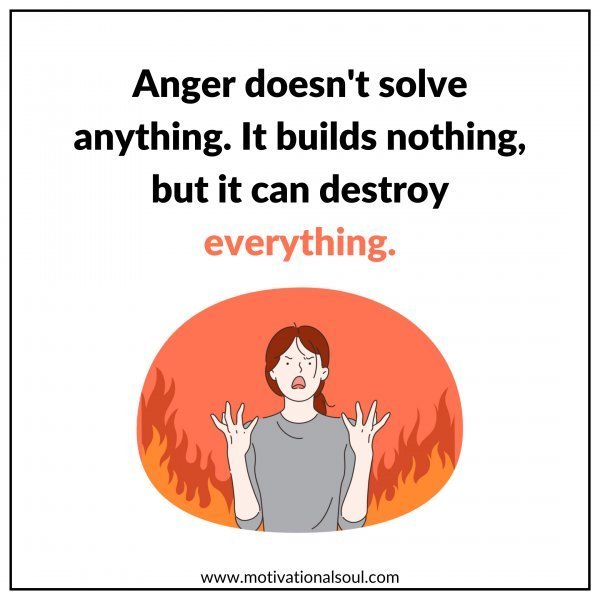
Quote: Anger doesn’t solve anything. It builds
Anger
doesn’t solve
anything.
It builds nothing,
but it can destroy
everything. -
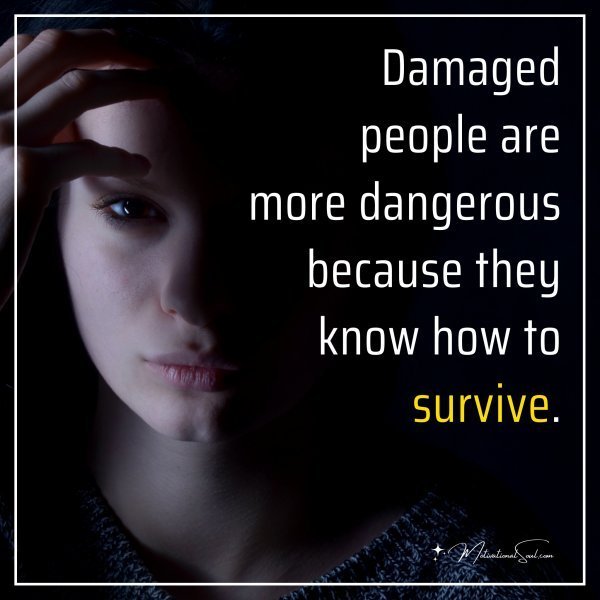
Quote: Damaged people are more dangerous because they know how to survive.
Damaged people are more dangerous because they know how to survive.