Tag: Healing

  • Tips to Help You Maintain Balance in Life: Strategies for a Stressed Out World

    Tips to Help You Maintain Balance in Life: Strategies for a Stressed Out World

    It’s no secret that life is stressful.It’s easy to get bogged down by work, family, and social obligations leaving little time for personal care. But maintaining balance in your life is essential for your physical and mental health. In this blog post, we will discuss some tips to help you achieve balance and reduce stress. Follow these simple strategies, and you will be on your way to a more relaxed and balanced lifestyle!

    Maintaining Balance Can be Messy

    The overall balance in our lives is the key to success, but sometimes we get overloaded. In these cases, it’s necessary to pare down what we have so that we can focus on what’s important. However, if paring down isn’t possible right away, don’t worry! You can gradually work toward greater balance in the future.

    For example, try to balance on one foot. Do you find yourself leaning in one direction and, in order not to fall, must right yourself by leaning in the opposite direction? The same is true for our lives. There will be times when we are pulled in different directions and we have to make adjustments in order to maintain balance.

    It’s important to remember that balance is not a static state; it is constantly changing and requires effort to maintain. But the good news is, there are some things you can do to help find and maintain balance in your life.

    Are You Living a Life That is in Balance?

    • You’re always tired
    • You have no time for yourself
    • You’re skipping meals or eating unhealthy foods
    • You’re not exercising
    • You’re not spending time with loved ones
    • You’re constantly stressed

    If you find yourself experiencing any of these symptoms, it’s a good indication that your life is off-balance. But don’t worry, there are steps you can take to get back on track.

    Tips for Maintaining Balance in Your Life

    Take a Break

    One of the most important things you can do for your mental and physical health is to take a break. With the demands of work, family, and social obligations, it can be difficult to find time for yourself. However, making even a small amount of time each day to relax and rejuvenate can make a big difference in your overall well-being.

    Taking a break doesn’t have to mean going on vacation; simply setting aside 15-20 minutes each day to read, take a walk, or just sit quietly can refresh your mind and body. By taking some time each day to recharge, you’ll be better able to handle whatever life throws your way.

    Just Say No

    As anyone who has ever tried to juggle multiple tasks knows, it is all too easy to feel like you are constantly on the verge of burning out. To maintain a healthy balance in your life, it is important to learn to say no. It may seem counterintuitive, but by taking on less, you will actually have more time and energy to devote to the things that are truly important to you.

    Of course, this does not mean that you should say no to every opportunity that comes your way. But it is important to be selective about the commitments you make and to set boundaries in order to protect your time and energy. When you learn to say no, you will find that you have more time for the things you love and that you are better able to meet your obligations without feeling overwhelmed. As a result, you will be happier and more balanced.

    Disconnect to Reconnect

    In our increasingly connected world, it is easy to feel like we are always available. Whether we are checking our email, scrolling through social media, or answering work calls, it seems like there is always something pulling our attention. While staying connected can be helpful in some ways, it can also lead to feelings of anxiety and overwhelm. To achieve balance in your life, it is important to disconnect from technology and spend time connecting with the people and things that are most important to you.

    Turn off your phone, put away your laptop, and take some time to enjoy the company of loved ones, get lost in a good book, or simply be present at the moment. By disconnecting from technology, you will be able to focus on the things that truly matter and recharge your batteries.

    Set Boundaries

    One of the most important things you can do for your mental and emotional health is to set boundaries. Whether it’s setting limits on how much time you spend on work, or setting aside time each day for yourself, it’s important to make sure you aren’t overextending yourself. When you have healthy boundaries, you are more likely to maintain balance in your life. You’ll have more time and energy for the things that are truly important to you, and you’ll be less stressed overall. So if you feel like you’re constantly running on empty, take a step back and reassess your priorities. Then start setting some boundaries. You’ll be glad you did.

    Ask for Help When Needed

    It can be easy to feel like you have to do everything on your own, but one important tip for maintaining balance in your life is to ask for help when you need it. Whether it’s a friend, family member, or professional, there are people who can and want to help you.

    Asking for help shows that you are willing to admit when you need assistance and that you are not afraid to reach out to others. It can also be a sign of strength, not weakness. Asking for help can lead to improved mental and physical health, better relationships, and more balanced life.

    Manage Stress Levels

    We all experience stress in our lives, but it’s important to manage our stress levels so that we can maintain a healthy balance. When we’re feeling overwhelmed or stressed, our body releases the hormone cortisol, which can lead to anxiety, insomnia, and weight gain. By managing our stress levels, we can improve our overall health and well-being.

    Some effective steps include:

    • Taking breaks throughout the day
    • Putting away electronics an hour before bed
    • Practicing meditation or deep breathing
    • Exercising regularly
    • Eating a healthy diet

    Concentrate on What You’re Doing Now

    One of the best pieces of advice for maintaining balance in your life is to concentrate on what you’re doing now. This doesn’t mean that you should never plan for the future or reflect on the past, but it does mean that you shouldn’t let those things dominate your present thoughts and actions. If you’re constantly worrying about what might happen or what could have been, you’ll miss out on the joy of living in the present moment. Instead, focus on what’s happening right now and make the most of it. Enjoy your friends, family, and hobbies, and savor the good moments as they happen. By living in the moment, you’ll be able to create a more balanced and enjoyable life.

    Make Sensible Judgments

    Too often we make choices in life without careful consideration of the consequences. We choose what we want at the moment without a thought about how it will impact our future. This can lead to a spiral of unhealthy choices that throws our lives off balance. If we want to maintain balance in our lives, it is essential that we learn to make sensible judgments. We need to take the time to weigh our options and choose the course of action that is most likely to lead to a positive outcome. When we make choices from a place of wisdom and understanding, we are more likely to create balance in our lives and achieve our goals.

    Understand Your Thresholds

    We all have different thresholds for the amount of stress, work, social interaction, and downtime that we can handle before feeling overwhelmed. For some of us, working long hours comes easily and we feel energized by being around people. Others of us prefer a more relaxed pace and need more time alone to recharge. It’s important to understand your own thresholds in order to maintain a healthy balance in your life. If you’re not sure where your thresholds lie, pay attention to how you feel after different activities.

    Do you feel refreshed or exhausted after a night out with your friends? Do you prefer to work alone or as part of a team? Answering these questions can help you get a better sense of the types of activities that help you feel your best. Once you know your thresholds, you can make sure to include plenty of the things that make you feel good and limit the things that leave you feeling stressed or overwhelmed. By understanding and respecting your own needs, you can create a life that feels both balanced and fulfilling.

    Set Goals

    Having specific goals gives you something to work towards, and it can help to prevent you from feeling overwhelmed by the day-to-day tasks of life. When setting goals, it is important to be realistic and to set a variety of goals that cover different areas of your life. For example, you might set a goal to exercise three times per week, eat more vegetables, and spend more time with family and friends.

    By having a mix of goals, you are more likely to stick with them and feel well-rounded and balanced. Additionally, it is important to review your goals regularly and adjust them as needed. Goals should be dynamic and adaptable to life’s ever-changing circumstances.
    StresS

    Finding a Balance for Everyone’s Individual Requirements

    Teenagers:

    During the teenage years, it is important to find a balance between schoolwork and free time. Too much focus on one area can lead to feelings of frustration and overwhelm. Instead, try to create a schedule that includes time for both academics and fun. Make sure to include plenty of breaks in your day so that you can relax and recharge. Additionally, it is important to spend time with both friends and family. Friends can provide support and understanding, while family can offer guidance and wisdom. By finding a balance between these different areas of your life, you can create a more balanced and enjoyable experience.

    Adults:

    As we get older, it becomes more important to find a balance between work and personal time. If we spend too much time working, we can miss out on important aspects of our lives. On the other hand, if we spend too much time focusing on our personal lives, we can fall behind at work. Try to find a schedule that allows you adequate time for both works and play. Additionally,

    It’s no secret that the world is a stressful place.

    With work, family, and social obligations, it can be difficult to find time for yourself. But maintaining balance in your life is essential for your physical and mental health. In this blog post, we will discuss some tips to help you achieve balance and reduce stress. Follow these simple strategies, and you will be on your way to a more relaxed and balanced lifestyle!

    Older adults:

    For older adults, it is important to find a balance between alone time and social interaction. Too much time spent alone can lead to feelings of loneliness and isolation, while too much time spent with others can be draining. Instead, try to find a happy medium that allows you adequate time for both solo activities and socializing. Additionally, it is important to find a balance between work and leisure. Too much work can lead to burnout, while too much leisure can leave you feeling unfulfilled. Try to find a schedule that allows you time for both so that you can stay productive and enjoy your free time.

    Care for Your Physical Health

    It is important to remember that your physical health plays a role in your overall sense of balance. When you are physically healthy, you have more energy and feel better mentally. Conversely, when you are not feeling well, it can be difficult to focus on anything else. Make sure to schedule regular check-ups with your doctor and take care of yourself when you are feeling under the weather. Additionally, exercise is a great way to reduce stress and improve your physical health. Try to find an activity that you enjoy and make time for it in your schedule. Even a simple walk around the block can do wonders for your mental state!

    By following these simple tips, you can maintain balance in your life and reduce stress. Remember to take things one day at a time and focus on your goals. With a little effort, you can create a more balanced and enjoyable life for yourself!

    Stress
  • How to Find Clarity and Direction During Times of Stress and Transition

    How to Find Clarity and Direction During Times of Stress and Transition

    Life can be unpredictable. One minute, everything is going great and the next minute you find yourself in the middle of a stressful situation. When life feels out of control, it can be tough to know how to cope. In this blog post, we will discuss some tips for dealing with stressful situations.

    Why Staying in Control is Important?

    Maintaining control is essential in all aspects of life. Whether it’s controlling your emotions or your actions, remaining in control is key to ensuring that you stay on track and achieve your goals. When you lose control, it’s easy to become overwhelmed and make poor decisions that can lead to negative consequences. For example, if you allow your anger to get the best of you, you may say or do something that you later regret. Or, if you’re trying to save money, but you lose control of your spending, you may find yourself in debt. Staying in control requires self-discipline and focus, but it’s worth the effort because it helps you stay on the path to success.

    Why Do You Feel Your Life Is Out of Control?

    One of the first steps to take when you are feeling stressed is to ask yourself why you feel this way. What is it about the current situation that is making you feel out of control? Once you have identified the cause of your stress, you can begin to look for ways to address it. There are several reasons why life may seem out of control, but the following are a few:

    Stress

    At some point in our lives, most of us feel like our lives are spiraling out of control. We’re juggling too many balls, and something is bound to drop eventually. Stressors like work, family, and personal relationships can all contribute to a sense of feeling overwhelmed. When we’re constantly trying to keep up with the demands of daily life, it’s easy to lose sight of what’s truly important to us. This can cause feelings of anxiety and dissatisfaction.

    Health Issues

    Health issues can often lead to a feeling of being out of control. For example, if you are struggling with a chronic illness, you may feel like you are constantly fighting an uphill battle. You may feel like you have to give up things that you enjoy, to stay healthy, and that can be frustrating. In addition, Health care costs can be a major financial burden, and that can also lead to feelings of powerlessness.

    Lack of Support

    One reason is the lack of support. When you don’t have people to lean on, it can be hard to see a way out of a difficult situation.

    It can be tough when you feel like you’re stuck in a rut and things seem to be spiraling out of control. It’s easy to feel like you’re alone in this, but the truth is that many people have experienced similar feelings at some point in their lives.

    Bad Relationships

    The most common reason people feel their life is out of control is because of a bad relationship. This can be with a significant other, family member, or friend. The relationship is typically unhealthy and/or abusive in some way. It might be emotionally, mentally, or physically abusive. The person in the relationship might feel like they can’t do anything right or that they’re constantly walking on eggshells. As a result, they may start to feel trapped and hopeless.

    Work

    Work can often be the reason why people feel their life is out of control. Work can be demanding and stressful, and it can often feel like there’s never enough time to get everything done. This can lead to feeling overwhelmed and like you’re constantly spinning your wheels. If you don’t enjoy your work, it can also be a major source of dissatisfaction.

    Tragedy

    Tragedy can strike at any time, without warning. It can leave us feeling helpless and alone, as though our life is spiraling out of control. Tragedies can be big or small, but they all have the power to upend our world and turn our life upside down. Sometimes, it can feel like we will never recover from the pain and loss.

     Unsure of your goals

    You may feel like your life is out of control for a variety of reasons. Maybe you’re unsure of your goals, or you feel like you’re constantly being pulled in different directions. Or perhaps you’re trying to juggle too many responsibilities and you can’t seem to keep up.

    Comparing Yourself to Others

    Comparing yourself to others is one of the quickest ways to feel like your life is out of control. Whether you’re scrolling through social media and seeing everyone’s highlight reel, or you’re looking at your neighbor’s pristine lawn and feeling inadequate, comparisons are a surefire way to make you feel bad about yourself. And when you feel bad about yourself, it’s tough to find the motivation to take charge of your life and get things back on track. If you find yourself comparing your life to others regularly, it’s time to take a step back and reassess your priorities.

    Holding Onto Grudges

    One of the most common reasons people feel their lives are out of control is because they’re holding onto grudges. When we hold onto a grudge, we’re giving someone else power over our emotions. We’re letting them control how we feel, and that’s not healthyHold onto a grudge and you’re the one who suffers. It’s toxic and it will only end up hurting you in the end. If you’re finding it difficult to let go of a grudge, try thinking about the situation from the other person’s perspective.

    These are just a few of the reasons why people feel like their life is out of control. If you are feeling this way, it’s important to remember that you are not alone. Many people have gone through similar experiences and come out on the other side. There is hope.

    How to Take Back Control When Life Feels Overwhelming

    If you’re feeling like your life is out of control, there are some things you can do to help yourself cope. Here are a few tips:

    Pause and Take a Break

    You’re juggling a million things and it seems like life is spiraling out of control. You feel like you’re constantly running around and you can’t catch a break. Sound familiar? We’ve all been there. When life gets overwhelming, it’s important to pause and take a break. Step back from the situation and take some time to clear your head. This will help you gain some perspective and see what’s important. Once you’ve had a chance to relax, you can start tackling your to-do list with a fresh mind. And remember, life is full of ups and downs – so don’t be too hard on yourself if things don’t go perfectly. Just take a deep breath and keep going.

    Look at Things From a Different Perspective

    When life feels out of control, it can be helpful to look at things from a different perspective. Instead of getting caught up in all the things that are going wrong, take a step back and focus on the positive.What are some of the things you’re thankful for?What are some goals that you’re still working towards? Keeping your eye on the prize can help you to stay motivated and stay focused on what’s important.

    Take Charge of Things Over Your Control

    Taking charge of the things you can control is a great way to manage stress and feel more productive when everything else seems to be spiraling out of control. If your work life is chaos, take a few moments each day to tidy up your personal space. This simple act can make it feel like you have some control over your environment and life. In addition, make sure to schedule some “me time” every day, even if it’s just for 15 minutes. This can be used for reading, taking a relaxing bath, or anything else you need it for. It’s important to have time to focus on your well-being so that you can recharge and be ready to take on whatever comes your way.

    Have Faith in the Choices You Make and Don’t Look Back With Regret.

    It’s important to have faith in the choices you make. Many times, we second-guess ourselves and wonder if we could have made different decisions that would have led to better outcomes. However, dwelling on past choices only leads to regret and prevents us from moving forward. It’s also important to remember that we all make mistakes; even the most successful people have made wrong turns at some point in their lives. The key is to learn from our mistakes and not repeat them in the future.

    ONE THING I NEVER REGRET:

    Talk it Out With a Trusted Friend or Family Member

    If you’re feeling like your life is out of control, talking to a trusted friend or family member can be helpful. They can offer support and understanding, and they may even have some helpful advice. Sometimes it’s just helpful to talk about what’s going on and get things off your chest. If you feel like you don’t have anyone to talk to, consider joining a support group. These can be great resources for meeting people who are going through similar experiences.

    Pick up a New Hobby or Explore Something You’ve Never Done Before.

    When life feels out of control, it can be helpful to try something new or pick up a hobby. Doing something that you enjoy can help take your mind off of your stressors and give you a sense of accomplishment. It’s also an excellent method to meet new people and acquire new talents. So go ahead and sign up for that painting class or join a book club. You’ll never know what you’ll find if you look closely enough.

    Be Optimistic About the Future

    One of the best ways to cope with a stressful situation is to be optimistic about the future. This doesn’t mean that you should ignore your problems or pretend everything is perfect. But it does mean having faith that things will eventually get better. When you focus on the good, it’s easier to see the light at the end of the tunnel. So instead of dwelling on all the things that are going wrong, try to find the silver lining in each situation.

    Take a Break From Social Media

    It’s easy to become enthralled by what everyone else is doing in today’s climate. We compare our lives to the perfectly curated images we see on social media and feel like we’re falling behind. However, it’s important to remember that everyone’s life is different and that what we see on social media is often not an accurate portrayal of reality. If you’re feeling stressed out, take a break from social media and focus on your own life. In the long run, you’ll be much happier.

    Conclusion

    These are just a few tips for coping with a stressful situation. It is critical to look after your mind and body. If you’re feeling overwhelmed, reach out for help from a trusted friend or family member. And, most importantly, don’t forget to be nice to yourself. Life may be difficult at times, but you’re a survivor. You got this.

    What are some of your favorite coping mechanisms? Share in the comments below! And don’t forget to subscribe for more tips and tricks on living your best life. Until next time, stay stress-free! :)”

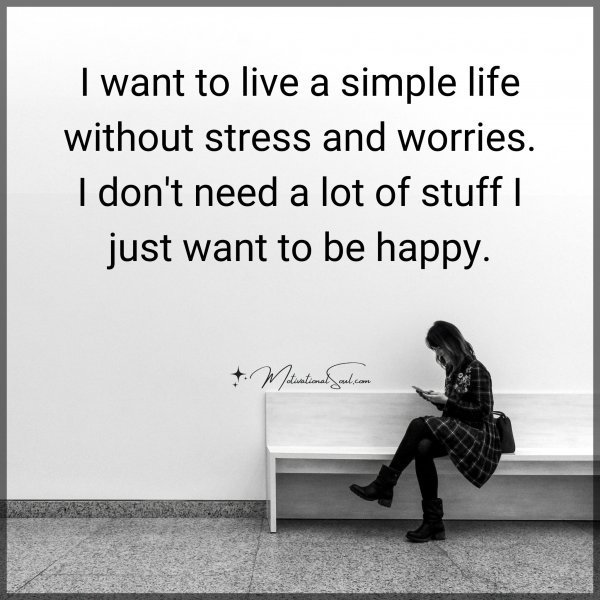
    I want to live a simple life without stress or worry. I don't need a lot of stuff. I just want to be happy.
  • Don’t Obsess Over The Details in Your Life and Find Happiness

    Don’t Obsess Over The Details in Your Life and Find Happiness

    Do you feel like you are always in control? Do you feel like you have to be in charge of every situation and have everything under your thumb? If so, you are not alone. Many people struggle with the need for control. But did you know that letting go of control can help you enjoy life more and find happiness? In this blog post, we will discuss why control can be a roadblock to happiness and how letting go can help you live a more fulfilling life.

    Is it Natural to feel the need to be in Control?

    It’s only natural to feel the need to be in control. We all want to be in control of our lives and feel best when we know what is going on in all different areas. However, we need to realize that we can never truly be in control of everything. Trying to do so leads to negative emotions when things don’t go the way we want them to. Instead, we should focus on letting go of control and enjoying life. Happiness comes from enjoying the moment and not worrying about what we can’t control.

    When we try to control everything, we just end up stressed and anxious. It’s tough to relax and enjoy life when you’re constantly worrying about what could go wrong. But if you can learn to let go of that need for control, you’ll find that you’re much happier and more able to enjoy the good moments.

    What are some of the negative emotions that arise from trying to control everything?

    Negative emotions that may arise from trying to control everything include anxiety, frustration, and disappointment. These emotions can lead to negative thoughts and result in feeling overwhelmed or stressed.

    When we try to control everything, we are not allowing ourselves to be open to new experiences or possibilities. We may also miss out on enjoying the moment because we are so focused on what could go wrong.

    Why Do We Feel the Need to Control?

    There are a few different reasons why we may feel the need to control everything.

    • One reason is that we want to feel safe and secure. When we are in control, we feel like we can protect ourselves from harm or from making mistakes.
    • We may also want to control everything because we want to be successful. We may think that if we are in control, we can make sure that everything goes the way we want it to and we will achieve our goals.
    • Lastly, some people may feel the need to control because they like being in charge or they don’t trust others to do things correctly.

    Attempts to Control Negatively Affect Our Lives

    Desiring complete control is only natural, but it’s not always beneficial. There are many ways in which trying to control everything could backfire and have negative consequences in the long run.

    1. Increased Stress level and Concern

    When we try to control everything, we’re constantly worried that things aren’t going to go the way we want them to. This can lead to a great deal of stress and anxiety, which takes a toll on our mental and physical health.

    2. Missing Out on Opportunities

    When we’re focused on controlling every aspect of our lives, we often miss out on opportunities that come our way. We’re so busy trying to plan and predict the future that we don’t take advantage of the present moment.

    3. Losing Sight of What’s Important

    When we’re always striving for control, it’s easy to lose sight of what’s truly important in life. We might miss out on spending time with our loved ones or pursuing our passions because we’re too busy trying to control everything else.

    4. Reduced Satisfaction

    It’s human nature to be dissatisfied with what we have. But when we’re constantly trying to control our lives, this dissatisfaction can reach new heights. We’re never truly satisfied because we’re always looking for ways to improve or change things.

    5. More Criticism and Less Appreciation

    When we’re always trying to control everything, we tend to be more critical of ourselves and others. We might find fault in everything and everyone, which can lead to a lot of negativity. And since we’re never satisfied with what we have, we often fail to appreciate the good things in life.

    All in all, it’s important to remember that we can’t control everything. There will always be things that are out of our hands. Trying to force them into submission will only lead to negative consequences. Instead, we should focus on the things we can control and let go of the rest. This will help us lead happier and more fulfilling lives.

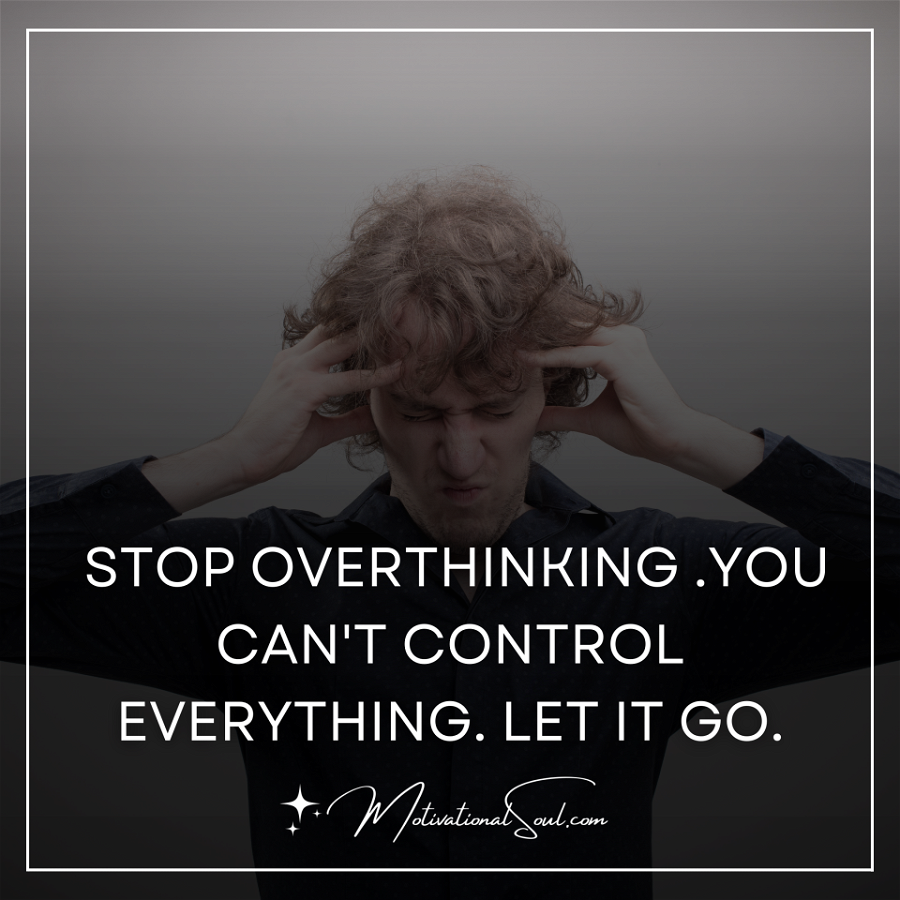
    STOP OVERTHINKING .YOU CAN'T CONTROL

    The Benefits of Surrendering Control

    Now that you know how the need for control can negatively impact our lives, it should be no surprise that we stand to gain a lot by giving it up. Letting go of the need to always be in control is known as surrendering.

    One example of giving up the need for control is found in Michael Singer’s book “The Surrender Experiment.” In it, the author describes how his life improved when he stopped trying to control everything. Some of the benefits of surrendering include:

    1. Improved relaxation and serenity

    When we let go of the need to control, we can relax and enjoy life more. We don’t have to constantly worry about what’s going to happen next or try to plan for every eventuality. This leads to a greater sense of peace and serenity.

    2. Enhanced creativity and intuition

    When we’re always in control, we tend to stifle our creativity. We’re so focused on getting things done a certain way that we don’t allow ourselves to explore new possibilities. Surrendering gives us the freedom to be more creative and open to new ideas. It also allows us to trust our intuition more, which can lead us in some amazing directions.

    3. Prepare for the Unanticipated in Advance

    By giving up the need to control everything, we can be better prepared for the unexpected. When we’re always trying to plan and predict the future, we often miss out on opportunities that come our way. We’re so busy trying to control everything that we don’t take advantage of the present moment.

    4. Appreciate What You Have

    When we’re constantly striving for control, it’s easy to lose sight of what’s truly important in life. We might miss out on spending time with our loved ones or pursuing our passions because we’re too busy trying to control everything else.

    5. Improved Relationships With Yourself and Other People

    When we’re always trying to control everything, we tend to be more critical of ourselves and others. We might find fault in everything and everyone, which can lead to a lot of negativity. And since we’re never satisfied with what we have, we often fail to appreciate the good things in life. All of this can lead to strained relationships with ourselves and other people.

    When we let go of the need to control, we can relax and enjoy life more. We don’t have to constantly worry about what’s going to happen next or try to plan for every eventuality. This leads to a greater sense of peace and serenity. And when we’re at peace with ourselves, it’s much easier to be at peace with other people.

    How to Let Go Of Control

    There are several methods to give up the desire for control. The following hints will assist you in beginning this soothing journey, but there are many more options available to you as well.

    1. Determine What You Can and Cannot Influence

    The first step is to determine what you can and cannot influence. This will help you focus your energy on the things that you can change, rather than worrying about the things that are out of your control.

    Some things that you may be able to influence include:

    • Your attitudes and reactions
    • How do you spend your time
    • Nourishing your body
    • Your level of effort
    • Your thoughts

    Some things that are out of your control include:

    • Other people’s attitudes and reactions
    • What other people think of you
    • Natural disasters
    • The weather
    • The economy

    2. Focus on the Positive

    When you catch yourself worrying about things that are out of your control, try to focus on the positive. For example, if you’re worried about a natural disaster, think about all the people who will be there to help and support you.

    If you’re worried about what other people think of you, remember that everyone is different and that not everyone will like you. That’s okay! You don’t need to please everybody. J

    3. Take Action

    There are some things that you can’t control, but there are also many things that you can do to prepare for them. If you’re worried about the economy, research ways to save money and make your money work for you. If you’re worried about the weather, pack an umbrella and some extra clothes.

    You can’t control everything, but you can always take action to be prepared for the things that are out of your control.

    4. Mindfulness Exercises

    One way to help you let go of the need for control is to practice mindfulness. Being mindful means paying attention to your current thoughts and emotions, as well as being aware of your surroundings.

    There are many different mindfulness exercises that you can do, but here are a few to get you started:

    Observe your breath:

    Make yourself comfortable and focus your attention on your breath.. As you inhale, pay close attention to the way your chest and stomach expand. As you exhale, observe how your body relaxes.

    Count your breaths:

    Inhale through your nose for a count of four, then exhale through your mouth for a count of four.r. Repeat this until you reach ten.

    Notice your thoughts:

    Sit in a comfortable position and observe your thoughts as they come and go. Don’t judge or try to change your thoughts, just let them be.

    5. Journaling

    Journaling is another great way to let go of the need for control. When you journal, you can write about your thoughts and feelings without judgment. This can help you understand your thoughts and feelings better, and it can also help you see that some things are out of your control.

    Try writing about a time when you felt out of control. What were you worrying about? What could you have done to prepare for it?

    If you’re struggling to let go of the need for control, talking to somebody can be very helpful. Talk to a friend, family member, therapist, or anybody else who will listen and support you.

    Conclusion

    Letting go of control can be a difficult process, but it’s also a very freeing one. When you let go of the need to control everything, you’ll find that you’re able to relax and enjoy life more. Just remember to focus on the things that you can influence, take action when you can, and try to focus on the positive. With time, you’ll be able to let go of control and find happiness.

    What do you think? Do you have any tips for letting go of control? Share them in the comments below!

    FAQs

    How do I stop worrying about things I can’t control?

    There are a few things that you can do to stop worrying about things that you can’t control. First, try to focus on the positive. Second, take action to be prepared for the things that are out of your control. And third, practice mindfulness and journaling.

    What are some benefits of letting go of control?

    There are many benefits of letting go of control. When you let go of control, you can focus on the things that you can control. You can also enjoy life more and find happiness.

    What’s the best way to deal with feeling out of control?

    The best way to deal with feeling out of control is to take action to be prepared for the things that are out of your control. You can also practice mindfulness and journaling.

    Can I still be successful if I let go of control?

    Yes, you can still be successful if you let go of control. When you let go of control, you can focus on the things that you can control. You can also enjoy life more and find happiness.

    Life is too short to worry about stupid things. Have fun
  • Quote: The best thing
in life is that God
sees all your mistakes

    Quote: The best thing in life is that God sees all your mistakes

    The best thing
    in life is that God
    sees all your mistakes
    and weaknesses
    knows your
    imperfections and
    still thinks you’re
    completely amazing.
    Amen.

  • Quote: Open-minded people do not impose their beliefs on others. They just

    Quote: Open-minded people do not impose their beliefs on others. They just

    Open-minded people do not impose their beliefs on others. They just accept all of life’s perspectives and realities, doing their own thing in peace without judgement.

  • Quote: Everyone teaches you a lesson in life. Never forget three types of

    Quote: Everyone teaches you a lesson in life. Never forget three types of

    Everyone teaches you a lesson in life. Never forget three types of people in your life: 1. Who helped you in difficult times. 2. Who left you at difficult times. 3. Who put you in difficult times.

  • Quote: Don’t forget that
you’re human.
It’s okay

    Quote: Don’t forget that you’re human. It’s okay

    Don’t forget that
    you’re human.
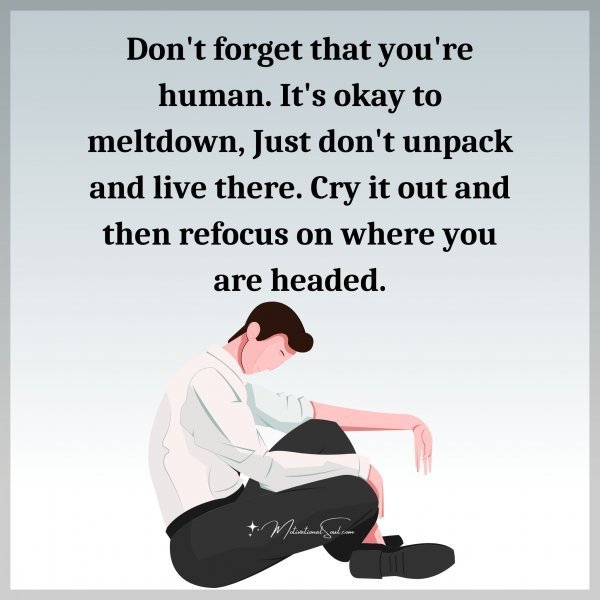
    It’s okay to meltdown,
    Just don’t unpack and
    live there. Cry it out
    and then refocus on
    where you are headed.

  • Quote: Being told
you’re
appreciated is
one of the

    Quote: Being told you’re appreciated is one of the

    Being told
    you’re
    appreciated is
    one of the
    simplest and
    most beautiful
    things you
    can hear.

  • Quote: God’s dreams
and plans for you
are bigger than

    Quote: God’s dreams and plans for you are bigger than

    God’s dreams
    and plans for you
    are bigger than
    your dreams
    and plans for
    yourself.

  • Quote: I want to live a simple life without stress and worries. I don’t

    Quote: I want to live a simple life without stress and worries. I don’t

    I want to live a simple life without stress and worries. I don’t need a lot of stuff I just want to be happy.