Someday, someone will walk into your life and make you realize why it never worked out with anyone else.
Tag: Love
-

Quote: Educating the mind without educating the heart is
Educating
the mind without
educating the heart
is no education
at all. -

Quote: Sometimes what you’re looking for, comes when
Sometimes
what you’re
looking for, comes
when you’re not
looking at all. -

Quote: Dear Music, thank you for being there when nobody
Dear Music,
thank you for
being there when
nobody else was. -

Quote: Everyone needs at least one friend who understands what we do not say
Everyone needs at least one friend who understands what we do not say.
-

Quote: Don’t just teach your children to read… Teach them
Don’t just teach
your children to
read… Teach them
to question what
they read, Teach
them to question
everything. -

The Power of Caring: A Joyful Journey to Unconditional Love
Caring – a priceless gift we can all express. In the busyness of everyday life, it’s easy to overlook what really matters: love and connection with others. Caring is an act that goes beyond words; it encourages genuine moments of joy and compassion, often displaying itself in unexpected ways. Over time, these acts of caring can bring us on a joyful journey towards unconditional love for ourselves and others. Join me as I explore this powerful concept and how we can use the power of caring to lead fulfilling lives filled with understanding, acceptance, and peace.

Take care of the people who take care of you. What is Caring?
Caring is a concept that has been around for centuries, but it has recently taken on a new meaning in our modern world. At its core, caring refers to the act of showing concern, understanding and support towards someone else. It is the essence of compassion, empathy and altruism – qualities which are essential for healthy relationships with others. Caring is more than just an emotion or sentiment; it involves taking action. This could be as simple as offering a kind word of encouragement to someone who needs it or engaging in volunteer work with those less privileged.
The act of caring is often seen as one-way, in which the person doing the caretaking gives something to the person being cared for without expecting anything in return. However, sometimes the act of caring works both ways and both individuals benefit from it. In such cases, there can be mutual feelings of appreciation and respect that brings people closer together and strengthens their bond. Ultimately, caring creates an atmosphere of trust and connection between people, ultimately leading to stronger relationships overall.
However, while caring is important in maintaining positive relationships with others, it can also be damaging if not done properly or taken too far. For example, if someone is constantly giving too much attention to someone else without allowing them any space for themselves this can lead to feelings of being smothered and taken advantage of. Similarly, if someone’s attentiveness comes across as needy or controlling then this might put a strain on the relationship dynamic instead of strengthening it. Caring should always come from a place of genuine love and respect so that both parties benefit from their interactions together.

Benefits of Caring: How Can it Improve our Lives?
Caring is one of the most important elements of our lives, and it can have a huge impact on how we live. When we show care and concern for others, we open the door to stronger relationships with those around us. Caring also has far-reaching effects beyond just those relationships. It can have a positive influence on our physical and mental wellbeing, as well as providing us with a sense of purpose and fulfillment in life.
The physical benefits of caring are numerous. It can help us build healthier habits by encouraging us to take care of ourselves and each other. It’s also been shown to lower stress levels by creating a more supportive environment, which can lead to improved sleep quality and more energy throughout the day. Being kinder to ourselves is another benefit – when we demonstrate care for others, it often leads to showing more kindness towards ourselves too.
The mental benefits of caring are equally significant. When we show compassion for others, it helps us get out of our own heads and focus on how we can best support those around us. This in turn boosts self-esteem and self-confidence, as well as helping to reduce feelings of isolation or loneliness that some may experience in their daily lives. Moreover, being part of a caring community also encourages increased empathy – an invaluable trait that will help when building relationships with friends, family members or coworkers.
Finally, demonstrating care through acts such as volunteering or giving back to your local community provides you with a sense of purpose; it is incredibly rewarding knowing that you are making a positive difference in someone else’s life.
Overall, there’s no doubt that taking time out to show care towards those around you has tremendous benefits for both yourself and others—physical, mental and emotional alike. Caring is truly one of the most powerful forces in life – if we take the time to spread it far and wide across our communities, then everybody stands to benefit from its incredible effects!
Ways to Show Care: Practical Examples of Expressing Love and Connection
When it comes to showing care, there are many ways to express love and connection. Examples include spending quality time together, expressing gratitude, offering compliments, and supporting each other’s goals and dreams.
Spending quality time with someone is a great way to show you care about them. Whether it be going on a walk or hike together, attending a live event or concert, watching a movie or sharing an activity at home, simply being in each other’s presence is valuable. Spending quality time allows us to focus on the person we care about and create meaningful memories that will last a lifetime.
Expressing gratitude for our loved ones also shows that we care about them deeply. Saying “thank you” for things they do for us can go a long way in deepening our connection with them. We should make sure to express our appreciation regularly because it reinforces their importance in our life and lets them know how much we value their presence.
Offering compliments is another powerful way to show care. Commenting on the things we admire or appreciate in the person can make them feel special and appreciated. Compliments don’t have to be big gestures; even small comments can have an immense impact on someone’s mood and outlook when they come from someone they truly care about.
Finally, supporting each other’s goals and dreams is one of the most meaningful ways to express love and connection. Taking the time to listen to their hopes and ambitions and offering support in whatever form possible — whether tangible or intangible — has the potential for creating an even more powerful bond between two people. Encouraging someone during challenging times or celebrating their successes can show how much you truly care about them.
All of these practical examples of expressing love and connection demonstrate just how important it is that we take the time every day to show those we love how much they mean to us — through both small acts of kindness as well as more significant displays of affection!

Anyone can give you attention and compliments Challenges of Caring: Overcoming Obstacles to Being Present with Others
Caring for others can be an extremely rewarding experience, but it is not without its challenges. Caring for someone else requires a person to be present and engaged with the other person. Unfortunately, there are many obstacles that can prevent this from happening. Stress, distractions, and even our own biases can stand in the way of being a truly attentive caregiver.
Stress can definitely get in the way of providing care to others. When feeling overwhelmed or exhausted, it can be tempting to go into autopilot and forget to engage with those we are caring for in meaningful ways. This is why it’s important to make self-care a priority and ensure that you are taking time for yourself so that you have the energy and emotional capacity to provide care for others when needed.
Distractions can also interfere with providing care to others. It’s all too easy in this digital age to get sucked into endless scrolling on social media or playing games on our phones when we should be paying attention to those around us. Taking some time away from devices and actively engaging with another person is essential in providing genuine care and support.
Finally, our own personal biases can sometimes prevent us from being present with others. We may have preconceived notions about how someone should think or act based on their gender, race, culture, or any number of other factors that complicate our ability to truly connect with them as individuals. Recognizing these biases and striving to be open-minded is necessary in order to provide genuine care and understanding towards those who need it most.
Ultimately, overcoming these obstacles requires mindfulness and dedication on the part of the caregiver. It’s important to take time for ourselves so that we have the capacity to be present with others when we are needed most; set limits on technology usage so that we don’t get distracted by digital devices; and strive for an open-mindedness towards those who may not share similar backgrounds or beliefs as us. With enough effort and intentionality, these obstacles can be overcome—allowing us to truly connect with those who need our help most

Conclusion:Why We All Need More Caring in Our Lives
We all have a fundamental need for caring in our lives, and it can be found in many different ways. Caring can come from family members, friends, colleagues, or even complete strangers who go out of their way to help us with something. It’s the little acts of kindness that often make the biggest difference – someone offering us a kind word at just the right moment, or helping us out when we’re stuck on a project. These small moments of care can give us the boost we need to keep going and remind us that we are not alone in this world.
Caring is also essential for our mental health and well-being. Studies have shown that feeling connected to one another and having strong social support systems can help improve our overall sense of happiness and satisfaction with life. People who feel more connected to others have been found to have lower levels of stress and anxiety, as well as increased feelings of safety, security, self-esteem, and purpose. Knowing that there are people out there who care about you gives you a sense of connection and belonging which is vital for our emotional health and well-being.
Caring doesn’t just benefit us emotionally but physically as well. Having meaningful relationships has been linked with better overall physical health as it can help reduce stress levels which can lead to improved sleep quality and an overall healthier lifestyle. We all need someone that we know will stick by us no matter what – it gives us a safe space where we can share our worries without judgement or criticism. This kind of support is invaluable in times of hardship or difficulty, providing comfort and understanding when no other words will do.
In short, caring is something that everyone needs in order to thrive both mentally and physically. It’s not always easy to reach out when we are feeling overwhelmed or isolated but having someone there who cares about us can provide an immense source of strength during difficult times. So next time you find yourself needing some extra love or support from those around you – don’t hesitate to ask!
When we care for others, we tap into a well of compassion and connection that can improve our own lives as much as the lives of those with whom we interact. Caring is one of the most important things we can do for each other and ourselves. It’s not always easy to be present with others, but it’s so worth it. When we make caring a priority in our lives, everyone benefits. Read more here about how to express love and overcome obstacles to being present with others.

-
Self-Love Tips: How to Love Yourself Unconditionally
Do you ever feel like you hate yourself? Like all you do is make mistakes and disappoint yourself? If so, you’re not alone. Many people struggle with self-hatred daily. But there are ways to combat those negative thoughts and start loving yourself again. In this blog post, we will discuss 8 ways to start accepting and loving yourself just the way you are!
Self-hatred Indicators
Focus on the negative
One of the most common indicators of self-hatred is an excessive focus on negative traits and behaviors. Individuals who hate themselves are quick to believe that they are unworthy and incapable of change. As a result, they tend to dwell on their faults and shortcomings, magnifying them out of proportion. This can lead to a negative feedback loop, in which people become trapped in a cycle of self-loathing.
Inability to accept compliments
Another common indicator of self-hatred is an inability to accept compliments or praise. People who hate themselves often view compliments as unwarranted and undeserved. They may also believe that others are simply being nice or trying to make them feel better. As a result, they have difficulty hearing and internalizing positive feedback.
Trying to fit in
Trying to fit in is often an indicator of self-hatred. People who hate themselves try to become someone they’re not to gain acceptance from others. They may try to change their appearance, personality, or interests to fit in with a particular group or person. This can lead to a sense of emptiness and loneliness, as the person is not being true to themselves. Trying to fit in can also be a sign of low self-esteem. People who dislike themselves may believe that they are not good enough and that they will never be accepted unless they change who they are. This can lead to a cycle of attempts to change, followed by feelings of failure and inadequacy.
Personalizing criticism
One of the most common indicators of self-hatred is personalizing criticism. This is when someone takes any form of criticism as a reflection of their entire worth as a person. For example, if a co-worker criticizes a project you completed, instead of taking it as constructive feedback, you might interpret it as a sign that you are not good enough or smart enough. Personalizing criticism can lead to a negative self-image and can prevent you from learning and growing from your mistakes.
Expecting Perfection
Expecting perfectionism from yourself is one of the most common indicators of self-hatred. You strive for unattainably high standards, beating yourself up whenever you make a mistake. IYou are never satisfied with your performance.This perfectionism can manifest in different ways, such as obsessively trying to control your weight or never feeling satisfied with your appearance. You may also find yourself constantly comparing yourself to others and feeling like you always come up short.
Being too harsh on yourself
If you’re too harsh on yourself, it may be a sign of self-hatred. We all make mistakes and have flaws, but if you can’t forgive yourself for them, it may indicate a deeper issue. If you find yourself constantly putting yourself down, making negative comparisons to others, or engaging in self-sabotage, it’s worth exploring why you have such low self-esteem. Treating yourself with compassion and understanding is an important step in overcoming self-hatred. Try to be gentle with yourself, and remember that everyone makes mistakes. If you work at it, eventually you will develop self-love and acceptance.
Pessimistic outlook
Self-hatred is often characterized by a pessimistic outlook. People who hate themselves tend to see the world and their place in it through a dark lens. They may believe that they are unworthy or undeserving of good things and that they will always be failures. As a result, they may adopt a self-defeating attitude, always expecting the worst and never believing that they can succeed. This can lead to a spiral of negative thinking, as self-hatred breeds further negativity and discouragement.
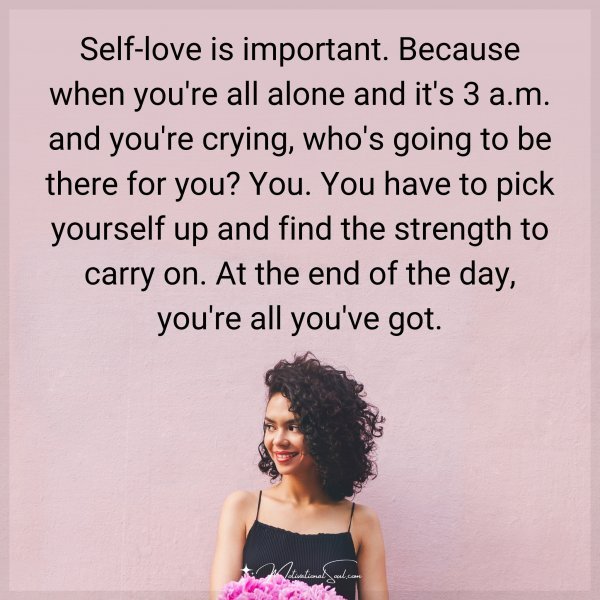
What Causes Self-Hatred?
Have you been noticing any negative aspects about yourself lately? If that’s the case, you might be wondering why you despise yourself and how to change. Reflect on the following questions and take some time to come up with answers. The list below includes some of the most common reasons.
Inferior Inner Critic
One of the primary causes of self-hatred is an inferior inner critic. This is the voice in your head that tells you that you’re not good enough, that you’ll never amount to anything, and that you should just give up. This voice can be incredibly loud and persuasive, making it hard to silence. If you’ve been struggling to love yourself, it’s important to identify your inner critic and start working on silencing it.
Some common phrases your inner critic says are:
“You’re not good enough.”
“You’re not smart enough.”
“You’ll never be successful.”
“Nobody will ever love you.”
“You’re ugly/fat/stupid.”
These are just some examples, but your inner critic may say other things. Once you identify the voice, you can start to counter it with positive self-talk. For example, instead of listening to your inner critic who tells you “You’re not good enough,”It’s a lot easier to say, “I’m great,” or, simply, “I’m amazing.”
Past Trauma
Past trauma can lead to a feeling of self-hatred. When we experience something traumatic, our sense of safety and trust is shattered. We may feel like we are not worthy of love or that we are flawed in some way. This can lead to a deep, abiding hatred of ourselves. Past trauma can also cause us to doubt our worthiness and question our place in the world. We may feel like we don’t deserve happiness or that we are undeserving of love. This can lead to a feeling of self-hatred.
Lastly, past trauma can cause us to view ourselves through a lens of shame. We may feel like we are not good enough or that we are unworthy of love. This can lead to a deep feeling of self-hatred. If you’ve experienced any of these things, it’s important to seek out help from a therapist or counselor who can help you work through your past trauma and learn to love yourself again.
Unrealistic Standards
Unrealistic standards are often the root cause of self-hatred. When we compare ourselves to others, we often focus on our own shortcomings and fail to see our own strengths. We may hold ourselves to unrealistic standards in terms of our looks, our achievements, or our personal relationships. When you feel like you’re not good enough, it can cause feelings of inadequacy and low self-worth. Unrealistic standards can also be the result of comparing ourselves to an idealized version of ourselves. We may have an image in our heads of who we want to be, and when we don’t live up to that image, we may feel like a failure.
Childhood Experiences
Childhood experiences are often cited as a major cause of self-hatred. If a child grows up in an environment where they are constantly criticized or made to feel worthless, it’s not surprising that they would develop negative feelings about themselves. Unfortunately, these early experiences can have a lasting impact and can lead to a lifetime of self-doubt and insecurity. In addition, people who suffer from low self-esteem often tend to be their own worst critics. They are quick to point out their own flaws and mistakes, and they seldom give themselves credit for their accomplishments. Over time, this can lead to self-hatred.
Poor Relationships
Poor relationships are often at the root of self-hatred. If we feel constantly misunderstood or mistreated by those closest to us, it can lead to feelings of worthlessness and inadequacy. In some cases, self-hatred may be the result of abuse, either emotional or physical. Abuse can shatter our sense of self and make it difficult to see ourselves as anything other than damaged goods.
Bullying
Bullying is a major cause of self-hatred. When someone is repeatedly ridiculed, mocked, or otherwise made to feel inferior, it can take a toll on their self-esteem. In some cases, the impact of bullying can be so severe that it leads to depression, anxiety, and other mental health issues. Additionally, people who are Bullied may start to believe that they are worthless and unlovable. As a result, they may start to hate themselves.
Mental Health Conditions
Mental health conditions are often accompanied by feelings of self-hatred. This can be due to a number of factors, including negative thought patterns, low self-esteem, and physical appearance. Mental health conditions can cause people to see themselves in a negative light and dwell on their flaws. This can lead to a feeling of worthlessness and despair. Low self-esteem can also cause self-hatred.
People with low self-esteem often compare themselves to others and feel that they fall short. They may believe that they are not good enough, smart enough, or attractive enough. Physical appearance can also play a role in self-hatred. People who are unhappy with their weight, skin, or hair often feel disgusted with themselves. They may feel that they will never be good enough or that they are unworthy of love and respect.
The Consequences of Self-Hatred
- You may give up your efforts because you believe they will only result in failure.
- Indulging in harmful coping mechanisms like drugs, binge eating, or social withdrawal.
- You may harm your efforts or neglect yourself.
- You might unknowingly choose people who are harmful or exploitative, like toxic friends or partners.
- Suffering from low self-confidence and self-esteem.
- Trouble making decisions due to indecision.
- Having a perfectionist attitude that nothing is ever good enough.
All of these behaviors can have harmful consequences in your life, both physically and mentally.
How to Love Yourself Again
How to Love Yourself Again It is not uncommon to lose yourself in the chaos of life. With work, family, and social obligations, it is easy to forget about your own needs and wants. As a result, you may begin to feel disconnected from yourself and spiral into a state of self-doubt and low self-esteem. If you find yourself in this situation, it is important to remember that it is never too late to love yourself again. Below are some tips on how to reconnect with your inner self and rediscover the things that make you happy:
Take some time for yourself
In today’s fast-paced society, it might be tough to find time for yourself. However, it is important to carve out some time each day to do things that make you happy. Whether it is reading your favourite book, going for a walk in nature, or taking a yoga class, taking some time for yourself will help you relax and rejuvenate.
Connect with your passions
One of the best ways to love yourself again is to connect with your passions. Whether it is painting, hiking, cooking, or gardening, doing things that make you feel alive will help you rediscover your sense of self.
Be kind to yourself
It is easy to be hard on ourselves when we make mistakes or fall short of our goals. However, it is important to remember that we are human and imperfections are part of what makes us unique and
special. Instead of beating yourself up over your flaws, learn to accept them and focus on your positive attributes.
Spend time with loved ones
Spending time with those who love and support you can help remind you of your worth. Whether it is family members, close friends, or even pets, surround yourself with people who make you feel good about yourself.
Do something new
Trying something new can help you expand your horizons and see life from a different perspective. Stepping outside of your comfort zone can be scary but it can also be exhilarating and empowering. So go ahead and sign up for that pottery class or take a trip to an unfamiliar place-you may just surprise you!
Conclusion
Learning to love yourself again is a process that takes time and effort. However, it is worth it to invest in your happiness and well-being. By taking care of yourself emotionally and physically, you will be better equipped to handle the ups and downs of life. So take some time for yourself, connect with your passions, be kind to yourself, spend time with loved ones, and do something new. Before you know it, you will be on your way to a happy and fulfilling life.

-

Quote: Open-minded people do not impose their beliefs on others. They just
Open-minded people do not impose their beliefs on others. They just accept all of life’s perspectives and realities, doing their own thing in peace without judgement.
-

Quote: Everyone teaches you a lesson in life. Never forget three types of
Everyone teaches you a lesson in life. Never forget three types of people in your life: 1. Who helped you in difficult times. 2. Who left you at difficult times. 3. Who put you in difficult times.