Tag: people

  • How to Have a Healthy Relationship: Tips for Avoiding Toxic People

    How to Have a Healthy Relationship: Tips for Avoiding Toxic People

    This article will show you how to avoid being in a toxic relationship, and we all must learn these tips because there are people out there who want nothing more than for us not to be successful. Unhealthy relationships can cause depression or anxiety on top of the physical pain they often bring with them too!

    It can be difficult to avoid being in a relationship with a toxic person. They may be friends, family, or even a romantic partner. A toxic person is someone who is always looking to stir up drama and create conflict. They may try to interfere in your relationship, give unsolicited advice, or spread rumors about you. It’s essential to protect yourself and your partner from their toxic behavior.

    Setting boundaries is one way to avoid being in a relationship with a toxic individual. Let them know that you won’t put up with their antics. If they continue to try to interfere in your relationship, you may need to distance yourself from them. You don’t need to tolerate their toxicity in your life. Another way to avoid being in a relationship with a toxic person is to keep in communication with your partner. Talk about your concerns and agree on how you’ll handle the situation if it comes up again. Keep the lines of communication open so that you can address any issues that come up.

    Finally, trust your instincts. If someone doesn’t seem like they have your best interests at heart, it’s probably best to steer clear of them. If you find yourself in a situation where you’re being manipulated or controlled, it’s important to get out of it as soon as possible. Protect yourself from toxic people by setting boundaries, communicating with your partner, and trusting your instincts.

    We all need someone we can confide in, someone who will listen and offer helpful advice without judging us. However, there are people in the world who would use our secrets against us or use them to manipulate us. These people are what we call toxic and they can hurt our relationships. To protect ourselves from these toxic people, we need to be aware of the signs that they are not to be trusted. For example, if they constantly gossip about others or if they are always trying to stir up drama, these are red flags that indicate that this person is not someone you want in your life.

    It’s important to be selective about who you confide in and to make sure that this person is someone who will respect your privacy and have your best interests at heart.

    Why do toxic people get involved in your relationship?

    Why do you give toxic people attention, even though they spread negativity in your life? They’re always looking for a story to control others with. They thrive on disrupting friendships and relationships because it’s an outlet for their anger, where they don’t have to face any consequences or take responsibility—just like how we lash out at our pillows when things go wrong at work/home instead of dealing with the problem directly!

    There is no surefire way to protect yourself from sociopathic or manipulative people, but there are some things you can do to reduce your risk of becoming a victim.

    First, it is important to be aware of the signs that someone might be manipulating you. If someone is constantly trying to change your opinion or pressuring you to do something you don’t want to do, they may be attempting to control you. It is also important to be wary of people who try to isolate you from your friends and family, as this can make it easier for them to control you.

    If you are concerned about someone’s behavior, it is best to avoid them and not let them get too close to you. In addition, it is helpful to have a support system of close friends or family members to who you can talk about your concerns. Having people you can trust will make you feel less lonely and more difficult for a manipulator to take advantage of you. If someone appears to be too good to be true, it’s probably because they are. Don’t let anyone use you.

    Here are some things you can do to keep sociopathic or manipulative people at a distance:

    1. Keep your relationship details to yourself.

    In today’s social media-obsessed world, it can be tempting to share every detail of your relationship with the world. However, there are some good reasons to keep your relationship details to yourself. For one thing, it can help to protect both you and your partner from unwanted scrutiny. It can also be a way of respecting your partner’s privacy and keeping your relationship confidential. If you do choose to share details about your relationship with others, be sure to do so in a way that is respectful and considerate of your partner’s feelings. Ultimately, the decision of how much to share is up to you and your partner. But if you’re looking for a way to keep your relationship private and confidential, keeping the details to yourself is a good place to start.

    2. Confront negative people about their need to gossip.

    Gossip can be hurtful and destructive, especially when it’s coming from people who are supposed to be friends or family. If you’re the target of negative gossip, it’s important to confront the person or people who are spreading the rumors. This can be a difficult conversation to have, but it’s important to stand up for yourself and set boundaries. Explain that their gossip is hurtful and that you expect them to respect your privacy. If they continue to spread rumors or gossip about you, it may be necessary to distance yourself from those individuals. Ultimately, you have a right to protect yourself from hurtful words and actions, and you deserve to be treated with respect.

    3. Establish clear parameters for their involvement.

    No one deserves to be treated poorly, especially by someone who is supposed to care for them. If you find yourself in a situation where someone is constantly putting you down, making you feel inferior, or otherwise behaving in a way that is detrimental to your mental health, it is important to take action.

    First, try talking to the person and explaining how their behavior is impacting you. If they are unwilling or unable to change, then it may be necessary to distance themselves from them, either emotionally or physically. Establishing boundaries is an important step in taking control of your life and ensuring that you are treated with the respect that you deserve.

    You can’t make threats if the toxic person continues to pester you about your relationship and it’s time for a boundary. Repeat what was said before hanging up, quitting talking with them until they respect the privacy of sensitive information shared between two people who care deeply enough in each other’s life that there would never be any kind of secret kept from either one unless given permission by both parties involved .

    4. Make sure your partner establishes boundaries as well.

    It’s critical that both people in a relationship feel at ease expressing their demands and boundaries. This keeps both spouses on the same page, preventing negative sentiments and resentment from developing. It’s all too easy for one partner to take advantage of the other if there aren’t well-defined boundaries in place, which can lead to an unhealthy relationship dynamic.

    Establishing boundaries early on may help you and your partner avoid these issues, which will allow you to build a stronger, more long-lasting relationship. If you’re lost on where to begin, have a discussion with your partner about what each of you is needing from the relationship. Once you get a better grasp of what it is that makes the both of you happy, then you can work together towards creating a prosperous and long-lasting relationship.

    A true relationship is
    A true relationship

    Both partners must be on the same wavelength.

    If you’re in a relationship, it’s important to be on the same page as your partner when it comes to who you share information with. This is especially true when it comes to toxic people. Toxic people are those who drain your energy, are always negative, and can never be happy about your success. They’re the kind of people who bring you down, and they can be toxic to your relationship. If your partner is still sharing information about the relationship with toxic people, it’s time to talk.

    It’s important to be on the same page as your partner when it comes to what you’re comfortable sharing with others. We all have different comfort levels when it comes to talking about our relationship, and it’s important to respect each other’s boundaries. If you’re not sure where your partner stands, have a conversation about it. This will help you avoid any hurt feelings or misunderstandings down the road. It’s also a good idea to agree on who you do and don’t want to share information with. Some people just love to gossip, and their negativity can be toxic. By agreeing on who you’ll share things with, you can protect your relationship from outside influences.

    Learning how to avoid being in a toxic relationship is an important life skill. It can help you maintain your physical and mental health, and protect your relationships from harm. If you’re currently in a toxic relationship, it’s essential to get professional help. Several resources are available to assist you. Thank you for reading our article on how to have healthier and happier relationships!
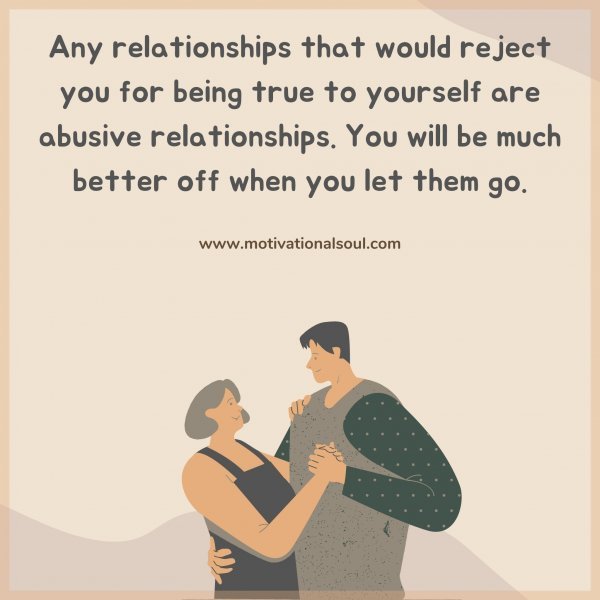

    Any relationships that
    Any relationships that
  • Ram Dass: 21 Lessons That Will Change Your Life

    Ram Dass: 21 Lessons That Will Change Your Life

    Dr. Richard Alpert, better known as Ram Dass, discovered spirituality later on in his life after experimenting with psychedelics. Before then, he was a psychology professor at Harvard University where he and Dr. Timothy Leary heavily researched the effects of psychedelics.

    In 1967, Richard took a trip to India that changed his perspectives completely; this is when he met Neem Karoli Baba – his guru who introduced him to real spirituality. After coming back from India, Richard renamed himself and started sharing his newfound knowledge with others.

    Be Here Now by Ram Dass is an iconic book that introduced Eastern philosophy and ancient customs to the Western world in a relatable way. Even today, Ram Dass provides his wisdom on how spirituality can enhance our lives. His spiritual guidance has helped numerous people find contentment.

    Here are the 21 life-changing lessons of Ram Dass:

    1. Everyone can love unconditionally.

    Love is part of our very essence. We don’t love someone or something for a specific reason, rather it’s simply a state of being. Love doesn’t require anything in return, we can just love without conditions.

    2. As you become quieter, you will be able to hear more.

    The more you subdued your thoughts, the clearer they become. Silence gives you the ability to hear what’s going on around you. We often don’t hear what we don’t want to because our mind is constantly analyzing, planning, and prioritizing activities. As you become quieter, you’ll be able to hear much more.

    3. Take nothing for granted.

    You should never expect anything, and instead, make use of every opportunity as a teaching experience. Our strategies frequently do not go the way we want them to, but that’s okay! You can move while being still. Even though you are dissatisfied, be happy with yourself.

    4. The moment you let go of it, you can have everything.

    The most elegant paradox: the moment you let go, you can have it all. You cannot have power as long as you want it. Once you stop wanting power, though, more will come than ever seemed possible.

    Suffering only shows where you are attached. That is why, to those on the path, suffering is grace. — Ram Dass

    3. Don’t let your thoughts control your life.

    Taking control of your thoughts may not seem like an easy feat, but it is possible. When you become more aware of the role your thoughts play in your life, you can begin to change them for the better. You have the power to choose what you think about, so don’t let harmful thoughts take over. If you don’t like the way your life is going, change your thoughts. If you want to be happier, think of happier thoughts. If you want to attract more love into your life, think about love. The power is within you to create the life you want by choosing the thoughts you think.

    4. Let your life be a statement of love and compassion.

    We’re all on the same journey, and we’re all linked. We are all traveling toward someplace, and our goal should be to live a life of love and compassion. If that isn’t the case, you know what areas you need to improve in. Spirituality is about connecting with something larger than ourselves, and it is about being kind and compassionate to others. When we live our lives with love and compassion, we make the world a better place. We are all walking each other home.

    Only that in you which is me can hear what I’m saying. — Ram Dass

    5. Cherish your connections, but don’t allow them to define you.

    Our relationships are essential to our happiness and well-being, but they should not be allowed to define us. The people in our lives can provide support, love, and laughter, but we must ultimately find our way in the world. When we allow our relationships to control our lives, we lose sight of who we are and what we want. Instead of living for ourselves, we start living for others. This can lead to resentment, heartache, and a lifetime of regret. So cherish your relationships, but don’t allow them to control your life. Walk your path and you’ll find your way home.

    6. Don’t be a lover; simply be love.

    When we let go of our attachment to the ego, we can tap into a higher state of consciousness where love is ever-present. From this place, we can share our love with the world without expecting anything in return. We can simply give from the overflow of our hearts. Ram Dass’s teachings offer a profound spiritual perspective on what it means to truly love others. By letting go of our attachments and ego-centered desires, we can open ourselves up to a higher level of love that is all-encompassing and ever-present.

    7. We are all affecting the world in some way at all times.

    We shape the world with every decision, whether we intend to or not. Because we are interconnected, our actions and state of mind matter. The most crucial action anyone can take at any given moment is to concentrate on their consciousness, and being loved is the greatest creative act available.

    8. Life does not end with death.

    Though death may appear to be the end, it is not. Some have had near-death experiences that can vouch for this fact. What happens after death largely depends on spirituality. Some think we’re reborn into another lifetime while others believe in different realms entirely. Whatever the truth may be, once we die, it’s only a new beginning.

    9. Souls love. Egos don’t.

    The main difference between a soul and an ego is that souls love while egos do not. Become a soul and look around; you’ll be astounded at the number of other beings that are also souls. Be one, observe one. When many individuals have this heart connection, we will realize that we are all part of the same species on this planet: humans. We will become one.

    10. Be here now.

    It’s a palliative for our weary minds. Our world is so fast-paced and constantly connected that it’s easy to dwell on the past or worry about the future. This can lead to anxiety, stress, and depression. But when we focus on the present moment, we are free from these negative emotions. Instead, we can appreciate the beauty of the world around us and find joy in everyday tasks.

    Be Patient. You’ll know when it’s time for you to wake up and move ahead. — Ram Dass

    11. Everyone has a divine spark inside of them.

    If we could recognize the divine spark in everyone, it would be as if we were walking through a beautiful garden filled with blossoming flowers. Recognizing this light within others leads to a more compassionate and grateful way of life. It is not always simple to see the best in people, but it is well worth attempting. When we do, we are frequently kinder and more forgiving when we make mistakes. If everyone looked at the world through the lens of love, our society would be significantly more peaceful.

    The quality of your life does not depend on your clothes

    12. Keep your emotions in check.

    Understanding that emotions are like waves can help us ride them out instead of trying to fight against them. Just as waves arise and then dissipate, so too do our emotions. Trying to bottle them up only creates more turmoil.

    13. Experience unconditional love.

    Unconditional love is like water for our souls; once we drink from that well, we can never go back to living without it. Just as our bodies need water to survive, our souls need love to thrive.

    14. You can let go of things.

    Sometimes it takes three breaths rather than two to release, but you can do it. Don’t be so delicate with yourself; you can let go of things. It’s okay to let go of stuff on occasion. People carry everyone’s belongings all the time.

    15. We are all spiritual comrades.

    On this path, we’re all the same. That’s who we are on this spiritual journey: family and friends. We’re all related until we discover that we’re all the same and there’s only one of us—one compassionate awareness. May you be a part of it in love.

    16. Without genuine wisdom, knowledge alone becomes despair.

    Knowledge is frequently referred to as power. Knowledge does give us considerable power. We may comprehend the world and our position within it. We can see how everything is connected and how our actions influence others. We can also have a great deal of respect for all life, which may help us to see that we are all connected. However, without genuine insight, merely knowing information might be debilitating. We may view the world with fresh eyes, but if we do not know how to alter our behavior, we will only feel powerless and helpless in the face of the world’s issues. Knowledge alone is insufficient. We must also have the wisdom to utilize what we know for the good of everyone else.

    17. Relationships only work when we realize that we are all connected.

    In a relationship, it’s so important to see the other person – to see them as an extension of yourself. When you can do that, the relationship will work in a spiritual sense because you are then compassionate, understanding, and accepting of the other person. You’re not looking at them as an outside entity that you have to deal with, but instead, as a part of yourself that you need to take care of. That’s when relationships are the most fulfilling and they provide the most growth opportunities – when we can see the other person as ourselves.

    18. Your intuition will guide you on your journey towards enlightenment.

    Use your intuition to guide you on your journey toward enlightenment. If you listen to your inner voice, it will tell you what the next step is in your evolution toward the light. Sometimes it may be something as simple as taking a different route to work or saying “no” to an invitation. Other times, it may be a more significant change like quitting your job or leaving a relationship. But if you trust your intuition is correctly guiding you, it will never lead you astray. So the next time you’re unsure about which direction to take or feel lost, simply listen to your heart and let it guide you on your path toward enlightenment.

    19. It’s not about becoming someone; it’s all about becoming nobody.

    Our life’s purpose isn’t to become rich or famous, but rather to let go of our pride and see our innermost selves. This might not sound easy, but it is. We simply need to detach ourselves from things we’ve grown attached to like money and material objects. When we do this, we open our hearts and minds up, and we become kinder and more loving individuals. We also begin to realize that we are all part of the same thing. This doesn’t imply that our objectives and aspirations are any less significant. It simply implies that we understand they aren’t the most essential things in life.

    20. Only when a caterpillar finishes growing does it become a butterfly.

    It’s a lovely reminder that we’re all on the same journey to discover our own version of joy. It’s only when we’ve completed our trip that we can truly be who we were meant to be. Just as a caterpillar turns into a butterfly through metamorphosis, we turn into our highest selves through transformation. Although it’s not easy, it’s worth going through the process.

    Grow through

    21. Recognize the drama. It is not who you are.

    This is a message we can all relate to. We are the same and we are all on a path. It also implies that we should be considerate of each other since we have no idea what others are experiencing. We all have our problems, and it’s easy to become obsessed with them. We are more than the sum of our issues. We are far more intricate and fascinating than that. We may begin to see the splendor in life when we learn to watch our drama unfold without getting too caught up in it, even when things are difficult.

    Ram Dass’s lessons are very simple!

    Ram Dass has acquired a lot of knowledge in his life and he passes it on in his 21 rules for living. These teachings are easy to understand, yet profound, and if followed can have a big impact on your life. If you want to make some changes in your life, start with these 21 rules from Ram Dass. We hope you enjoyed this blog post; Be sure to visit our blog for more intelligent material like this!

    Meditation Guidance

  • What Couples Can Do To Stop Arguing and Improve Their Relationship

    What Couples Can Do To Stop Arguing and Improve Their Relationship

    We’ve all heard the saying “opposites attract.” And in most cases, this is true. However, when it comes to relationships, this isn’t always a good thing. Sure, having different interests can add some spice to your love life. But too much of a good thing can quickly become overwhelming and damaging to your relationship. This is why couples need to learn how to communicate effectively with each other and resolve conflicts without resorting to violence or name-calling. In this blog post, we will discuss some tips on how you can have a fight-free relationship!

    Would you like to have a peaceful relationship? Let’s explore some ways to achieve that goal:

    1. Learn to communicate effectively.

    Good communication is key to any successful relationship, whether it be between friends, family, or romantic partners. Without effective communication, misunderstandings and disagreements can quickly turn into full-blown arguments or even riots. being able to talk through these issues in a calm and collected manner can help prevent them from escalating out of control.

    There are countless ways to improve communication skills, but some basic tips include active listening, staying mindful of body language, and using “I” statements. Active listening means paying attention to what the other person is saying and trying to understand their perspective. It can be easy to get caught up in our thoughts and Tune out the person speaking to us, but if we make an effort to listen, we will be better equipped to resolve conflicts. Additionally, being aware of our body language and the nonverbal cues we are sending can be helpful. For example, folding our arms may give off the impression that we are closed off and uninterested in what the other person has to say. instead, try to keep an open posture and make eye contact when possible. This will signal that we are receptive to what they have to say.

    Finally, using “I” statements can help avoid coming across as accusatory or confrontational. For example, rather than saying “you always forget your promises,” we could say “I feel hurt when you don’t follow through on your promises.” These small changes can make a big difference in how our words are received by others.

    Try implementing these tips the next time you find yourself in a situation where communication is important. With practice, you will find that communicating effectively will become easier and more natural. As a result, you will be able to build healthier, more supportive relationships with the people in your life.

    2. Resolve conflicts peacefully.

    When it comes to resolving conflicts, it’s important to remember that sometimes the best way to solve a problem is to talk about it. If you and your partner can communicate openly and honestly about your feelings, you’re likely to come up with a resolution that works for both of you. If talking isn’t going to work, there are other options available as well. One option is mediation, which can help resolve disputes without having to go to court or take any other physical activity. Mediation is often successful because it allows both parties involved in the conflict to have a voice and be heard. If mediation isn’t an option, another option is arbitration. Arbitration is a process where a third party (an arbitrator) helps resolve disputes between two or more people. This system is often quicker and more efficient than going through the court system, and arbitrators are usually experts in their field. Whatever choice you make, it’s important to remember that resolving conflicts peacefully is the best way to avoid violence. If you ever find yourself in a situation where violence seems like the only solution, please get help from someone who knows how to handle these situations effectively.

    3. Don’t let your relationship become too routine.

    Routine in a relationship can be dangerous. It can lead to boredom, lack of spontaneity, and an overall feeling of stagnation. If you’re looking to create a fight-free relationship, it’s important to keep things fresh and exciting.

    Here are three ways to do that:

    • Be open to new experiences. When you’re with someone, try not to get stuck in a routine where all you do is go to the same places or do the same things. Instead, explore different places, try new activities, and meet new people. This will keep your relationship interesting and new for both of you.
    • Get creative. If you’re looking for ways to spice up your relationship, consider trying something new. Whether it’s going out for dinner at a different restaurant or taking a hike outside your neighbourhood, there’s sure to be something out there that will get your adrenaline pumping and make you bond even more closely as a couple.
    • Talk about what’s on your mind. If one of you starts to feel like things are starting to get stale in the relationship, it’s important to talk about it openly and honestly. This way, both of you can work on finding solutions that will make the relationship more enjoyable for both of you.

    4. Seek professional help if needed.

    If you are in a relationship and feel like you or your partner is becoming increasingly combative, it might be time to seek outside help. There are a few things you can do to try to improve your situation before reaching out for professional help. First, make sure that you and your partner are both aware of the problem and have identified the areas where tensions are rising. Next, try and find common ground by discussing any issues that are bothering either of you. Finally, remember that there is no “right” way to handle a situation like this and that different people will approach conflict in different ways. If all else fails, though, it might be best to get professional help. Several professionals can offer guidance and support during times of tension in a relationship.

    5. Take a break if needed.

    In any relationship, conflict is inevitable. Whether it’s disagreements over finances, child-rearing, or simple household chores, couples will always butt heads from time to time. However, constant fighting can take a toll on even the strongest of relationships. If you find yourself in this situation, it’s important to take a step back and assess the situation.

    First, ask yourself if the fighting is constant or if there are periods of peace interspersed with the arguing. If it’s the latter, then there’s probably no need to worry too much. All couples fight from time to time, and it’s perfectly normal. However, if the fighting is non-stop, it may be time to take a break.

    This doesn’t necessarily mean ending the relationship – sometimes, a temporary separation can be helpful. It gives both parties a chance to cool off and reassess their priorities. If you decide to go this route, make sure you set some ground rules beforehand. Agree on how often you’ll communicate, what topics are off-limits, and whether or not you’ll see other people during the break. Once you’ve done this, stick to the plan as much as possible.

    Taking a break can be tough, but it may be exactly what your relationship needs. If you’re feeling overwhelmed by constant fighting, step back and consider taking some time for yourself. This will help you come back refreshed and ready to work on your relationship.

    If you fight like a married couple

    Conclusion

    If you are interested in a relationship without fights, here are some tips to help you get started. First, try to understand the root of your conflicts and address them head-on. If you can do this early on in your relationship, it will help prevent needless arguments from arising. Secondly, be willing to compromise on key issues. This doesn’t mean giving up everything you believe in, but rather finding a middle ground that both of you can live with. And lastly, continuously communicate with each other. This not only allows arguments to be resolved quickly and effectively but also helps build trust and communication between the two of you.

  • How can I assist someone who is depressed?

    How can I assist someone who is depressed?

    Care and help are vital when it comes to depression, more commonly known as major depressive disorder or clinical depression. This is diagnosed by a doctor when persistent feelings of sadness or low mood interfere with your daily life for more than two weeks. It is important to note that depression is not synonymous with simply “feeling down.” Depression requires professional care and medical attention. If you or someone you know is displaying any signs of depression, it is crucial to get help right away. These signs could include a change in appetite, weight, or sleep patterns; loss of interest in activities that were once enjoyed; feeling easily fatigued; feelings of hopelessness; or thoughts of death or suicide. untreated, depression can lead to serious consequences, such as substance abuse, relationship problems, and even suicide. If you think you may be depressed, please reach out for help from a doctor or mental health professional as soon as possible. Care and help are essential when it comes to depression.

    It can be difficult to know how to best help someone with depression, especially if you have never struggled with mental health issues yourself. If you have a close relationship with a person who is depressed, you may want to reach out and offer your support. You can do this by simply being there for them, listening to them, and letting them know that you care. You can also encourage them to seek professional help, but ultimately it is up to the individual to decide whether or not they want to seek treatment. If you are not close with the person who is depressed, you can still help by being understanding and supportive. Avoid saying things like “just snap out of it” or “cheer up.” Depression is a real illness that requires medical treatment, and telling someone to just “cheer up” is not helpful. Instead, let the person know that you are there for them if they need to talk. You can also offer to help with any practical tasks, such as grocery shopping or walking the dog. Finally, don’t forget to take care of yourself. It can be difficult to see a loved one suffer from depression, and it is important to make sure that you are taking care of your own mental health as well.

    How can I help someone who is depressed?

    As a result of these problems, many individuals are unable to carry out the activities they desire or need to do in their day-to-day lives. Many people who suffer from sadness may also feel alone and discouraged. However, there are several strategies that can help you assist someone in your life who is depressed. Here are some realistic ideas.

    Research their experiences

    It is essential to educate yourself as much as possible about the signs and symptoms of depression, as well as potential treatments and resources for additional support. This will enable you to offer information and alternatives if the individual is comfortable enough to talk with you about their experience. Caregivers can also provide practical assistance, such as helping with chores or errands, providing transportation to appointments, or simply being a listening ear. In some cases, the support of a caregiver can make all the difference in helping someone through a difficult time.

    Pay attention

    Paying attention to the people around us is crucial, especially to those we are closest to. If you notice a friend or loved one seems off, or their usual behaviors have changed, it might be time to have a conversation. Depression is a real and serious mental illness that impacts millions of people every day, so if you suspect someone you know is suffering, don’t ignore it. reach out and see if they want to chat, or if they need help. Starting the conversation can be tough, but consider asking basic open-ended questions like “how are you doing?” or “what’s going on?”. Just being present and listening can make a world of difference for someone struggling with their mental health. So don’t be afraid to reach out and offer your support.

    To start the conversation, you could ask these questions:

    1. It appears that you have been having difficulty recently.
    2. What is running through your mind?
    3. How are you doing?
    4. Is there anything else on your mind that you’d like to talk about?
    5. Could you elaborate further on what you’re experiencing?

    When they do open up to you about their feelings, pay attention and show understanding for their situation.

    Helps them with their tasks and problem-solving.

    When you’re helping someone who is depressed, it may feel like there’s nothing you can do to assist. While you can’t “fix” someone’s mental health, you can help them manage certain aspects of their lives.

    Someone with depression often finds it difficult to complete daily tasks or even simple problem-solving. Sometimes, just assisting them with the basics can be extremely helpful for their mental well-being and help get them back on track.

    You may assist with the following activities:

    Caregivers play an important role in the lives of their loved ones, providing both emotional and practical support. When it comes to mental health, caregivers can provide vital assistance in managing symptoms and seeking professional help. Depression can make it difficult to cope with everyday life, resulting in feelings of hopelessness and helplessness. Caregivers can provide much-needed support by assisting with tasks like schoolwork, housework, and meal preparation. They can also help to make appointments with doctors or mental health professionals, and provide transportation to appointments. Caregivers can provide a listening ear and a shoulder to cry on, offering a nonjudgmental space for their loved ones to express their feelings. Most importantly, caregivers can let their loved ones know that they are not alone in their struggle and that there is hope for recovery.

    However, before performing any of these activities for them, make sure to talk with them first because not everyone requires this amount of help.

    How to Help Different People Who Suffer From Depression

    Depending on our relationship with the person, helping a depressed family member might look different. Here are some ways we can help anyone we care about who is struggling with mental illness.

    Helping a friend who is depressed

    If you have a friend who is experiencing depression, there are ways that you can help. Here are some tips:

    • Offer to spend time with your friend regularly, whether it’s going for walks or just hanging out at home. This will give them some much-needed social interaction and provide a distraction from their negative thoughts.
    • Encourage your friend to seek professional help if they haven’t already done so. Depression is a serious condition that requires treatment from a qualified mental health professional.
    • Be patient and understanding with your friend – remember that depression can be very debilitating and recovery takes time. Offer support and words of encouragement throughout the process

    Assisting a family member who is depressed

    Imagine for a moment that someone you love is suffering from depression. You can see the pain in their eyes, and you know that they are struggling just to get through each day. As their caregiver, you want to do everything in your power to help them find relief. However, supporting a family member with depression can be a trying experience. You may feel overwhelmed by the situation, and you may even second-guess your ability to provide the care they need. But it is important to remember that your love and support can make all the difference. By simply being there for them, you are helping them to fight back against the darkness of depression. So if you are feeling lost, take heart knowing that you are not alone in this journey. There are others who care about you and your family member, and together we will get through this difficult time.

    Giving your partner a helping hand

    It’s not easy supporting a partner who suffers from depression. It can be difficult to see the person you love going through something so tough, and it can be tough to know how to best help them. However, it is possible to support your partner and help them through their depression. The most important thing you can do is to let them know that you care about them and that you’re there for them. Listen to what they have to say, and try to understand what they’re going through. Offer a helping hand when you can, but don’t try to take on too much yourself. Depression is a serious issue, and it’s important to encourage your partner to seek professional help if they are struggling. If you’re feeling overwhelmed, don’t hesitate to reach out to support yourself. Depression can take a toll on both partners in a relationship, but with care and understanding, it is possible to get through it together.

    Don’t forget to take care of yourself, too.

    It’s critical to look for yourself in order to care for others. It will make you happier and healthier, allowing you to better care for someone else. It also implies that you will be able to retain your mental faculties, time, and energy for yourself. If you require assistance, see your doctor about the most effective strategies to promote your mental health.

    Depression is a treatable mental illness

    Depression is a very real and serious mental health disorder. However, it can be treated with the help of professional care and support from loved ones. If you or someone you know is displaying any signs of depression, please reach out for help. You are not alone in this fight. Our blog will continue to provide valuable information and resources about depression and other mental health disorders. We want to thank our readers for their continued support. Please keep reading our blog for the more helpful content.

    PAST: DEPRESSION
  • 11 Quick Ways to Improve Your Relationship

    11 Quick Ways to Improve Your Relationship

    A strong relationship is built on a foundation of love and trust. However, even the strongest relationships can benefit from a little extra effort. If you’re looking for some quick ways to boost your relationship, here are four easy tips that you can start using today.

    First, make a point to show your partner how much you love and appreciate them. A simple gesture like cooking dinner or giving a heartfelt compliment can go a long way. Secondly, be more attentive to your partner’s needs and feelings. Listen when they’re talking and try to be understanding when they’re upset. Thirdly, show your partner that you’re committed to the relationship by making an effort to resolve conflicts in a constructive way. Finally, don’t forget to express your gratitude for your partner—let them know how lucky you feel to be with them.

    By following these simple tips, you can quickly boost the strength and happiness of your relationship.

    1. Try something new

    Why not shake things up with your spouse and try something new together? It could be a fun way to reconnect and add some spice to your relationship.

    Communication is more important than any other element in a successful relationship. Yes, asking your partner how his or her day was is nice, but asking the same old question may become tiresome over time. Try asking inquisitive questions that dig deeper to keep things interesting.

    If you’re striving to have more engaging conversations, try asking different questions that will stimulate new thinking (such as “How did that make you feel?” or “What would be your ideal job?”).

    2. Quality time together

    The first and most important thing to remember about your relationship is that you both have a lot of work ahead of you. Whether or not you believe in reiki, the idea of giving gifts on valentine’s day has the ability to create memories with your partner. Having quality time together will make those days when everything goes wrong melt away far more quickly!

    Set aside a night each month to avoid distractions in your relationship. This will help restore the romance in your relationship. You don’t have to go all out; simply spend some time together doing something new (such as going for ice cream). Even a single date night can make progress.

    3. Express your appreciation

    We may become so reliant on long-term relationships and customs that we expect our partners to fulfill all of our desires, whether it’s how they treat us or the daily duties they perform. Thanking someone for cleaning the dishes after dinner or complimenting you both praise their good behavior while reminding you of why you love them.

    It’s crucial to express not only your appreciation for what they do in your life but also how deeply you value their presence and how grateful you are.

    4. Schedule a check-in

    Scheduling time for your partner may not sound romantic, but it’s essential for keeping your relationship strong. Checking in with each other regularly will help you communicate better and avoid arguments. Remember, a relationship is just two people trying to meet each other’s needs.

    Use a check-in to talk about any recent reminders, issues, or even all of the wonderful things that should be recognized. Make this a recurring event on your calendar so you don’t forget or skip it.

    5. Make sure to pay attention to the small details!

    Another technique to make your discussion more useful is to really pay attention to what your partner has to say and then bring it up again later.

    For example, if your partner mention wanting a new pair of shoes, make birthdays and anniversaries easier by taking note and gifting them the desired item. If they also want to try a restaurant you haven’t been to yet, go together on date night or get takeout from there as a cute surprise.

    Remembering the small details that your partner shares with you shows them how much you care about them and want them to feel loved.

    6. Stop dwelling on the past.

    The past has a way of creeping into the present and causing arguments or being the source of future disagreements.

    However, it’s tough to move forward in a relationship when you can’t stop dwelling on past fights or problems that you thought you had already resolved. If this sounds like you, it may be time to take a step back and figure out why.

    If you find that you’re less forgiving than usual or have a grudge that won’t disappear, it might be worth taking some time to examine the root of these emotions. By focusing on what’s really causing this sense of unforgivingness, you can work through any relationship issues with your partner more effectively.

    7. Be honest about how you’re feeling

    Your partner should be able to feel how you feel about them, from grabbing their hand in a restaurant to going to bed together at the end of the night.

    To keep the spice and love alive in long-term relationships, researchers suggest being physically affectionate with your partner outside of sex. This could be something as simple as a peck goodbye or hug when you see them.

    Closeness doesn’t just come from emotional intimacy, but physical closeness as well. In addition to your greetings and goodbyes, try showing affection through touches like hugs, holding hands, or simply patting them on the arm.

    8. Understand your partner’s limits

    Is your partner angry and wants you to leave them alone? Do they like it if you text all day or would they prefer that you call them at night when you’re apart? Is there a certain way they want to argue or a topic on which they aren’t yet comfortable speaking with you? These are straightforward questions, but the answers may help you understand your partner’s limits (and prevent you from violating them).

    In the end, your partner’s needs are likely to differ from yours, so learning about their boundaries is the best approach to respecting them. Talk about your own limits with each other while also remaining attentive and asking questions to better comprehend them.

    9. Share a good joke

    A relationship is just a connection between two or more people. It’s critical for couples to adore and like one another. While the life-partner issues (such as dividing chores) and romantic activities (such as holding hands) may be top priorities in terms of enhancing your relationship, don’t forget about the friendship aspects.

    Laugh together at least once a day, whether it’s sharing a funny grocery store story, bringing up an inside joke, or watching a show that makes you both laugh out loud. Laughter not only strengthens our bonds but also reminds us that the point of being in a relationship is to enjoy the person we love.

    10. Take some time for yourself every day!

    We act in accordance with how we feel about ourselves in a relationship. If you don’t have confidence in yourself, for example, you will seek assurance from your relationship, or if you despise being alone with yourself, you’ll want to be near your partner.

    11. Avoid toxic behaviors

    Invest in a new pastime, plan a night out with your pals, and start exploring who you are as a person. If you fall in love with yourself, you will automatically become the greatest version of yourself for the individual falling in love with you.

    Extra effort!

    If you want to have a strong and healthy relationship, it’s important to put in the effort. These 11 tips should help get you started, but if you want to learn more or need some extra help, be sure to check out our blog. We have tons of great content that can help strengthen your relationship and keep it healthy and happy. Thanks for reading!

    STRONG COUPLES WILL
  • How to Be More Positive and Optimistic: Tips for Positivity

    How to Be More Positive and Optimistic: Tips for Positivity

    Are you feeling down and out? Are negative thoughts constantly swirling around in your head? If so, you need to learn how to be more positive. It can be tough to stay positive when life seems to be throwing everything it can at you, but it is definitely worth the effort. In this blog post, we will discuss some tips for being more positive and optimistic. With a little practice, you will start to see a big difference in your attitude and outlook on life!

    Positivity

    Positivity is the state of being positive or optimistic. When you are positive, you tend to see the good in every situation. You focus on what you can do, rather than dwelling on what you cannot do. You also believe that things will work out in the end, no matter how difficult they may seem at the moment.

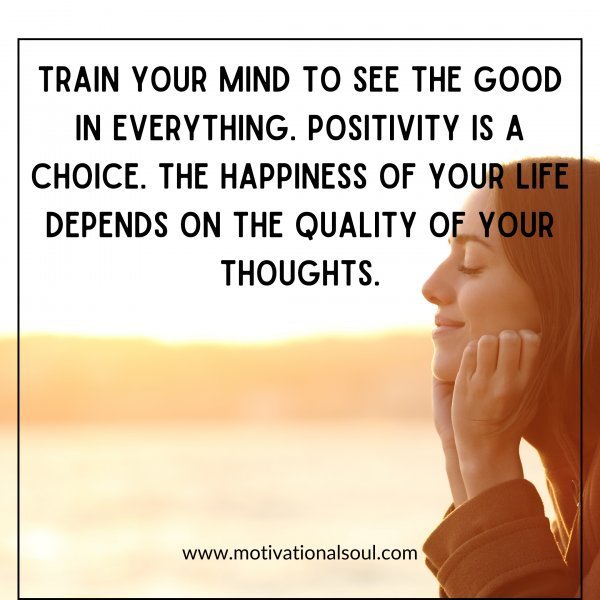
    Train your mind to see the good in everything. Positivity is a choice. The happiness of your life depends on the quality of your thoughts.
    Train your mind to see the good in everything. Positivity is a choice. The happiness of your life depends on the quality of your thoughts.

    Why is Positivity Important?

    Positivity is important because it can help you achieve your goals. When you are positive, you have a better attitude and are more likely to take action. You are also more likely to attract people and opportunities into your life. Additionally, positivity has been linked to better physical health, increased happiness, and improved stress management.

    Ways to Be More Positive

    Fortunately, there are some things you can do daily to lead a more optimistic life. If you want to be more positive, try out these techniques:

    1. Practice Gratitude:

    One way to become more positive is to focus on the things you are grateful for. Make it a habit to list three things you are thankful for each day. This could be anything from your happy and healthy family to your cozy bed at night.

    When you focus on what you have, rather than what you lack, you will start to see all of the good in your life. Implementing this will help increase your overall positivity.

    Additionally, try to express gratitude to others when they do something nice for you. This can help create a positive feedback loop and make both parties feel good!

    Gratitude is a wonderful method to shift your attention away from the negative and toward the positive.

    2. Look forward to the moment.

    One way to stay positive is to live in the moment and savor the small joys in life. When you are caught up in worries about the future or regrets about the past, you miss out on all of the good that is happening right now. Try to focus on what is going well in your life at the moment. Maybe you are enjoying a delicious meal, spending time with loved ones, or taking a walk in nature. Whatever it is, savor the experience and be present.

    Appreciate all of the good in your life by living in the moment. This will assist you in feeling better in general. It can be tough to stay present when life gets busy and stressful. However, with time, it will get easier.

    Living in the moment is a great way to appreciate all of the good that is happening in your life.

    3. Practice being present.

    One of the best ways to be more optimistic is to focus on the present moment. When you’re caught up in worrying about the future or dwelling on the past, it’s easy to forget all of the good things that are happening right now.

    Take a few moments each day to focus on your breath and being in the present moment. This will help you to appreciate the good things in your life and let go of any negativity.

    4. Smile more.

    Smiling is one of the easiest and most effective ways to be more positive. When you smile, it not only makes you feel happier, but it also makes those around you feel better as well. So next time you’re feeling down, take a moment to smile and see how it changes your mood.

    5. Use Positive Affirmations.

    By reciting positive affirmations daily, you condition your mind to respond more positively in real-world situations. This increases confidence and overall positivity. Some examples of positive affirmations include: “I am worthy of love and happiness,” “I am strong and capable,” or “I am grateful for all the good in my life.”

    Choose a few affirmations that resonate with you and repeat them to yourself throughout the day.

    6. Spend time with positive people.

    The people you spend the most time with have a big impact on your overall mood and outlook on life. If you want to be more positive, make an effort to spend time with people who are upbeat and optimistic. Avoid spending too much time with Negative Nancys or energy vampires who will only bring you down.

    The Qualities of Positive People

    Positive people are not just born that way – they work at it. They have to make a concerted effort to think and act in positive ways, which then becomes a habit. If you’re looking to be more positive, here are some qualities of positive people that you can adopt:

    • Keeping a positive outlook.
    • Thankful
    • Discovering answers
    • Helpful
    • Compassionate
    • Happy
    • Upbeat
    • Humorous

    Benefits of Being Positive

    A positive outlook on life can lead to several benefits, including:

    • Better mental well-being: Optimistic People tend to have better mental health. This is because they’re able to cope with stress and setbacks in a more positive way, which leads to less anxiety and depression.
    • Longer life: Studies have shown that people who have a positive outlook on life tend to live longer than those who don’t. One study even found that people who were optimistic in their 50s were 35% less likely to die over the next 20 years than those who were pessimistic.
    • Better physical health: Positive people also tend to have better physical health. One study found that Optimism was linked with a reduced risk of cardiovascular disease, while another found that it was associated with a lower risk of developing a cold or the flu.
    • Increased happiness: Not only does being positive lead to a longer and healthier life, but it also leads to a happier one. Optimistic people tend to be more satisfied with their lives overall and report higher levels of happiness than those who are pessimistic.
    • Stronger relationships: Positive people also tend to have stronger relationships. This is because they’re more likely to see the good in others and be more forgiving. They’re also more likely to attract positive people into their lives.

    Potential Pitfalls of Being a Negative Thinker

    While there are many benefits to being positive, there are also some potential pitfalls of being a negative thinker. These include:

    • Missing out on opportunities: If you’re always looking for the worst in every situation, you’re likely to miss out on a lot of good opportunities. Life is full of ups and downs, and you won’t be able to enjoy the good times if you’re always expecting the worst.
    • Increased stress and anxiety: Negative thinking can also lead to increased levels of stress and anxiety. This is because you’re constantly worrying about things that may never happen.
    • Isolation: If you’re always looking at the negative side of things, you’re likely to push people away. Over time, this can lead to feelings of isolation and loneliness.
    • Difficult to feel motivated: It can be difficult to feel motivated when you’re always thinking negative thoughts. This is because you’re not focusing on the good that can come from taking action.
    • Difficult to take care of yourself: When you’re always thinking negative thoughts, it can be difficult to take care of yourself. This is because you’re not focused on the positive aspects of taking care of yourself, such as feeling good about yourself and having more energy.

    Can You Be a Positive Person?

    Yes, you can be a positive person. You can also be an optimist. But being positive all the time isn’t easy, and it doesn’t mean that you have to deny the existence of negative emotions. Here are some tips for how to be more optimistic:

    • Start each day with a positive thought.
    • Find the positive in every situation.
    • Don’t dwell on negative thoughts.
    • Focus on what you can control.
    • Make an effort to connect with positive people.
    • Be patient and persistent.
    • Believe in yourself.
    • Practice gratitude.

    Positivity is a choice. You can choose to focus on the positive or the negative. It’s up to you. But if you want to be more optimistic, it takes effort and practice. Just like anything else worth having, it won’t happen overnight. But if you make a conscious effort to be positive, over time it will become more natural and easier. So start today, and see how being more positive can improve your life.

    Conclusion:

    Positivity and optimism are important for a happy and successful life. While it may be difficult to maintain a positive outlook all the time, there are many things you can do to improve your attitude. By setting realistic goals, staying mindful of your thoughts and emotions, and practicing gratitude, you can train your brain to be more positive. When you make positivity a habit, you’ll be better equipped to handle whatever life throws your way.

    What are some of your favorite tips for staying positive? Share them in the comments below!

    Thank you for reading!

    Frequently Asked Questions:

    Q: How do you stay optimistic?

    A: There are many things you can do to stay optimistic. Some tips include setting realistic goals, staying mindful of your thoughts and emotions, practicing gratitude, and spending time with positive people. Additionally, it’s important to find things that make you happy and enjoy your life. When you make positivity a habit, it will be easier to maintain a positive outlook.

    Q: What are the benefits of being positive and optimistic?

    A: Some benefits of being positive and optimistic include improved mental and physical health, increased happiness and satisfaction with life, better relationships, and greater success. Additionally, optimistic people tend to age more slowly and live longer than those who are negative.

    Q: Why is it important to be positive?

    A: Positivity is important for many reasons. It can improve your mental and physical health, make you happier and more satisfied with life, help you build better relationships, and lead to greater success. Additionally, positivity can help you age more slowly and live longer.

    Q: How can I change my mindset to be more positive?

    A: If you’d like to change your mindset to be more positive, there are a few things you can do.

    • First, pay attention to your thoughts and emotions. If you notice yourself thinking negative thoughts, try to counter them with positive ones.
    • Additionally, focus on practicing gratitude and spending time with positive people.
    • Finally, make an effort to do things that make you happy. With some practice, you can develop a more positive outlook.

    Q: What are some techniques for staying positive?

    A: There are many techniques you can use to stay positive. Some tips include setting realistic goals, staying mindful of your thoughts and emotions, practicing gratitude, and spending time with positive people.

    Additionally, it’s important to find things that make you happy and enjoy your life. When you make positivity a habit, it will be easier to maintain a positive outlook.

    Q: What should I do if I’m feeling down?

    A: If you’re feeling down, there are a few things you can do to try and improve your mood. First, take some time to identify what might be causing your negative emotions. Once you know what the problem is, try to come up with a solution. Additionally, it can be helpful to practice gratitude or spend time with positive people. Sometimes, simply doing something you enjoy can help boost your mood.

    Q: How can I stop being negative?

    A: If you’d like to stop being negative, there are a few things you can do.

    • First, pay attention to your thoughts and emotions. If you notice yourself thinking negative thoughts, try to counter them with positive ones.
    • Additionally, focus on practicing gratitude and spending time with positive people.
    • Finally, make an effort to do things that make you happy. With some practice, you can develop a more positive outlook.

    Q: What is the best way to stay positive?

    A: There is no one “best” way to stay positive. However, there are many things you can do to improve your chances of maintaining a positive outlook. Some tips include setting realistic goals, staying mindful of your thoughts and emotions, practicing gratitude, and spending time with positive people.

  • Quote: I love places
that make you
realize how tiny
you

    Quote: I love places that make you realize how tiny you

    I love places
    that make you
    realize how tiny
    you and your
    problems are.

  • Quote: Grudges
become toxic,
burdens becom
heavy and some

    Quote: Grudges become toxic, burdens becom heavy and some

    Grudges
    become toxic,
    burdens becom
    heavy and some
    people become
    overwhelming.
    It’s so important
    to learn to
    let go.

  • Quote: Open-minded people do not impose their beliefs on others. They just

    Quote: Open-minded people do not impose their beliefs on others. They just

    Open-minded people do not impose their beliefs on others. They just accept all of life’s perspectives and realities, doing their own thing in peace without judgement.

  • Quote: Everyone teaches you a lesson in life. Never forget three types of

    Quote: Everyone teaches you a lesson in life. Never forget three types of

    Everyone teaches you a lesson in life. Never forget three types of people in your life: 1. Who helped you in difficult times. 2. Who left you at difficult times. 3. Who put you in difficult times.