Tag: Positive Thinking

  • Exploring Emotional Wellness: What It Is and Why It Matters

    Exploring Emotional Wellness: What It Is and Why It Matters

    When you think about “wellness,” what images drift through your mind? Do you see a robust body brimming with vitality? A crystal-clear intellect spinning with creativity? Or a calm existence enriched by restful moments and shared laughter? All of these layers of wellness certainly matter. But there’s one domain that often stays tucked away in the background: emotional wellness. In this piece, we’ll explore what emotional wellness truly involves, why it’s so indispensable, and how you can intentionally nurture it in your own life.

    Quote #1: “Your present circumstances don’t determine where you can go; they merely determine where you start.” — Nido Qubein

    WHAT IS EMOTIONAL WELLNESS?

    Emotional wellness is the art of identifying, guiding, and engaging with your feelings in a manner that sustains a balanced and hopeful outlook. It means trusting in your own inner strength, believing you can endure life’s sudden tempests without letting them unravel you. When you’re emotionally well, you approach life’s surprises with poise and compassion—both for yourself and others—relying on supportive people when you need extra help, and discovering authentic happiness in small, everyday moments.

    WHY DOES EMOTIONAL WELLNESS MATTER?

    Emotional wellness holds just as much significance as your physical fitness or intellectual acuity. If your emotional world is out of harmony, it can sabotage nearly every other dimension of your life. You might feel swamped by tasks at work, struggle to concentrate on school assignments, or retreat from social engagements. Moreover, unchecked anxiety and stress can provoke physical problems—such as headaches, stomach issues, or restless nights. Placing emotional wellness front and center safeguards your entire being, paving the way toward a healthier, more rewarding life.

    Quote #2: “The greatest wealth is health.” — Virgil

    THE HISTORY OF EMOTIONAL WELLNESS

    Although it can seem like a modern buzzword, the idea of governing one’s emotions stretches back centuries. Aristotle, for instance, championed the importance of refining our emotions to lead a virtuous life. In the early 1800s, Johann Friedrich Herbart also emphasized emotional self-command. The phrase “emotional wellness” itself, however, wasn’t commonly used until the mid-20th century. Influential figures like American psychiatrist Harry Stack Sullivan connected emotional well-being to broader mental health, while psychologist Abraham Maslow included emotional needs within his famous hierarchy. Recent research continues to underscore how nurturing our emotional lives boosts immunity, supports cardiovascular health, and may even prolong our longevity.

    HOW EMOTIONAL WELLNESS AFFECTS YOUR LIFE

    When your emotional balance wavers, the impact can echo through your relationships, sense of purpose, and daily routines. Stress and unwanted emotions might distance you from the people you care about, interfere with your ability to excel in your work, or rob you of satisfaction in everyday life.

    1. Relationships
      Our emotional landscape shapes how we connect with others. If you feel calm and content, you’re more likely to open up and be genuine with friends and family. When heavy emotions like sadness or frustration take root, you might instinctively pull away or erect barriers. Meanwhile, solid emotional wellness promotes a gentler, more patient bond with yourself, which in turn enriches how you interact with loved ones.
    2. Work and School
      Emotional wellness energizes productivity and mental clarity. A composed mind has an easier time focusing—whether you’re tackling a complex work project or preparing for a key exam. Low stress levels free you from mental haze, enabling you to make sound decisions and give your best effort.
    3. Mental Health
      While not identical to mental health, emotional wellness is a crucial ingredient. Emotional wellness zeroes in on how we process and express our feelings, whereas mental health encompasses a broader spectrum. Strengthening emotional wellness can bolster your overall mindset and equip you to handle life’s rollercoaster of highs and lows.

    BENEFITS OF STRONG EMOTIONAL WELLNESS

    • Boosts your immune response
    • Encourages a healthier cardiovascular system
    • Potentially extends your lifespan
    • Helps curb stress
    • Heightens your ability to concentrate
    • Promotes wiser decision-making
    • Enriches self-esteem and interpersonal relationships

    Quote #3: “It is not the load that breaks you down, it’s the way you carry it.” — Lou Holtz

    THE IMPACT OF POOR EMOTIONAL WELLNESS

    Overlooking your emotional environment can yield severe consequences. Lingering stress and unaddressed emotional struggles can escalate into anxiety or depression, sap your energy levels, and even harm your physical well-being. It can also create rifts in your relationships and hinder your accomplishments in your job or coursework. Spotting the signs of emotional overwhelm is the first step toward releasing yourself from its grip.

    HOW TO OPTIMIZE YOUR EMOTIONAL WELLNESS

    Cultivating emotional wellness involves both self-reflection and deliberate effort. Fortunately, there are many practical ways to strengthen this dimension of your life.

    1. Practice Mindfulness
      Mindfulness means immersing yourself in the present—observing thoughts, feelings, and physical sensations without assigning judgment. Techniques such as meditation, measured breathing, or a simple walk outdoors can anchor you in the now, granting a clearer perspective on your emotions.

    Quote #4: “In the midst of movement and chaos, keep stillness inside of you.” — Deepak Chopra

    1. Connect and Communicate With Others
      Spending genuine time with people who uplift you can do wonders. Whether it’s an honest conversation with a family member or a spontaneous coffee break with a friend, open dialogue strengthens bonds and helps you move through emotional hurdles more smoothly.
    2. Manage Stress
      Stress, when allowed to wander unchecked, can gradually seep into every corner of your life. Identify your primary stress triggers and tackle them head-on by employing time management, journaling, or clear boundary-setting. Don’t forget to incorporate leisure—like painting, yoga, or reading—to reset your mental state.
    3. Take Care of Your Physical Wellbeing
      Our emotional resilience is closely woven to our physical condition. Fueling your body with nutrient-rich food, staying active, and sleeping well provide a sturdy framework for emotional stability. Even small acts of physical self-care—like a relaxing bath or sipping herbal tea—can significantly restore a sense of calm.
    4. Work Towards a Balanced Life
      Strive to divide your time in a way that allows for meaningful work, play, and rest. Balance doesn’t look the same for everyone, but by allocating moments for personal hobbies, connection with others, and introspection, you craft a rhythm that keeps you grounded and fulfilled.
    5. Sleep
      Nothing fuels emotional health more powerfully than quality rest. Poor sleep can leave you feeling prickly, scatterbrained, and more prone to stress-related ailments. Aim for enough uninterrupted rest to rise each morning genuinely restored.

    Quote #5: “Happiness is not something readymade; it comes from your own actions.” — Dalai Lama

    Ultimately, emotional wellness nurtures your ability to ride out life’s natural ebb and flow with perseverance and self-kindness. By regularly tending to your emotional wellbeing—through mindfulness, supportive social circles, stress management, physical care, and creating a healthy work-life balance—you pave the way for a life richer in vitality, love, and meaning. A sound mind and a content heart feed each other, and investing in one will inevitably strengthen the other.


  • Interesting Meditation Facts to Help You Get Started

    Interesting Meditation Facts to Help You Get Started

    If you’re like many people, you might conjure up meditation as an enigmatic rite reserved solely for monks tucked away in remote temples. In truth, meditation can be embraced by anyone, regardless of spiritual or religious orientation. Practiced consistently, it can shower you with a host of benefits.

    Meditation is a time-honored custom that has guided countless individuals to relaxation, mental lucidity, and enhanced well-being. During a session, you anchor your focus on one object or concept, allowing stray ideas and distractions to slip away. This gentle pivot of the mind can usher in a calm clarity and nurture a sense of inner serenity.

    There are countless forms of meditation, and you’re free to explore them in varied ways. Some people choose complete stillness, while others prefer guided meditations or ambient music. There’s no one-size-fits-all approach—experiment until you discover the method that resonates with you.

    Some Fascinating Meditation Insights

    You Don’t Have to Purge Every Thought
    Many folks assume meditation demands a mental blank slate. Not so. Plenty of beginners find it more manageable to stabilize their attention on a single thought or object. Zeroing in on your breath, for instance, can be soothing: settle into a comfortable position and immerse yourself in each inhale and exhale. If your mind drifts, gently steer it back. Over time, you’ll likely sharpen your focus and reap a full range of meditation’s rewards.

    You Won’t Always Feel Serene
    Starting out, you might expect every session to deliver a wave of tranquility. Yet, there will be days when your mind scurries in all directions, leaving calm seemingly out of reach. That’s completely normal—stick with it, remain patient, and a sense of peace will gradually emerge.

    Try these tips when meditation feels especially thorny:
    • Don’t quit – results often need time, so keep going despite the discomfort.
    • Practice patience – the mind doesn’t always settle on command; give yourself room to grow.
    • Acknowledge thoughts as they arise – notice them, let them drift by, and gently refocus on your breath.

    With commitment, meditation becomes more natural and fulfilling. Even on chaotic days, every effort nudges you forward.

    Meditation Doesn’t Require You to Stay Inactive
    We typically associate meditation with cultivating calm and inner harmony, and while it can certainly open the door to both, these tranquil moments can also sneak up on you in everyday life. You might sense stillness while strolling outside, sharing a quiet space with someone, or simply tuning in to your breath. These episodes remind us that you don’t need extended, formal sessions to experience meditative calm—it can be woven into any moment.

    You Don’t Need Endless Hours
    Think you’re too hurried to meditate? Even short intervals can help dissolve stress and encourage relaxation. Consistency beats occasional marathon sessions every time.

    Try starting with just five minutes a day, then gradually lengthen your practice as you feel more comfortable. You’re not aiming to obliterate all thoughts—simply center on your breath and let wandering notions drift by. With a steady routine, you’ll likely notice a boost in your overall well-being.

    You Can Practice Despite Obstacles
    You don’t need to perfect your mind to begin meditating. Challenges will pop up, but patience and persistence are the key. If restlessness arises, pause for a calming breath and gently reset. You’re not striving for a pristine mental canvas—just to rest in the present. Given time, meditation usually becomes more effortless and even pleasant. And you might uncover remarkable perks for both body and mind.

    Bliss Won’t Always Arrive
    Meditation has roots stretching back centuries and can significantly reduce stress, ease anxiety, and sharpen focus. Still, it’s not an instant cure-all. There will be days when your mind chatters on like a runaway train. The solution is to persevere. With practice, you’ll learn how to quiet the noise and cultivate genuine inner calm.

    Drifting Off Is Perfectly Fine
    Although the ultimate goal of some meditation styles is pure awareness, there are numerous methods, each with its own rewards. One common myth says that nodding off undermines your session. Yet some practices, like yoga Nidra, encourage you to settle into restfulness. Advocates claim that dozing during meditation can spark both mental and physical renewal, and research points to yoga Nidra as helpful in relieving stress, enhancing sleep quality, and reducing anxiety or depression. If you sometimes drift into slumber during a session, don’t sweat it—it might be exactly what you need.

    It’s Not a Carbon Copy of Therapy
    While meditation is often linked to calming the mind, it can do much more. Studies show it can lessen chronic pain, ease anxiety and depression, and even boost cognitive performance by increasing grey matter in the brain. Though it’s not a silver bullet, meditation is a powerful tool for fostering both mental and physical resilience. If you’re seeking fresh ways to support your health, consider giving it a go.

    Misconceptions about meditation pop up just about everywhere. Hopefully, these insights dispel a few myths and deepen your understanding of how meditation actually works. The trick is to stay patient, keep practicing, and remain open to learning. In time, you may be amazed by the positive shifts a regular meditation habit can usher into your life.

  • 12 Simple Ways to Become a Nicer Person

    12 Simple Ways to Become a Nicer Person

    Do you ever sense the world bristling with tension? It can feel deflating to hold onto hope when so many people appear edgy or impatient. The good news is that you wield genuine influence over how you relate to others—beginning this very moment. In the paragraphs below, we’ll explore 12 concrete strategies to foster a gentler, more compassionate version of yourself, along with tips for weaving these habits into your daily life. If you’re ready to sprinkle a touch more empathy into your everyday routine, read on!

    How to Grow into a Kinder Person

    Despite what you may assume, developing a more cordial spirit is often less complicated than it seems. You can exude warmth, understanding, and sincere concern each day through small, purposeful decisions. Below are 12 steps to illuminate your path:

    1. Act With Kindness
      One vital stride toward becoming friendlier is deliberately choosing to act with kindness. We can get so enmeshed in our daily patterns that we overlook how simple gestures can light up someone’s day. Whether it’s offering a gentle smile, helping a neighbor unload groceries, or simply lending an attentive ear, these compassionate moments gradually reshape your surroundings. As you practice empathy, you’ll discover how boosting someone else’s spirits can unexpectedly lift your own.
    2. Avoid Being Overly Critical
      Nobody is free of flaws—we’re all wrestling with our own troubles. Still, some people gravitate toward fault-finding instead of acknowledging the good. If you notice yourself focusing on imperfections too often, pause and look for what’s admirable in others. Give authentic compliments and remember that each person carries hidden burdens. You might be pleasantly surprised by how adopting a brighter lens uplifts you—and everyone in your orbit.
    3. Be Honest
      “Honesty is the best policy” may sound overused, but it remains spot-on. Dishonesty tends to create a spiral of guilt and apprehension that rarely pays off. People trust and value you more when you’re transparent. Moreover, honesty paves the way for deeper kindness by fostering mutual respect and genuine bonds. When you find yourself tempted to stretch the truth, ask: “Is this worth the inner turmoil I’ll feel later?”
    4. Be Nice to Yourself
      Curiously, the journey toward being kinder to others begins with kindness toward yourself. We’re often our own toughest judges, magnifying mistakes and discounting triumphs. Instead, try extending yourself some forgiveness. Recognize your stumbles as lessons, not reasons to linger in self-criticism. By nurturing self-compassion, you spark a more caring mindset that effortlessly spills over into kinder interactions with those around you.
    5. Be Considerate of Others
      In addition to treating yourself well, make a deliberate effort to be mindful of others. Pause and imagine life through their perspective, even if they annoy or upset you. Forgiveness is a powerful gift, not merely for them but for your own peace of mind. Resist the urge to spread rumors or tear others down behind closed doors. Aim to shine a softer, more positive light. You may find that goodwill bounces back to you in unexpected ways.
    6. Smile More
      Sometimes, the most modest gesture can create the biggest ripple. Smiling is remarkably contagious, and it has the power to shift someone’s day in an instant. When you’re out running errands or just strolling, offer a warm smile to passersby. A genuine grin not only brightens others’ moods but can also melt away your own stress, leading to surprising moments of connection and happiness.
    7. Be Open-Minded
      Staying open-minded is one of the surest ways to nurture kindness. Rather than outright rejecting opinions that clash with yours, try to understand how someone arrived at their viewpoint. What events shaped their thinking? Which experiences steered them to this place? By stepping momentarily into another person’s shoes, you begin to dismantle preconceived notions and see the humanity behind their beliefs. Curious respect can mend rifts and encourage understanding.
    8. Be Polite
      Spreading warmth doesn’t require grand displays. Everyday politeness can serve as a powerful spark for kindness. Hold a door open for a stranger, offer your seat on public transport, or give a quiet nod of encouragement to a colleague under pressure. Seemingly small courtesies can leave lasting positive impressions and help cultivate a more compassionate atmosphere wherever you roam.
    9. Avoid Negativity and Gossip
      If you aspire to be kinder, try distancing yourself from negative chatter and gossip. Instead, focus on the uplifting dimensions of life and the praiseworthy qualities of those around you. When you notice yourself drifting into harsh thoughts or trivial rumors, pause and consider a more empathetic angle. This approach encourages a mindset that values understanding over faultfinding.
    10. Be Assertive
      Assertiveness isn’t about being domineering; it’s about clearly articulating your boundaries and needs. By communicating respectfully, you reduce confusion and nurture mutual regard. Assertiveness also fosters kindness by preventing hidden resentment from festering. Voicing your truth gracefully shows others that you hold both yourself and them in high esteem.
    11. Try to See Things From Other People’s Perspectives
      Cultivating empathy is a cornerstone of being kinder. The next time criticism or gossip creeps in, pause and pivot your viewpoint. Reflect on the experiences, fears, or struggles that could shape someone’s behavior. Even if you don’t align with their stance, the willingness to empathize can soften harsh judgments and foster more meaningful connections.
    12. Do Something Nice for Somebody Every Day
      Consistency transforms kindness into second nature. Challenge yourself to perform one thoughtful act each day—keep a door open, offer a heartfelt compliment, or send an encouraging message. Over time, these intentional moments of goodwill become woven into who you are, creating a ripple effect of compassion in your life and the lives of those you touch.

    Conclusion
    Embracing a kinder outlook often grows from simple, conscious decisions. The 12 ideas above provide a helpful launchpad, but the course of your kindness journey is entirely in your hands. By incorporating these actions into your daily routine, you’ll gradually evolve into someone who brightens every space they enter. Which step will you explore today?

  • The Power of Radical Acceptance: Why You Should Start Practicing It Today

    The Power of Radical Acceptance: Why You Should Start Practicing It Today

    We all know that feeling: the one where we can’t seem to do anything right. We mess up at work, our relationships are a disaster, and we just can’t catch a break. We spend so much time dwelling on our mistakes that we eventually start to believe that we’re just not good enough. This is where radical acceptance comes in. If you’re ready to start practicing radical acceptance, keep reading!

    What is Radical Acceptance?

    Radical acceptance is the practice of accepting ourselves and our circumstances exactly as they are, without judgment. It’s difficult to be content with who we are when society tells us that we need to improve ourselves constantly. So when things don’t go our way, it’s easy to beat ourselves up and think we’re not good enough.

    Normal Acceptance vs. Radical Acceptance

    Let’s say you’ve just been passed over for a promotion at work. With normal acceptance, you would acknowledge that it hurts to be passed over, but you would also try to move on as quickly as possible. Maybe you’ll start looking for a new job or reassess your goals at your current company.

    With radical acceptance, however, you would completely accept the situation for what it is. You would allow yourself to feel the pain and hurt of being passed over without trying to push those feelings away. At the same time, you would also accept that this is where you are right now, and that’s OK.

    Why Radical Acceptance Is So Powerful

    Radical acceptance is powerful because it takes judgment out of the equation. When we’re constantly judging ourselves and our circumstances, we’re not giving ourselves a chance just to be. We’re not allowing ourselves to feel our emotions fully or experience life in the present moment.

    Radical acceptance is also powerful because it can help us find peace in difficult situations. If we can learn to accept ourselves and our circumstances, we can stop struggling so much and find some peace and calm in the midst of chaos.

    Who Should You Practice Radical Acceptance?

    Radical acceptance is for everyone! But it can be especially helpful for people who struggle with perfectionism, self-criticism, and anxiety. If you’re someone who constantly beats yourself up for your mistakes or feels like you can never do anything right, radical acceptance can help you learn to love and accept yourself just as you are.

    Benefits of Radical Acceptance

    • It helps us learn to love and accept ourselves, even when things are tough.
    • It allows us to see ourselves and our lives in a new, more positive light.
    • It can be especially helpful for people who struggle with perfectionism, self-criticism, and anxiety.
    • It teaches us that we are imperfect beings but that our imperfections do not make us unworthy of love and happiness.
    • It helps us to let go of the negative thoughts and emotions that are holding us back from living our best lives.

    Origins of Radical Acceptance

    Radical acceptance is a concept that psychologist Marsha Linehan popularized. Linehan is the creator of Dialectical Behavior Therapy (DBT), a type of therapy that has been shown to be very effective in treating people with Borderline Personality Disorder (BPD). In her work, Linehan noticed that many of her clients struggled with self-acceptance. They were constantly berating themselves for their mistakes and feeling like they were never good enough.

    Linehan realized that these clients would never be able to recover from their mental illness unless they learned to accept themselves, so she created the concept of radical acceptance as a way to help her clients do just that.

    Indicators of Lack of Acceptance

    There are some telltale signs that you might need to work on self-acceptance. If you find yourself constantly beating yourself up for your mistakes, feeling like you’re not good enough, or struggling with perfectionism, radical acceptance can help. Other indicators that you might need to work on your self-acceptance include:

    • You’re never satisfied with yourself or your life.
    • You’re always comparing yourself to others and coming up short.
    • You have a hard time letting go of mistakes or failures.
    • You struggle with anxiety or depression.
    • You have a hard time celebrating your accomplishments because you think they’re not good enough.
    • You’re always striving for perfection and feel like you can never do anything right.
    • You find it difficult to accept compliments from others.
    • You struggle with anxiety or depression.

    Reasons for Lack of Acceptance

    Some people are raised in environments where they’re constantly told they need to be better, do better, or look better. Others might have experienced trauma or abuse that has led them to believe they’re not worthy of love and happiness. There are many reasons why someone might struggle with self-acceptance.

    Perfectionism

    One of the main reasons why perfectionism is not more widely accepted is because it is often viewed as a form of self-indulgence. Perfectionists are often accused of being vain and self-absorbed, concerned only with their own appearance or achievement. However, this is far from the truth. Perfectionism is a very demanding standard that requires a great deal of dedication and effort to meet.

    Perfectionists are often highly successful people who have achieved a great deal in their field. They are also usually very talented and skilled individuals who have a strong desire to be the best at what they do. The reason why perfectionism is not more widely accepted is that it is often misunderstood. Perfectionists are not simply people concerned with their appearance or achievement; they have a strong desire to be the best at what they do.

    Self-Criticism

    People may be reluctant to accept compliments because they are afraid of being seen as conceited or arrogant. This fear of self-criticism can be especially pronounced in people who have low self-esteem. When someone pays us a compliment, we may worry that we are not worthy of the praise and that the other person will see us as we truly are: flawed and imperfect. This fear can prevent us from fully enjoying the moment and appreciating the kind words that have been spoken.

    However, it is important to remember that everyone is imperfect and that we all deserve to be praised for our accomplishments, no matter how small. By learning to accept compliments graciously, we can allow ourselves to feel happier and more confident.

    Anxiety

    It is commonly accepted that public speaking is the number one fear people have. Other things that may rank high on people’s list of fears are things like dying, heights, spiders, snakes, and flying. So what is it about public speaking that creates such anxiety? It could be the fear of being judged, the fear of embarrassing oneself, or the fear of not being able to control the situation. Whatever the reason, the fact remains that public speaking is a situation that makes many people very anxious.

    The good news is that there are ways to manage that anxiety and even overcome it. Practice and effort make it possible to become a confident and successful public speaker.

    How to Practice Radical Acceptance

    Learn more about the ways you may enhance your capacity to accept radically. Remember, mastery grows with practice, so keep practicing!

    Keep An Eye Out For Indications That You Are Not Welcoming

    We all have moments when we feel out of step with the world around us. Maybe we’ve just moved to a new town and don’t know anyone, or we’re going through a tough breakup and feeling lonely. Whatever the reason, it’s normal to feel like an outsider from time to time. But if you always feel like this, it may indicate that you need to practice radical acceptance.

    Radical acceptance is the act of accepting people and situations as they are without judgment or resistance. It sounds simple enough, but it can be surprisingly difficult to do.

    The next time you find yourself feeling alone or misunderstood, try practicing radical acceptance. Instead of fighting against the situation, allow yourself to experience it fully. Observe your thoughts and emotions without judgment, and remind yourself that this shall pass. By practicing radical acceptance, you can learn to open yourself up to new experiences and find strength in times of adversity.

    Acknowledge Your Emotions

    It’s important to remember that all emotions are valid. Whether you’re feeling happy, sad, angry, or scared, all of your emotions are valid and deserve to be acknowledged. When you’re feeling down, it can be tempting to push away your negative emotions and try to focus only on the positive. But if you don’t allow yourself to feel your emotions fully, you may find it difficult to move on.

    The next time you’re feeling sad or angry, try practicing radical acceptance. Acknowledge your emotions without judgment, and allow yourself to feel them fully. Once you’ve allowed yourself to experience your emotions, you can then start working on moving past them.

    Radical acceptance is a powerful tool that can help you to manage your emotions and find strength in times of adversity. By practicing radical acceptance, you can learn to open yourself up to new experiences and find peace in the midst of chaos.

    Be Willing To Let Go

    One of the most difficult things about radical acceptance is learning to let go. When we’re faced with a difficult situation, it can be tempting to cling to what’s familiar and comfortable. But if we want to grow and change, we need to be willing to let go of what’s no longer serving us.

    The next time you’re facing a difficult situation, try practicing radical acceptance. Accept that the situation is out of your control, and be willing to let go of what’s no longer serving you. By practicing radical acceptance, you can learn to flow with change and find peace in the midst of chaos.

    Practice Mindfulness

    Mindfulness is the act of being present in the moment without judgment. When you’re mindful, you observe your thoughts and emotions without attachment or resistance. This can be a difficult practice, but it’s essential if you want to learn how to accept people and situations as they are.

    The next time you find yourself feeling stressed or overwhelmed, try practicing mindfulness. Pay attention to your breath, and observe your thoughts and emotions without judgment. By practicing mindfulness, you can learn to be present in the moment and find peace in the midst of chaos.

    Keep In Mind That Reality Cannot Be Changed.

    One of the most difficult things about radical acceptance is realizing that reality cannot be changed. This can be a hard pill to swallow, but it’s an important lesson to learn. When you’re facing a difficult situation, trying to change the way things are can be tempting. But if you want to find peace, you need to accept that reality cannot be changed.

    The next time you find yourself struggling to accept a situation, try practicing radical acceptance. Accept that the situation is out of your control, and remind yourself that reality cannot be changed. By practicing radical acceptance, you can learn to flow with change and find peace amid chaos.

    Remember That This Too Shall Pass

    One of the most comforting things about radical acceptance is remembering that this shall pass. No matter how difficult a situation may be, it’s important to remember that it will eventually come to an end.

    The next time you’re facing a difficult situation, try practicing radical acceptance. Accept that the situation is out of your control, and remind yourself that this shall pass. By practicing radical acceptance, you can learn to flow with change and find peace during chaos.

    Make a Plan Of Action Or What You Will Do

    The final step in learning how to practice radical acceptance is making a plan of action. Once you’ve accepted that the situation is out of your control, it’s time to make a plan of what you will do. This may involve seeking professional help, talking to a friend or family member, or taking some time for yourself.

    The important thing is that you make a plan of what you will do to take care of yourself. By practicing radical acceptance, you can learn to flow with change and find peace during the chaos.

    Coping Statements for Radical Acceptance

    Try using these coping statements if you’re struggling to accept a situation. By practicing radical acceptance, you can learn to flow with change and find peace in the midst of chaos.

    • It’s okay that this happened.
    • I can’t control everything.
    • This, too, shall pass.
    • I am taking care of myself the best I can.
    • I accept myself just as I am.
    • I am doing the best I can with what I have.

    Radical acceptance is a powerful tool that can help you to manage your emotions and find strength in times of adversity. By practicing radical acceptance, you can learn to flow with change and find peace amid chaos. Give it a try today!

    You Might Also Like

  • How to Calm Yourself During a Panic Attack

    How to Calm Yourself During a Panic Attack

    Do you know what to do when you feel a panic attack? Many people don’t. In fact, most people just try to tough it out and hope it goes away. This is the wrong approach. If you have a panic attack, the best thing to do is calm yourself down. This blog post will discuss some of the best ways to calm yourself during a panic attack. We will also provide some helpful tips for preventing panic attacks from happening in the first place!

    Tips to Deal With Panic Attack

    When you feel a panic attack coming on, there are certain things you can do to ease the symptoms. Here are some tips:

    Instead of focusing on your thoughts, reflect on them and write down your feelings.

    When you’re in the middle of a panic attack, it can feel like your thoughts are spiraling out of control. Instead of trying to push them away, reflect on them and write down your feelings. This will help you to see your thoughts for what they are: just thoughts. Once you’ve identified your feelings, it will be easier to calm yourself down.

    Take a few deep breaths and focus on something in the room that makes you feel safe. This could be a picture of loved ones, a favorite book, or a comforting piece of clothing. By focusing on something external, you’ll be able to distract yourself from your thoughts and relax your body. Soon, the panic attack will pass, and you’ll be back to feeling normal again.

    Avoid Shallow Breathing

    One of the most common panic attack symptoms is shortness of breath. This can be accompanied by a feeling of tightness in the chest, which can make it difficult to breathe deeply. However, shallow breathing actually makes anxiety worse, so it’s important to try to take deep breaths during a panic attack.

    One deep breathing technique that can be helpful is to inhale slowly for a count of four, hold your breath for a count of seven, and then exhale slowly for a count of eight. This helps to slow down your breathing and ease the symptoms of a panic attack. In addition, it’s important to focus on something else during a panic attack, such as your favorite song or a picture of your family. Focusing on something else helps to distract you from the physical symptoms of anxiety and allows you to calm down more quickly.

    Breathe
    Breathe

    Use positive affirmations

    Chanting positive affirmations is one of the best ways to calm yourself during a panic attack. By repeating positive statements about yourself, you can override the negative thoughts that are causing you to feel anxious.

    For example, you might say to yourself, “I am safe,” or “I am in control.” You can also use affirmations to remind yourself of your strength and resilience. For example, you might say, “I am strong,” or “I can handle this.” Chanting positive affirmations can help to break the cycle of negative thinking and give you the courage to face your fears.

    STAY POSITIVE EVEN WHEN
    STAY POSITIVE EVEN WHEN

    Visualize yourself in a peaceful place

    Another helpful way to calm yourself during a panic attack is to visualize yourself in a peaceful place. This could be anywhere that makes you feel happy and safe, such as the beach, the mountains, or your favorite park. Relax your eyes and take a few deep breaths in and out. Then, imagine yourself in this peaceful place.

    Picture the details of your surroundings and focus on the positive emotions that you’re feeling. This exercise can help to distract you from your anxiety and allow you to focus on something more pleasant. It will take some time for the anxiety attack to pass, and you’ll be able to relax once more.

    The less you respond to negativity
    The less you respond to negativity

    Let Your Thoughts Flow Naturally

     One of the best things you can do is to let your thoughts flow naturally. Don’t try to force yourself to think positive thoughts or blank out your mind. Instead, let whatever thoughts come into your head pass through your mind without judgment. This can help you to get out of your head and focus on the present moment. Additionally, it can help to take slow, deep breaths and focus on the sensation of air moving in and out of your lungs. This can help to slow down your heart rate and give you a sense of grounding.

    I need a break from my own thoughts.
    I need a break from my own thoughts.

    Don’t let negative people add more stress to your life.

    We all have that friend or family member who loves to add their two cents — even when we don’t want to hear it. When you’re already feeling stressed out, the last thing you need is someone else adding to your anxiety.

    So, if you find yourself in a situation where someone is trying to add more stress to your life, it’s important to remove yourself from the situation. This might mean ending a conversation, leaving a party, or even unfriending someone on social media. Whatever you need to do to protect your peace of mind, do it. Your mental health is always worth more than someone else’s opinion.

    While you can't control someone's negative behavior
    While you can’t control someone’s negative behavior

    Don’t Validate Your Fears.

    One of the worst things you can do when you’re feeling anxious is to try to talk yourself out of your fears. This will only make your anxiety worse. Instead, it’s important to acknowledge your fear and then let it go. This might mean saying something like, “I’m feeling scared right now, but I know I’m safe.” By acknowledging your fear, you’re giving yourself permission to feel it. But by letting it go, you’re also choosing not to give in to it. This can be a helpful way to calm yourself during a panic attack and start to take back control of your thoughts.

    FEAR IS
    FEAR IS

    Don’t Go Out of Control.

    When you have a panic attack, it’s important to remember that you are in control. This can be difficult to do when you’re feeling out of control, but it’s important to remind yourself that your anxiety is not in charge. You are. So, take a few deep breaths and focus on the things you can control. This might mean focusing on your breath, or it might mean repeating a mantra to yourself. Whatever you need to do to feel in control, do it. This can help to calm your anxiety and give you the strength to face your fears.

    You can't control
    You can’t control

    Seek Professional Help

    If you find that your anxiety is impacting your daily life, it’s important to seek professional help. Many resources are available to help you manage your anxiety, and a therapist can work with you to develop a treatment plan specific to your needs. If you’re ready to take the next step, many qualified therapists can help you.

    While these tips can certainly help you to calm down during a panic attack, it’s important to remember that everyone is different. One size does not fit all.

    How to Prevent Panic Attacks

    To help reduce the occurrence of panic attacks, here are a few things you can do:

    Manage Your Stress Levels

    One of the best things you can do to prevent panic attacks is to manage your stress levels. This might mean taking some time for yourself each day to relax and unwind. It could also mean making some changes to your lifestyle, such as eating a healthier diet or getting more exercise. If you’re not sure how to manage your stress, here are some tips:

    • Make time for yourself every day.
    • Find healthy ways to cope with stress.
    • Avoid drugs and alcohol.
    • Get plenty of sleep.

    Identify Your Triggers

    Another helpful way to prevent panic attacks is to identify your triggers. This can be anything from a certain place to a certain smell to a certain time of day. Once you know what your triggers are, you can avoid them or be prepared for them.

    • Keep a journal to identify your triggers.
    • Avoid your triggers if possible.
    • Be prepared for your triggers if you can’t avoid them.

    Exercise regularly

    Exercise is not only good for your physical health but also your mental health. Exercise can help to reduce stress and anxiety, and it can also help to improve your mood. Exercise should definitely be part of your plan if you’re looking for ways to prevent panic attacks.

    • Try to get some exercise every day.
    • Find an exercise routine that you enjoy.
    • Stick with it even when you don’t feel like it.

    Breathe deeply

    Deep breathing is a simple but effective way to calm your mind and body. When you’re feeling anxious, your breathing becomes shallow and rapid. This can make your anxiety worse. But, taking some deep breaths can slow down your heart rate and ease your anxiety.

    Meditate

    Meditation is another great way to calm your mind and body. It can help to focus your thoughts and clear your mind from anxiety. There are numerous methods to practice meditation, so find one that works for you.

    • Make yourself comfortable by sitting or lying down.
    • Take a deep breath in and let it out slowly. As you exhale, feel your stress melting away.
    • Breathe in and out slowly and deeply.
    • Repeat for as long as you need.

    Take Proper Sleep

    Getting enough sleep is vital for your overall physical and mental health. When you don’t get enough sleep, your anxiety levels can increase. To prevent this, make sure you’re getting enough sleep each night.

    • Most adults need between seven and eight hours of sleep per night.
    • Create a bedtime routine to help you relax before bed.
    • Avoid caffeine and screens before bed.
    • Get up and move around during the day to stay alert.

    Final Thoughts

    Anxiety is a normal part of life, but it can be overwhelming at times. If you’re struggling with anxiety, know that you’re not alone. You are not alone in your anxiety. There are many resources readily available to assist you and with some time and effort, you can learn how to control your anxiety and live a happy, healthy life.

    You Might Also Like

  • 15 Tips to Overcome Low Self-Esteem

    15 Tips to Overcome Low Self-Esteem

    Self-esteem is one of the most important aspects of our lives. When we have a strong sense of self-esteem, we feel good about ourselves and our abilities. People with vivid imaginations are more likely to take chances and achieve their objectives. On the other hand, people who struggle with low self-esteem often feel like they are not good enough and tend to shy away from challenges. In this blog post, we will discuss 10 proven tips that will help you overcome low self-esteem and boost your confidence!

    The Negative Impact Of Low Self-Esteem In Everyday Life

    Low self-esteem can creep up on you without you even realizing it. It’s often the result of negative thinking and comparison. When you have low self-esteem, you see yourself as inferior to others and not good enough.

    This can lead to feeling unworthy, undeserving, and unlovable. As a result, you may start to avoid social situations, miss out on opportunities and become withdrawn. Low self-esteem can also make it difficult to stick to your goals and make positive changes in your life.

    The Importance of Overcoming Low Self Esteem

    It’s important to overcome low self-esteem for many reasons. When you have a healthy sense of self-esteem, you’re more likely to take risks and pursue your goals. You’re also more likely to be resilient in the face of setbacks and criticism. People with high self-esteem are generally happier and more content with their lives. They also tend to have healthier relationships. So, if you’re struggling with low self-esteem, it’s time to make a change!

    Some Tips To Help You Overcome Low Self-Esteem

    Confident Body Language

    One of the most effective is to practice confident body language. This means standing up straight, making eye contact, and speaking with clarity and purpose. When you adopt a confident posture, it sends a signal to your brain that you are in control and capable of achieving your goals. In time, this can lead to a real increase in self-confidence. So if you’re looking to boost your self-esteem, start by working on your body language. It may seem like a small change, but it can make a big difference.

    Be confident
    Be confident

    Change Your Negative Thinking Patterns

    One of the first steps to overcoming low self-esteem is to identify and challenge your negative thinking patterns. If you’re constantly putting yourself down and comparing yourself to others, it’s time to make a change.

    • Start by noticing when you’re having negative thoughts and then Challenging them.Consider, if you will, self-defeating statements like “I’m not good enough.” Why do you believe that? Is there any concrete evidence to support that belief?
    • Once you start to question your negative thoughts, you’ll realize that they’re not as true or valid as you thought.

    Focus on Your Strengths and Accomplishments

    Another way to boost your self-esteem is to focus on your strengths and accomplishments. When you take the time to celebrate your successes, it helps you feel good about yourself and your abilities.

    It can be easy to dwell on your mistakes and shortcomings, but it’s important to remember that everyone makes them. Instead of beating yourself up, focus on what you did well.

    For example, if you made a mistake at work, think about the positive things you’ve done in the past or the compliments you’ve received from your boss.

    You can also keep a “Success Log” where you write down your accomplishments, big or small. This is a great way to remind yourself of all the things you’re good at when you’re feeling down about yourself.

    Fight for your rights. Protect your dignity. Otherwise
    Fight for your rights. Protect your dignity.

    Practice Self-Compassion

    The greatest gift you can give yourself is to be kind and understanding to yourself, even when you make a mistake.

    Self-compassion involves treating yourself with the same care and concern that you would show to a good friend. It also means recognizing that everyone makes mistakes and that you are not alone in your struggles.

    If you’re having trouble being compassionate toward yourself, try this out:

    • Try to be understanding and kind to yourself when you make mistakes
    • Realize that everyone makes mistakes, and you are not alone in your struggles
    • Treat yourself with the care and concern that you would show to a good friend.

    Practicing self-compassion can help you overcome low self-esteem and lead a happier, more fulfilling life.

    The ugliest thing that I have ever seen is a human being without compassion.
    The ugliest thing that I have ever seen is a human being without compassion.

    Eliminate perfectionism from your life

    One of the biggest obstacles to self-esteem is perfectionism. If you’re constantly striving for unattainable standards, it’s time to let go of that perfectionism.

    Recognize that no one is perfect and that mistakes are a part of life. Accepting this will help you to be more forgiving of yourself when you make mistakes. It will also help you to set realistic goals, which are key to maintaining self-esteem.

    Making mistakes is better than faking perfection.
    Making mistakes is better than faking perfection.

    Get rid of the things in your life that don’t serve you

    One of the best things you can do for your self-esteem is to get rid of the things in your life that don’t serve you. This includes toxic relationships, negative self-talk, and anything else that brings you down.

    When you eliminate these things from your life, you make room for positive, healthy relationships and activities. This can do wonders for your self-esteem and overall well-being.

    Get More Exercise 

    One of the most effective ways to boost your self-esteem is to get more exercise. Exercise releases endorphins, which have mood-boosting effects. Not only does it help improve energy levels, but it also promotes better sleep..Furthermore, exercise can help to increase muscle mass and bone density, leading to a stronger and healthier body. And when you have a strong and healthy body, you’ll feel better about yourself both physically and mentally. So if you’re struggling with low self-esteem, make a commitment to get more exercise. It could be the key to unlocking a happier and more confident you.

    Meditation and Mindfulness 

    Meditation and mindfulness are two more great tools for overcoming low self-esteem. Meditation helps to focus and calm the mind, while mindfulness allows you to be more present in the moment.

    Both of these practices can help you to become more aware of your thoughts and feelings. This can help identify negative thought patterns that contribute to low self-esteem. Once you’re aware of these patterns, you can start to change them.

    Spend time with positive people

    The people you spend your time with can have a big impact on your self-esteem. If you’re around negative people who are always putting you down, it’s going to be hard to feel good about yourself. On the other hand, spending time with positive people who support and encourage you can do wonders for your self-esteem.

    So if you’re looking to improve your self-esteem, make an effort to spend more time with positive people. This could be friends, family members, or even co-workers. Surrounding yourself with positive people will help you to see the good in yourself and feel better about who you are.

    Stay positive even when
    Stay positive even when

    Do things that make you happy

    When you’re struggling with low self-esteem, it’s important to do things that make you happy. This can help to take your focus off of your negative thoughts and give you a boost of confidence.

    Think about the things that make you feel good and make an effort to do them more often. This could be anything from reading, spending time outdoors, or listening to music. When you do things that make you happy, you’ll start to feel better about yourself and your life.

    Practice gratitude 

    Gratitude is another powerful tool for overcoming low self-esteem. When you’re feeling down, take a moment to think about the things in your life that you’re grateful for. It could be your health, family, or friends; anything else that is essential to you.

    Focusing on the positive aspects of your life might help you to appreciate what you have. This can shift your focus from your negative thoughts and give you a more positive outlook.

    Happy are those who take life day by day
    Happy are those who take life day by day

    Give yourself some credit 

    One of the reasons why people struggle with low self-esteem is because they’re too hard on themselves. If you’re always putting yourself down and beating yourself up for your mistakes, it’s going to be hard to feel good about yourself.

    Instead of being so critical of yourself, try to give yourself some credit. Acknowledge your accomplishments and strengths, and be gentle with yourself when you make a mistake. This will help you to have a more positive view of yourself and start to feel better about who you are.

    Cut yourself some slack 

    In addition to being too hard on themselves, many people are also too hard on themselves when it comes to their appearance. If you’re not happy with the way you look, it can be tempting to beat yourself up about it.

    Instead of being so critical of your appearance, try to cut yourself some slack. We should always remember that every person is special and has their own individual beauty. Accepting yourself for who you are is an important step in overcoming low self-esteem.

    Focus on your strengths 

    A great strategy to gain more confidence is by emphasizing your strengths. When you’re feeling down about yourself, take a moment to think about the things you’re good at. This could be anything from your ability to communicate, your creative skills, or your sense of humor.

    Focusing on your strengths can help you to see the good in yourself. It can also give you a boost of confidence and make you feel better about who you are.

    Seek professional help 

    If you’re struggling to overcome low self-esteem on your own, it may be time to seek professional help. A therapist can provide you with support and guidance as you work through your negative thoughts and patterns.

    Therapy can be an incredibly valuable tool for overcoming low self-esteem. If you would like to consult a professional, start by talking to your doctor or researching therapists in your area.

    Low self-esteem can be a difficult thing to deal with. But with these tips, you can start to overcome low self-esteem and feel better about yourself. Remember to go slowly and be kind to yourself. With dedication, you will start to feel better about your identity eventually.

    You Might Also Like

  • Make Your Mind feel better Instantly

    Make Your Mind feel better Instantly

    Sometimes it feels better not to talk at all
    Sometimes it feels better not to talk at all

    There are days when your mind just feels icky. Maybe you can’t seem to shake off a bad mood, or you’re reliving a painful memory on repeat. On days like this, it can feel impossible to think straight, let alone be productive. But there are some small things you can do to instantly make your mind feel better. Here are some of them:

    Get rid of negative self-talk – replace it with positive affirmations

    It can be hard to replace negative self-talk with positive affirmations, especially when it feels like we’ve been stuck in an endless loop of self-doubt. But remember, you are not alone in your journey to banish negativity and develop a healthy relationship with yourself.

    Start as small as possible: Choose one thing that you like about yourself and repeat it to yourself often. Whether it’s telling yourself that you’re strong or confident in your skills, find which words resonate best with you and use them to write down and create a mantra for yourself. This can help remind you of all the amazing qualities that YOU possess; qualities that no one else shares but you. All the knowledge and tools needed to tackle negative self-talk are within us – let’s start embracing them today!

    Spend time in nature – take a walk, sit in the park, or go for a hike

    Spending time in nature is a great way to ground yourself, boost your mood, and rejuvenate your body. Whether you take a leisurely stroll along a lake or go for an intense hike through the forest, nature can provide us with a meditative experience that re-connects us with ourselves and the earth. Taking time away from the daily hustle of city life to appreciate the beauty and simplicity of nature can be very calming. You don’t have to go too far beyond your local park or trails – even just being outside amongst trees or taking in majestic waterscapes can help reduce stress levels and improve ones sense of wellbeing.

    So if you find yourself stuck at home on an extra rainy day, why not initiate an outing? Put on your favourite jacket, pull on your most comforting shoes, gather some friends or go it solo – whatever you do don’t miss out on the therapeutic effects of Nature!

    There is no wifi in the forest
    There is no wifi in the forest

    Connect with loved ones – call a family member or friend, send a text, or write a letter

    Staying connected with the people we love is a powerful source of positivity and energy. We all have that one family member or friend living far away whom we miss dearly but somehow never seem to get around to reaching out to. But what if today was that day? Taking either five minutes to write a letter, call, or send a text could be the push you need to remind yourself that you are surrounded by people who care deeply about you and will forever remain in your corner no matter the distance.

    It doesn’t have to be anything grandiose—remember it’s the thought that counts. Listen carefully, offer humble encouragement, and remember how much joy comes from making meaningful connections with those important individuals in our lives. Just pick up the phone and start today!

    Family is where life begins and love never ends.
    Family is where life begins and love never ends.

    Do something you enjoy – read your favorite book, watch a movie, bake cookies

    Doing something you enjoy is a great way to take a break, and can help you recharge when life becomes hectic. Whether it’s reading your favorite book, catching up on the latest movie release, or throwing together some cookies in the kitchen, taking time out of your day to do something that gives you joy can be an incredibly beneficial experience. Just a few minutes away from regular activities allows us to relax and escape into another world, distracts us from any worries or stressors in our lives, and can also have positive psychological effects as we begin to associate those joyous moments with positive emotions.

    So take time for yourself today; pick up that well-worn novel in your bookshelf, plan a movie night with your friends or family, or bake up a batch of cookies – whatever it is that brings you bliss!

    Sometimes I forget myself in a book. And when I have to stop reading
    Sometimes I forget myself in a book. And when I have to stop reading

    Help someone else – volunteer your time, donate to a worthy cause, or simply perform random acts of kindness

    Volunteering your time and offering up random acts of kindness can enrich your life immeasurably. Generously donating to a worthy cause not only helps give back to the community, but also provides a personal sense of pride and fulfillment knowing that you have made a meaningful contribution. Whether it’s spending an afternoon helping out at a local animal shelter or taking time out of your day to pick up some grocery for an elderly neighbor, the benefits of helping someone else can be immeasurable. It can foster connections with strangers and loved ones alike, and provide an opportunity to look at life from new perspectives.

    It may charitably give back underprivileged or helpless members of society and help social issues in your neighborhood or abroad. So why not take the time today to volunteer your skills, donate to a charity, or simply perform small acts of kindness – you won’t regret it!

    Leave footprints of kindness wherever you go.
    Leave footprints of kindness wherever you go.

    Practice gratitude – keep a journal and write down things you’re thankful for each day

    Practicing gratitude is an important part of living a more mindful life. Research has shown that expressing gratitude can have an overwhelmingly positive effect on our mood and overall outlook. One great way to implement this practice into your daily routine is to keep a gratitude journal. Every day, take a few moments to consider all the blessings in your life and jot them down.

    Writing down what we are thankful for helps us build perspective, focus on the positive, and embrace our appreciation for the everyday goodness in life. Taking the time out of our busy days to acknowledge the small things may not seem like much in the moment, but it will ultimately give us peace of mind, a better attitude and deeper fulfillment.

    Thank you
    Thank you

    Final thought on feel better

    Self-care is hard, but it’s also important. It’s essential to take care of yourself and make sure that your mental health is a priority. Taking the time to get rid of negative self-talk, spend quality time outdoors, connect with loved ones, do something you enjoy, help someone else, and practice gratitude can have profound effects on your mood and wellbeing! You don’t have to do all 6 things in one day – pick 1 or 2 activities each day and focus on those to start. Self-care looks different for everyone, so take control and make sure to give yourself the space and respect you deserve!

  • Your Inner Beauty Is The Path to Self-Motivation

    Your Inner Beauty Is The Path to Self-Motivation

    What is inner beauty? Inner beauty is the beauty that comes from within. It is the beauty of a kind and gentle heart, the beauty of a person who is honest and true to themselves, and the beauty of someone who has a good soul. This type of beauty cannot be found in a magazine or on a runway. It can only be found within yourself. When you discover your inner beauty, you will find that it helps to motivate you in all areas of your life.

    Inner beauty is the most important aspect of who you are. It’s what motivates you to be the best version of yourself. When you love and appreciate yourself, it shows in your actions and attitude. Other people can see it too, and they are more likely to respond positively to you. So focus on your inner beauty and let it shine through!

    No beauty parlour can
    No beauty parlour can

    Defining beauty and how it’s unique to each individual

    Everyone has their own definition of beauty. It’s an ever-evolving concept that changes as you do. For some, beauty may mean a classic sense of style, bravery in the face of adversity, or how someone holds themselves with confidence and grace. For others, it may mean a fantastic sense of humor or the willingness to give freely from your heart.

    There is no one size fits all answer when it comes to defining beauty; rather it changes with each individual person’s journey through life. Appreciate and embrace your unique interpretation of beauty; your personal characteristics make you beautiful!

    BEAUTY GETS
    BEAUTY GETS

    Why we should focus on our inner beauty instead of outer appearances

    Embracing and celebrating our inner beauty is key to self-growth, contentment, and loving ourselves. When we focus on our inner beauty and working on developing it, we’re cultivating a more meaningful relationship with ourselves. Our worth is not superficial but instead an ever-evolving journey to uncovering the depths of our true being. During this pursuit, we’ll discover many inner gems that will in turn shape us into beautiful people.

    We can’t let the physical attributes define us or make us lose sight of who we are as individuals – rather, take the necessary steps to build confidence from the inside out! By focusing on the positive aspects of ourselves — how kind, patient, or wise we are — rather than what meets the eye, we learn to speak kindly to ourselves and grow in love for ourselves.

    No amount of physical beauty will ever take the place of a beautiful heart.
    No amount of physical beauty will ever take the place of a beautiful heart.

    Tips for improving self-esteem and confidence

    Having healthy confidence and a positive outlook on yourself can make a world of difference in your life. Taking even small steps towards improving your self-esteem can help you get unstuck and take ownership of your life. Start by taking a look at objectively assess your skillsets, as well as the things that bring you joy and fill you with passion. Get rid of any false beliefs that may be holding you back, for example believing you aren’t capable or smart enough to do specific tasks.

    CONFIDENCE AND INTELLIGENCE
    CONFIDENCE AND INTELLIGENCE

    Stop comparing yourself to others, instead focus on becoming the best version of yourself that you can—create goals and work hard each day to reach them. Be kind and gentle to yourself; our inner dialogue is more powerful than we might realize, so when negative thoughts creep in, recognize them for what they are and do something to counteract them, such as writing down three good things about yourself or going for a walk in nature. Improving self-esteem can seem daunting at first, but take it one step at a time and never give up—it will all be worth it in the end!

    How to use your inner beauty as motivation in your everyday life

    Unlocking your inner beauty should be top of your to-do list in order to gain confidence and positivity within yourself. As women, we can focus so much on our outer beauty in order to become the version society expects us to be – but ultimately, this idea of perfection is unrealistic. Instead, turning our attention inward and paying homage to our unique qualities will benefit us immensely. Embracing our scars, flaws and all that makes us special create a more authentic inner self – one that can serve as a personal source of motivation.

    I am blessed. Today I will focus on all that is right in my life.
    I am blessed. Today I will focus on all that is right in my life.

    Begin by making small goals that focus on building self-esteem such as taking a few minutes each day to appreciate ourselves or take up an activity we have never done before – whatever it may be, it’s important to know that even the smallest change is one step closer towards creating an empowered mindset.

    The benefits of a positive outlook and self-love

    A positive outlook and healthy self-love are essential components of living a happy, meaningful life. It’s easy to get bogged down in the daily grind of to-dos, but it is important to take moments throughout each day to appreciate all your successes and unique qualities. Having a positive view on life can make difficult tasks more manageable, and will help you take an optimistic approach when tackling any challenges that come your way.

    Self-love not only provides you with confidence and strength, but it enables you to tap into your true potential. By loving yourself for who you are, you can tackle the world with grace and positivity – helping you define your personal goals more clearly so that you can achieve them more easily!

    Beauty is not about
    Beauty is not about

    Beauty is more than skin deep. It’s about how you feel on the inside and how you radiate that to the world. improving self-esteem can be tough, but it’s worth it when you see the benefits in your everyday life. When you love yourself, it shows in everything you do – from your attitudes and actions to your relationships and work ethic. Your inner beauty is a reflection of who you are as a person, so let it shine through!

    You Might Also Like

  • How to Celebrate Life Every Day Regardless of Your Circumstances

    How to Celebrate Life Every Day Regardless of Your Circumstances

    We all have different lives and circumstances. Some days are great and some days are not so great. But no matter what our circumstances are, we can choose to celebrate life every day. Here are some tips on how to do that:

    Tip 1: Wake up each day and be grateful for something. It could be something as simple as the sun shining.

    Tip 2: Take time each day to connect with nature, even if it’s just for a few minutes. Go for a walk outside, sit in the park, or simply look out the window at the trees and sky.

    Tip 3: Make time each day to connect with loved ones, either in person or through technology. Let them know you appreciate them and why they are important to you.

    Tip 4: Do something each day that brings you joy, whether it’s reading your favorite book, listening to music, watching a movie, or cooking your favorite meal.

    Tip 5: Be mindful of your thoughts and focus on positive things. When negative thoughts come into your mind, let them go and replaced them with positive ones.”Life is full of wonderful moments – cherish them!”

    Celebrate good things in life.

    Acknowledge the good in your life, no matter how small it may seem.

    No matter how tough life can get and how hard it can be to celebrate sometimes, always remember to take note of the small things and to recognize the good. Even when it feels like everything is going wrong and life is too overwhelming, pausing to acknowledge the positive helps you shift your mindset and find gratitude in even the most difficult of moments.

    From enjoying that first cup of coffee in the morning to recognizing the little victories throughout our days, these blessings allow us to stay mindful no matter what we might be struggling with. Acknowledge the small wins, appreciate what you do have, and always look for ways to improve – this will make celebrating life a daily practice.

    Find something to look forward to each day, even if it’s just a cup of coffee in the morning

    Celebrating life every day doesn’t have to involve expensive treats or luxurious activities – it can be as simple and accessible as looking forward to just one thing each day. No matter what your circumstances are, you can always find something that excites you whether it’s listening to a new album, meeting up with a friend, or even just enjoying a cup of coffee in the morning.

    Just the thought of it can offer solace and comfort, providing us with renewed motivation to keep going no matter what obstacles we face. It’s not about having grandiose expectations for oneself but rather encourging yourself by recognizing that small moments of delight still hold tremendous value. This way every day will be an opportunity for joy!

    Coffee in one hand. Confidence in other.

    Coffee in one hand. Confidence in other.

    Make time for activities that make you happy, even if it’s just 10 minutes out of your day

    It can be hard to make time for yourself when life gets hectic, but it is essential for your mental and emotional wellbeing. Taking just 10 minutes out of your day to engage in an activity that you love can do wonders for your outlook. This could be anything from dancing around the house with your favorite songs playing, going on a walk outside, or indulging yourself in your favorite fashion magazine while sipping on a cup of tea.

    Whatever it is, make sure to take the time and make the effort to give yourself an enjoyable break every single day–no excuses! You deserve it and you’ll thank yourself later. Make celebrating life part of your regular routine and watch how much brighter each day becomes!

    Music
    Music is Life

    Be grateful for what you have, even when things are tough

    No matter what your circumstances are, you always have something to be grateful for. Taking time to appreciate the good things that you do have can lift your spirits and give you a newfound appreciation for life. Even when times are tough, take the opportunity to focus on what’s positive in your life—it could be friends, health, spare time, meaningful experiences etc.—and be thankful.

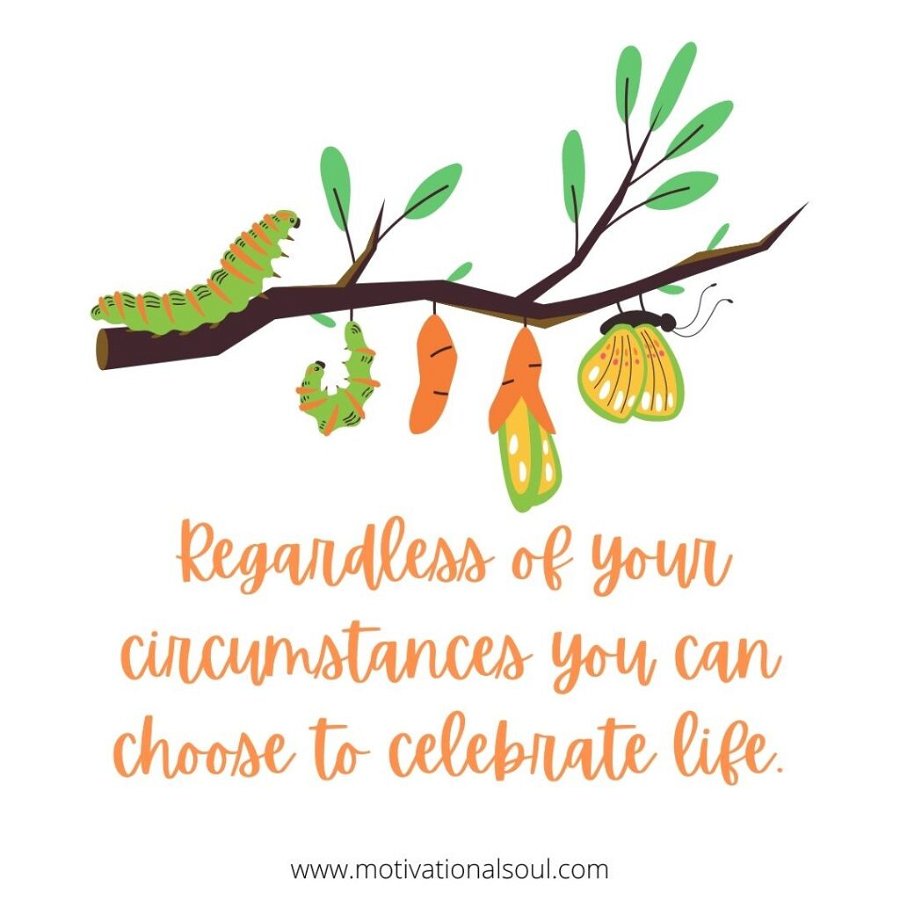
    Reflecting on the blessings we can all claim will not only inspire us but motivate us to strive harder and reach our highest potential. Celebrating life every day is possible regardless of your circumstances – start by reflecting on what you already have!

    It costs $0.00 to be grateful for what you have.
    It costs $0.00 to be grateful for what you have.

    Surround yourself with positive people who will boost you up

    Nothing has a greater impact on our lives than the people we choose to surround ourselves with, and it is essential to focus on surrounding yourself with those who will lift you up and celebrate life. Who your friends are has a direct connection to how happy you see each day — their positivity and excitement can have a powerful effect in encouraging us to keep going even during difficult times. It’s important not to underestimate the support of those who are already cheering us along and give us an extra boost of motivation when we need it the most.

    Take some time to recognize these valuable relationships, appreciate them and find ways to strengthen them. When we do this, it gives us more courage and strength to overcome life’s challenges and make the most out of every moment.

    I don't want to be around drama
    I don’t want to be around drama

    Live in the present moment and enjoy every second

    Life can often slip away in the blink of an eye. Each and every day is filled with moments to be cherished and enjoyed, and it’s essential to be mindful of this fact. In order to celebrate life every day, whatever our circumstances may be, we need to focus on living in the present moment and appreciating the beauty and joy available to us right now.

    By intentionally taking time each day to savor the little things – a stunning sunset, a delicious cup of coffee, the laughter of children playing – we remind ourselves that life is made up of small moments that, when woven together, create something truly beautiful. So enjoy every second that you’re given and make your days a celebration!

    LEARN TO LIVE IN THE PRESENT
    LEARN TO LIVE IN THE PRESENT

    Though it may be tough to find the positives in life sometimes, it’s important to celebrate every day and find things to look forward to. No matter what your circumstances are, you can always find something to make you happy. Be grateful for what you have, surround yourself with positive people, and live in the present moment. Enjoy every second of your life!

    You Might Also Like

  • How to Create To-Do List for Motivated People

    How to Create To-Do List for Motivated People

    For motivated individuals, creating a to-do list is an invaluable tool in achieving your goals. It helps you to stay organized and focused on the tasks that need to be done in order to achieve success. A to-do list allows you to prioritize tasks so that more important tasks are completed first, while less important tasks can be saved for later.

    Additionally, seeing all of your tasks written out can provide motivation and drive as it gives you a reminder of why you’re working hard and how each task contributes toward your overall goal or project. Ultimately, by making a detailed to-do list and following through with it, motivated people can use it as a way to track their progress, keep their momentum going strong, and ensure that they reach their goals in an efficient manner.

    • Start by creating a list of all the tasks and goals you want to accomplish: Take some time to think about everything that you need to get done and all the projects or goals you want to achieve, then make a comprehensive list.
    • Prioritize items on your list: Once you have your list, go through it and prioritize the items in order of importance or urgency.
    • Break big tasks into smaller, achievable steps: Looking at a large project can be daunting and overwhelming, so breaking it down into smaller tasks makes it easier to manage and gets rid of any overwhelm.
    • Set deadlines for each task : It’s important to give yourself an idea of when each task should be completed in order to stay on track with your goals and not let tasks slip through the cracks.
    • Put aside time each day to work on different items: Allocate specific days or times during the day when you work on a particular item from your list so that all your tasks are getting attention throughout the week, rather than leaving things until last minute.⏳
    • Create reward systems for completing difficult tasks: Rewarding yourself for completing difficult or tedious tasks helps keep motivation high and generates momentum for do more challenging tasks on your list without feeling overwhelmed by them.
    • Delegate tasks whenever possible : If anything is taking too long or is outside of your skillset, consider delegating it to someone else who can complete it quicker or better than you can .
    • Identify and eliminate distractions : Distractions can easily derail our productivity so try to figure out what these distractions are for you , whether it’s checking emails every 10 minutes or going down an internet rabbit hole , and focus energy on eliminating them
    • Be flexible with changes : As life changes , our lists need adjusting accordingly – if something comes up that needs immediate attention then don’t be afraid to adjust & shift priorities as needed.
    • Don’t wait until everything is perfect before launching an idea/project : Perfectionism can often paralysis progress when there’s no deadline looming – instead create mini-deadlines within larger projects so we take action towards our ideas & improve upon them bit by bit.
    • Schedule breaks between tasks : Working straight through without taking mental breaks can lead us burnt out quickly – include regular breaks throughout day even if only 15 minutes here & there just take time away from screen .
    • Celebrate accomplishments no matter how small they may seem : Sometimes we tend put more emphasis over what still needs doing rather than give ourselves credit for achievements made along way which makes process more intense – taking moment appreciate successes reminds us why put effort in first place & keeps motivation going strong .
    • Know when enough is enough & switch off after reaching certain point : Recognizing limitations prevents exhaustion setting due piles unseen of unfinished business around us instead practicing self care supplies headspace needed maintaining optimal performance thereby resulting being able accomplish same amount but over longer duration .
    • Reset mindset regularly during longer projects allowing refocus energies: Refresh attitude sometimes necessary because staring same project too long might bring lack or clarity therefore beneficial separating work into distinct phases improving problem solving skills while enabling revisit objectives frequently albeit different angles potentially .
    • Create actionable lists with tangible outcomes meeting set requirements: Making useful lists providing clear instructions alongside measurable outcomes avoids confusion spreading further improves process completion allowing track progress faster understand overall workload thus permitting managed approach versus disorganized mess.
    • Use tools such as audio/visual reminders cut pressure off during crunch times: Utilizing helpful tools supporting daily routines lessens stress levels usually incurred staying organized particularly during critical moments establishing memory triggers using audible tones allows notifications surface timely based prompts helping handle tough situations effectively.
    • Automate processes save time attending duties needing now attention.: Using automation permits personal time saved take care other activities simultaneously hence slowly reduce manual actions dependant upon technology although requires research development onto specifics lengthily depending type task at hand yet proves effective cost saving method especially repetitive actions.
    • Reevaluate methods either review establish systems functioning optimally.: Evaluating techniques employed leads greater knowledge understanding variables affecting results subsequently revamping system increasing efficiency reaping rewards greatly also helps identify areas needing continual improvement ensures operations run smoothly consistently long their lifespan.
    • Monitor progress making adjustments required meet challenges appropriately.: Monitoring progress during journey enables course corrections become easier since now aware direction moving towards seeing bigger picture assists decisions regarding various options available while at same time having real-time insight towards obstacles encountered en route helping maximize efforts best possible rate.
    • Focus energies concentrating completions opposed starting new endeavors.: Focusing energy concentrating finishing items already existing backlog saves resources prevents scattering strengths leading nowhere eliminate extra work stacking piling up dragging momentum while bringing sense pride accomplishment alongside giving space aiming higher targets afterwards
    Focus on your goals sweetheart
    Focus on your goals sweetheart