Tag: Positive Thinking

  • Believing You Can Improve Your Mental Well-Being Gets You a Long Way Forward

    Believing You Can Improve Your Mental Well-Being Gets You a Long Way Forward

    Mental health is something that is often overlooked. We tend to think that if we are physically healthy, then our mental health must be fine as well. However, this is not always the case. In fact, many people suffer from mental health issues without even realizing it. The good news is that there are ways to improve your mental well-being, and one of the simplest methods is to simply believe that you can do it! In this blog post, we will discuss the power of positive thinking and how it can help improve your mental health!

    It is no secret that our thoughts can have a major impact on our mood and overall well-being. If you are constantly thinking negative thoughts, then it is likely that your mental health will suffer as a result. On the other hand, if you believe that you can improve your mental health, then you are much more likely to actually do so. This is because our thoughts can actually influence our actions and behaviors.

    Why is Mental Health Important?

    Your mental health, in addition to your physical well-being, is equally essential. In fact, the two are interconnected. Your mental health affects how you think, feel, and act on a daily basis. It also plays a role in how well you handle stress, relate to others, and make choices.

    Good mental health is more than just the lack of mental illnesses.Rather, it’s the presence of positive attributes and behaviors that contribute to your overall well-being. Just like physical fitness, mental fitness takes effort and practice. And, like physical fitness, there are many benefits to maintaining a healthy state of mind.

    Benefits of Positive Thinking

    • Improves mood
    • Reduces stress and anxiety
    • Increases resilience
    • Lowers risk of depression
    • Boosts immune system
    • Enhances well-being

    As you can see, there are many benefits to thinking positively. And, the good news is, that you don’t have to be a naturally optimistic person to reap the benefits of positive thinking. Just by making a conscious effort to think more positively, you can improve your mental well-being.

    Feeling in Control Is Vital to a Good Mental Health Status

    When it comes to our mental health, feeling like we are in control is essential. If we feel like we are constantly being bombarded by negative thoughts and emotions, then it can be very difficult to maintain a positive outlook on life. However, if we believe that we can control our thoughts and emotions, then we are much more likely to actually do so. This is because believing that we have control over our mental health gives us a sense of empowerment and hope.

    It’s vital to keep in mind that you’re not the only one fighting this war.There are millions of people all over the world who are struggling with their mental health.

    Our beliefs have a strong influence on our actions and behaviors. If we believe that we can

    One of the main reasons why positive thinking is so powerful is because it helps us feel in control. When we believe that we can improve our mental health, we are more likely to take action and make changes in our lives. This, in turn, can lead to better mental health status. Furthermore, feeling like we are in control of our mental health can help reduce stress and anxiety.

    Ways to Take Control of Your Life

    The greatest method to not be despondent is to get up and do something. Don’t wait for good things to happen by chance. You will fill the world with optimism if you go out and make some wonderful things happen, and you will fill yourself with hope

    There are many ways that we can take control of our lives and mental health. Some of them are:

    Have High Ambitions, but Don’t be Unrealistic

    It is important to have high ambitions in life. However, it is also critical to be realistic in terms of what you can accomplish. If you set your sights too high, then you are likely to become disappointed and frustrated when you don’t reach your goals. On the other hand, if you have realistic goals, then you are much more likely to achieve them and feel satisfied with your accomplishments.

    Make a List of Things You Are Grateful for Each Day

    One of the best ways to improve your mental health is to focus on the things you are grateful for. Make a list of everything you are happy about every day. This could be anything from your family and friends to your job or your home. Focusing on the positive things in your life will help you to appreciate what you have and feel more positive about your life in general.

    Take Action towards Your Goals

    You need to actively seek opportunities rather than wait for them to come to you. To reach your objectives, you must act. If you want to improve your mental health, then you need to take action and make changes in your life. This could mean anything from seeking help from a therapist to making lifestyle changes. Taking action towards your goals will help you to feel more in control of your life and give you a sense of purpose.

    Make modest and achievable targets for yourself.

    Making small, achievable goals is a great way to improve your mental health. When you set modest targets for yourself, you are more likely to achieve them and feel good about yourself. Furthermore, making small changes in your life can lead to big changes in your mental health.

    Be honest with yourself

    It is important, to be honest with yourself. It means being honest about your thoughts, feelings, and behaviors.. If you are not honest with yourself, then it will be difficult to make changes in your life. Honesty is a key part of taking control of your life and improving your mental health.

    Take inventory of your thoughts

    Our minds are unique places that have the ability to make our worst nightmares feel like paradise or turn the most beautiful moments into a living hell. In order to change the way you think, you need to become aware of your thoughts. You may begin to challenge your thoughts once you are aware of them. If you find that you are having negative thoughts, ask yourself if there is any evidence to support these thoughts. If there is no evidence, then the thought is likely, not true.

    Change your self-talk

    The way you talk to yourself can have a big impact on your mental health. If you are constantly putting yourself down, then it will be difficult to improve your mental health. However, if you start to talk to yourself in a more positive way, then it will be easier to make changes in your life.Here’s an example. If you catch yourself thinking “I’m such a failure,” try reframing it to something more positive, like “I’m doing my best.”

    Start a gratitude journal

    One of the best ways to improve your mental health is to focus on the things you are grateful for. Make a list of everything you are happy about every day. This could be anything from your family and friends to your job or your home. Focusing on the positive things in your life will help you to appreciate what you have and feel more positive about your life in general.

    Give yourself some credit

    “No matter your age, it’s never too late to set new goals or dream bigger dreams.”

    It is important to give yourself credit for the things you do well. This will help you to feel good about yourself and increase your self-esteem. When you have high self-esteem, it is easier to make positive changes in your life.

    Start today

    It’s never too late to start making positive changes in your life.If you want to improve your mental health, start today. Take the first step towards reaching your goals and believe that you can make a difference. Remember, simply believing you can improve your mental health goes a long way.

    Surround yourself with people who are optimistic and will boost you.

    Find people who will inspire you to be your best self. These people can help you to stay motivated and focused on your goals. Additionally, they can provide you with a sounding board when you need to make decisions about your life. When you have positive people in your life, it is easier to make positive changes.

    Find a role model

    It is helpful to find a role model who has made the changes you want to make in your own life. A role model can show you that it is possible to make positive changes and achieve your goals. Additionally, a role model can provide you with support and encouragement when you need it.

    Be accepting of yourself—flaws and all

    It is important to be accepting of yourself—flaws and all. This means that you need to learn to love and accept yourself for who you are. Once you are able to do this, it will be easier to make positive changes in your life. Additionally, you will be more likely to stick with these changes over the long term.

    Be patient with yourself—change takes time.

    If you want to understand change, get involved with it and go with the flow.

    Change takes time. Be patient with yourself and trust that you can make the changes you want to make. It may take some time to see results, but if you are persistent, eventually you will reach your goals.

    Take care of yourself

    “The mind is everything. What you think you become.” -Buddha

    In order to improve your mental health, it is important to take care of yourself. Your energy level improves when you follow these guidelines: eating a healthy diet, getting enough sleep, and exercising on a regular basis. Additionally, it is important to find time for relaxation and activities that you enjoy. When you take care of yourself, it is easier to make positive changes in your life.

    Cut yourself some slack

    “Don’t be too hard on yourself. You’re doing the best you can with what you’ve got..”

    It is important to cut yourself some slack. Everyone makes mistakes and nobody is perfect. If you are too hard on yourself, it will be difficult to make positive changes in your life. Instead, try to focus on the things you are doing well and believe that you can make a difference.

    Believe in yourself

    It is important to believe in yourself. If you don’t believe that you can make positive changes, it will be difficult to achieve your goals. However, if you have faith in yourself, anything is possible. Remember, simply believing you can improve your mental health goes a long way.

    Conclusion

    Positive thinking is a powerful tool that can help you to improve your mental health. When you believe that you can make a difference, it is easier to take the first step toward change. Additionally, surround yourself with positive people who will support and encourage you. Finally, be accepting of yourself—flaws and all. It takes time to adapt, so be patient with yourself.. If you stick to a program, you will eventually succeed. When you take care of yourself, it is easier to make positive changes in your life. So cut yourself some slack and believe that you can improve your mental health. It all starts with a positive mindset.


  • Conquer Your Fear of the Unknown: How to Take Risks and Succeed

    Conquer Your Fear of the Unknown: How to Take Risks and Succeed

    Fear is an emotion that often holds people back from achieving their goals. Fear of the unknown doesn’t have to stop you from living your life. In this blog post, we will discuss how to cope with fear and conquer your fears. We will also provide some tips for overcoming the fear of the unknown. So if you’re ready to take on your fears and start living a more fulfilling life, keep reading!

    Do you ever find yourself avoiding new opportunities because you’re afraid of the unknown? Or maybe you’ve been putting off making a change in your life because you’re not sure what will happen? If so, you’re not alone. Fear of the unknown is a common fear that can hold us back from living our best lives.

    What Causes People to Fear the Unknown?

    One of the most universal human experiences is fear. Everyone feels it at some point, and it serves an important purpose: to keep us safe from harm. Fear is usually triggered by something that we perceive as a threat, and it prompts us to take action to avoid or escape the danger. However, sometimes we can find ourselves feeling afraid even when there is no apparent threat.

    This usually happens when we encounter something new or unfamiliar. Our brains are wired to be cautious of things that we don’t know because they could potentially be dangerous. That’s why people often feel more comfortable sticking to what they know and avoiding anything that seems different or strange.

    When Your Fear of the Unknown Becomes Damaging

    While a healthy level of caution can keep us safe, an excessive fear of the unknown can become damaging. When we’re excessively afraid of something that poses no real threat, we’re said to have a phobia. Phobias are irrational fears that can cause tremendous anxiety and interfere with our daily lives.

    People who suffer from phobias will frequently go to great lengths to avoid the things they are terrified of. For example, someone with a fear of flying may not take vacations or miss out on important business opportunities rather than getting on a plane. Or, someone with a fear of heights may avoid tall buildings and never experience the breathtaking views from the top of a skyscraper.

    In some cases, the fear of the unknown can become so debilitating that it significantly impairs a person’s quality of life.

    If left unmanaged, potential complications may include:

    • Anxiety and depression
    • social isolation
    • Substance abuse
    • Poor job performance or unemployment
    • Relationship difficulties.

    How to Recognize a Fear of the Unknown

    What are the signs that you may be afraid of change? The fear of change can present itself in many different ways in someone’s day-to-day life. Here are some of the most common warning indicators:

    • You might avoid new experiences altogether.
    • You may resist change, even minor changes.
    • You could have a strong dislike for anything unfamiliar.
    • You might feel anxious or stressed when confronted with the unknown.
    • You may experience physical symptoms like a racing heart, sweating, or shaking when faced with change.
    • You’re extremely anxious about what will happen in your future.
    • Despite wanting to leave a bad relationship, you stay in it.
    • You’re trapped or unhappy in a circumstance, yet you avoid making positive changes.
    • The thought of change gives you heart palpitations

    If you find yourself exhibiting any of these behaviours, you may have a fear of the unknown. But don’t worry, there are ways to conquer this fear and start living a fuller life!

    Risk is the deposit

    Tips for Overcoming the Fear of the Unknown

    Here are a few tips to help you face your fear of the unknown and start living a more fulfilling life:

    Identify Your Triggers

    Triggers are one of the first things to consider.. What is it about new situations that make you feel anxious? Is it the feeling of not being in control? Or perhaps it’s the fear of failure or not knowing what to expect. Once you’ve identified your triggers, you can start to address them head-on.

    If your trigger is the feeling of not being in control, try to develop a plan ahead of time. When you know what to expect, you’ll feel more prepared and confident facing the unknown. If your trigger is the fear of failure, remind yourself that everyone experiences setbacks at some point in their lives. Failure is not permanent and should not stop you from pursuing your goals. Finally, if your trigger is simply not knowing what to expect, try to embrace the unknown with an open mind. Be curious and excited about all the possibilities that await you. With these tips in mind, you’ll be better equipped to handle whatever life throws your way.

    FEAR

    Challenge Your Beliefs

    One of the main reasons we’re afraid of the unknown is because we don’t know what to expect. But instead of avoiding new experiences because we’re afraid of what might happen, try to challenge your beliefs about them. When you’re faced with a new situation, ask yourself what the worst possible outcome could be. Then, remind yourself that it’s highly unlikely that this will happen. Oftentimes, our fears are much worse than reality.

    Take baby steps

    When facing something new, it’s normal to feel a little bit of apprehension. After all, the unknown can be pretty scary. But rather than letting your fear hold you back, why not try to embrace it? After all, there’s no better way to conquer your fears than by facing them head-on.

    One of the best ways to overcome your fear of the unknown is to take things one step at a time. Rather than diving in head first, try easing into things gradually. This will give you a chance to acclimate to your new surroundings and build up your confidence along the way. Additionally, it’s important to remember that everyone feels scared at times. Rather than seeing your fear as a weakness, try to view it as a natural and normal part of life. By accepting your fear, you’ll be one step closer to conquering it.

    Find a support system

    One of the best ways to overcome a fear of the unknown is to find a support system. Talking to friends, family, or a therapist can help you to understand your fears and develop a plan for dealing with them. You may also want to consider joining a support group for people with similar fears. By sharing your experiences and learning from others, you can develop a better sense of control and start to view the unknown as an opportunity rather than a threat.

    Make a Vision Board

    The fear of the unknown is a very real and powerful emotion. It can prevent us from taking risks, exploring new opportunities, and achieving our full potential. But by taking some time to get to know ourselves and what we want out of life, we can start to overcome this fear. A vision board is a way to help you focus on your goals.. This is a collage of images, words, and affirmations that represent our goals and dreams. It’s a tool that can help us focus on what we want to achieve and start taking steps towards it. By taking the time to get to know ourselves and what we want out of life, we can start to overcome the fear of the unknown.

    Journal

    Journaling is one way to help you overcome the fear of the unknown. It can be used as a tool to reflect on your day, process your thoughts and feelings, and gain clarity and insight. By taking the time to write out your fears, you can begin to understand them better and see them in a new light. Journaling can also help you to track your progress as you work to overcome your fears. As you journal, you may find that your fear of the unknown begins to lessen over time. You may also discover new things about yourself and the world around you that you never knew before. Journaling can be a helpful and enlightening way to explore the unknown and confront your fears head-on.

    Meditate

    Meditation is another tool that can be used to overcome the fear of the unknown. It’s a practice that can help us to focus and connect with our inner thoughts and feelings. When we meditate, we’re able to quiet the noise of the world around us and get in touch with our true selves. This can be a very powerful experience, especially when we’re facing something new and unknown. By taking the time to meditate, we can start to see the unknown in a new light and develop a greater sense of peace and calm. Meditation can also help to increase our self-awareness and understanding, which can be helpful when dealing with fear. If you’re interested in learning more about meditation, there are plenty of resources to get you started.

    Don’t duck away from your responsibilities.

    Overcoming the fear of the unknown is something that we all face at some point in our lives. Whether it’s starting a new job, going on a first date, or moving to a new city, change can be scary. But it’s also essential for personal growth. When we step out of our comfort zones and into the unknown, we open ourselves up to new experiences and ways of thinking. By learning more about ourselves and those around us, we can better understand our capabilities.So don’t duck away from your responsibilities when change comes knocking. Embrace the unknown and see what you’re capable of.

    Treatment

    If the fear of the unknown is impacting your everyday life, it may be time to seek professional help. There are many treatment options available, such as therapy, medication, and exposure therapy. Exposure therapy is a type of treatment that involves gradually exposing yourself to the thing you’re afraid of. This can help you to overcome your fear by facing it head-on. If you’re interested in exploring treatment options, speak with your doctor or mental health professional. They can help you to find the right type of treatment for your needs.

    Conclusion

    The fear of the unknown is a very real and powerful emotion. It can prevent us from taking risks, exploring new opportunities, and achieving our full potential. We don’t have to let it control our lives.By taking some time to get to know ourselves and what we want out of life, we can start to overcome this fear. Journaling, meditating, and seeking professional help are all great ways to begin this journey.

    If you’re struggling with the fear of the unknown, know that you’re not alone. Many people face this fear every day. But there are ways to overcome it. By taking some time to get to know yourself and what you want out of life, you can start to conquer your fear of the unknown. So don’t be afraid to take the first step. Embrace the unknown and see what you’re capable of.

    Do you have a fear of the unknown? What steps have you taken to overcome it? Share your story in the comments below.

    What a terrible waste of a life it is
  • How to Find Clarity and Direction During Times of Stress and Transition

    How to Find Clarity and Direction During Times of Stress and Transition

    Life can be unpredictable. One minute, everything is going great and the next minute you find yourself in the middle of a stressful situation. When life feels out of control, it can be tough to know how to cope. In this blog post, we will discuss some tips for dealing with stressful situations.

    Why Staying in Control is Important?

    Maintaining control is essential in all aspects of life. Whether it’s controlling your emotions or your actions, remaining in control is key to ensuring that you stay on track and achieve your goals. When you lose control, it’s easy to become overwhelmed and make poor decisions that can lead to negative consequences. For example, if you allow your anger to get the best of you, you may say or do something that you later regret. Or, if you’re trying to save money, but you lose control of your spending, you may find yourself in debt. Staying in control requires self-discipline and focus, but it’s worth the effort because it helps you stay on the path to success.

    Why Do You Feel Your Life Is Out of Control?

    One of the first steps to take when you are feeling stressed is to ask yourself why you feel this way. What is it about the current situation that is making you feel out of control? Once you have identified the cause of your stress, you can begin to look for ways to address it. There are several reasons why life may seem out of control, but the following are a few:

    Stress

    At some point in our lives, most of us feel like our lives are spiraling out of control. We’re juggling too many balls, and something is bound to drop eventually. Stressors like work, family, and personal relationships can all contribute to a sense of feeling overwhelmed. When we’re constantly trying to keep up with the demands of daily life, it’s easy to lose sight of what’s truly important to us. This can cause feelings of anxiety and dissatisfaction.

    Health Issues

    Health issues can often lead to a feeling of being out of control. For example, if you are struggling with a chronic illness, you may feel like you are constantly fighting an uphill battle. You may feel like you have to give up things that you enjoy, to stay healthy, and that can be frustrating. In addition, Health care costs can be a major financial burden, and that can also lead to feelings of powerlessness.

    Lack of Support

    One reason is the lack of support. When you don’t have people to lean on, it can be hard to see a way out of a difficult situation.

    It can be tough when you feel like you’re stuck in a rut and things seem to be spiraling out of control. It’s easy to feel like you’re alone in this, but the truth is that many people have experienced similar feelings at some point in their lives.

    Bad Relationships

    The most common reason people feel their life is out of control is because of a bad relationship. This can be with a significant other, family member, or friend. The relationship is typically unhealthy and/or abusive in some way. It might be emotionally, mentally, or physically abusive. The person in the relationship might feel like they can’t do anything right or that they’re constantly walking on eggshells. As a result, they may start to feel trapped and hopeless.

    Work

    Work can often be the reason why people feel their life is out of control. Work can be demanding and stressful, and it can often feel like there’s never enough time to get everything done. This can lead to feeling overwhelmed and like you’re constantly spinning your wheels. If you don’t enjoy your work, it can also be a major source of dissatisfaction.

    Tragedy

    Tragedy can strike at any time, without warning. It can leave us feeling helpless and alone, as though our life is spiraling out of control. Tragedies can be big or small, but they all have the power to upend our world and turn our life upside down. Sometimes, it can feel like we will never recover from the pain and loss.

     Unsure of your goals

    You may feel like your life is out of control for a variety of reasons. Maybe you’re unsure of your goals, or you feel like you’re constantly being pulled in different directions. Or perhaps you’re trying to juggle too many responsibilities and you can’t seem to keep up.

    Comparing Yourself to Others

    Comparing yourself to others is one of the quickest ways to feel like your life is out of control. Whether you’re scrolling through social media and seeing everyone’s highlight reel, or you’re looking at your neighbor’s pristine lawn and feeling inadequate, comparisons are a surefire way to make you feel bad about yourself. And when you feel bad about yourself, it’s tough to find the motivation to take charge of your life and get things back on track. If you find yourself comparing your life to others regularly, it’s time to take a step back and reassess your priorities.

    Holding Onto Grudges

    One of the most common reasons people feel their lives are out of control is because they’re holding onto grudges. When we hold onto a grudge, we’re giving someone else power over our emotions. We’re letting them control how we feel, and that’s not healthyHold onto a grudge and you’re the one who suffers. It’s toxic and it will only end up hurting you in the end. If you’re finding it difficult to let go of a grudge, try thinking about the situation from the other person’s perspective.

    These are just a few of the reasons why people feel like their life is out of control. If you are feeling this way, it’s important to remember that you are not alone. Many people have gone through similar experiences and come out on the other side. There is hope.

    How to Take Back Control When Life Feels Overwhelming

    If you’re feeling like your life is out of control, there are some things you can do to help yourself cope. Here are a few tips:

    Pause and Take a Break

    You’re juggling a million things and it seems like life is spiraling out of control. You feel like you’re constantly running around and you can’t catch a break. Sound familiar? We’ve all been there. When life gets overwhelming, it’s important to pause and take a break. Step back from the situation and take some time to clear your head. This will help you gain some perspective and see what’s important. Once you’ve had a chance to relax, you can start tackling your to-do list with a fresh mind. And remember, life is full of ups and downs – so don’t be too hard on yourself if things don’t go perfectly. Just take a deep breath and keep going.

    Look at Things From a Different Perspective

    When life feels out of control, it can be helpful to look at things from a different perspective. Instead of getting caught up in all the things that are going wrong, take a step back and focus on the positive.What are some of the things you’re thankful for?What are some goals that you’re still working towards? Keeping your eye on the prize can help you to stay motivated and stay focused on what’s important.

    Take Charge of Things Over Your Control

    Taking charge of the things you can control is a great way to manage stress and feel more productive when everything else seems to be spiraling out of control. If your work life is chaos, take a few moments each day to tidy up your personal space. This simple act can make it feel like you have some control over your environment and life. In addition, make sure to schedule some “me time” every day, even if it’s just for 15 minutes. This can be used for reading, taking a relaxing bath, or anything else you need it for. It’s important to have time to focus on your well-being so that you can recharge and be ready to take on whatever comes your way.

    Have Faith in the Choices You Make and Don’t Look Back With Regret.

    It’s important to have faith in the choices you make. Many times, we second-guess ourselves and wonder if we could have made different decisions that would have led to better outcomes. However, dwelling on past choices only leads to regret and prevents us from moving forward. It’s also important to remember that we all make mistakes; even the most successful people have made wrong turns at some point in their lives. The key is to learn from our mistakes and not repeat them in the future.

    ONE THING I NEVER REGRET:

    Talk it Out With a Trusted Friend or Family Member

    If you’re feeling like your life is out of control, talking to a trusted friend or family member can be helpful. They can offer support and understanding, and they may even have some helpful advice. Sometimes it’s just helpful to talk about what’s going on and get things off your chest. If you feel like you don’t have anyone to talk to, consider joining a support group. These can be great resources for meeting people who are going through similar experiences.

    Pick up a New Hobby or Explore Something You’ve Never Done Before.

    When life feels out of control, it can be helpful to try something new or pick up a hobby. Doing something that you enjoy can help take your mind off of your stressors and give you a sense of accomplishment. It’s also an excellent method to meet new people and acquire new talents. So go ahead and sign up for that painting class or join a book club. You’ll never know what you’ll find if you look closely enough.

    Be Optimistic About the Future

    One of the best ways to cope with a stressful situation is to be optimistic about the future. This doesn’t mean that you should ignore your problems or pretend everything is perfect. But it does mean having faith that things will eventually get better. When you focus on the good, it’s easier to see the light at the end of the tunnel. So instead of dwelling on all the things that are going wrong, try to find the silver lining in each situation.

    Take a Break From Social Media

    It’s easy to become enthralled by what everyone else is doing in today’s climate. We compare our lives to the perfectly curated images we see on social media and feel like we’re falling behind. However, it’s important to remember that everyone’s life is different and that what we see on social media is often not an accurate portrayal of reality. If you’re feeling stressed out, take a break from social media and focus on your own life. In the long run, you’ll be much happier.

    Conclusion

    These are just a few tips for coping with a stressful situation. It is critical to look after your mind and body. If you’re feeling overwhelmed, reach out for help from a trusted friend or family member. And, most importantly, don’t forget to be nice to yourself. Life may be difficult at times, but you’re a survivor. You got this.

    What are some of your favorite coping mechanisms? Share in the comments below! And don’t forget to subscribe for more tips and tricks on living your best life. Until next time, stay stress-free! :)”

    I want to live a simple life without stress or worry. I don't need a lot of stuff. I just want to be happy.
  • How to Overcome Perfectionism

    How to Overcome Perfectionism

    Are you a perfectionist? If so, you’re not alone. Many people struggle with perfectionism, and it can be a difficult habit to break. Perfectionism can lead to fear and self-doubt, which can interfere with your work and relationships. In this blog post, we will discuss some tips for overcoming perfectionism and breaking the cycle of fear and self-doubt.

    What is Perfectionism?

    Perfectionism is the belief that you must be perfect to be happy or successful. This can lead to setting unrealistic standards for yourself, which can be difficult to meet. Perfectionists often have a fear of failure, and they may doubt their abilities. They may avoid taking chances or attempting new activities as a result of this.

    Success is the result of perfection
    Success is the result of perfection

    How Does it Impact Our Life?

    Perfectionism can hurt your life in many ways. It can lead to procrastination, as you may put off tasks that you think are too difficult to complete perfectly. This can interfere with your work and personal relationships. You may also become anxious or depressed if you feel like you’re not meeting your high standards.

    The Differences Between Perfectionists and High Achievers

    One important way that perfectionism differs from high achievement is where your focus lies. You can be proud of your accomplishments if you’re aiming for greatness, and use your missteps as opportunities to grow. However, if you are a perfectionist, your focus is on avoiding mistakes and being perfect, which can lead to unhappiness and a fear of taking risks.

    There are a few key things to keep in mind when you’re trying to overcome perfectionism.

    • First, remember that mistakes are part of the learning process and that they don’t define you as a person.
    • Second, focus on your effort rather than the outcome.
    • Third, permit yourself to be imperfect.

    Here are some steps you can take to maintain a healthier attitude.

    1. Make a Cost-Benefit Analysis

    When you find yourself obsessing over details or worrying that something isn’t perfect, stop and ask yourself: “What is the cost of this perfectionism? What am I sacrificing by insisting on this level of perfection?” You can begin to determine whether perfectionism is worth it or not by making a deliberate effort to balance the costs and benefits of your attitude.

    2. Begin to Recognize Your Tendencies

    One of the best ways to overcome perfectionism is to become aware of when you’re doing it. Once you’re aware of the times when you tend to strive for perfection, you can start to catch yourself and make a different choice.

    You may not realize how pervasive perfectionism can be, but by becoming more aware of your patterns, you’re in a better position to alter them. If you can, try to record your perfectionistic thoughts as they pop into your head.

    Taking some time at night to go over your day and remember the moments when you felt pride or disappointment will help give you better insight into your triggers. This will help you be more aware of perfectionistic thoughts when they occur in the future. (You can even journal your feelings about these thoughts, but don’t feel you’ve ‘failed’ if you don’t have time to do this!)

    3. Recognize That Your Thoughts Aren’t Reality

    A huge part of overcoming perfectionism is recognizing that your thoughts and opinions about yourself are not reality. Just because you think you’re not good enough, doesn’t mean that it’s true.

    A lot of the time, perfectionists tend to have what is called ‘black and white or ‘all-or-nothing’ thinking patterns. This means that we see things in extremes, with no room for shades of grey. So if we make one tiny mistake, we see ourselves as complete failures. This kind of thinking is quite irrational, but it can be very hard to break out of the perfectionism mindset and see things more clearly.

    If you find yourself thinking in black and white terms, try to challenge your thoughts. As an example, instead of thinking “I can’t believe I made that blunder! I’m such an idiot!” try countering it with a more realistic thought like “Everyone makes mistakes.“I’ll take away something from this and do better next time.”

    4. Be Kind to Yourself

    If you’re used to being hard on yourself, it can be tough to start being kinder. But it’s so important! One of the best things you can do for yourself is to start practicing self-compassion.

    Self-compassion means extending compassion to one’s self in times of suffering, recognizing that as a human being, one is not perfect, and offering kindness and understanding to oneself.

    If you’re not sure how to be self-compassionate, here are a few ideas:

    • If you were in your friend’s shoes, what would you want them to say to you? If a friend came to you feeling down about themselves, would you tell them they’re worthless? Of course not! So why do we say these things to ourselves?
    • Forgive yourself. We all make mistakes, and it’s important to forgive yourself for yours.
    • Practice mindfulness. Mindfulness is the practice of being present at the moment and can help you to stop dwelling on past mistakes or worrying about the future.

    Take these concepts and give them a try for yourself. Remember, there’s no one-size-fits-all solution to perfectionism, so find what works for you and go with it!

    Sometimes you need to take a break from everyone and spend time alone
    Sometimes you need to take a break from everyone and spend time alone

    5. Focus on the Positive

    It’s easy to focus on our mistakes and dwell on what we could have done better. But it’s so important to focus on the positive, too! Every time you do something well, no matter how small it may seem, pat yourself on the back. Congratulate yourself for a job well done. Over time, this will help to boost your confidence and self-esteem.

    Think positively and positive things will happen.
    Think positively and positive things will happen.

    6. Set Realistic Standards

    One of the main reasons perfectionists tend to struggle is because they set unrealistic standards for themselves. They expect themselves to be perfect, and when they’re not, they feel like failures.

    If you want to overcome perfectionism, it’s important to start setting realistic standards. This doesn’t mean lowering your standards altogether – it just means being more realistic and achievable.

    For example, instead of telling yourself, that you need to get an A on every test, tell yourself that as long as you try your best, you’ll be happy with the result.

    THE GOAL IS NOT
    THE GOAL IS NOT

    7. Break Down Tasks into Smaller Steps

    Another way to set realistic standards is to break down tasks into smaller, more manageable steps. If you’re working on a big project and feeling overwhelmed, try breaking it down into smaller tasks. You can avoid feeling overwhelmed by taking things one step at a time.

    8. Change Your Self-Talk

    One of the most important things you can do to overcome perfectionism is to change your self-talk. If you’re constantly putting yourself down and telling yourself you’re not good enough, it’s no wonder you’re struggling with perfectionism!

    Instead of beating yourself up, try talking to yourself more positively. Congratulate yourself when you do something well, and forgive yourself when you make a mistake. Over time, this will help to change your overall attitude and outlook.

    Of course
    Of course

    9. Enjoy the Process

    One of the best things you can do to overcome perfectionism is to focus on enjoying the process, not just the result. When you’re working on a project, take the time to enjoy it. Don’t just focus on getting it done as quickly as possible. For example, if you’re painting a picture, take the time to appreciate the colors and the process of creating something.

    Remember, there’s no such thing as perfect. So instead of striving for perfection, focus on enjoying the journey.

    10. Learn to Handle Criticism with Contempt

    If you want to overcome perfectionism, you need to learn how to handle criticism with contempt. This doesn’t mean being rude or disrespectful to the person who is critiquing you. It just means learning to take their criticism with a grain of salt.

    Remember, no one is perfect. And even if someone is criticizing you, it doesn’t mean they’re right. So instead of getting defensive, try to listen to what they’re saying and then make the decision for yourself.

    Learn from yesterday. Live for today. Hope for tomorrow. The important thing is not to stop questioning.
    Learn from yesterday. Live for today. Hope for tomorrow. The important thing is not to stop questioning.

    11. Find an Activity That Relaxes You

    One of the best things you can do to overcome perfectionism is to find an activity that relaxes you. This could be anything from reading to hiking to yoga. The important thing is that it’s something you enjoy and that helps you to relax and de-stress.

    When you’re feeling overwhelmed or stressed, take some time for yourself and do something that relaxes you. This will help you to clear your mind and focus on what’s important.

    My favorite kind of relaxation is cuddling with my furbaby.
    My favorite kind of relaxation is cuddling with my furbaby.

    12. Get Help from a Therapist

    If you’re struggling to overcome perfectionism on your own, it’s important to get help from a therapist. A therapist can help you to understand the root of your perfectionism and work on changing your thinking patterns.

    If you’re struggling with perfectionism, don’t hesitate to reach out for help.

    Conclusion

    While it can be difficult to overcome perfectionism, it is possible to start living a more balanced life by trying out the tips above. If you’re struggling, don’t hesitate to reach out for help from a therapist or other professional. With time and patience, you can learn how to let go of your need for perfection and live a happier life.

    Life doesn't have to be perfect to be beautiful.

    FAQs

    1. Is there anything like healthy perfectionism?

    Yes, it is possible to be a healthy perfectionist. Healthy perfectionists set realistic standards for themselves and don’t beat themselves up when they make mistakes. They also focus on enjoying the process, not just the result.

    2. What are some of the benefits of overcoming perfectionism?

    Some of the benefits of overcoming perfectionism include increased self-esteem, improved mental and physical health, better relationships, and increased productivity.

    3. What are some of the risks associated with perfectionism?

    Some of the risks associated with perfectionism include anxiety, depression, eating disorders, and substance abuse.

    4. How can I tell if I’m a perfectionist?

    If you find yourself constantly striving for unattainable standards, beating yourself up when you make mistakes, or avoiding new experiences out of fear of failure, then you may be a perfectionist.

    5. What is the best way to deal with criticism?

    The best way to deal with criticism is to learn to take it with contempt. This means that you should not take the critic’s opinion personally and instead use it as an opportunity to learn and grow.

    Don't wait for the perfect moment. Take the moment and make it perfect.

    You Might Also Like

  • Don’t Obsess Over The Details in Your Life and Find Happiness

    Don’t Obsess Over The Details in Your Life and Find Happiness

    Do you feel like you are always in control? Do you feel like you have to be in charge of every situation and have everything under your thumb? If so, you are not alone. Many people struggle with the need for control. But did you know that letting go of control can help you enjoy life more and find happiness? In this blog post, we will discuss why control can be a roadblock to happiness and how letting go can help you live a more fulfilling life.

    Is it Natural to feel the need to be in Control?

    It’s only natural to feel the need to be in control. We all want to be in control of our lives and feel best when we know what is going on in all different areas. However, we need to realize that we can never truly be in control of everything. Trying to do so leads to negative emotions when things don’t go the way we want them to. Instead, we should focus on letting go of control and enjoying life. Happiness comes from enjoying the moment and not worrying about what we can’t control.

    When we try to control everything, we just end up stressed and anxious. It’s tough to relax and enjoy life when you’re constantly worrying about what could go wrong. But if you can learn to let go of that need for control, you’ll find that you’re much happier and more able to enjoy the good moments.

    What are some of the negative emotions that arise from trying to control everything?

    Negative emotions that may arise from trying to control everything include anxiety, frustration, and disappointment. These emotions can lead to negative thoughts and result in feeling overwhelmed or stressed.

    When we try to control everything, we are not allowing ourselves to be open to new experiences or possibilities. We may also miss out on enjoying the moment because we are so focused on what could go wrong.

    Why Do We Feel the Need to Control?

    There are a few different reasons why we may feel the need to control everything.

    • One reason is that we want to feel safe and secure. When we are in control, we feel like we can protect ourselves from harm or from making mistakes.
    • We may also want to control everything because we want to be successful. We may think that if we are in control, we can make sure that everything goes the way we want it to and we will achieve our goals.
    • Lastly, some people may feel the need to control because they like being in charge or they don’t trust others to do things correctly.

    Attempts to Control Negatively Affect Our Lives

    Desiring complete control is only natural, but it’s not always beneficial. There are many ways in which trying to control everything could backfire and have negative consequences in the long run.

    1. Increased Stress level and Concern

    When we try to control everything, we’re constantly worried that things aren’t going to go the way we want them to. This can lead to a great deal of stress and anxiety, which takes a toll on our mental and physical health.

    2. Missing Out on Opportunities

    When we’re focused on controlling every aspect of our lives, we often miss out on opportunities that come our way. We’re so busy trying to plan and predict the future that we don’t take advantage of the present moment.

    3. Losing Sight of What’s Important

    When we’re always striving for control, it’s easy to lose sight of what’s truly important in life. We might miss out on spending time with our loved ones or pursuing our passions because we’re too busy trying to control everything else.

    4. Reduced Satisfaction

    It’s human nature to be dissatisfied with what we have. But when we’re constantly trying to control our lives, this dissatisfaction can reach new heights. We’re never truly satisfied because we’re always looking for ways to improve or change things.

    5. More Criticism and Less Appreciation

    When we’re always trying to control everything, we tend to be more critical of ourselves and others. We might find fault in everything and everyone, which can lead to a lot of negativity. And since we’re never satisfied with what we have, we often fail to appreciate the good things in life.

    All in all, it’s important to remember that we can’t control everything. There will always be things that are out of our hands. Trying to force them into submission will only lead to negative consequences. Instead, we should focus on the things we can control and let go of the rest. This will help us lead happier and more fulfilling lives.

    STOP OVERTHINKING .YOU CAN'T CONTROL

    The Benefits of Surrendering Control

    Now that you know how the need for control can negatively impact our lives, it should be no surprise that we stand to gain a lot by giving it up. Letting go of the need to always be in control is known as surrendering.

    One example of giving up the need for control is found in Michael Singer’s book “The Surrender Experiment.” In it, the author describes how his life improved when he stopped trying to control everything. Some of the benefits of surrendering include:

    1. Improved relaxation and serenity

    When we let go of the need to control, we can relax and enjoy life more. We don’t have to constantly worry about what’s going to happen next or try to plan for every eventuality. This leads to a greater sense of peace and serenity.

    2. Enhanced creativity and intuition

    When we’re always in control, we tend to stifle our creativity. We’re so focused on getting things done a certain way that we don’t allow ourselves to explore new possibilities. Surrendering gives us the freedom to be more creative and open to new ideas. It also allows us to trust our intuition more, which can lead us in some amazing directions.

    3. Prepare for the Unanticipated in Advance

    By giving up the need to control everything, we can be better prepared for the unexpected. When we’re always trying to plan and predict the future, we often miss out on opportunities that come our way. We’re so busy trying to control everything that we don’t take advantage of the present moment.

    4. Appreciate What You Have

    When we’re constantly striving for control, it’s easy to lose sight of what’s truly important in life. We might miss out on spending time with our loved ones or pursuing our passions because we’re too busy trying to control everything else.

    5. Improved Relationships With Yourself and Other People

    When we’re always trying to control everything, we tend to be more critical of ourselves and others. We might find fault in everything and everyone, which can lead to a lot of negativity. And since we’re never satisfied with what we have, we often fail to appreciate the good things in life. All of this can lead to strained relationships with ourselves and other people.

    When we let go of the need to control, we can relax and enjoy life more. We don’t have to constantly worry about what’s going to happen next or try to plan for every eventuality. This leads to a greater sense of peace and serenity. And when we’re at peace with ourselves, it’s much easier to be at peace with other people.

    How to Let Go Of Control

    There are several methods to give up the desire for control. The following hints will assist you in beginning this soothing journey, but there are many more options available to you as well.

    1. Determine What You Can and Cannot Influence

    The first step is to determine what you can and cannot influence. This will help you focus your energy on the things that you can change, rather than worrying about the things that are out of your control.

    Some things that you may be able to influence include:

    • Your attitudes and reactions
    • How do you spend your time
    • Nourishing your body
    • Your level of effort
    • Your thoughts

    Some things that are out of your control include:

    • Other people’s attitudes and reactions
    • What other people think of you
    • Natural disasters
    • The weather
    • The economy

    2. Focus on the Positive

    When you catch yourself worrying about things that are out of your control, try to focus on the positive. For example, if you’re worried about a natural disaster, think about all the people who will be there to help and support you.

    If you’re worried about what other people think of you, remember that everyone is different and that not everyone will like you. That’s okay! You don’t need to please everybody. J

    3. Take Action

    There are some things that you can’t control, but there are also many things that you can do to prepare for them. If you’re worried about the economy, research ways to save money and make your money work for you. If you’re worried about the weather, pack an umbrella and some extra clothes.

    You can’t control everything, but you can always take action to be prepared for the things that are out of your control.

    4. Mindfulness Exercises

    One way to help you let go of the need for control is to practice mindfulness. Being mindful means paying attention to your current thoughts and emotions, as well as being aware of your surroundings.

    There are many different mindfulness exercises that you can do, but here are a few to get you started:

    Observe your breath:

    Make yourself comfortable and focus your attention on your breath.. As you inhale, pay close attention to the way your chest and stomach expand. As you exhale, observe how your body relaxes.

    Count your breaths:

    Inhale through your nose for a count of four, then exhale through your mouth for a count of four.r. Repeat this until you reach ten.

    Notice your thoughts:

    Sit in a comfortable position and observe your thoughts as they come and go. Don’t judge or try to change your thoughts, just let them be.

    5. Journaling

    Journaling is another great way to let go of the need for control. When you journal, you can write about your thoughts and feelings without judgment. This can help you understand your thoughts and feelings better, and it can also help you see that some things are out of your control.

    Try writing about a time when you felt out of control. What were you worrying about? What could you have done to prepare for it?

    If you’re struggling to let go of the need for control, talking to somebody can be very helpful. Talk to a friend, family member, therapist, or anybody else who will listen and support you.

    Conclusion

    Letting go of control can be a difficult process, but it’s also a very freeing one. When you let go of the need to control everything, you’ll find that you’re able to relax and enjoy life more. Just remember to focus on the things that you can influence, take action when you can, and try to focus on the positive. With time, you’ll be able to let go of control and find happiness.

    What do you think? Do you have any tips for letting go of control? Share them in the comments below!

    FAQs

    How do I stop worrying about things I can’t control?

    There are a few things that you can do to stop worrying about things that you can’t control. First, try to focus on the positive. Second, take action to be prepared for the things that are out of your control. And third, practice mindfulness and journaling.

    What are some benefits of letting go of control?

    There are many benefits of letting go of control. When you let go of control, you can focus on the things that you can control. You can also enjoy life more and find happiness.

    What’s the best way to deal with feeling out of control?

    The best way to deal with feeling out of control is to take action to be prepared for the things that are out of your control. You can also practice mindfulness and journaling.

    Can I still be successful if I let go of control?

    Yes, you can still be successful if you let go of control. When you let go of control, you can focus on the things that you can control. You can also enjoy life more and find happiness.

    Life is too short to worry about stupid things. Have fun
  • How to Be More Positive and Optimistic: Tips for Positivity

    How to Be More Positive and Optimistic: Tips for Positivity

    Are you feeling down and out? Are negative thoughts constantly swirling around in your head? If so, you need to learn how to be more positive. It can be tough to stay positive when life seems to be throwing everything it can at you, but it is definitely worth the effort. In this blog post, we will discuss some tips for being more positive and optimistic. With a little practice, you will start to see a big difference in your attitude and outlook on life!

    Positivity

    Positivity is the state of being positive or optimistic. When you are positive, you tend to see the good in every situation. You focus on what you can do, rather than dwelling on what you cannot do. You also believe that things will work out in the end, no matter how difficult they may seem at the moment.

    Train your mind to see the good in everything. Positivity is a choice. The happiness of your life depends on the quality of your thoughts.
    Train your mind to see the good in everything. Positivity is a choice. The happiness of your life depends on the quality of your thoughts.

    Why is Positivity Important?

    Positivity is important because it can help you achieve your goals. When you are positive, you have a better attitude and are more likely to take action. You are also more likely to attract people and opportunities into your life. Additionally, positivity has been linked to better physical health, increased happiness, and improved stress management.

    Ways to Be More Positive

    Fortunately, there are some things you can do daily to lead a more optimistic life. If you want to be more positive, try out these techniques:

    1. Practice Gratitude:

    One way to become more positive is to focus on the things you are grateful for. Make it a habit to list three things you are thankful for each day. This could be anything from your happy and healthy family to your cozy bed at night.

    When you focus on what you have, rather than what you lack, you will start to see all of the good in your life. Implementing this will help increase your overall positivity.

    Additionally, try to express gratitude to others when they do something nice for you. This can help create a positive feedback loop and make both parties feel good!

    Gratitude is a wonderful method to shift your attention away from the negative and toward the positive.

    2. Look forward to the moment.

    One way to stay positive is to live in the moment and savor the small joys in life. When you are caught up in worries about the future or regrets about the past, you miss out on all of the good that is happening right now. Try to focus on what is going well in your life at the moment. Maybe you are enjoying a delicious meal, spending time with loved ones, or taking a walk in nature. Whatever it is, savor the experience and be present.

    Appreciate all of the good in your life by living in the moment. This will assist you in feeling better in general. It can be tough to stay present when life gets busy and stressful. However, with time, it will get easier.

    Living in the moment is a great way to appreciate all of the good that is happening in your life.

    3. Practice being present.

    One of the best ways to be more optimistic is to focus on the present moment. When you’re caught up in worrying about the future or dwelling on the past, it’s easy to forget all of the good things that are happening right now.

    Take a few moments each day to focus on your breath and being in the present moment. This will help you to appreciate the good things in your life and let go of any negativity.

    4. Smile more.

    Smiling is one of the easiest and most effective ways to be more positive. When you smile, it not only makes you feel happier, but it also makes those around you feel better as well. So next time you’re feeling down, take a moment to smile and see how it changes your mood.

    5. Use Positive Affirmations.

    By reciting positive affirmations daily, you condition your mind to respond more positively in real-world situations. This increases confidence and overall positivity. Some examples of positive affirmations include: “I am worthy of love and happiness,” “I am strong and capable,” or “I am grateful for all the good in my life.”

    Choose a few affirmations that resonate with you and repeat them to yourself throughout the day.

    6. Spend time with positive people.

    The people you spend the most time with have a big impact on your overall mood and outlook on life. If you want to be more positive, make an effort to spend time with people who are upbeat and optimistic. Avoid spending too much time with Negative Nancys or energy vampires who will only bring you down.

    The Qualities of Positive People

    Positive people are not just born that way – they work at it. They have to make a concerted effort to think and act in positive ways, which then becomes a habit. If you’re looking to be more positive, here are some qualities of positive people that you can adopt:

    • Keeping a positive outlook.
    • Thankful
    • Discovering answers
    • Helpful
    • Compassionate
    • Happy
    • Upbeat
    • Humorous

    Benefits of Being Positive

    A positive outlook on life can lead to several benefits, including:

    • Better mental well-being: Optimistic People tend to have better mental health. This is because they’re able to cope with stress and setbacks in a more positive way, which leads to less anxiety and depression.
    • Longer life: Studies have shown that people who have a positive outlook on life tend to live longer than those who don’t. One study even found that people who were optimistic in their 50s were 35% less likely to die over the next 20 years than those who were pessimistic.
    • Better physical health: Positive people also tend to have better physical health. One study found that Optimism was linked with a reduced risk of cardiovascular disease, while another found that it was associated with a lower risk of developing a cold or the flu.
    • Increased happiness: Not only does being positive lead to a longer and healthier life, but it also leads to a happier one. Optimistic people tend to be more satisfied with their lives overall and report higher levels of happiness than those who are pessimistic.
    • Stronger relationships: Positive people also tend to have stronger relationships. This is because they’re more likely to see the good in others and be more forgiving. They’re also more likely to attract positive people into their lives.

    Potential Pitfalls of Being a Negative Thinker

    While there are many benefits to being positive, there are also some potential pitfalls of being a negative thinker. These include:

    • Missing out on opportunities: If you’re always looking for the worst in every situation, you’re likely to miss out on a lot of good opportunities. Life is full of ups and downs, and you won’t be able to enjoy the good times if you’re always expecting the worst.
    • Increased stress and anxiety: Negative thinking can also lead to increased levels of stress and anxiety. This is because you’re constantly worrying about things that may never happen.
    • Isolation: If you’re always looking at the negative side of things, you’re likely to push people away. Over time, this can lead to feelings of isolation and loneliness.
    • Difficult to feel motivated: It can be difficult to feel motivated when you’re always thinking negative thoughts. This is because you’re not focusing on the good that can come from taking action.
    • Difficult to take care of yourself: When you’re always thinking negative thoughts, it can be difficult to take care of yourself. This is because you’re not focused on the positive aspects of taking care of yourself, such as feeling good about yourself and having more energy.

    Can You Be a Positive Person?

    Yes, you can be a positive person. You can also be an optimist. But being positive all the time isn’t easy, and it doesn’t mean that you have to deny the existence of negative emotions. Here are some tips for how to be more optimistic:

    • Start each day with a positive thought.
    • Find the positive in every situation.
    • Don’t dwell on negative thoughts.
    • Focus on what you can control.
    • Make an effort to connect with positive people.
    • Be patient and persistent.
    • Believe in yourself.
    • Practice gratitude.

    Positivity is a choice. You can choose to focus on the positive or the negative. It’s up to you. But if you want to be more optimistic, it takes effort and practice. Just like anything else worth having, it won’t happen overnight. But if you make a conscious effort to be positive, over time it will become more natural and easier. So start today, and see how being more positive can improve your life.

    Conclusion:

    Positivity and optimism are important for a happy and successful life. While it may be difficult to maintain a positive outlook all the time, there are many things you can do to improve your attitude. By setting realistic goals, staying mindful of your thoughts and emotions, and practicing gratitude, you can train your brain to be more positive. When you make positivity a habit, you’ll be better equipped to handle whatever life throws your way.

    What are some of your favorite tips for staying positive? Share them in the comments below!

    Thank you for reading!

    Frequently Asked Questions:

    Q: How do you stay optimistic?

    A: There are many things you can do to stay optimistic. Some tips include setting realistic goals, staying mindful of your thoughts and emotions, practicing gratitude, and spending time with positive people. Additionally, it’s important to find things that make you happy and enjoy your life. When you make positivity a habit, it will be easier to maintain a positive outlook.

    Q: What are the benefits of being positive and optimistic?

    A: Some benefits of being positive and optimistic include improved mental and physical health, increased happiness and satisfaction with life, better relationships, and greater success. Additionally, optimistic people tend to age more slowly and live longer than those who are negative.

    Q: Why is it important to be positive?

    A: Positivity is important for many reasons. It can improve your mental and physical health, make you happier and more satisfied with life, help you build better relationships, and lead to greater success. Additionally, positivity can help you age more slowly and live longer.

    Q: How can I change my mindset to be more positive?

    A: If you’d like to change your mindset to be more positive, there are a few things you can do.

    • First, pay attention to your thoughts and emotions. If you notice yourself thinking negative thoughts, try to counter them with positive ones.
    • Additionally, focus on practicing gratitude and spending time with positive people.
    • Finally, make an effort to do things that make you happy. With some practice, you can develop a more positive outlook.

    Q: What are some techniques for staying positive?

    A: There are many techniques you can use to stay positive. Some tips include setting realistic goals, staying mindful of your thoughts and emotions, practicing gratitude, and spending time with positive people.

    Additionally, it’s important to find things that make you happy and enjoy your life. When you make positivity a habit, it will be easier to maintain a positive outlook.

    Q: What should I do if I’m feeling down?

    A: If you’re feeling down, there are a few things you can do to try and improve your mood. First, take some time to identify what might be causing your negative emotions. Once you know what the problem is, try to come up with a solution. Additionally, it can be helpful to practice gratitude or spend time with positive people. Sometimes, simply doing something you enjoy can help boost your mood.

    Q: How can I stop being negative?

    A: If you’d like to stop being negative, there are a few things you can do.

    • First, pay attention to your thoughts and emotions. If you notice yourself thinking negative thoughts, try to counter them with positive ones.
    • Additionally, focus on practicing gratitude and spending time with positive people.
    • Finally, make an effort to do things that make you happy. With some practice, you can develop a more positive outlook.

    Q: What is the best way to stay positive?

    A: There is no one “best” way to stay positive. However, there are many things you can do to improve your chances of maintaining a positive outlook. Some tips include setting realistic goals, staying mindful of your thoughts and emotions, practicing gratitude, and spending time with positive people.

  • How to Avoid These Meditation Mistakes and Get the Most Out of Your Practice

    How to Avoid These Meditation Mistakes and Get the Most Out of Your Practice

    Meditation is an art that can be learned through practice. When you first start meditating, there are many mistakes people make which interfere with their practice and prevent them from getting the most out of it but don’t worry! 

    In this blog post, we will discuss some common mistakes people make  while learning how to avoid them yourself so your time spent on meditation isn’t wasted.

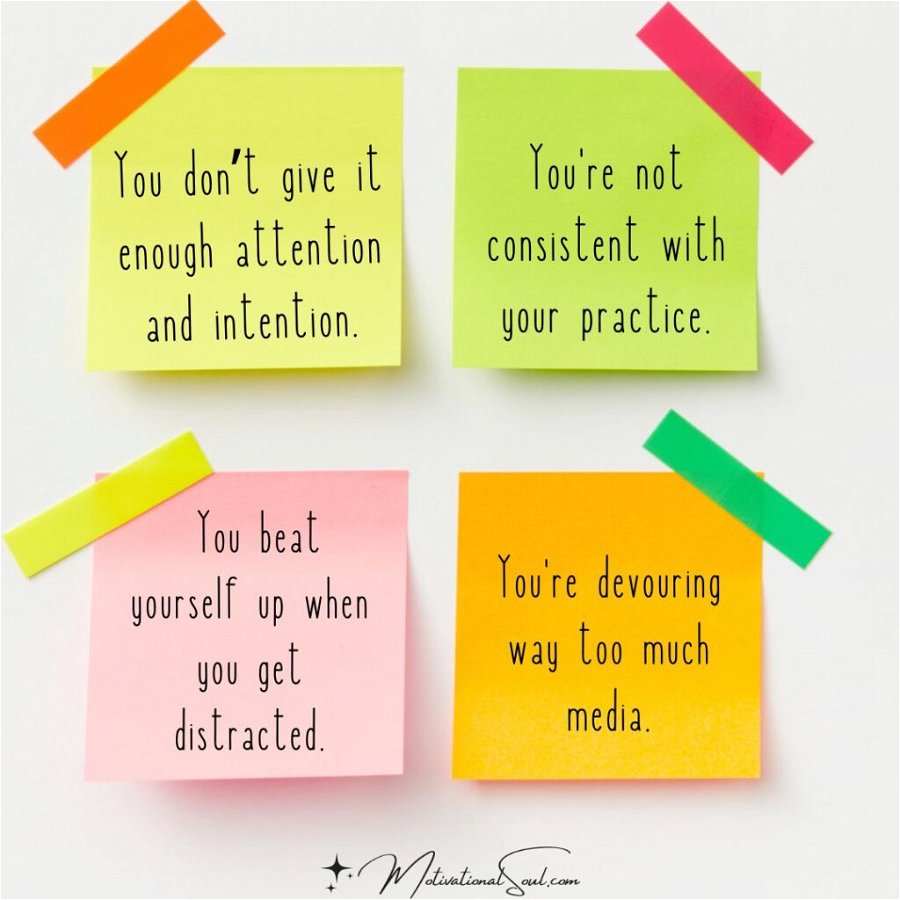
    1. You’re not consistent with your practice.

    “The secret of meditation is doing it consistently.”- Sri Chinmoy

    When you first start out meditating, it is important to be consistent with your practice. Many people make the mistake of starting and then stopping their practice after a few days or weeks.

    It’s important to find a time that works for you and stick to it, even if it’s just for a few minutes each day. If you only meditate occasionally, it will be difficult to see any benefits from your practice.

    To avoid this, try to meditate at the same time each day and make it a part of your daily routine. If you can’t commit to meditating every day, start a few times a week and gradually increase the frequency of your practice.

    2. You meditate with the assistance of external aids.

    “Meditation is an inner process. It has nothing to do with the outer world.”- Osho

    Many people try to meditate using external aids such as candles, music, or chanting. While these things can be helpful in some cases, they are not necessary for successful meditation practice. Using too many external aids can be detrimental to your practice.

    If you find that you need assistance to meditate, try using a simple mantra or focusing on your breath. Once you become more comfortable with the practice, you can experiment with other aids if you’d like.

    Remember, the goal of meditation is to focus on your inner experience and connect with your true nature. using external aids can be a distraction from this goal.

    The less you respond to negative people

    3. You don’t experiment with different types of meditation.

    One of the most common mistakes people make when they start meditating is not experimenting with different types of meditation. There are many different ways to meditate, and it’s important to find a method that works for you. If you only stick to one type of meditation, you may become discouraged if it doesn’t seem to be working for you.

    To avoid this, experiment with different types of meditation and find a method that resonates with you. There is no one “right” way to meditate, so don’t be afraid to try something new. You may be surprised at how effective a different approach can be.

    When you find a meditation method that you like, stick with it for a while and see how it affects your experience. Remember, the goal is to find a practice that you can stick with long-term.

    4. You don’t give it enough attention and intention.

    One of the most important parts of meditation is giving it your full attention and intention. If you Half-heartedly try to meditate, you will likely not see any benefits from the practice. It’s important to be fully present and focused when you meditate.

    To avoid this, make sure that you are clear about why you want to meditate and what you hope to achieve from it. Set an intention for your practice and be clear about what you want to get out of it. Then, give your full attention to the meditation and let go of any other thoughts or distractions.

    If you can commit to these things, you will be well on your way to successful meditation practice.

    Be selective in your battles. Sometimes peace is better than being right.

    5. You beat yourself up when you get distracted.

    “Mindfulness is not a matter of trying to focus the mind on one thing and holding it there. Rather, it is simply being aware of whatever arises in each moment.”-Thich Nhat Hanh

    One of the biggest mistakes people make when they meditate is getting frustrated with themselves when they get distracted. It’s important to remember that everyone gets distracted when they meditate. It’s part of the process.

    The key is to not get attached to the thoughts and just let them go. If you can do this, you will find that your mind will gradually become more still.

    Be patient with yourself and don’t expect perfection. Just keep coming back to the meditation and eventually, you will find the focus you are looking for.

    6. You’re devouring way too much media.

    “The best way to learn about something is to experience it for yourself.”- The Buddha

    Many people try to learn about meditation by reading books or articles, watching videos, or listening to podcasts. While these things can be helpful in some cases, they are no substitute for experience.

    If you want to learn how to meditate, the best way is to simply start practicing. Experiment with different techniques and find a method that works for you. Then, commit to regular practice and stick with it.

    The more you meditate, the more you will learn about the practice and how it affects you. So don’t get too caught up in trying to learn about meditation- just start practicing and the rest will come naturally.

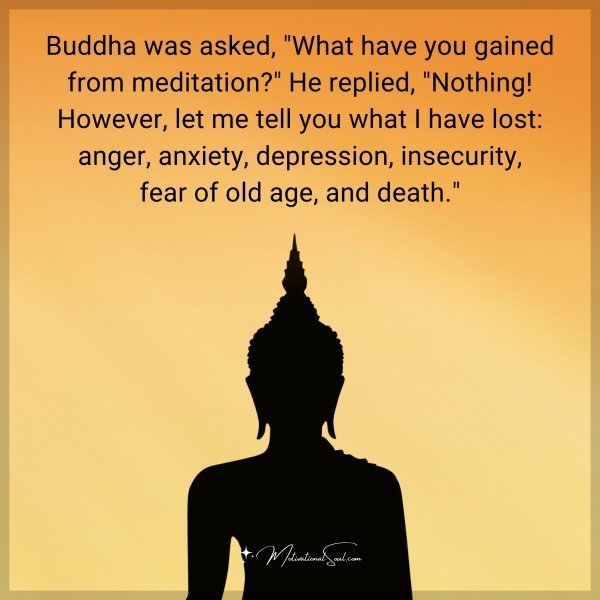
    Buddha was asked

    7. You keep your mind too busy during the day.

    If you want to be successful in meditation, it’s important to have some quiet time during the day when you can let your mind rest. This doesn’t mean that you need to meditate all day long, but it does mean that you should make some time for stillness and silence.

    Turn off your phone, close your laptop, and just sit in silence for a while. Let your mind wander and don’t focus on anything in particular. This will help you to clear your mind and be more present when you do meditate.

    If you can find some time each day to just be still, you will be much more successful in your meditation practice.

    Your peace is more important than driving yourself crazy trying to understand why something happened the way it did. Let it go.

    8. You have overly ambitious goals.

    When you first start meditating, it’s important to set realistic goals. If you try to do too much too soon, you will likely get frustrated and give up.

    Start with small goals like meditating for five minutes a day. Once you are comfortable with that, you can gradually increase the time. But don’t try to meditate for hours each day when you are just starting.

    Take it slow and be patient with yourself. The more you meditate, the more progress you will make. But it’s important to start small and not get overwhelmed by too much too soon.

    There is no enemy outside our soul. The real enemies live inside us. Anger

    Conclusion:

    The path to a successful meditation practice is filled with many pitfalls. If you can avoid these common errors, your chances of success will increase dramatically! Just remember that consistency and focus are key- without them there’s no way anyone could ever achieve reap all the benefits offered by this worthwhile endeavor.

    As long as one practices patiencely throughout their session (even if it feels hard at first) then they’ll be able reach whatever goals or aspirations come into mind when practicing mindfulness.

    Thanks for reading!

    Meditation Guidance

  • Quote: GOOD LOOKS ARE DANGEROUS.
INTELLIGENCE IS LETHAL.

    Quote: GOOD LOOKS ARE DANGEROUS. INTELLIGENCE IS LETHAL.

    GOOD LOOKS ARE DANGEROUS.
    INTELLIGENCE IS LETHAL.

  • Quote: Open-minded people do not impose their beliefs on others. They just

    Quote: Open-minded people do not impose their beliefs on others. They just

    Open-minded people do not impose their beliefs on others. They just accept all of life’s perspectives and realities, doing their own thing in peace without judgement.

  • Quote: No matter how good
your heart is, eventually you
have to

    Quote: No matter how good your heart is, eventually you have to

    No matter how good
    your heart is, eventually you
    have to start treating people
    the way they treat you.