Sometimes
what you’re
looking for, comes
when you’re not
looking at all.
Tag: Self Love
-

Quote: Sometimes what you’re looking for, comes when
-

Quote: Everyone needs at least one friend who understands what we do not say
Everyone needs at least one friend who understands what we do not say.
-

Quote: Don’t just teach your children to read… Teach them
Don’t just teach
your children to
read… Teach them
to question what
they read, Teach
them to question
everything. -

10 Steps to Accomplish Anything You Set Your Mind To
Uncertain about how to embark on your journey to success? Take heart—you’ve come to the right place! In this post, we’ll explore 10 steps that can guide you toward achieving anything you set your mind to. Whether your dream is to shed a few pounds, launch a venture, or master a new skill, these principles will propel you forward. So, what’s holding you back? Let’s dive right in!
DISCIPLINE IS THE BRIDGE BETWEEN GOALS AND ACCOMPLISHMENT.
- Define a Clear Goal
Carving out a precise objective is the cornerstone of realizing any ambition. Maybe your target is as straightforward as giving up smoking, or as lofty as building a thriving business. Whatever it is, identifying your focus will anchor your motivation and energize you to press on. Once your goal is in sight, craft a step-by-step plan, complete with both short- and long-term milestones that feel tangible and inspiring. Fight for your rights. Protect your dignity. Otherwise - Set Small Goals
Anyone who has ever aimed for big transformations—like losing weight or quitting smoking—knows how daunting major goals can appear. One way to combat overwhelm is to sculpt bite-sized targets. If you’re intent on dropping 20 pounds, hone in on trimming 2 pounds each week. If you long to kick the smoking habit, scale back to a single cigarette per day to start. Incremental triumphs fuel momentum and nurture belief in your ability to succeed. Be a beast and fight for your goals - Create And Practice Successful Behaviors
Once you’ve pinned down what you want, the next step is devising a purposeful strategy. Make sure it’s precise, measurable, attainable, meaningful, and anchored in time. Clarify what you want, how you’ll monitor progress, why it matters, and when you aim to achieve it. Then, weave habits into your daily rhythm that steer you closer to your goal. If losing weight is your mission, consider adopting a routine like a wholesome breakfast each morning or a brisk evening stroll. These concrete behaviors, practiced faithfully, amplify your odds of reaching any aspiration. Your beliefs don’t make you a better person. Your behavior does. Type “Yes” if you agree. - Overcoming Comfort Zones
Staying comfortable feels safe but can also lull us into a stagnant existence. True growth often demands venturing beyond familiar terrain. This doesn’t mean diving into reckless risks, but rather embracing new experiences and challenges whenever possible. By routinely nudging yourself into unexplored territory, you cultivate a resilient mindset and an adaptability that can handle life’s surprises—and ultimately help you attain your long-range goals. A comfort zone is a beautiful place - Building A Support System
Achieving greatness isn’t a solo act. When you’re backed by a steadfast network—family, friends, mentors—who cheer you on, you gain the emotional fortitude to persist in tough times. Whether it’s a phone call that sparks confidence or a friend who celebrates each minor win, a solid support system keeps discouragement at bay and fuels your resolve to keep going. MOTIVATE ME - Be Passionate
Ask any trailblazer, and they’ll confirm passion is the engine of real achievement. Without genuine excitement, motivation can wither, leaving you indifferent to your objectives. Passion means believing wholeheartedly in the importance of what you’re pursuing, pouring in the necessary labor, and adapting when the situation shifts. That exhilaration becomes your guiding star, illuminating a path toward remarkable success. CHASE YOUR PASSIONS - Persevere
Let’s be honest: Anything worthwhile demands grit. You’ll stumble. You’ll face doubts. Yet the difference lies in whether you choose to stand up, dust off, and persist. Perseverance is the quiet power that pushes you through setbacks and keeps you on track. While others may waver in their belief, don’t lose faith in your own potential. The payoff for that resolve is the sweet satisfaction of seeing your goal become reality. The comeback is always stronger than the setback. - Celebrate Successes
Recognizing each victory—no matter how small—bolsters your motivation and enlivens your commitment to push onward. Every time you achieve a piece of your puzzle, pause to applaud your progress. Acknowledging your hard work trains your mind to see yourself as capable and strong, lighting your way through future roadblocks. A high-five to yourself now paves the way for even greater wins down the line. - Don’t Ever Stop Learning
If you’re truly intent on crushing your goals, treat learning as a lifelong endeavor. Dive into new books, sign up for courses, and seize every chance to refine your craft. That constant flow of knowledge not only widens your horizons but also makes you more adaptable in the face of setbacks. After all, as Thomas Edison said, “I have not failed. I’ve just found 10,000 ways that won’t work.” NEVER STOP LEARNING - Enjoy the Journey
Finally, remember that the thrill of accomplishing anything substantial lies in the experiences you gather along the way. Don’t forget to relish each forward stride, learn from every stumble, and have fun through it all. Life’s too short to fixate solely on the finish line. Embrace the process, and you’ll carry wisdom with you long after you’ve achieved your goal. I am learning to trust the journey even if I don’t understand it.
- Define a Clear Goal
-

12 Simple Ways to Become a Nicer Person
Do you ever sense the world bristling with tension? It can feel deflating to hold onto hope when so many people appear edgy or impatient. The good news is that you wield genuine influence over how you relate to others—beginning this very moment. In the paragraphs below, we’ll explore 12 concrete strategies to foster a gentler, more compassionate version of yourself, along with tips for weaving these habits into your daily life. If you’re ready to sprinkle a touch more empathy into your everyday routine, read on!
How to Grow into a Kinder Person
Despite what you may assume, developing a more cordial spirit is often less complicated than it seems. You can exude warmth, understanding, and sincere concern each day through small, purposeful decisions. Below are 12 steps to illuminate your path:
- Act With Kindness
One vital stride toward becoming friendlier is deliberately choosing to act with kindness. We can get so enmeshed in our daily patterns that we overlook how simple gestures can light up someone’s day. Whether it’s offering a gentle smile, helping a neighbor unload groceries, or simply lending an attentive ear, these compassionate moments gradually reshape your surroundings. As you practice empathy, you’ll discover how boosting someone else’s spirits can unexpectedly lift your own. - Avoid Being Overly Critical
Nobody is free of flaws—we’re all wrestling with our own troubles. Still, some people gravitate toward fault-finding instead of acknowledging the good. If you notice yourself focusing on imperfections too often, pause and look for what’s admirable in others. Give authentic compliments and remember that each person carries hidden burdens. You might be pleasantly surprised by how adopting a brighter lens uplifts you—and everyone in your orbit. - Be Honest
“Honesty is the best policy” may sound overused, but it remains spot-on. Dishonesty tends to create a spiral of guilt and apprehension that rarely pays off. People trust and value you more when you’re transparent. Moreover, honesty paves the way for deeper kindness by fostering mutual respect and genuine bonds. When you find yourself tempted to stretch the truth, ask: “Is this worth the inner turmoil I’ll feel later?” - Be Nice to Yourself
Curiously, the journey toward being kinder to others begins with kindness toward yourself. We’re often our own toughest judges, magnifying mistakes and discounting triumphs. Instead, try extending yourself some forgiveness. Recognize your stumbles as lessons, not reasons to linger in self-criticism. By nurturing self-compassion, you spark a more caring mindset that effortlessly spills over into kinder interactions with those around you. - Be Considerate of Others
In addition to treating yourself well, make a deliberate effort to be mindful of others. Pause and imagine life through their perspective, even if they annoy or upset you. Forgiveness is a powerful gift, not merely for them but for your own peace of mind. Resist the urge to spread rumors or tear others down behind closed doors. Aim to shine a softer, more positive light. You may find that goodwill bounces back to you in unexpected ways. - Smile More
Sometimes, the most modest gesture can create the biggest ripple. Smiling is remarkably contagious, and it has the power to shift someone’s day in an instant. When you’re out running errands or just strolling, offer a warm smile to passersby. A genuine grin not only brightens others’ moods but can also melt away your own stress, leading to surprising moments of connection and happiness. - Be Open-Minded
Staying open-minded is one of the surest ways to nurture kindness. Rather than outright rejecting opinions that clash with yours, try to understand how someone arrived at their viewpoint. What events shaped their thinking? Which experiences steered them to this place? By stepping momentarily into another person’s shoes, you begin to dismantle preconceived notions and see the humanity behind their beliefs. Curious respect can mend rifts and encourage understanding. - Be Polite
Spreading warmth doesn’t require grand displays. Everyday politeness can serve as a powerful spark for kindness. Hold a door open for a stranger, offer your seat on public transport, or give a quiet nod of encouragement to a colleague under pressure. Seemingly small courtesies can leave lasting positive impressions and help cultivate a more compassionate atmosphere wherever you roam. - Avoid Negativity and Gossip
If you aspire to be kinder, try distancing yourself from negative chatter and gossip. Instead, focus on the uplifting dimensions of life and the praiseworthy qualities of those around you. When you notice yourself drifting into harsh thoughts or trivial rumors, pause and consider a more empathetic angle. This approach encourages a mindset that values understanding over faultfinding. - Be Assertive
Assertiveness isn’t about being domineering; it’s about clearly articulating your boundaries and needs. By communicating respectfully, you reduce confusion and nurture mutual regard. Assertiveness also fosters kindness by preventing hidden resentment from festering. Voicing your truth gracefully shows others that you hold both yourself and them in high esteem. - Try to See Things From Other People’s Perspectives
Cultivating empathy is a cornerstone of being kinder. The next time criticism or gossip creeps in, pause and pivot your viewpoint. Reflect on the experiences, fears, or struggles that could shape someone’s behavior. Even if you don’t align with their stance, the willingness to empathize can soften harsh judgments and foster more meaningful connections. - Do Something Nice for Somebody Every Day
Consistency transforms kindness into second nature. Challenge yourself to perform one thoughtful act each day—keep a door open, offer a heartfelt compliment, or send an encouraging message. Over time, these intentional moments of goodwill become woven into who you are, creating a ripple effect of compassion in your life and the lives of those you touch.
Conclusion
Embracing a kinder outlook often grows from simple, conscious decisions. The 12 ideas above provide a helpful launchpad, but the course of your kindness journey is entirely in your hands. By incorporating these actions into your daily routine, you’ll gradually evolve into someone who brightens every space they enter. Which step will you explore today? - Act With Kindness
-

How to Project Confidence: The Secrets of the Most Successful People
What is the key to success? Many people would say that it is confidence. To be successful, you must believe in yourself and your talents. This blog post will discuss the secrets of confidence and how you can use them to achieve your goals. We will also look at the habits of the most successful people and see what we can learn from them. So, keep reading if you are ready to become more confident and booming!
What is Self Confidence?
A sensation of trust in one’s talents, qualifications, and judgments is referred to as self-confidence. This term is often used interchangeably with self-esteem. However, there is a difference between the two. Self-esteem is your opinion of yourself, which can fluctuate based on your successes or failures. On the other hand, self-confidence is a more stable belief in your abilities. It is not based on your current circumstances or how other people see you.
Self-confidence is important because it allows you to take risks and pursue your goals. It gives you the courage to face challenges and the strength to overcome obstacles. People who lack self-confidence often give up easily or miss out on opportunities because they are afraid to fail.
Why One Lacks Self-Confidence?
One of the most common reasons for a lack of self-confidence is low self-esteem. If you have low self-esteem, you are likely to doubt your abilities and feel that you are not good enough. This can be caused by several factors, such as past failures or criticism from others. It is important to remember that everyone makes mistakes and that everyone has different strengths and weaknesses. Learning from your mistakes and using your strengths to achieve your goals matters.
Another reason for the lack of self-confidence is negative thinking. If you constantly tell yourself that you cannot do something, it will become harder for you to believe in yourself. Negative thinking can be a result of stress or anxiety. It can also be a habit that you have developed over time. If you want to become more self-confident, you need to start thinking positively about yourself and your abilities.
Why is Self Confidence Important?
Self-confidence is important because it allows you to take risks and pursue your goals. It gives you the courage to face challenges and the strength to overcome obstacles. People who lack self-confidence often give up easily or miss out on opportunities because they are afraid to fail.
The Secrets of Confidence
Now that we have looked at what self-confidence is and why one lacks it let us look at the secrets of confidence.
Focus on Your Strengths
Focusing on your strengths is one of the most effective methods to boost your confidence. Whether it’s your sense of humor, quick wit, or ability to connect with people, identifying and capitalizing on your strengths can help you feel more confident in any situation. Knowing what you’re good at can more easily brush off criticisms and negative comments.
And when you spend time developing your strengths, you’ll naturally become more skilled and knowledgeable in those areas – which will also help increase your confidence. So next time you’re feeling down about yourself, take a step back and focus on what makes you special and unique. Chances are, plenty of things make you an amazing person – and your confidence will soar once you start embracing those qualities.
Promote Yourself
The best-kept secret of confident people is that they promote themselves. By tooting their own horn, they let the world know what they’re capable of achieving. This doesn’t mean they’re arrogant or boastful; rather, they have an inner belief in their abilities and are not afraid to share it with others.
Confident people understand that self-promotion is not only acceptable but necessary if they want to achieve their goals. They know they need to put themselves out there and make themselves known if they want to succeed. And so, they take every opportunity to do so. They network and build relationships with influential people.
They speak up in meetings and make their voices heard. In short, they make sure that they are seen and heard. So, if you want to be more confident, start promoting yourself. It may feel uncomfortable at first, but it’s essential for success. Let the world know what you’re capable of, and watch as your confidence grows along with your opportunities.
Prime Yourself for Success
We all know that person always seems to walk into a room and take charge. They have an aura of confidence that makes them seem like they can handle anything that comes their way. While some people are born with an innate sense of confidence, the rest of us must work a little harder to develop it. The good news is that confidence is something that can be learned, and there are a few simple things you can do to prime yourself for success.
- One of the most important things you can do is to dress the part. Whether you’re giving a presentation at work or going on a first date, what you wear greatly impacts how you feel about yourself. If you look good, you’ll feel good, and that extra boost of confidence can make all the difference.
- Another helpful tip is to make sure you’re well prepared. If you know your stuff inside and out, you’ll be able to speak with authority and project confidence even if you don’t feel 100% sure of yourself.
- Finally, remember that practice makes perfect. The more experience you have talking in front of others, the easier it will become. With a little bit of effort, anyone can learn to fake it ’til they make it.
Look for Inspiration
One of the best ways to build confidence is to look for inspiration in the successes of others. When you see someone who has achieved what you want to achieve, it can help to remind yourself that it is possible. It can also give you a valuable model to follow. Of course, it is important not to compare yourself too closely to others. Everyone has their own unique journey, and there is no need to compare yourself to anyone else. However, looking for inspiration in the accomplishments of others can be a great way to build confidence in your own ability to succeed.
In addition to looking for inspiration in the successes of others, it can also be helpful to focus on your victories. Remembering times when you have overcome adversity can help you feel more confident in facing challenges. It is also a good reminder that you are capable of handling whatever comes your way. So, next time you are feeling down, take a moment to reflect on your past successes. Doing so can give you the boost of confidence you need to keep moving forward.
Don’t Compare Yourself to Others
Confidence is key in any situation, whether you’re giving a presentation or simply chatting with a friend. And while it may seem like some people are just naturally confident, the truth is that confidence is something that can be learned. A great method to become more confident is by steering clear of comparing yourself to others.
Everyone has their own unique talents and abilities, and comparing yourself to someone else will only make you feel inferior. Instead, focus on your own strengths and accomplishments. Remind yourself that you have what it takes to succeed. When you focus on your own potential, you’ll likely exude confidence in every situation.
Take on New Dangers and Excitement
One of the best ways to become more confident is to put yourself in new and challenging situations. By pushing yourself outside of your comfort zone, you’ll quickly learn that you’re capable of handling much more than you ever thought possible. Of course, it’s important to start small. If you’re not used to taking risks, jumping into something too far outside of your comfort zone can be overwhelming and lead to a loss of confidence. Start with something small, like speaking up in a meeting or taking a new exercise class. As you become more comfortable with taking risks, you’ll find that your confidence will begin to grow.
Pushing yourself to try new things can be scary, but it’s also one of the best ways to build confidence. So, next time you’re feeling down, take on a new challenge. It just might be the boost you need to start exuding confidence in all areas of your life.
Tame Your Nerves
One of the most common causes of a lack of confidence is nerves. It can be difficult to project confidence if you’re feeling anxious or stressed. However, you can do a few things to tame your nerves and boost your confidence.
First, try taking some deep breaths. Inhaling and exhaling slowly can help to calm your nerves and ease your anxiety. It’s also important to remember that everyone gets nervous from time to time. Everyone feels anxious in certain situations. So, don’t be too hard on yourself if you’re feeling a bit nervous. Just take a few deep breaths and remind yourself that you can handle the situation.
- In addition to taking some deep breaths, it can also be helpful to focus on your positive qualities.
- Reminding yourself of your strengths and abilities can help to boost your confidence. So, the next time you’re feeling nervous, take a few deep breaths and focus on your positive qualities. Doing so can help you exude confidence in any situation.
Exude Confidence With Body Language
One of the quickest and easiest ways to exude confidence is with your body language. Just by standing up straight and making eye contact, you can come across as confident and self-assured. Of course, it’s important to remember that your body language should match how you’re feeling on the inside. So, if you’re not actually feeling confident, faking it with your body language won’t do you any good.
These are some of the most important signals that indicate how in the command you feel:
- Uncrossed arms and legs
- Open posture
- Head held high
- Good eye contact
- Smiling
If you want to come across as confident, it’s important to keep these signals in mind. Just by making a few simple changes to your body language, you can easily exude confidence in any situation.
Bottom line
The secrets of confident people are simple but not always easy. By following these tips, you can project the image of success and competence that will help you achieve your goals. Remember, confidence is key! What strategies do you use to boost your confidence?Let us know in the comments below.
-

The Power of Radical Acceptance: Why You Should Start Practicing It Today
We all know that feeling: the one where we can’t seem to do anything right. We mess up at work, our relationships are a disaster, and we just can’t catch a break. We spend so much time dwelling on our mistakes that we eventually start to believe that we’re just not good enough. This is where radical acceptance comes in. If you’re ready to start practicing radical acceptance, keep reading!
What is Radical Acceptance?
Radical acceptance is the practice of accepting ourselves and our circumstances exactly as they are, without judgment. It’s difficult to be content with who we are when society tells us that we need to improve ourselves constantly. So when things don’t go our way, it’s easy to beat ourselves up and think we’re not good enough.
Normal Acceptance vs. Radical Acceptance
Let’s say you’ve just been passed over for a promotion at work. With normal acceptance, you would acknowledge that it hurts to be passed over, but you would also try to move on as quickly as possible. Maybe you’ll start looking for a new job or reassess your goals at your current company.
With radical acceptance, however, you would completely accept the situation for what it is. You would allow yourself to feel the pain and hurt of being passed over without trying to push those feelings away. At the same time, you would also accept that this is where you are right now, and that’s OK.
Why Radical Acceptance Is So Powerful
Radical acceptance is powerful because it takes judgment out of the equation. When we’re constantly judging ourselves and our circumstances, we’re not giving ourselves a chance just to be. We’re not allowing ourselves to feel our emotions fully or experience life in the present moment.
Radical acceptance is also powerful because it can help us find peace in difficult situations. If we can learn to accept ourselves and our circumstances, we can stop struggling so much and find some peace and calm in the midst of chaos.
Who Should You Practice Radical Acceptance?
Radical acceptance is for everyone! But it can be especially helpful for people who struggle with perfectionism, self-criticism, and anxiety. If you’re someone who constantly beats yourself up for your mistakes or feels like you can never do anything right, radical acceptance can help you learn to love and accept yourself just as you are.
Benefits of Radical Acceptance
- It helps us learn to love and accept ourselves, even when things are tough.
- It allows us to see ourselves and our lives in a new, more positive light.
- It can be especially helpful for people who struggle with perfectionism, self-criticism, and anxiety.
- It teaches us that we are imperfect beings but that our imperfections do not make us unworthy of love and happiness.
- It helps us to let go of the negative thoughts and emotions that are holding us back from living our best lives.
Origins of Radical Acceptance
Radical acceptance is a concept that psychologist Marsha Linehan popularized. Linehan is the creator of Dialectical Behavior Therapy (DBT), a type of therapy that has been shown to be very effective in treating people with Borderline Personality Disorder (BPD). In her work, Linehan noticed that many of her clients struggled with self-acceptance. They were constantly berating themselves for their mistakes and feeling like they were never good enough.
Linehan realized that these clients would never be able to recover from their mental illness unless they learned to accept themselves, so she created the concept of radical acceptance as a way to help her clients do just that.
Indicators of Lack of Acceptance
There are some telltale signs that you might need to work on self-acceptance. If you find yourself constantly beating yourself up for your mistakes, feeling like you’re not good enough, or struggling with perfectionism, radical acceptance can help. Other indicators that you might need to work on your self-acceptance include:
- You’re never satisfied with yourself or your life.
- You’re always comparing yourself to others and coming up short.
- You have a hard time letting go of mistakes or failures.
- You struggle with anxiety or depression.
- You have a hard time celebrating your accomplishments because you think they’re not good enough.
- You’re always striving for perfection and feel like you can never do anything right.
- You find it difficult to accept compliments from others.
- You struggle with anxiety or depression.
Reasons for Lack of Acceptance
Some people are raised in environments where they’re constantly told they need to be better, do better, or look better. Others might have experienced trauma or abuse that has led them to believe they’re not worthy of love and happiness. There are many reasons why someone might struggle with self-acceptance.
Perfectionism
One of the main reasons why perfectionism is not more widely accepted is because it is often viewed as a form of self-indulgence. Perfectionists are often accused of being vain and self-absorbed, concerned only with their own appearance or achievement. However, this is far from the truth. Perfectionism is a very demanding standard that requires a great deal of dedication and effort to meet.
Perfectionists are often highly successful people who have achieved a great deal in their field. They are also usually very talented and skilled individuals who have a strong desire to be the best at what they do. The reason why perfectionism is not more widely accepted is that it is often misunderstood. Perfectionists are not simply people concerned with their appearance or achievement; they have a strong desire to be the best at what they do.
Self-Criticism
People may be reluctant to accept compliments because they are afraid of being seen as conceited or arrogant. This fear of self-criticism can be especially pronounced in people who have low self-esteem. When someone pays us a compliment, we may worry that we are not worthy of the praise and that the other person will see us as we truly are: flawed and imperfect. This fear can prevent us from fully enjoying the moment and appreciating the kind words that have been spoken.
However, it is important to remember that everyone is imperfect and that we all deserve to be praised for our accomplishments, no matter how small. By learning to accept compliments graciously, we can allow ourselves to feel happier and more confident.
Anxiety
It is commonly accepted that public speaking is the number one fear people have. Other things that may rank high on people’s list of fears are things like dying, heights, spiders, snakes, and flying. So what is it about public speaking that creates such anxiety? It could be the fear of being judged, the fear of embarrassing oneself, or the fear of not being able to control the situation. Whatever the reason, the fact remains that public speaking is a situation that makes many people very anxious.
The good news is that there are ways to manage that anxiety and even overcome it. Practice and effort make it possible to become a confident and successful public speaker.
How to Practice Radical Acceptance
Learn more about the ways you may enhance your capacity to accept radically. Remember, mastery grows with practice, so keep practicing!
Keep An Eye Out For Indications That You Are Not Welcoming
We all have moments when we feel out of step with the world around us. Maybe we’ve just moved to a new town and don’t know anyone, or we’re going through a tough breakup and feeling lonely. Whatever the reason, it’s normal to feel like an outsider from time to time. But if you always feel like this, it may indicate that you need to practice radical acceptance.
Radical acceptance is the act of accepting people and situations as they are without judgment or resistance. It sounds simple enough, but it can be surprisingly difficult to do.
The next time you find yourself feeling alone or misunderstood, try practicing radical acceptance. Instead of fighting against the situation, allow yourself to experience it fully. Observe your thoughts and emotions without judgment, and remind yourself that this shall pass. By practicing radical acceptance, you can learn to open yourself up to new experiences and find strength in times of adversity.
Acknowledge Your Emotions
It’s important to remember that all emotions are valid. Whether you’re feeling happy, sad, angry, or scared, all of your emotions are valid and deserve to be acknowledged. When you’re feeling down, it can be tempting to push away your negative emotions and try to focus only on the positive. But if you don’t allow yourself to feel your emotions fully, you may find it difficult to move on.
The next time you’re feeling sad or angry, try practicing radical acceptance. Acknowledge your emotions without judgment, and allow yourself to feel them fully. Once you’ve allowed yourself to experience your emotions, you can then start working on moving past them.
Radical acceptance is a powerful tool that can help you to manage your emotions and find strength in times of adversity. By practicing radical acceptance, you can learn to open yourself up to new experiences and find peace in the midst of chaos.
Be Willing To Let Go
One of the most difficult things about radical acceptance is learning to let go. When we’re faced with a difficult situation, it can be tempting to cling to what’s familiar and comfortable. But if we want to grow and change, we need to be willing to let go of what’s no longer serving us.
The next time you’re facing a difficult situation, try practicing radical acceptance. Accept that the situation is out of your control, and be willing to let go of what’s no longer serving you. By practicing radical acceptance, you can learn to flow with change and find peace in the midst of chaos.
Practice Mindfulness
Mindfulness is the act of being present in the moment without judgment. When you’re mindful, you observe your thoughts and emotions without attachment or resistance. This can be a difficult practice, but it’s essential if you want to learn how to accept people and situations as they are.
The next time you find yourself feeling stressed or overwhelmed, try practicing mindfulness. Pay attention to your breath, and observe your thoughts and emotions without judgment. By practicing mindfulness, you can learn to be present in the moment and find peace in the midst of chaos.
Keep In Mind That Reality Cannot Be Changed.
One of the most difficult things about radical acceptance is realizing that reality cannot be changed. This can be a hard pill to swallow, but it’s an important lesson to learn. When you’re facing a difficult situation, trying to change the way things are can be tempting. But if you want to find peace, you need to accept that reality cannot be changed.
The next time you find yourself struggling to accept a situation, try practicing radical acceptance. Accept that the situation is out of your control, and remind yourself that reality cannot be changed. By practicing radical acceptance, you can learn to flow with change and find peace amid chaos.
Remember That This Too Shall Pass
One of the most comforting things about radical acceptance is remembering that this shall pass. No matter how difficult a situation may be, it’s important to remember that it will eventually come to an end.
The next time you’re facing a difficult situation, try practicing radical acceptance. Accept that the situation is out of your control, and remind yourself that this shall pass. By practicing radical acceptance, you can learn to flow with change and find peace during chaos.
Make a Plan Of Action Or What You Will Do
The final step in learning how to practice radical acceptance is making a plan of action. Once you’ve accepted that the situation is out of your control, it’s time to make a plan of what you will do. This may involve seeking professional help, talking to a friend or family member, or taking some time for yourself.
The important thing is that you make a plan of what you will do to take care of yourself. By practicing radical acceptance, you can learn to flow with change and find peace during the chaos.
Coping Statements for Radical Acceptance
Try using these coping statements if you’re struggling to accept a situation. By practicing radical acceptance, you can learn to flow with change and find peace in the midst of chaos.
- It’s okay that this happened.
- I can’t control everything.
- This, too, shall pass.
- I am taking care of myself the best I can.
- I accept myself just as I am.
- I am doing the best I can with what I have.
Radical acceptance is a powerful tool that can help you to manage your emotions and find strength in times of adversity. By practicing radical acceptance, you can learn to flow with change and find peace amid chaos. Give it a try today!
You Might Also Like
-

Dealing With an Emotional Breakdown

Strength of character isn’t always about how much you can handle before you break; it’s also about how much you can handle after you’ve broken. It’s not always easy to deal with an emotional breakdown. When life gives you lemons, sometimes it feels like everything is going wrong. You may feel like you can’t cope with the stress anymore and that things are just too much for you to handle if this sounds like you, know that you are not alone. Millions of people experience emotional breakdowns every year. This blog post will discuss ways to deal with an emotional breakdown and get your life back on track!
What Is an Emotional Breakdown?
An emotional breakdown is a period of time when a person experiences intense emotional distress. This can be caused by a variety of things, such as relationship problems, job stress, financial troubles, or even just the day-to-day grind of life.
When someone goes through an emotional breakdown, they may feel unable to cope with their problems. They may feel hopeless, helpless, and like they are just going through the motions of life without any joy or purpose. Emotional breakdowns can last a few days or weeks and can be extremely debilitating.
Symptoms of an Emotional Breakdown
You may experience the following thoughts during an emotional breakdown:
- “I can’t do this anymore.”
- “I’m such a failure.”
- “I’m not good enough.”
- “Everyone would be better off without me.”
Physical Symptoms
- Fatigue or exhaustion
- Insomnia
- Headaches
- Muscle tension or aches
- Stomach problems
- Chest pain
Emotional Symptoms:
- Anxiety
- Panic
- Sadness
- Irritability
- Anger
- Guilt
- Shame
Causes of an Emotional Breakdown
There are many different causes of emotional breakdowns. Some people may be more susceptible to them than others, but anyone can experience one in their lifetime. The most common causes of emotional breakdowns include:
- Stressful life events: Experiencing a traumatic event or series of stressful life changes can lead to an emotional breakdown.
- Mental health conditions: A mental health condition can increase your risk of emotional breakdown.
- Biological factors: There is evidence to suggest that certain biological factors, such as a family history of mental illness, may increase your risk of emotional breakdown.
- Substance abuse: Using drugs or alcohol can also contribute to the development of an emotional breakdown.
- Relationship difficulties: Dealing with relationship problems can be extremely stressful, and this stress can lead to an emotional breakdown.
- Illness or injury: An illness or injury can cause physical and emotional stress, which can lead to an emotional breakdown.
- Grief: Grief is a natural response to loss and can be overwhelming. People who are grieving may be at risk for an emotional breakdown.
How to Know if You’re Having an Emotional Breakdown
There is no definitive way to diagnose an emotional breakdown, as there is no official diagnosis for it in mental health manuals. However, a healthcare provider can evaluate your symptoms and suggest treatment options to help you address them. They may also work with you to develop a comprehensive treatment plan.
Your healthcare provider will determine whether you have a mental health condition depending on your symptoms and their intensity, says Dr. Romanoff.
If not, therapy and support that can help you cope with the challenges you’re experiencing can still be provided by them.
How does Emotional Breakdown Impacts Your Life?
An emotional breakdown can have a significant impact on your life.
- It can interfere with your ability to work, study, and take care of yourself.
- You may find it difficult to concentrate, make decisions, or even leave the house.
Emotional breakdowns can also lead to relationship problems, as you may withdraw from your loved ones or become overly reliant on them for support.

WHEN YOUR HEART BREAKS Can a Nervous Breakdown be Prevented?
There is no sure way to prevent an emotional breakdown, as many different causes exist. However, there are some things you can do to reduce your risk. These include:
- Managing stress: Try to identify the sources of stress in your life and find ways to manage them. This may involve making lifestyle changes, such as getting more exercise or learning how to meditate.
- Practicing self-care: Make sure you are taking care of yourself emotionally and physically. This includes getting enough sleep, eating a balanced diet, and avoiding substances that can harm your health.
- Building a support system: Lean on your friends and family members when you are feeling overwhelmed. Talking to someone who cares about you can help reduce stress and promote healing.
How to Treat an Emotional Breakdown
There is no one-size-fits-all approach to treating an emotional breakdown, but some of the ways are listed below for you.
Get Some Perspective
The first step is to get some perspective. Remind yourself that this is not the first time you have felt this way and that you have successfully overcome difficult emotions in the past. Secondly, taking care of yourself physically and emotionally is important. Eat healthy meals, get enough sleep, and avoid drugs and alcohol. Finally, seeking professional help can be extremely helpful in managing an emotional breakdown. A therapist can provide support and guidance as you work through negative emotions. You will eventually recover from an emotional breakdown and feel better again with time and effort.
The most important thing you can do during an emotional breakdown is to focus on self-care. This means taking the time to do things that make you happy and relax your mind and body. It may also mean seeking professional help if you feel like you cannot cope on your own. However, if you choose to care for yourself, remember that an emotional breakdown is not a sign of weakness – it is simply a sign that you need some extra care.
Tips for self-care:
Focus on Self-Care
- Get enough sleep
- Eat healthy meals
- Avoid drugs and alcohol
- Exercise regularly
- Take breaks when you need them
- Spend time with supportive people
Talk to a Therapist
If you’re struggling to cope with an emotional breakdown on your own, talking to a therapist can be extremely helpful. A therapist can provide support and guidance as you work through negative emotions. They can also help you develop coping mechanisms for dealing with future stressors. If you don’t feel like talking to a therapist, you can also talk to a trusted friend or family member.
Medication
Some people may feel like they need medication to help them cope with an emotional breakdown. You should speak to your healthcare provider about your options if this is the case. They will be able to prescribe medication if they feel it is necessary. Medication can be an effective treatment for some people, but it is not right for everyone.
Give Yourself Time
Recovery from an emotional breakdown takes time. There is no set timeline for how long it will take to feel better. However, most people start to feel better within a few weeks with the help of self-care and professional treatment. It is important to be patient with yourself and understand that recovery is a process.
Practice Self-Compassion
One of the most important things you can do during an emotional breakdown is to practice self-compassion. This means being kind and understanding towards yourself. Remember that you are going through a tough time and that it is okay not to be perfect. Beating yourself up will only make things worse. Instead, try to focus on taking care of yourself and being gentle with yourself.
Communicate Your Needs
Communicating your needs is important during an emotional breakdown. This means letting your friends and family know what you need from them. It may be helpful to let them know what kind of support you are looking for. For example, you may need someone to talk to or help with day-to-day tasks. Asking for help can be difficult, but it is important to communicate your needs during this time.
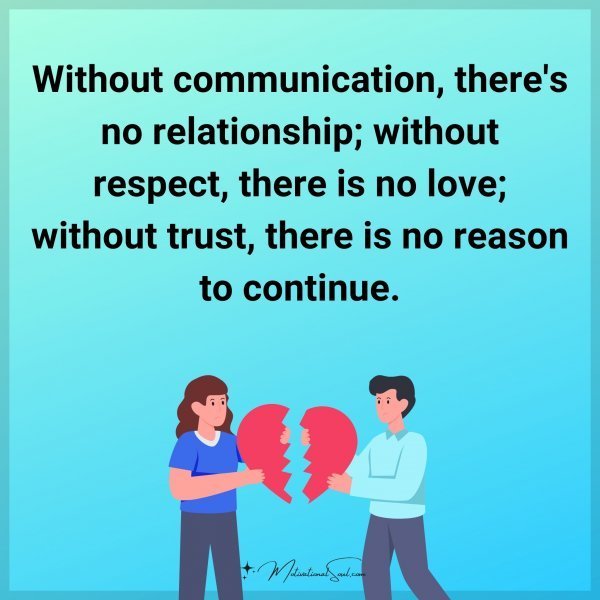
Without communication Dropping into the Present Moment
When you’re in the midst of an emotional breakdown, it can be difficult to see things clearly. Your mind is likely racing, and you may be feeling overwhelmed. One way to cope with this is to focus on the present moment. This means grounding yourself in the here and now and focusing on your breath. This can help you feel tranquility and more in control.
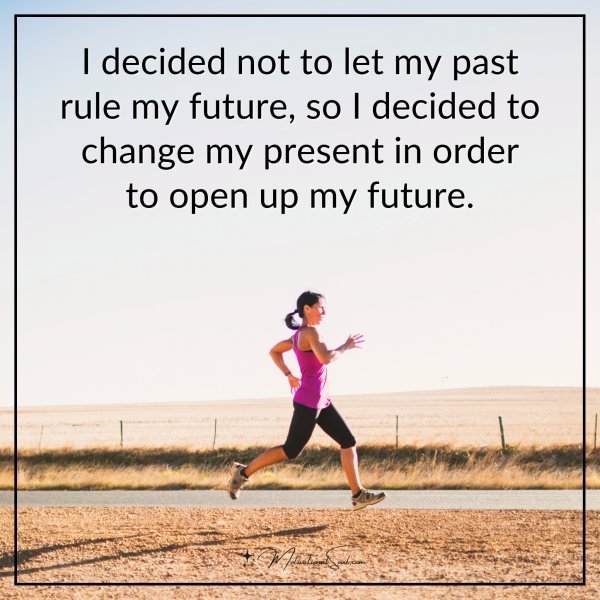
I decided not to let my past rule my future Practice Meditation
Meditation can be helpful for dealing with an emotional breakdown. It can help you focus on the present moment and calm your mind.Different types of meditation work for different people, so find the one that works for you. You can try guided meditation, mindfulness meditation, or transcendental meditation.
Reduce Technology Use
If you’re struggling to cope with an emotional breakdown, reducing your use of technology may be helpful. This means spending less time on your phone, computer, and social media. Technology can be a major source of stress and make things feel worse. If you need a break from technology, try disconnecting for a day or two.
Have patience
Remember that recovery takes time. There is no set timeline for how long it will take to feel better. However, most people start to feel better within a few weeks with the help of self-care and professional treatment. It is important to be patient with yourself and understand that recovery is a process.
Acknowledge Your Feelings
One of the most important things you can do during an emotional breakdown is to acknowledge your feelings. This means accepting that you are feeling pain and allowing yourself to experience it. It’s natural to feel dejected, scared, or enraged. Denying your feelings will only make things worse in the long run. Acknowledging them will help you start to work through them.
Recovery From an Emotional Breakdown
No one is immune to hardships and emotional breakdowns. At some point in our lives, we all go through tough times. And while it’s never easy to deal with an emotional breakdown, it is possible to recover and come out stronger on the other side.
Recovery takes time, but it is possible to get through this tough time. Acknowledge your feelings, communicate your needs, and focus on the present moment. These things will help you start to feel better. Finally, don’t forget to ask for help when you need it.Support from friends and family can make a big difference.
You Might Also Like
-

Habits Mature People Have That You Should Start Adopting Today
Mature people have certain habits that help them lead successful lives. If you want to be more successful, then you should start adopting these habits today! In this blog post, we will discuss mature people’s habits. So, if you’re ready to become a more mature and successful person, keep reading!
Mature People’s Habits
Maturity is often associated with age, but it doesn’t necessarily have to be. Age can bring wisdom and life experience, but maturity is a state of mind. It’s about how you approach life and handle its challenges.
Some people never seem to grow up, while others mature quickly. If you want to be successful in life, it’s important to have a mature mindset.
Here are a few habits that mature people have:
Goal-Oriented
As we get older, we often find ourselves with more responsibilities and less time. In order to make the most of our limited time, mature adults learn to set goals and prioritize their activities. By focusing on what is truly important, they are able to accomplish more in less time. And while some might view this as a restrictive way to live, setting goals can actually be liberating. It allows us to focus our energy on what matters most rather than wasting time on things that don’t contribute to our long-term happiness.
Good Communicators
One of the most important skills we can learn is how to communicate effectively. Mature adults understand the importance of communication, and they work to improve their skills. They know that clear and concise communication is essential in both personal and professional relationships. And while it can be difficult to master the art of communication, it’s definitely worth the effort. After all, how can we expect to accomplish our goals if we can’t even communicate them effectively?
Self-Awareness
Another important quality of mature adults is self-awareness. This means that they are aware of their own strengths and weaknesses. They are aware of their strengths and weaknesses. This self-awareness allows them to set realistic goals and make informed decisions. It also helps them to avoid making the same mistakes over and over again.
Good Time Management Skills
In order to be successful, it’s important to learn how to manage our time wisely. Mature adults understand the importance of time management and make sure to use their time wisely. They know how to set priorities, and they are able to stick to a schedule. This allows them to get more done in less time and leaves them with plenty of free time to enjoy their hobbies and interests.
Mature People Are Resilient
One of the most important qualities of mature adults is resilience. This means that they are able to bounce back from setbacks and failures. They know that life is full of ups and downs, and they don’t let the bad times get them down. Instead, they use these experiences to learn and grow. As a result, they are better prepared to handle whatever life throws their way.
Strength in Character
In addition to being resilient, mature adults also have strength in character. This means that they are honest and trustworthy. They always adhere to a strong moral code and always try to do the right thing. People with strength in character are reliable and dependable. They are the type of people you can always count on, no matter what.
The Ability To Be Flexible
Mature adults are also flexible. Their ability to adapt allows them to change efficiently. They know that life is constantly changing, and they roll with the punches. They have an expansive outlook and are willing to explore novel experiences. And while some people might view this as a weakness, mature adults know that it’s actually a strength. After all, the ability to be flexible is what allows us to grow and learn.
Positive Attitude
Last but not least, mature adults have a positive attitude. This means that they choose to see the glass as half full rather than half empty. They focus on the good in every situation and try to find the silver lining in every cloud. A positive attitude is contagious. And when we surround ourselves with positive people, it’s only natural that we will start to see the world in a more positive light.
Patience
One of the most important qualities of mature adults is patience. Patience is a virtue, and while it can be difficult to be patient, they understand that it’s often necessary in order to achieve our goals. Mature adults can control their emotions and don’t let their frustration get the best of them. Instead, they use their time wisely and wait for the perfect opportunity.
A Sense of Humor
Mature adults also have a sense of humor. They know that laughter is the best medicine and use it to their advantage. A sense of humor can lighten any situation and is a great way to defuse tension. When we laugh, it’s impossible to stay angry or upset. And that’s why mature adults know that a sense of humor is one of our most important qualities.
Assertive
Mature adults are also assertive. This means that they are able to stand up for themselves and their beliefs. They are confident, and they aren’t afraid to speak their mind. At the same time, they also know how to listen, and they are open to hearing other people’s opinions. Assertiveness is a key part of effective communication. And it’s a quality that mature adults have mastered.
Independent
Mature individuals are self-reliant as well. This means that they are able to take care of themselves, and they don’t rely on others to do things for them. They are self-sufficient, and they know how to handle their own problems. And while some people might see this as a negative quality, mature adults know that it’s actually a strength. After all, being independent is what allows us to grow and learn.
A Passion for Learning
Mature persons are also interested in acquiring new knowledge. They know that life is a never-ending journey and are always looking for new learning opportunities. They are curious, and they enjoy exploring new ideas. A passion for learning keeps us young at heart, one of the qualities that mature adults possess.
Gratitude
Mature people are also grateful for what they have. They know that life is a gift and appreciate all the good things that come their way. They are thankful for their blessings and don’t take anything for granted. An attitude of gratitude is one of the secrets to happiness. And it’s something that mature adults understand.
Self-control
Mature men and women also have self-control. This means they can control their thoughts, emotions, and actions. They know how to resist temptation and don’t let their impulses get the best of them. Instead, they act in a way that is consistent with their values and beliefs. Self-control is a key ingredient in success. And it’s something that mature adults have mastered.
Respect other people’s opinion
Mature people always respect other people’s opinions even if they don’t agree with it. They know that everyone is entitled to their own point of view, and they are always willing to listen. At the same time, they also know how to stand up for themselves and aren’t afraid to voice their opinions. Respect is an important part of any relationship. And it’s something that mature adults understand.
Take ownership of their mistakes.
Mature people also know how to take ownership of their mistakes. They don’t try to blame others when things go wrong. Instead, they accept responsibility and learn from their mistakes. Taking ownership of our mistakes is an important part of maturity. It’s a sign that we are willing to learn and grow.
Listen more than they talk.
Mature adults know the importance of listening. They understand that communication is a two-way street. And they are always willing to listen to what others have to say. At the same time, they also know how to express their own thoughts and feelings. Listening is an essential part of effective communication. And it’s a habit that mature adults have mastered.
Avoid negativity
Mature people know how to steer clear of negativity. They don’t dwell on the negative things in life. Instead, they focus on the positive and try to make the best of every situation. Avoiding negativity is an important part of staying happy and healthy. And it’s something that mature adults understand.
Forgive and Forget
Mature people also know how to forgive and forget. They don’t hold grudges, and they don’t dwell on past hurts. Instead, they let go of the negativity and move on with their lives. Forgiving and forgetting are important parts of maturity. It’s a sign that we are able to let go of the past and move on.
Set boundaries
Mature people also know how to set boundaries. They know when to say “no,” and they aren’t afraid to protect themselves. At the same time, they also know how to be assertive without being aggressive. Setting boundaries is an important part of taking care of ourselves. And it’s something that mature adults understand.
Live in the present
Mature people live in the present. Their focus is on what they are doing at the moment, not on what has already happened or what might happen in the future. This doesn’t mean that they don’t have goals and plans, but it does mean that they don’t dwell on past mistakes or future worries.
Instead, they enjoy each day and make the most of every opportunity. People who live in the present are often more successful and happier than those who don’t. They are able to fully engage with the world around them and enjoy all that life has to offer. So if you want to live a more mature, productive, and enjoyable life, start by learning to live in the present.
Be patient
Mature people know that good things come to those who wait. They are patient, and they understand that some things take time. They don’t try to rush things or force them to happen. Instead, they let things unfold in their own time. Patience is a virtue that mature adults have mastered. And it’s something that we can all learn from.
Appreciate what they have
Mature people also know how to appreciate what they have. They are grateful for the good things in their lives and don’t take them for granted. At the same time, they also know how to deal with bad times. They don’t dwell on the negative things, and they don’t let them get them down. Instead, they focus on the positive and try to make the best of every situation. Appreciating what we have is an important part of maturity. It’s a sign that we are able to see the good in spite of the bad.
Take responsibility For Their Own Happiness.
Mature people know that they are responsible for their own happiness. They don’t expect others to make them happy. Instead, they take charge of their own happiness and ensure they are doing things that make them happy. Taking responsibility for our own happiness is an important part of maturity. It’s a sign that we are confident and capable of taking care of ourselves.
Don’t compare yourself to others.
Mature people also know that comparison is the thief of joy. They don’t compare themselves to others, and they don’t try to keep up with the Joneses. Instead, they focus on their own lives and try to be the best they can be. Comparison is an unnecessary stressor that mature adults have learned to avoid. It’s something that we can all learn from.
Face their fears
Mature people also know how to face their fears. They understand that fear is often irrational and don’t let it control their lives. Instead, they face their fears head-on and don’t let them hold them back. Facing our fears is an important part of maturity. It’s a sign that we are brave and capable of handling whatever life throws at us.
Conclusion
These are just some of the qualities that mature adults possess. And if you want to be more mature, then you should start adopting these habits today. After all, it’s never too late to learn and grow. So why not start today?
What do you think? Do you agree with this list? What other qualities do you think mature adults possess? Share your thoughts in the comments below.
-

20 Night Affirmations before you go to sleep
- I am worthy of love and happiness. This affirmation helps to boost self-esteem and self-worth, promoting positive thoughts and feelings.
- I trust in my abilities and decisions.This affirmation helps to build self-confidence and belief in oneself, leading to a more positive outlook on life.
- I am deserving of success and abundance. This affirmation helps to attract positive energy and opportunities, encouraging growth and achievement.
- I am grateful for all the blessings in my life. This affirmation helps to foster an attitude of gratitude, promoting a more positive mindset and well-being.
- I am surrounded by love and positivity. This affirmation helps to promote a feeling of security and comfort, leading to a more restful and peaceful sleep.
- I am capable of overcoming any challenges that come my way. This affirmation helps to build resilience and determination, promoting a positive outlook and a sense of empowerment.
- I am happy with who I am and where I am in life. This affirmation helps to promote self-acceptance and inner peace, leading to a more relaxed and restful sleep.
- I am enough, just as I am. This affirmation helps to boost self-esteem and self-worth, promoting positive thoughts and feelings.
- My thoughts and emotions are under control. This affirmation helps to promote emotional regulation and self-control, leading to a more peaceful and restful sleep.
- I am open to new opportunities and experiences. This affirmation helps to promote an open and positive mindset, encouraging growth and new experiences.
- I release any negative thoughts and emotions. This affirmation helps to promote a sense of inner peace and well-being, leading to a more relaxed and restful sleep.
- I am strong and resilient. This affirmation helps to build resilience and determination, promoting a positive outlook and a sense of empowerment.
- I am deserving of love and respect from others. This affirmation helps to promote a positive self-image and healthy relationships, leading to a more peaceful and restful sleep.
- I am grateful for my body and its abilities. This affirmation helps to promote body positivity and self-care, leading to a more peaceful and restful sleep.
- I am worthy of living a fulfilling and happy life. This affirmation helps to boost self-esteem and self-worth, promoting positive thoughts and feelings.
- I choose to focus on the positive aspects of my life. This affirmation helps to promote a positive mindset and well-being, leading to a more peaceful and restful sleep.
- I trust in the universe and its plan for me. This affirmation helps to promote a sense of inner peace and trust in the universe, leading to a more relaxed and restful sleep.
- I am empowered and in control of my life. This affirmation helps to promote a sense of empowerment and control, leading to a more peaceful and restful sleep.
- I am worthy of lenience, both from myself and others. This affirmation helps to promote self-compassion and a sense of forgiveness, leading to a more peaceful and restful sleep.
- I choose to focus on love and positivity. This affirmation helps to promote a positive and loving outlook, leading to a more peaceful and restful sleep.
You Might Also Like
The Power Of Night Affirmations
How To Celebrate Life Every Day Regardless Of Your Circumstances