Positive thinking isn’t always easy. Negative thoughts can be loud and intrusive, especially when you’re under stress. But if you’re struggling to stay positive, there are some things you can do to help silence the negative voice in your head. Try these tips for keeping your thoughts positive and managing stress.
Stop stressing.
Define stress and rage
When it comes to managing our emotions, understanding the difference between stress and rage is essential. Stress is a product of modern life – it’s an intuitive response to feeling overwhelmed or overworked, that can manifest in physical symptoms such as headaches and upset stomachs. However, whereas stress requires us to take a step back from the situation and reflect on what needs to be done, rage is an emotional reaction that often pushes us further into confrontation and chaos. An excessive emotion that has its roots in unresolved hurt or fear, rage triggers the fight-or-flight impulse and urges us to take impulsive action. When we’re able to experience these emotions in healthy ways through meditation or talk therapy – or by finding the courage to ask for help – we can make conscious decisions on how to improve our lives.
Stress and rage are both powerful emotions that can have an immense impact on our mental and physical wellbeing. It’s important to note, however, that just because these feelings arise, it doesn’t mean they must take control of us. The key is to learn how to manage stress and rage the right way so they don’t consume us. It takes work, but the outcome of not letting it define who we are is worth every effort we put in. Regularly practicing simple methods like mindful breathing can make a huge difference in allowing us to lead happier, less-stressed lives. Taking actions like these will help reclaim our equilibrium and bring vital balance back into our lives.
Everyone can benefit from a positive outlook on life, especially when it comes to challenging and stressful situations. Practicing positive thinking helps us to proactively manage our emotions and reactions in difficult moments, significantly reducing the effects of stress and resentment. Positive thinking practices, such as meditation or visualization, help us re-center ourselves and stay focused during tough times. We can use simple affirmations to remind ourselves of our good qualities and strengths when we’re feeling overwhelmed or angry.
Ultimately, choosing to think positively will not only make notoriously difficult situations more comfortable but also lead to improved mental health in the long run. Start taking the steps towards positive thinking today!
Tips to take to start thinking more positively
Are you looking to start thinking more positively and setting yourself up for a more successful life? It is never too late to start making a change for the better!
Here are some tips to help you develop a positive mindset and boost your mental wellbeing.
First, take time daily to recognize and appreciate the good in your life – whether it be big or small victories. Acknowledge that even the most seemingly insignificant moments of joy can be immensely valuable.
Secondly, practice gratitude and express it outwardly. Expressing thankfulness helps us recognize our blessings, which promotes contentment in our lives.
Last but not least, replace toxic thoughts with affirmations. Not only does this build your confidence, but it also helps you keep moving forward on a journey of self-discovery and growth. With these few steps you WILL be able to transform yourself into a more positive person!
Benefits of positive thinking
Positive thinking can have a tremendously positive impact on our lives. It can empower us to be the best version of ourselves, reaching levels of success both personal and professional that we never thought possible. When practiced regularly, it can be truly life-changing. By re framing our thoughts to more constructive and optimistic perspectives, we can reap profound benefits across many aspects of our lives. These benefits include improved self-esteem, emotional resilience when faced with challenges, greater drive and clarity when setting goals and more energy and enthusiasm for activities we’d usually delay or procrastinate on – just to name a few! In short, if you want to make a real transformation in your day-to-day experience then committing to positive thought patterns is a smart choice.
So, there you have it. Defining stress and rage and understanding their effects is the first step to mitigating them. From there, practicing positive thinking with intention can lead to a decrease in stress and rage levels– promoting better physical health and improved relationships. Specialized techniques like journaling or visualization may help some people get started on their journey to positivity. And finally, reaping the benefits of positive thinking will provide motivation for making this change. Give yourself permission to think positively today!
Hey there! If you’re like me, you’re always looking for ways to improve yourself. Well, I’ve got some great news: journaling can help you do just that!
Keep reading to learn more about the benefits of journaling and how to get started. Trust me, your future self will thank you!
Why journaling is good for you
Starting a journaling practice can be incredibly beneficial for your self improvement. Writing down our fears, worries and concerns can help to put things into perspective and prioritize the problems that really need to be solved. It’s also useful to take notes on ideas, as well as positive events that have happened during the day, allowing us to better process our feelings. As you start keeping records of your life experiences and thought patterns, you will begin to spot patterns in your behavior and find solutions for more effectively managing them. Journaling is an invaluable tool for growth, and encourages greater clarity, increase in self-awareness and improved emotional wellbeing. So don’t hesitate – start up your own journaling practice today!
How to get started with journaling
Journaling is an empowering way to track your progress, explore creative ideas and gain personal insights. It’s so much more than just writing down your thoughts – it can help you grow and evolve in amazing ways. But how do you get started? Find the journaling techniques that work for you.
Don’t be afraid to experiment – use different mediums like drawing, creating collages or adding photos – and let go of judgments (write for your eyes only!). Keep expectations realistic: you don’t need a full page every day – even five minutes here and there can be really helpful. Finally create a writing routine: maybe once a week or before bedtime – whatever works for you. And remember: it’s all about self-acceptance and owning your journey!
What to write about in your journal
Writing in a journal is an incredibly simple and effective way to become more mindful and improve your personal well-being. Take some time out of each day to put your thoughts down on paper and make yourself accountable to goals you want to achieve. Write down your short and long term goals, and keep track of your progress as you go.
Journaling can also be used a great coping mechanism; if you’re facing stress or hardship, capturing it in words is the perfect way to work through problems and come up with strategies for overcoming them. It’s also important to not just focus on negatives – expressing gratitude daily is key for positivity. Write three things you are grateful for every day, and end each one with REASON, to really get into why those things have impacted you in a positive way.
Ultimately, journaling allows us to look inwardly at others – take some time out of each day to think about what the best thing that happened today was – writing it down will help reinforce those moments!
How often to journal for maximum benefits
Journaling is becoming more and more popular as a self-improvement tool, and it’s no wonder why – it really works! Researchers have found that by journaling for at least 15 minutes a day, three to five times a week you can reap huge benefits. Not only will your confidence levels skyrocket, but you’ll find yourself feeling better in all aspects of life. Starting a journaling practice today doesn’t have to be daunting; it can be the positive boost you need to level up your well being. Just remember, set aside those 15 minutes every couple of days and watch the improvement happen!
Tips for making journaling a habit write in points
Journaling is an extraordinarily powerful self-improvement tool and one of the best ways to take stock of who you are and what you want out of life. To get the most out of journaling, it’s important to make it a habit. Find the techniques that help you write and stick with them – whether you prefer free writing or lists, poetry or prose – then let go of any expectations for perfection and just write for yourself.
Find prompts that work for you, and if your thoughts feel scattered, start with writing down whatever comes to mind: one thing can spark another idea and suddenly you have much more content on the page than you anticipated! Get creative – add photos, drawings or maybe even try turning your journal into a scrapbook or art project. Whatever approach works best for you, find a way to make it enjoyable and stick with it, because the personal growth potential offered by journaling is truly amazing.
How to stick with journaling even when you don’t feel like it
Journaling is a great way to track personal growth and improvement, but getting into a consistent habit of writing can be more challenging than it may seem- especially when you don’t feel like it.
Try setting aside a few minutes every day, even if you don’t think you have something “important” to write about.
Try keeping your pen and paper close by so that you can quickly jot down any thoughts or ideas as they come to you. Remember that there is no right or wrong way when it comes to journaling- it can look however you want it to!
Try experimenting with different formats, prompts, and layouts until you find something that works for you- then stick with it!. This will help keep your interest level high and make journaling into an enjoyable part of your daily routine!
Now that you know all the benefits of journaling and how to get started, what are you waiting for? Pick up a notebook and start writing today! Remember, there is no wrong way to journal. Just write about whatever is on your mind and let the words flow. If you stick with it, you’ll soon be reaping the rewards of this incredible self-improvement tool!
The Person Who Masters Himself Through Self-control and Discipline is Truly Undefeatable.
Buddha
Are you looking to take control of your life, but don’t know where to start? Do you have goals that are just out of reach, and feel like something is holding you back? Don’t worry – developing self discipline is the surest first step towards reaching your full potential. In this blog post, I’ll provide actionable tips on how to master self-discipline and level up your life. With a few small changes in your daily habits and routine, you can learn how to stay focused and become more successful than ever before.
Why self-discipline is the key to success
Self-discipline is a powerful tool that enables people to reach their maximum potential and achieve success. Self-discipline teaches people how to control their emotions and impulses, prioritize tasks, focus on the present moment, stay organized, persevere in difficult situations and set goals for themselves. All these skills are essential for success in any endeavor whether it be athletics, academics or business.
At its core, self-discipline is about understanding what needs to be done and taking initiative to do it. It involves making sacrifices today so that you can reap the rewards tomorrow. It requires an inner strength of character that enables you to make tough decisions and stick with them even when you don’t feel like it. Self-discipline also helps you stay focused on your ultimate goal which makes it much easier to keep pushing forward even when progress seems slow or nonexistent. Finally, self-discipline gives you the ability to remain disciplined even when faced with obstacles or setbacks. In this way you are able to turn obstacles into learning experiences and use them as fuel for continued growth and success.
How to develop self-discipline in your everyday life
Self-discipline is an essential life skill that can be developed with dedication and practice. It is necessary for achieving goals, preventing procrastination, and having a sense of control in your life. Developing self-discipline starts with small steps. Establishing a routine can help you stay on track and get tasks done in a timely manner. Begin by setting achievable goals, such as waking up at the same time every day or exercising three times a week. Having attainable targets makes it easier to stay motivated and follow through on them. Additionally, it’s important to stay present when completing tasks, no matter how mundane they may seem. If you find yourself struggling to focus or avoid getting distracted, try meditation techniques or set aside distraction-free work periods to help regain concentration.
Finally, staying accountable for your actions helps build self-discipline; this could look like telling yourself that if you complete a certain amount of work today then you’ll reward yourself with something afterwards. With determination and patience, developing self-discipline can be accomplished over time with tangible results in all areas of life.
Self-discipline is the ability to control one’s feelings and overcome one’s weaknesses; it is a key attribute of successful people. Being self-disciplined can benefit us in many ways. Through self-discipline, we can increase our productivity by avoiding procrastination. We can also stay focused on our goals and take the necessary action steps to achieve them. Self-discipline also helps us make healthier choices when it comes to diet, exercise, sleep, and stress management. Additionally, it helps us manage our time more effectively and efficiently so that we can accomplish our tasks in a timely manner.
By developing good habits such as waking up early and doing chores regularly, we allow ourselves to have more free time later on which can be used to pursue hobbies or relax after a hard day’s work. Furthermore, self-discipline allows us to gain strength and resilience when faced with adversity or difficult situations. It helps us remain calm even during stressful times as we are able to respond rationally instead of impulsively reacting without thinking through consequences first. In conclusion, being self-disciplined provides us with numerous advantages that can help improve our lives both mentally and physically.
Overcoming challenges with self-discipline
Self-discipline is an important tool in life, especially when it comes to facing and overcoming challenges. It is the ability to control one’s thoughts, emotions and behaviors in order to reach a desired goal. Self-discipline is critical when it comes to making difficult decisions or achieving ambitious goals that require dedication and hard work. It’s also useful for staying focused on tasks, avoiding procrastination and managing time wisely. Having self-discipline helps us develop self-control, which is essential for personal growth and success.
Self-discipline requires making sacrifices, such as cutting out bad habits or giving up short-term gratification for long-term gain; however, this can help us achieve our goals more quickly than if we had no self-discipline at all. With enough practice, self-discipline can become a habit rather than something we have to constantly consciously remind ourselves of. This makes it easier to stick with our plans even when it becomes difficult or challenging.
When tackling any challenge or obstacle in life, having self-discipline can be the difference between success and failure. Self-discipline can help us stay motivated even when progress seems slow or disheartening; instead of getting discouraged or giving up we can continue pushing forward until our goal has been achieved. Additionally, having the ability to focus on one task without getting distracted by other things will increase productivity and help us get closer towards our goal faster than if we lacked self discipline.
In conclusion, developing strong self discipline is key for dealing with challenges in life; whether it’s staying focused on a task or making tough decisions for the betterment of ourselves, having self discipline is essential for success and personal growth.
Setting and achieving goals with self-discipline
Self-discipline is essential for setting and achieving goals. Without self-discipline, it would be difficult to stick to a goal and see it through to completion. Self-discipline requires focus and commitment, both of which are necessary for reaching any goal.
When it comes to setting a goal, it is important to have a clear idea of what you want to achieve. This means being specific about what you want to accomplish and why it is important to you. Once you have a clear goal in mind, you can begin to develop a plan for how to achieve it. This plan should include small, achievable steps that you can take on a regular basis.
It is also important to be realistic when setting goals. If a goal feels unattainable or too difficult, it may be necessary to break it down into smaller goals. By taking small steps, you can make progress towards your overall goal and stay motivated along the way.
Once you have set a goal, it is important to maintain focus and commit to seeing it through. This requires self-discipline. There will be days when you don’t feel like working towards your goal, but it is important to push through these moments. Remember why your goal is important to you and keep moving forward.
If you are struggling to maintain self-discipline, there are a few things you can do to help yourself stay on track. First, try setting smaller goals that are easier to achieve. This can help you build momentum and stay motivated. Second, tell someone else about your goal and ask them to hold you accountable. Finally, make sure your environment supports your goal by removing anything that might tempt you to stray from your plan.
Self-discipline is an essential tool for anyone looking to set and achieve goals in their life. By staying focused and committed, you can overcome any obstacle and reach your destination.
‘The purpose of our lives is to be happy.’- Dalai Lama
Are you living a fun life full of possibilities? Or are you just going through the motions, not really experiencing life to the fullest? If you want to make the most out of every moment, it’s important to live with intention. In this article, we will explore what it means to live a fun life full of possibilities and discuss the benefits of doing so. We will also provide tips on how you can assess what’s important in your life and make changes so that you can enjoy every moment to the fullest!
A fun life is one that is full of possibilities. It is a life where you can do what you want, when you want, and where you want. There are no confines on what you can do or where you can go. You can go anywhere in the world and do anything that interests you. A fun life is also one where you don’t have to worry about money. You can live a comfortable life without worrying about bills or debt. You can also choose to live a more adventurous life, if that’s what you want. There are no limits on what you can do or where you can go.
A fun life is one where you can be yourself. You don’t have to conform to anyone else’s standards or expectations. You can wear whatever you want, listen to whatever music you want, and eat whatever food you want. You can also choose to live a more alternative lifestyle if that’s what you’re into. There are no confines on who you can be or what you can do.
A fun life is one where you can experience new things. You can travel to new places, meet new people, and try new things. You can also choose to stay home and experience new things in your own city or town. There are no limits on what you can do or where you can go.
A delightful life is one where you don’t have to fret about the future. You can live in the present moment and enjoy your life without worrying about what tomorrow may bring. You can also choose to plan for the future and save up for retirement, if that’s what you want. There are no confines on what you can do or where you can go.
A life full of possibilities is a life worth living. There are so many benefits to living a life full of possibilities. For one, it keeps you young at heart. When you have endless possibilities ahead of you, it’s hard to feel old or like you’ve peaked. Possibilities also breed hope and motivation. If you feel like there’s nothing left to achieve, it’s easy to get complacent and give up. But when you know that anything is possible, it’s much easier to stay hopeful and motivated.
Possibilities also make life more exciting. When every day feels like Groundhog Day, it’s hard to muster up the energy to do anything. But when there’s always something new and exciting on the horizon, it’s much easier to stay engaged with life. And last but not least, living a life full of possibilities gives you a sense of control. When everything feels out of your control, it can be very disempowering. But when you know that you can make anything happen if you just set your mind to it, it’s much easier to feel in control of your life and your destiny.
How You Can Assess What’s Important In Your Life
It’s important to take stock of what’s important in your life on a regular basis. What matters to you? What are your priorities?
One way to assess what’s important in your life is to consider your values. What do you believe in? What’s important to you? When you know your values, it’s easier to make choices that align with them.
Another way to assess what’s important in your life is to look at your goals. What do you want to achieve? Why do you want to achieve it? Your goals can give you clues about what’s truly important to you.
Finally, it’s also helpful to look at how you spend your time. How do you spend your days? What activities do you enjoy most? Your daily habits and activities can reveal a lot about what’s important to you.
When you take the time to assess what’s important in your life, it can help you make better choices and live a more fulfilling life.
Making changes to your routine can be difficult, but it is worth it if it means being able to enjoy every moment to the fullest. To make changes that will stick, start small and focus on one thing at a time. For example, if you want to start exercising more, commit to walking for 30 minutes a day for two weeks before adding in any other exercises.
It is also important to make sure that the changes you are making are ones that you are passionate about. This will make it more likely that you will stay with them in the long-term. If you are not sure what changes you want to make, take some time to reflect on what would make you happiest. Once you have a good idea of what you want to change, make a plan and set some goals.
Making changes to your life can be daunting, but remember that taking small steps is better than not taking any steps at all. If you focus on making one change at a time, you will eventually get to where you want to be. And, most importantly, enjoy the journey!
Conclusion
The conclusion drawn from the above content is that it is better to be proactive than reactive when trying to improve one’s life. Proactive people are more likely to succeed because they take action and don’t wait for things to happen to them. Reactive people, on the other hand, wait for things to happen and then try to react to them. This often leads to them being caught off-guard and not being able to take advantage of opportunities.
When it comes to living a fun life full of possibilities, it’s important to assess what’s truly important to you. From there, you can make changes so that you can enjoy every moment to the fullest.
Some benefits of living a fun life full of possibilities include feeling more alive, having more energy, sleeping better, and improving your overall mood and outlook on life. Additionally, by taking charge of your life and making choices that reflect your values and priorities, you can live a more authentic and fulfilling life.
So ask yourself: What would make my life more fun and enjoyable? What are some things I’ve always wanted to do or try? What would bring more meaning into my life? Once you have answers to these questions, you can start making choices that will lead you down the path of a fun and fulfilling life.
Happiness is not reaching your goal. Happiness is being on the way.- Ingvar Kamprad
When we set out to achieve a goal, we often do so with the expectation that once we reach it, we will finally be happy. We believe that this one accomplishment will solve all of our problems and make us perfectly content. Unfortunately, this is not usually the case. In fact, research shows that after reaching a goal, many people actually become less happy than they were before. This can be due to a number of factors, such as unrealistic expectations or the realization that other aspects of life are more important than just achieving goals. So what can we do to find happiness after reaching our goals? In this essay, I will explore some of the strategies that have helped me find lasting contentment in life.
Many people believe that achieving their goal will make them happy, but this is often not the case.
Many people believe that achieving their goal will make them happy, but this is often not the case. Achieving a goal may provide a momentary sense of satisfaction, but it does not necessarily lead to lasting happiness. There are many factors that contribute to happiness, and achieving a goal is just one of them.
It’s important to have realistic expectations when it comes to happiness. If your happiness depends on achieving a certain goal, you’re likely setting yourself up for disappointment. It’s important to find joy in the journey, not just the destination.
There are many things you can do to increase your happiness, even if you don’t achieve your goal. Spend time with loved ones, do something you enjoy, or help someone else. These things will bring lasting happiness, even if your goal remains elusive.
Don’t let your happiness depend on something that may or may not happen. Find joy in the present moment, and know that you don’t need to achieve a goal to be happy.
There are a number of factors that can contribute to this, such as unrealistic expectations or the realization that other aspects of life are more important than just achieving goals.
There are a number of factors that can contribute to someone feeling like they have failed, even when they haven’t. One of these is having unrealistic expectations. If someone expects to always achieve their goals and be perfect, then they are bound to feel like a failure when they don’t meet those expectations. This can lead to them feeling like they are not good enough, and that anything less than perfection is a failure. Another factor is the realization that other aspects of life are more important than just achieving goals. If someone puts all their focus on achieving their goals, they may realize too late that they have neglected other areas of their life. This can lead to feelings of regret and disappointment, and make someone feel like they have failed even if they did achieve their goals.
Happiness is a complex emotion that is often reliant on reaching our goals. However, what can we do to find happiness after reaching our goals? There are a few things we can do in order to maintain happiness or even increase it after we have achieved what we set out to do.
One way to stay happy after reaching a goal is to set new goals. This can help us to continue to feel motivated and purposeful. It is important to make sure that these new goals are realistic and attainable so that we do not set ourselves up for disappointment. Additionally, it can be helpful to reflect on our achievements and be proud of what we have accomplished thus far. This can give us a sense of satisfaction and contentment.
It is also important to remember that happiness is not always dependent on achieving our goals. There are other aspects of our lives that contribute to our overall sense of well-being. Therefore, it is important to focus on the positive aspects of our lives and cultivate positive relationships and experiences. By doing this, we can maintain a sense of happiness even when we face setbacks or don’t reach our goals.
Many people find that focusing on the process of achieving a goal, rather than the goal itself, can be more motivating. This is because when we focus on the process, we are constantly reminded of our progress and how far we have come. This can help us to stay on track and keep moving forward towards our goal. Additionally, by focusing on the process, we are less likely to become discouraged if we hit a setback, as we can see that setbacks are just part of the journey.
Another strategy is to set goals that are realistic and attainable, so that we can feel a sense of accomplishment when we reach them.
When it comes to goal setting, it is important to set goals that are realistic and attainable. This way, we can feel a sense of accomplishment when we reach them. One way to ensure that our goals are realistic is to break them down into smaller, more manageable pieces. For example, if our goal is to lose weight, we can break it down into smaller goals such as working out three times a week or cutting out sugary drinks. By doing this, we can make sure that we are staying on track and making progress towards our ultimate goal. Additionally, it is important to set deadlines for ourselves so that we have a sense of urgency and are less likely to procrastinate. Nothing is more motivating than seeing the results of our hard work and knowing that we are one step closer to achieving our goals.
Finally, it is important to remember that happiness is not a destination, but a journey. We should enjoy the ride, even when we hit a few bumps along the way.
Happiness is not a destination, but a journey. We should enjoy the ride, even when we hit a few bumps along the way.
It is easy to get caught up in the day-to-day and forget that happiness is a journey, not a destination. It is important to enjoy the little things in life, even when things are tough. Happiness is not about having everything go perfectly all the time – it’s about appreciating the good moments and learning from the bad ones.
There will always be ups and downs in life, but it’s how we deal with them that counts. If we can keep our focus on the positive and learn from our mistakes, we will be much better off in the long run.Happy people are not necessarily always happy, but they have learned how to deal with adversity and turn it into something positive. So next time you find yourself feeling down, remember that happiness is a journey – enjoy the ride!
New Year’s resolutions can be a great way to set personal goals and get motivated for the year ahead. Making resolutions encourages us to reflect on our lives, think about what we would like to change and start creating realistic, achievable plans for ourselves. By having the focus of a resolution, we can stay accountable for our actions and measure our progress along the way. Writing down our resolutions serves as a reminder of our goals, helping us stay determined and fixed on them throughout the year.
Plan for Success
Here are twenty techniques that you can try to help you stick with your New Year’s resolutions:
Make a plan: Set specific, achievable goals and create a plan to achieve them.
Set achievable goals: Choose goals that are realistic and attainable, rather than setting yourself up for failure.
Set a timeline: Give yourself a deadline to achieve your goals.
Write down your goals: Putting your goals in writing can help to make them feel more tangible and give you something to refer back to.
Share your goals with others: Telling others about your goals can help to keep you accountable and motivated.
Break your goals down into smaller steps: Smaller steps can feel more manageable and can help to keep you moving forward.
If you’re anything like us, you probably take care of yourself by using natural remedies and remedies that are backed by science. And while there is no one right way to address all of your health concerns, there are a few common ailments and easy ways to relieve them naturally. From colds to muscle pain, our list of 9 common ailments and their natural remedies covers everything you need to get healthy and feel better in no time. So read on and start feeling better today!
1. Headache
There are a variety of headaches that can strike anybody at any time. From mild discomfort to debilitating pain, there’s no shortage of potential causes for a headache. Here are some of the most common types and the easiest ways to remedy them:
Migraine: A migraine is an intense headache that typically occurs on one side of the head and can last anywhere from 24 hours to 72 hours. The most common cause is an imbalance of blood flow in the brain, but other triggers include environmental factors (such as bright lights or strong odours), poor sleep habits, caffeine consumption, eating foods with tyramine (like cheese) and stress. The best way to prevent a migraine is by avoiding known triggers and getting enough rest.
Tension headaches: Tension headaches are characterized by pain around the temples, behind the eyes or on one side of the head. They’re usually caused by tension in the neck, jaw or shoulders and can be prevented by relieving any accumulated tension before bedtime. Treatment options include over-the-counter medications like ibuprofen or acetaminophen, lifestyle changes like reducing stress levels and exercising regularly, or surgery if other measures don’t work.
Cluster headaches: Cluster headaches are particularly irritating due to their frequent recurrence; they occur twice per month on average and tend to get worse with age. The cause isn’t known, but cluster headaches may be related to abnormal blood flow in the brain. Treatment includes taking over-the-counter medications like ibuprofen or acetaminophen, getting enough rest and avoiding triggers such as alcohol.
2. Stomach ache
Stomachache is one of the most common ailments and can be extremely debilitating. There are several things you can do to ease your symptoms naturally. First, make sure you’re drinking plenty of fluids. Not only will this help hydrate your body, but it will also reduce the pain and inflammation that are often associated with stomachaches.
Secondly, eat a balanced diet. By filling your stomach with healthy foods, you’ll help reduce the severity of your stomachache and ensure that you’re getting the nutrients your body needs to heal quickly. Finally, try natural remedies if all else fails. Many people find relief from their stomachaches by using supplements or home remedies such as ginger tea or baking soda baths.
3. Colds and flu
If you’re feeling under the weather, there are many things you can do to improve your symptoms and feel better faster. Here are some of the most common cold and flu symptoms, as well as natural remedies for each:
Colds and flu symptoms: Colds and flu symptoms can vary from person to person, but typically include a fever, headache, tiredness, sore throat, dry cough, runny nose and sneezing. Some people also experience body aches and sore tongues.
To reduce your chances of getting sick in the first place, follow these tips:
Stay warm! keep your body temperature up by wearing layers of clothing and using a heating pad or stovetop heat pack when you’re feeling chilly.
Drink plenty of fluids.
Eat light snacks that won’t contain lots of sugar or saturated fat. These foods will help to restore energy levels rather than contributing to infection.
Avoid touching your eyes. Don’t go around touching everybody else all the time either – germs can spread this way!
Get plenty of rest. When you’re not feeling well, it’s easy to feel like you have to keep busy. However, rest is important for your physical and mental well-being. If you start feeling bad with a cold or flu, see a doctor! There may be something more serious going on that needs treatment.
While there is no cure for the common cold, the best way to prevent colds and flu is by practising good hygiene, getting regular exercise, eating healthy foods and drinking plenty of fluids. Taking extra precautions like washing your hands frequently and avoiding close contact with sick people can also help reduce your chances of getting sick.
4. Stress
Stress is a normal part of life, but it can be particularly difficult to manage when it becomes chronic. It’s important to recognize the signs and symptoms of stress to take action and prevent further damage. Common signs and symptoms include irritability, fatigue, headaches, insomnia, difficulty concentrating and muscle tension. To manage these symptoms, it’s essential to make lifestyle changes such as exercising regularly, meditating, and engaging in activities that bring joy. It’s also important to practice good sleep hygiene by avoiding screens and caffeine before bedtime, developing a consistent sleep schedule, and getting enough rest each night.
Stress can destroy much more than just our physical health.
5. Insomnia
Common symptoms of insomnia include difficulty falling asleep, waking up frequently throughout the night, and waking up too early in the morning. To help manage insomnia, try to maintain a regular bedtime and wake time every day; avoid caffeine, nicotine, and alcohol several hours before bedtime; limit your exposure to bright screens before bed, and avoid large meals before bedtime. If your symptoms persist, speak to your doctor about possible treatments such as cognitive behavioural therapy or medications.
Here are some natural ways to relieve insomnia:
• Exercise: Exercise can help to improve your circulation and help you relax.
• Get a good night’s sleep: A good night’s sleep is essential for relieving stress and improving moods.
• Avoid caffeine: Caffeine can keep you awake during the night. Limit your intake of coffee, tea, and soda before bedtime.
SLEEPING
6. Acne
Acne is a common skin condition that can make people feel self-conscious. Acne can happen on any part of the body, but it is most common on the face and neck. Acne is caused by sebum, which is a mixture of oil and sweat secreted by the skin. The bacteria that cause acne-like to live in warm, humid environments. Acne can be treated with over-the-counter products or by seeing a doctor.
There are several easy ways to relieve acne naturally:
Use comedogenic (pore-clogging) products sparingly. These include lotions, creams, and powders that contain ingredients like coal tar, benzoyl peroxide, sulfates, or resins. Avoid using these products if you have sensitive skin or if you are pregnant or breastfeeding because they can lead to skin irritation or blemishes.
Try not to touch your face too much. Touching your face causes oils and sweat to become trapped in the pores, leading to acne.
Avoid wearing tight clothes that will trap sweat and oils. Wearing loose-fitting clothes will help keep your skin moisturized and free from the build-up of sebum and bacteria.
Cleanse your skin regularly using an acne-fighting cleanser such as antibacterial soap or a cream cleanser with salicylic acid (a beta hydroxy acid). Apply the cleanser to a cloth and work it into your skin in a circular motion. Rinse with lukewarm water and pat dry.
The human face is
7. Bronchitis
bronchitis is an inflamed air sac in the lungs. The air sacs are narrow tubes that carry air from the lungs to the rest of the body. Bronchitis is caused by infection, smoking, or allergies. It can make you short of breath and cause coughing. Bronchitis is treated with antibiotics if it is caused by a bacterial infection, painkillers if it is caused by a viral infection, and breathing exercises if it is due to asthma. If bronchitis is severe, your doctor may give you a corticosteroid injection to help reduce inflammation.
8. Rheumatoid arthritis
The most common symptom of rheumatoid arthritis is pain and stiffness in the joints, although other symptoms can vary from person to person. There is no known cure for rheumatoid arthritis, but there are treatments that can help relieve symptoms. Some natural remedies for rheumatoid arthritis include rest, exercise, heat therapy, and dietary modifications.
9. Depression
Common symptoms of depression include feelings of hopelessness, sadness, and irritability. It can also cause physical symptoms such as fatigue, changes in appetite or sleep patterns, and difficulty concentrating. Depression is usually treated with medications such as antidepressants and psychotherapy or counselling. Some natural remedies may help such as exercise, relaxation techniques, and dietary changes. If you think you may be suffering from depression, it is important to speak to your doctor or mental health professional.
Depression
10. Asthma
Asthma is a chronic lung condition that causes difficulty in breathing due to inflammation of the airways. Symptoms of asthma can range from mild wheezing to severe shortness of breath. Asthma is commonly treated with inhalers that open the airways and allow air to flow more freely. Other treatments include avoiding triggers, such as cigarette smoke or certain allergens, using a peak flow meter to measure lung function, and taking medications such as corticosteroids or bronchodilators. Natural remedies for asthma include exercise, relaxation techniques, and dietary modifications like cutting back on sugar and processed foods.
11. Diabetes
Diabetes is a serious medical condition in which the body does not produce enough insulin, or the insulin produced does not work properly. Symptoms of diabetes include increased thirst and urination, fatigue, weight loss, slow-healing sores, and blurred vision. Diabetes is treated with medications such as insulin injections or oral medications to control blood sugar levels. Healthy lifestyle modifications such as eating a balanced diet, exercising regularly, and maintaining a healthy weight can also help manage the condition. Natural remedies such as herbs, vitamins, and supplements may also be beneficial in controlling blood sugar levels.
12. High blood pressure
High blood pressure (HBP) is a medical condition that occurs when the force of the blood against your artery walls is too high. It can cause serious health problems such as heart attack, stroke, and kidney failure. Common symptoms of high blood pressure include dizziness, headaches, and shortness of breath. HBP is usually treated with medications such as ACE inhibitors or diuretics. Healthy lifestyle modifications like eating a healthy diet, exercising regularly, and reducing stress can also help to lower your blood pressure. Natural remedies such as herbs, vitamins, and supplements may also be beneficial in controlling blood pressure.
Conclusion
After reading this article on 12 common ailments and how to relieve them naturally, I’m convinced that the easiest way to stay healthy is by keeping track of what’s going on with your body. Not only will this help you identify potential problems early on, but it will also teach you natural methods for treating each ailment. From boosting your immune system to improving digestion, these solutions are easy and affordable to implement. So take advantage of them today. Thanks for reading!
Abuse is never okay. It doesn’t matter who the abuser is, what their reasons may be, or how long they’ve been doing it. Abusive relationships are never acceptable and should not be tolerated. It’s the best thing for you and your safety. With the right help, you can get out of that relationship and start a new one that’s safe and supportive.
Relationships require work to stay strong, and often time people fall into avoidable habits that jeopardize the relationship. Let’s explore a few of those dangerous habits below:
1. Lying
People in abusive relationships tend to lie routinely to cover up their abusive behaviour. Lying is often a sign that someone is trying to protect themselves or keep their partner from finding out the truth.
Do not ever lie to your partner about anything important. This includes things like where you’re going, who you’re meeting with, and what you’re doing. Do not withhold information from your partner. If they ask you a question, answer it honestly and completely. Do not try to control or manipulate your partner through lies. If they tell you something that makes you angry or upset, do not retaliate by lying to them about what happened or trying to get them to change their story.
Never lie to your partner
2. Insults and put-downs
Insults and put-downs are never acceptable in a relationship. Abusers often use insults to make their partners feel bad about themselves and to control them. Insulting your partner puts them down, makes them feel worthless, and can lead to feelings of depression or anxiety.
Always be respectful when speaking with your partner. Do not say things that are mean or insulting. If you feel yourself getting angry, remove yourself from the situation (if possible) and take a few minutes to cool off before continuing the conversation. Speak calmly and kindly with your partner, even when discussing difficult subjects.
Should a husband defend his wife against insults from his family?
3. Passive-aggressive behaviour
Passive-aggressive behaviour can be incredibly frustrating and hurtful. A person with passive-aggressive tendencies may deliberately do things that make you resent them, without actually intending to hurt you. They may act out of spite, avoid communication, and do things to get back at you. Passive-aggressive behaviour is a sign that your partner doesn’t feel safe expressing their feelings or being honest with you.
LEARN WHEN TO BE AGGRESSIVE
4. Anger problems
Anger is a normal emotion, but it can be dangerous if not managed properly. People who have anger problems often lash out at their partners and use intimidation or threats to control them.
If you are in an abusive relationship with someone who has an anger problem, don’t try to change them on your own – this could put you in danger. Instead, seek professional help for both of you. It’s important to recognize the signs of an abusive relationship and take steps to protect yourself from harm.
Explain your anger instead of expressing it
5. Extreme jealousy
Excessive jealousy is often a sign of insecurity and can be incredibly damaging in an abusive relationship. An abuser may use extreme jealousy as a way to control their partner, check up on them constantly, or prevent them from having any meaningful relationships outside of the one with the abuser.
If you are in an abusive relationship with someone who exhibits extreme jealousy, it’s important to recognize that this behaviour is not normal and is never ok. Seek help from a trusted professional if you feel unsafe or are afraid of how their jealousy may manifest itself in violence. You deserve to be in a relationship where you can trust your partner and have the freedom to live your life without fear.
JEALOUSY
6. Physical abuse
Physical abuse is an act of violence or force that is used to control, punish, or intimidate a victim. Domestic violence can include physical abuse, though not always. It’s important to remember that any kind of physical abuse is unacceptable and will not be tolerated by the police.
If you are in a relationship with someone who exhibits any signs of physical abuse, it is important to speak up. There are many things you can do to protect yourself from physical abuse, including staying away from dangerous situations, getting help if you feel threatened or unsafe, and reporting the abuser to the police.
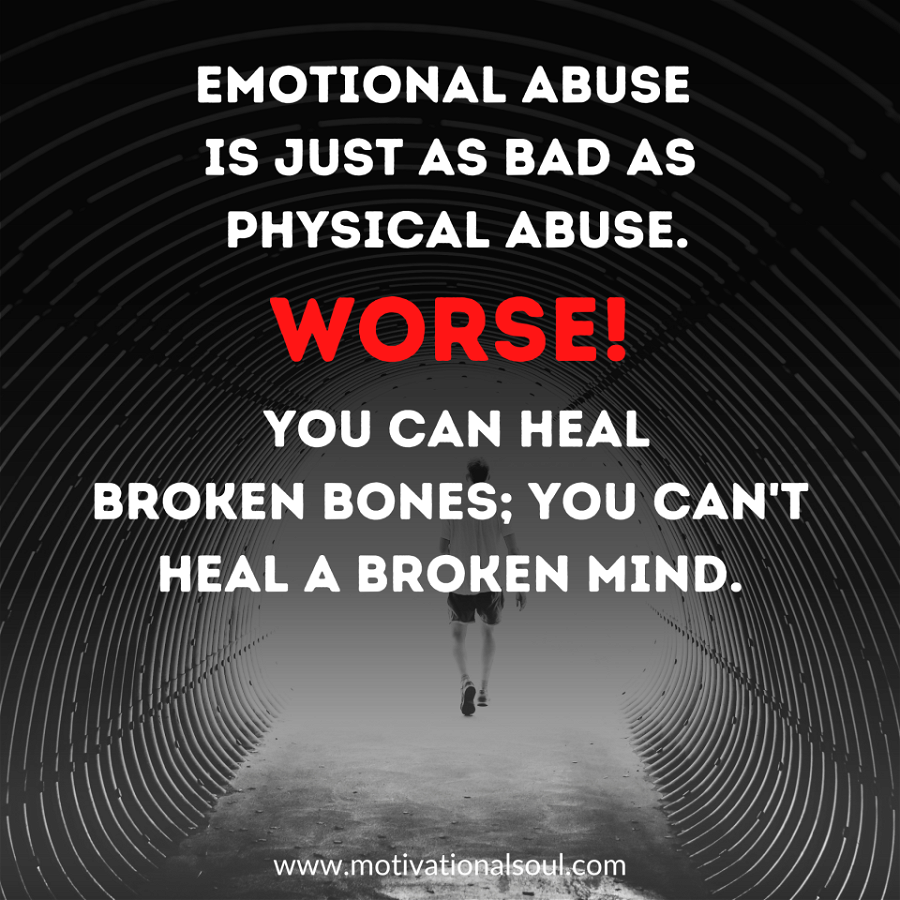
“Emotional abuse is just
7. Emotional abuse
Emotional abuse is a form of psychological manipulation used to control and manipulate a victim. This can include things like name-calling, belittling, gaslighting, and more. It’s important to recognize that emotional abuse is never ok, regardless of the intention or context.
If you are caught in an emotionally abusive relationship, don’t hesitate to ask for help. Talk to someone you trust–a friend or family member who can give support and guidance, as well as professional resources that can enable you to exit the relationship safely. Remember: emotional abuse is not your fault. You have the strength to stand up for yourself and make a change.
If you or someone you know is in an abusive relationship, it’s important to seek help immediately. There are many resources available that can provide guidance and assistance to help you get out of the situation safely. Remember that there is hope, and no matter how bad things seem, they will get better soon enough.
Give
8. Manipulation
A manipulation is a form of psychological abuse that is used to control and gain power over another person. It can be subtle or overt, but it always has the same goal in mind: To make someone feel as though they have no choice but to do what the manipulator wants them to do. In an abusive relationship, an abuser may use manipulation to control their partner, make them feel guilty or unworthy, or otherwise pressure them into doing something they don’t want to do.
Healthy assertiveness is a crucial part of healthy relationships. It involves expressing your feelings and needs honestly and respectfully without being overly aggressive or demanding. It also means understanding that your actions have consequences and being willing to take responsibility for them. If you feel like someone is attempting to manipulate or control you, stand up for yourself and take steps to protect your safety and well-being.
Choose a life partner
9. Financial abuse
Financial abuse is a form of economic exploitation that involves controlling or limiting a victim’s access to money. This type of abuse can take many forms, including preventing someone from getting or keeping a job, taking control of the victim’s finances, and coercing them into signing documents against their will. Financial abuse often goes hand in hand with other forms of abuse, such as physical and emotional.
If you are in a situation where someone is controlling your access to money or exploiting you economically, it is important to seek help immediately. Talk to a trusted friend or family member who can provide support and assistance, as well as professional resources that can help you get out of the situation safely.
10. Sexual abuse
Sexual abuse is any type of non-consensual sexual contact, including rape, molestation, and other unwelcome advances or contact. It is a form of physical abuse that can leave long-lasting emotional and psychological scars.
If you or someone you know is a survivor of sexual abuse, it is important to seek help immediately. Talk to a trusted friend or family member who can provide support and assistance, as well as professional resources that can help you get out of the situation safely. Remember that no one deserves to be in an abusive sexual relationship and there is hope for a better future.
A real man understands that sex isn’t everything when it comes to satisfying a lady… comforting her
Conclusion
Take the first step towards safety today. There is no excuse for abuse, but it can be difficult to recognize the signs and take action. If you are in an abusive relationship, or if you know someone who is, remember that help is available. Reach out to trusted individuals and professional resources who can provide guidance and assistance so that you can get out of the situation safely. There is hope for a better future and you deserve to live free from abuse. Thanks for reading!