Category: Articles

  • Time Management Tips for a More Productive You

    Time Management Tips for a More Productive You

    Time is Life. To waste your time is to waste your life. – Merrill Douglass

    If you’re like most people, you’re always looking for ways to be more productive. Whether you’re a busy mom trying to juggle work and family obligations, or a marketer tasked with meeting deadlines, time management is essential.

    There are a lot of different time management tips out there, but which ones actually work? In this blog post, we’ll share 10 tried-and-true tips that will help you make the most of your time. From setting priorities to delegating tasks, these tips will help you get more done in less time. So if you’re ready to boost your productivity, read on!

    Set a daily or weekly goal to focus on and work towards it

    Achieving success doesn’t have to be overwhelming; with a few simple tips and tricks it can be easy and enjoyable. One of the best ways to stay focused on achieving your goals is to set a daily or weekly goal to focus on. Concentrate hard on that one goal and work towards it, taking smaller steps if it helps. By breaking down bigger goals into smaller tasks, you’ll be able to move steadily closer towards your goal and make sure there’s something positive in each day enabling you to stay motivated and on track. Just make sure that your goals are realistic; that way, when you reach them, your sense of pride and accomplishment will keep you inspired!

    Make a list of things you need to do each day and prioritize them

    It’s important to create a list of tasks you need to do every day – they don’t have to be big or complicated tasks, just the items that will help make your day more productive. Once you have your list ready, take some time to think about which tasks are the most important and move them up in the priority list. This will help prevent you from getting overwhelmed when you may feel there is too much on your plate. Organizing daily lists and figuring out what is most urgent allows for better focus and, ultimately, higher productivity.

    Be picky with who you invest your time in

    Set aside specific times for working on tasks and stick to them

    You know how it goes: at the start of the day, you lay out a plan with all the things you want to accomplish. But at the end of the day, your tasks are left unfinished and you feel worse than when you started. Well, friend, this is where investing in setting specific times for getting your work done might help. These times act like boundary lines and give you a healthy structure to work within. It can also help put you into a productive headspace whenever that timer starts ticking away so that way, you’ll be able to focus on completing (or even surpassing!) what’s on your list without feeling so frazzled afterwards. Whether it’s working from 9am-noon or 2-5pm–as long as it’s mappable and doable–you will now have more time for leisurely activities or for just doing nothing!

    Take breaks when you feel overwhelmed or stressed – but don’t get too comfortable!

    Taking a break when you feel overwhelmed or stressed can be incredibly beneficial because it gives your mind and body the time and space it needs to refresh. Breaks don’t need to be long; simply taking five minutes away from whatever task you have been working on can help you look at the situation with a fresh pair of eyes. That said, don’t get too comfortable during your break. Sitting in an uncomfortable position or listening to upbeat music can stimulate your senses and help transition your mindset back into work mode. If possible, use breaks as an opportunity to incorporate some fitness into your schedule – even just a few minutes of stretching can rejuvenate both your body and mind.

    Keep track of how much time you spend on each task so you can identify areas where you need to improve

    It’s easy to feel overwhelmed when we’re trying to manage multiple tasks. But keeping track of your time can help you stay on track and identify areas where you need to improve. You don’t need an expensive piece of software or app – depending on how simple or complicated you want to get, you can use a timer, a spreadsheet, a tracking app or good old pen and paper. Even if it seems tedious at first, once you’ve got the hang of it, taking the time to keep track of how much time you spend on each task can give you clarity about what works for your working style and what doesn’t – so that you can make changes where necessary.

    Make a list of things that make you happy. Make a list of things you do every day. Compare the results. Adjust accordingly.

    Delegate tasks to others if possible, or outsource them altogether

    There’s no denying that multitasking can be incredibly helpful, especially when it comes to increasing productivity. However, sometimes it can also lead to overwhelm. Outsourcing and delegating tasks can be a great way to support yourself while still getting things done. Of course, it might cost more upfront but consider if the time saved is worth the money spent – chances are it is! Delegation doesn’t have to mean completely offloading work either – for instance, delegate smaller parts of a project or most basic duties instead to save you time without breaking the budget. Don’t be afraid to reach out for help – sometimes we just need someone else’s support and expertise in order to get things done correctly and efficiently.

    Time Saving Techniques of motivated people:-

    • Make a to-do list for each day and prioritize tasks by importance.
    • Break down large tasks into smaller, manageable pieces.
    • Set short breaks throughout the day to refresh your mind and body.
    • Utilize ‘batching’ techniques to quickly finish identical tasks in one go.
    • Automate tasks that repeat regularly, such as paying bills or filing expenses.
    • Learn keyboard shortcuts for the tools you use most often to save time when typing or navigating menus.
    • Set deadlines well ahead of your actual goal date and work backwards from there with smaller intermediate goals.
    • Use task management apps, like Trello or Asana, to organize your thoughts and keep track of progress on projects.
    • Stop multitasking and focus on one task at a time instead of switching between multiple activities simultaneously.
    • Timebox activities: set a specific duration for each task so it does not become too much of a distraction from other tasks.

    Hopefully these tips will help you be more productive and get better results from your work. If you find that you’re still struggling, don’t give up – keep on reading and trying different tactics until you find a system that works for you. What have you found to be the most effective way to stay productive? Let us know in the comments below!


  • Time Saving Techniques

    Time Saving Techniques

    • Prioritize tasks and concentrate on the most important ones first.
    • Create a to-do list and stick to it.
    • Apply the 80/20 rule to prioritize tasks that will give the most significant results.
    • Break down large tasks into smaller, manageable chunks.
    • Eliminate distractions by turning off notifications, working in a quiet environment, or using noise-canceling headphones.
    • Stay organized by keeping your workspace clean, and your files and folders in order.
    • Learn to say no to non-essential commitments.
    • Delegate tasks to others when possible.
    • Use a timer to track how long you spend on specific tasks.
    • Use keyboard shortcuts and other productivity tools to speed up your workflow.
    • Use apps to automate repetitive tasks.
    • Plan and schedule your time in advance.
    • Use the Pomodoro Technique to manage your time more effectively.
    • Stay healthy and well-rested to maintain productivity.
    • Use tools and technology to help manage your time, such as time-tracking apps and calendar software.
    • Learn to multitask efficiently.
    • Avoid procrastination by setting clear deadlines and breaking down tasks into smaller steps.
    • Continuously evaluate and adjust your routines to find the most efficient ways of completing your tasks.
    • Take regular breaks to refresh your mind and body.
    • Learn to manage your email more efficiently by using filters, folders, and labels.
  • 20 Signs Of Good Friendship

    20 Signs Of Good Friendship

    Friendship isn't about
    • Good communication: Friends are able to communicate openly and honestly with each other.
    • Trust: Friends trust each other and keep each other’s confidences.
    • Loyalty: Friends are loyal to each other and have each other’s backs.
    • Support: Friends support each other through good times and bad.
    • Respect: Friends respect each other’s opinions and boundaries.
    • Understanding: Friends understand and accept each other for who they are.
    • Shared interests: Friends have common interests and enjoy spending time together.
    • Willingness to compromise: Friends are willing to compromise and find solutions to conflicts.
    • Sense of humor: Friends share a sense of humor and can make each other laugh.
    • Positive influence: Friends have a positive influence on each other and inspire each other to be their best selves.
    • Honesty: Friends are honest with each other and don’t sugarcoat the truth.
    • Empathy: Friends are able to empathize with each other’s feelings and experiences.
    • Reliability: Friends can be counted on to be there for each other.
    • Shared experiences: Friends have shared experiences and memories that bond them together.
    • Understanding of boundaries: Friends understand and respect each other’s boundaries.
    • Sense of adventure: Friends enjoy exploring new things together.
    • Sense of fun: Friends know how to have fun together and don’t take themselves too seriously.
    • Sense of comfort: Friends are comfortable being themselves around each other.
    • Sense of belonging: Friends make each other feel like they belong.
    • Sense of growth: Friends help each other grow and develop as individuals.
  • Psychological benefits of having savings.

    Psychological benefits of having savings.

    MONEY: "SAVE ME
    MONEY: “SAVE ME

    Saving can have several psychological benefits, including:

    • Improved self-esteem and confidence: Accomplishing financial goals, such as saving for a down payment on a house or paying off debt, can boost self-esteem and self-worth.
    • Greater sense of control and autonomy: By setting financial goals and working towards them, individuals can feel more in control of their finances and their future.
    • Better decision-making: Having a savings cushion can help individuals make better decisions about spending and investing, as they are less likely to make impulse purchases or take on too much debt.
    • A sense of accomplishment: Saving money can be challenging, but reaching a savings goal can bring a sense of accomplishment and pride.
    • Financial independence: It provides a sense of independence from unexpected financial burdens and also make you less dependent on others for financial support.
    • Reduced money-related stress: Having savings can help to alleviate stress associated with money and financial issues.
    • Improved overall well-being: Building savings can lead to improved overall well-being, both financially and emotionally.
    • Ability to plan for future: Having savings can enable individuals to plan for future expenses, such as retirement or their children’s education.
    • Ability to handle unexpected events: Having savings can provide a cushion to handle unexpected events such as job loss, medical emergencies, or other unplanned expenses.

    Overall, saving can lead to a sense of control, security and financial freedom, which in turn can lead to better mental and emotional well-being.

  • How To Use Money Wisely

    How To Use Money Wisely

    How Spending Money Wisely Can Build Your Sense of Confidence and Self-Awareness

    Do you want to feel a greater sense of self-confidence and self-awareness? If so, learning how to budget your money and make wise spending decisions is essential. Money isn’t the most important thing in life, but it’s certainly something that can have an enormous impact on our wellbeing. In this blog post, I’ll explore some tips for making responsible financial choices which will help you develop those vital skills such as control and sound judgment that are needed for lasting happiness.

    MONEY ISN'T EVERYTHING
    MONEY ISN’T EVERYTHING

    Introduction to the Importance of Financial Decision Making and Self-Confidence

    Financial decision making and self-confidence are incredibly important parts of life for everyone. When it comes to managing money, each individual needs to be proactive in making informed and smart decisions that will allow them to use their resources effectively. Not only does this require an understanding of basic financial concepts, such as budgeting, debt management, and investments, but also a strong sense of self-confidence. In order to make the most effective financial decisions possible, one must have faith in their own abilities and be willing to take risks while avoiding mistakes.

    Having a good level of self-confidence is key when it comes to making sound financial decisions. Without confidence in one’s ability to manage their own finances, they may become risk-averse or too quick to take on risky investments without properly assessing them first. This can lead to costly mistakes that can have long term implications on their financial health.

    Furthermore, having a strong sense of self-confidence can also help individuals stick with their financial goals when they encounter difficult times or obstacles. Having the courage and resilience needed to stay the course despite these challenges is often essential for achieving ultimate success with personal finance management.

    LIFE IS A GAME. MONEY IS

    All in all, having both financial knowledge and self-confidence are essential components of successful financial decision making. Taking the time to learn more about personal finance while developing one’s own sense of resiliency and courage are key ingredients to navigating the world of finance successfully. With these two qualities combined, individuals can develop a firm foundation from which they can tackle any type of situation involving money with poise and skill!

    Benefits of Budgeting Money and Managing Your Finances

    For most people, budgeting their money and managing their finances can seem like a daunting task. However, in the long run, it can be one of the most rewarding habits to acquire. By budgeting your money and tracking your spending, you are able to identify areas where you can save money or make adjustments to reduce waste. You will also be able to evaluate your overall financial health more easily, as well as set goals for yourself. Furthermore, budgeting and managing your finances gives you greater control over how you spend your money and allows you to invest it wisely. This means that you’re more likely to reach financial stability and have some extra funds available for emergencies or other unexpected expenses.

    In addition, budgeting can help to reduce debt by identifying ways in which you can cut back on spending and pay off debt faster. Finally, when done properly, budgeting may also lead to improved credit scores due to better financial management practices. Therefore, if managed responsibly and with discipline, budgeting money and managing your finances is an invaluable tool for anyone looking for greater financial security.

    "85% of your financial success is

    Developing Control and Sound Judgment by Making Responsible Financial Choices

    In today’s fast-paced world, it can be difficult to stay on top of your finances and make sound financial decisions. Developing control and sound judgment by making responsible financial choices is key for maintaining a healthy economic lifestyle. This process begins with understanding the basics of personal finance, including budgeting, saving, and investing. Creating a budget is an important first step – you need to know where your money is going in order to reduce spending and build up savings. Evaluating your spending habits helps you identify areas where you can cut back or find more cost-effective solutions.

    Additionally, having an emergency fund set aside for unexpected expenses is essential for any household. Establishing a regular savings plan will help you build financial security over time. Finally, when done wisely, investing can be a great way to grow your wealth in the long run. Building diversified stock portfolios and researching potential investments are critical for protecting against market risk. By taking the time to learn about these concepts and making smart financial decisions accordingly, you can gain control of your finances and develop sound judgment that will pay off in the future.

    Six months from now

    Tips for Creating a Powerful Budget that Works for You

    Creating a budget that works for you starts with understanding where your money is going. The first step to creating an effective budget is to track your income and expenses for at least one month. This will help you identify areas where you are spending too much or not enough, as well as any areas where you could make changes in order to save more money. Keep track of your spending habits by logging each purchase and categorizing it appropriately, such as housing costs, entertainment, or other miscellaneous items. It is also important to include irregular expenses like car repairs or medical bills into your budget so that you have the necessary funds set aside for those unexpected costs. Once all of this information is gathered, you can begin the process of creating a budget that works for you.

    Next, prioritize what matters most to you when it comes to spending and saving. Establishing financial goals can help keep your spending aligned with these priorities. For example, if one of your goals is saving for retirement then put aside a certain percentage of each paycheck into a retirement account before allocating funds to other categories.

    Additionally, focus on sticking with the budget created – be disciplined and mindful when making adjustments in order to ensure that progress towards meeting financial goals isn’t hindered along the way. Lastly, evaluating and constantly adjusting your budget based on changing financial conditions should also become part of the process; as life changes over time so should our budgets in order to accommodate these changes and stay on track with our financial goals.

    Financial intelligence is one investment you can never lose.

    Wrapping Up with Ways to Improve Your Financial Knowledge and Confidence

    Financial knowledge and confidence are essential for anyone looking to get ahead in their financial life. With the proper education and information, individuals can learn how to properly manage their finances, build wealth, and reach their long term financial goals. Financial literacy is key to understanding how to create a budget, monitor credit scores, save and invest money, manage debt, and more. With this knowledge and understanding of basic financial principles, individuals can become more confident in their decisions regarding money. Taking steps such as setting financial goals, planning out a budget, monitoring credit reports, reducing debt levels and increasing savings can help improve one’s overall financial health.

    There are also a variety of resources available online that offer free courses on basic personal finance topics such as budgeting basics, investing fundamentals and managing debt. Developing an understanding of one’s own financial situation is essential for becoming financially literate; by staying up-to-date with current events related to personal finance, individuals will be able to make informed decisions about their own finances.

    Finally, talking with professionals such as accountants or certified financial advisors can provide additional insight into how to better manage finances. With some dedication and effort towards gaining a better understanding of finance-related matters, individuals can gain the confidence they need to make smart decisions about their money for years to come.

    Whether you’re just starting out in your financial journey or you’ve been dealing with money matters for years, it’s never too late to learn more and become even better at handling your finances. At the end of the day, taking care of your money is one of the most important things you can do for yourself and your family. So what are you waiting for? Start reading now and put these tips into practice – soon you’ll be on your way to a more confident, financially secure future!

    You Might Also Like

    • Level Up Your Life: Master Self Discipline and Reach Your Full Potential

      Level Up Your Life: Master Self Discipline and Reach Your Full Potential

      The Person Who Masters Himself Through Self-control and Discipline is Truly Undefeatable.

      Buddha

      Are you looking to take control of your life, but don’t know where to start? Do you have goals that are just out of reach, and feel like something is holding you back? Don’t worry – developing self discipline is the surest first step towards reaching your full potential. In this blog post, I’ll provide actionable tips on how to master self-discipline and level up your life. With a few small changes in your daily habits and routine, you can learn how to stay focused and become more successful than ever before.

      Why self-discipline is the key to success

      Self-discipline is a powerful tool that enables people to reach their maximum potential and achieve success. Self-discipline teaches people how to control their emotions and impulses, prioritize tasks, focus on the present moment, stay organized, persevere in difficult situations and set goals for themselves. All these skills are essential for success in any endeavor whether it be athletics, academics or business.

      At its core, self-discipline is about understanding what needs to be done and taking initiative to do it. It involves making sacrifices today so that you can reap the rewards tomorrow. It requires an inner strength of character that enables you to make tough decisions and stick with them even when you don’t feel like it. Self-discipline also helps you stay focused on your ultimate goal which makes it much easier to keep pushing forward even when progress seems slow or nonexistent. Finally, self-discipline gives you the ability to remain disciplined even when faced with obstacles or setbacks. In this way you are able to turn obstacles into learning experiences and use them as fuel for continued growth and success.

      Discipline is the ability to

      How to develop self-discipline in your everyday life

      Self-discipline is an essential life skill that can be developed with dedication and practice. It is necessary for achieving goals, preventing procrastination, and having a sense of control in your life. Developing self-discipline starts with small steps. Establishing a routine can help you stay on track and get tasks done in a timely manner. Begin by setting achievable goals, such as waking up at the same time every day or exercising three times a week. Having attainable targets makes it easier to stay motivated and follow through on them. Additionally, it’s important to stay present when completing tasks, no matter how mundane they may seem. If you find yourself struggling to focus or avoid getting distracted, try meditation techniques or set aside distraction-free work periods to help regain concentration.

      Finally, staying accountable for your actions helps build self-discipline; this could look like telling yourself that if you complete a certain amount of work today then you’ll reward yourself with something afterwards. With determination and patience, developing self-discipline can be accomplished over time with tangible results in all areas of life.

      DISCIPLINE IS THE BRIDGE BETWEEN GOALS AND ACCOMPLISHMENT.

      The benefits of being self-disciplined

      Self-discipline is the ability to control one’s feelings and overcome one’s weaknesses; it is a key attribute of successful people. Being self-disciplined can benefit us in many ways. Through self-discipline, we can increase our productivity by avoiding procrastination. We can also stay focused on our goals and take the necessary action steps to achieve them. Self-discipline also helps us make healthier choices when it comes to diet, exercise, sleep, and stress management. Additionally, it helps us manage our time more effectively and efficiently so that we can accomplish our tasks in a timely manner.

      By developing good habits such as waking up early and doing chores regularly, we allow ourselves to have more free time later on which can be used to pursue hobbies or relax after a hard day’s work. Furthermore, self-discipline allows us to gain strength and resilience when faced with adversity or difficult situations. It helps us remain calm even during stressful times as we are able to respond rationally instead of impulsively reacting without thinking through consequences first. In conclusion, being self-disciplined provides us with numerous advantages that can help improve our lives both mentally and physically.

      Overcoming challenges with self-discipline

      Self-discipline is an important tool in life, especially when it comes to facing and overcoming challenges. It is the ability to control one’s thoughts, emotions and behaviors in order to reach a desired goal. Self-discipline is critical when it comes to making difficult decisions or achieving ambitious goals that require dedication and hard work. It’s also useful for staying focused on tasks, avoiding procrastination and managing time wisely. Having self-discipline helps us develop self-control, which is essential for personal growth and success.

      Self-discipline requires making sacrifices, such as cutting out bad habits or giving up short-term gratification for long-term gain; however, this can help us achieve our goals more quickly than if we had no self-discipline at all. With enough practice, self-discipline can become a habit rather than something we have to constantly consciously remind ourselves of. This makes it easier to stick with our plans even when it becomes difficult or challenging.

      When tackling any challenge or obstacle in life, having self-discipline can be the difference between success and failure. Self-discipline can help us stay motivated even when progress seems slow or disheartening; instead of getting discouraged or giving up we can continue pushing forward until our goal has been achieved. Additionally, having the ability to focus on one task without getting distracted by other things will increase productivity and help us get closer towards our goal faster than if we lacked self discipline.

      In conclusion, developing strong self discipline is key for dealing with challenges in life; whether it’s staying focused on a task or making tough decisions for the betterment of ourselves, having self discipline is essential for success and personal growth.

      Setting and achieving goals with self-discipline

      Self-discipline is essential for setting and achieving goals. Without self-discipline, it would be difficult to stick to a goal and see it through to completion. Self-discipline requires focus and commitment, both of which are necessary for reaching any goal.

      When it comes to setting a goal, it is important to have a clear idea of what you want to achieve. This means being specific about what you want to accomplish and why it is important to you. Once you have a clear goal in mind, you can begin to develop a plan for how to achieve it. This plan should include small, achievable steps that you can take on a regular basis.

      It is also important to be realistic when setting goals. If a goal feels unattainable or too difficult, it may be necessary to break it down into smaller goals. By taking small steps, you can make progress towards your overall goal and stay motivated along the way.

      Once you have set a goal, it is important to maintain focus and commit to seeing it through. This requires self-discipline. There will be days when you don’t feel like working towards your goal, but it is important to push through these moments. Remember why your goal is important to you and keep moving forward.

      If you are struggling to maintain self-discipline, there are a few things you can do to help yourself stay on track. First, try setting smaller goals that are easier to achieve. This can help you build momentum and stay motivated. Second, tell someone else about your goal and ask them to hold you accountable. Finally, make sure your environment supports your goal by removing anything that might tempt you to stray from your plan.

      Self-discipline is an essential tool for anyone looking to set and achieve goals in their life. By staying focused and committed, you can overcome any obstacle and reach your destination.

    • Signs That Show You Are More Attractive Than You Realize

      Signs That Show You Are More Attractive Than You Realize

      Self confidence

      Are you feeling unsure of yourself? Do you wish there was a way to stop doubting yourself and unlock the inner beauty and confidence that you possess? If so, it’s time to take control of your life by recognizing the signs that show how attractive and desirable you really are. Believe it or not, being self aware is one of the most powerful traits we can have when it comes to socializing, career success, relationships – essentially achieving anything we desire. Learning these hidden signs will help you uncover this awareness within yourself and propel your life forward in amazing ways.

      Defining “inner beauty” and confidence, and why they matter

      Inner beauty is about feeling good on the inside and being confident in who you are. It’s not about looking perfect or having the perfect life. Everyone has flaws and imperfections, and that’s what makes us unique and interesting.

      Confidence is key to inner beauty. If you don’t believe in yourself, it’s hard to feel good on the inside. But when you have confidence, it shows. People can sense it and are drawn to it. It’s a quality that is very attractive, both on the inside and out.

      So why does inner beauty matter? Because when you feel good on the inside, it shows on the outside. You carry yourself differently. You smile more. You exude positive energy. And people are attracted to that. inner beauty is what makes you beautiful, no matter what you look like on the outside.

      The most important sign that you are attractive and desirable

      When it comes to determining your own attractiveness, it’s important to remember that there is no single sign that can accurately tell you whether or not you are attractive and desirable. However, there are several signs that can help you determine if others perceive you in a positive light. One of the most important signs of attractiveness is confidence. If you project an air of self-assurance, then people will likely find you more attractive and desirable.

      Additionally, maintaining a healthy lifestyle can also play an important role in making yourself more attractive and desirable. Exercising regularly, eating nutritious foods, and taking care of your skin can all make a difference in how people perceive your physical attractiveness.

      Finally, having a positive attitude and outlook on life can also be a sign that people view you as attractive and desirable. People who exhibit kindness, open-mindedness, intelligence and optimism are often seen as more attractive than those who don’t. All of these qualities together make up what being truly attractive is all about; being comfortable with who you are on the inside and out!

      A positive attitude can

      How to become more self aware of your inner beauty and confidence

      In today’s world, it is easy to become consumed by negative and harmful thoughts about our physical appearance or lack of confidence. We can often forget that true beauty lies within us, no matter what we look like or how much self-doubt we experience. Becoming more self aware of our inner beauty and confidence is essential for our mental health and overall wellbeing.

      To start, it is important to practice self-care in order to nurture your body, mind, and soul. This can involve getting enough sleep, exercising regularly, eating a healthy diet, engaging in activities you enjoy, focusing on gratitude and mindfulness practices, connecting with friends and family members who support you unconditionally, taking time to express yourself creatively through art or writing (or whichever medium works best for you), investing in meaningful relationships that make you feel seen and heard – the list goes on! It is also beneficial to take breaks from social media or other platforms where comparison traps abound. Doing all of this can help create an environment within yourself that encourages self-love rather than discouragement.

      Additionally, it can be helpful to learn about positive psychology techniques such as reframing your thoughts into more positive ones; using visualization techniques; or challenging yourself to do something that scares you in order to prove just how resilient and capable you are of achieving success despite any doubt or fear that may arise. These actions will not only boost your inner confidence but also help build up your sense of worthiness over time. Eventually, these practices will become an intrinsic part of who you are when viewing yourself in the mirror: strong, worthy of love, unique above all else.

      Be ok with where you are right now in your life. There is always room for improvement

      The benefits of being self aware in all areas of your life

      Being self aware can have a huge impact on our lives, both personally and professionally. Self awareness is the ability to recognize our own emotions, thoughts, and behaviors as they are happening in the present moment. It involves understanding how our feelings, thoughts, and actions affect us and our relationships with others. This can lead to more meaningful relationships, improved communication skills, better decision-making abilities, greater resilience in times of stress or change, improved emotional intelligence and an overall better sense of wellbeing.

      With self awareness we become more mindful of our emotions and reactions to certain situations. This allows us to pause before reacting and think through what we really want to say or do in a given situation. We become aware of the impact that our words or actions may have on others so we can adjust accordingly if needed. This helps us create healthier relationships with those around us by avoiding conflicts caused by misunderstanding each other’s intentions or feeling unheard.

      Having a strong sense of self also allows us to identify destructive thoughts or behaviors that may be holding us back from achieving our goals or living life to its fullest potential. By recognizing these patterns of negative thinking we are empowered to make conscious changes that will improve our quality of life. With increased self awareness comes increased motivation for personal growth which leads to greater success in all areas of life ranging from academic studies to career advancement.

      In short, being self aware has many benefits for both yourself and your relationships with those around you. Awareness provides insight into why you feel the way you do and it gives you the power to make meaningful changes in order for you achieve your dreams and reach your highest potential!

      Conclusion: A final call to action to embrace your inner beauty and confidence

      We all have an inner beauty that is unique and special to us, yet it often gets overshadowed by the pressures of society to conform. It’s easy to forget our unique value and worth when we get caught up in comparisons with others. We can also be too hard on ourselves, putting unrealistic expectations upon ourselves that are impossible to reach. This can lead to feelings of low self-esteem and a lack of motivation or passion for life.

      It’s time to recognize our own inner beauty and appreciate ourselves for who we are. Self-compassion is key – it’s important to be kinder and more understanding towards ourselves; not just expecting perfection, but making progress and celebrating small victories along the way. Taking the time out of your day to do something you enjoy or appreciate yourself in some small way can help you start appreciating your own unique beauty and what makes you different from everyone else.

      It’s okay to feel anxious or scared when embracing your inner beauty, however it’s vital that we don’t let these emotions stop us from being our true selves. Accepting our imperfections is part of self-love; once we understand this, we can start living a life full of confidence and joy.

      Our journey into self-confidence starts with loving ourselves first – so let’s celebrate our uniqueness and embrace our inner beauty!

      True beauty comes from within. It’s not about the clothes you wear or how much makeup you put on. It’s about being comfortable in your own skin and having the confidence to show the world who you are. If you’re not sure where to start, try becoming more self-aware. Once you know what inner beauty means to you, it’ll be easier to embrace it. And when you do, you’ll see just how beneficial it can be in all areas of your life. Ready to learn more? Click here for resources that will help you get started on your journey to inner beauty and confidence.

      SELF CONFIDENCE

      Learning To Love Life By Letting Go

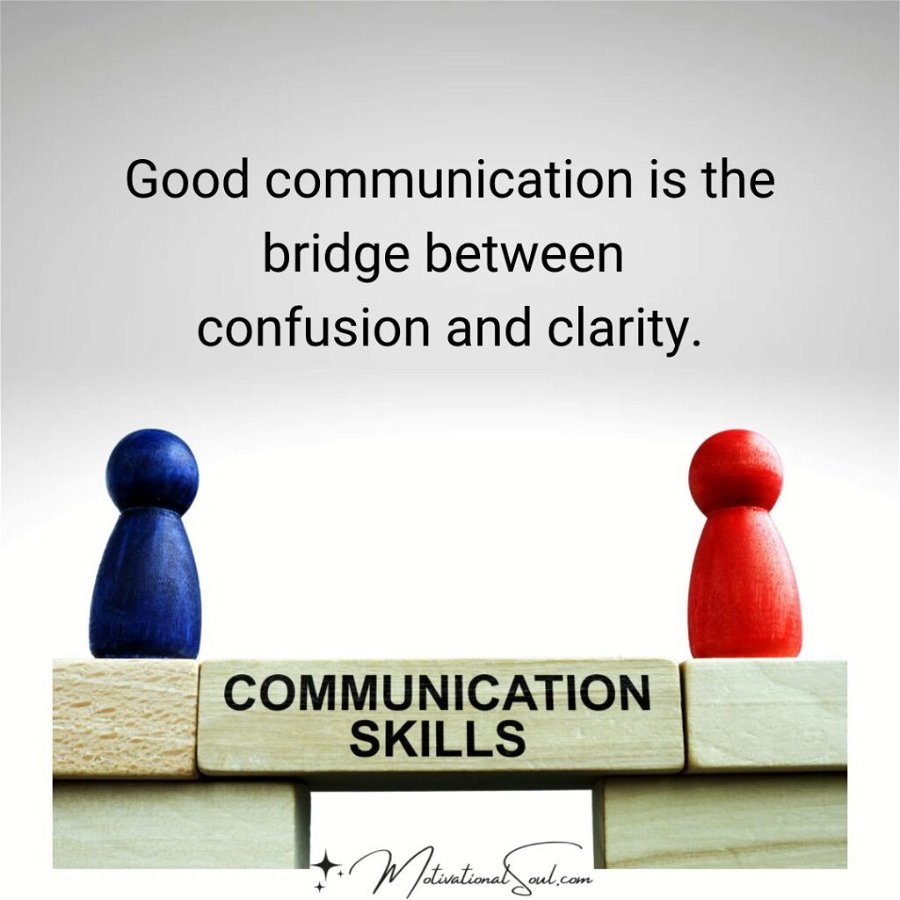
    • Improve Your Quality of Life: Learn How Communication Skills Can Make a Difference

      Improve Your Quality of Life: Learn How Communication Skills Can Make a Difference

      Are you looking to make a difference in your life? Improve the quality of your relationships with those around you, whether it be at home or at work? Then look no further; communication skills are key when it comes to creating and maintaining meaningful connections. It can be difficult learning how to interact effectively but with the right tools and techniques, communicating can become enjoyable and even rewarding.

      In this blog post, we’ll discuss the benefits of honing your communication skills, plus provide tips on how you can improve today!

      What are Communication Skills and Why Are They Important?

      Good communication skills are essential for successful interactions with other people. Whether you’re speaking to a colleague, customer, or friend, effective communication is key to making sure your message is received and understood. Communication involves more than just words; it also includes body language, eye contact, and tone of voice.

      It’s important to be mindful of how each of these elements may be interpreted by the person you are communicating with.

      At its core, effective communication is about understanding and being understood. This requires actively listening to what the other person is saying and giving them your full attention when they speak. Asking questions to clarify points can also help ensure that everyone involved in a conversation has a clear understanding of the topic. Additionally, it’s important to remain respectful at all times and maintain an open mind while listening.

      In addition to active listening, it’s important to communicate clearly in order to ensure your message is received accurately. Being aware of your nonverbal cues (body language, facial expressions) can greatly improve how effectively you communicate. In some cases, verbalizing feelings or thoughts instead of relying on body language can help get your point across more clearly. Paying attention to tone of voice is also essential for communicating effectively; using too much inflection or sarcasm can lead to misunderstandings or hurt feelings.

      A lot of problems in the world would disappear if we talked to each other instead of about each other.
      A lot of problems in the world would disappear if we talked to each other instead of about each other.

      Finally, one of the most important aspects of communication is choosing the right words and phrasing for any given situation. Being able to express yourself appropriately will help ensure that your message is not misunderstood or misinterpreted in any way. To this end, try avoiding technical jargon where possible as well as words and phrases that could potentially come off as insensitive or offensive (depending on who you’re speaking with).

      Overall, good communication skills are essential for successful interactions with other people in both professional and personal settings. By actively listening and being conscious of body language as well as word choice when communicating with others, you’ll be able to make sure that your message is received accurately and interpreted correctly by those around you!

      Without communication

      Benefits of Improving Your Communication Skills

      Good communication skills are essential for success in both personal and professional life. By improving your communication skills, you can become a better listener, become more articulate, build stronger relationships with others, and be better able to express your own ideas and feelings.

      One of the major benefits of improving your communication skills is that it can help you build stronger relationships with those around you. Good communication can help foster understanding between people and create strong bonds that last. Being able to clearly express yourself not only helps you to make new friends, but also helps existing relationships stay strong by ensuring that each person feels heard and understood. By being able to communicate effectively, you can ensure that all parties feel comfortable engaging in dialogue without fear of misunderstanding or judgment.

      Having good communication skills also means being a better listener. Listening is an integral part of communicating effectively – it’s important to not just hear what someone is saying but actually take in the information they provide and respond in an appropriate manner.

      With good listening skills, you can gain insight into the thoughts and feelings of those around you and really understand what people are trying to convey. Learning how to be a good listener will help you empathize with others more easily and establish trust within any relationship or conversation.

      Moreover, learning how to communicate better will benefit your career as well as your interpersonal relationships. Communication plays an important role in the workplace as it helps employees stay connected and on top of project deadlines, tasks, meetings, etc. It allows for more effective collaboration among team members so tasks are completed quickly and efficiently.

      Additionally, employers value clear communicators who can articulate their opinions in meetings or presentations; having strong communication skills could give you the edge over other candidates when interviewing for jobs or promotions!

      Overall, improving one’s communication skills has many benefits both professionally and personally that should not be underestimated or overlooked! Taking time to hone your speaking and listening abilities will go a long way towards helping you connect with others while making sure your voice is heard loud and clear!

      Tips on How to Improve Your Communication Skills Today

      Effective communication is essential for success in any field, from business and education to relationships and personal development. Communication skills can be learned and developed over time, but everyone needs to start somewhere. To help you improve your communication skills today, here are some tips:

      Be mindful of your body language: Make sure your body language reflects what you’re saying with your words. Smile when appropriate, use open hand gestures, maintain good posture, and avoid crossing your arms or legs as this might give off a defensive impression.

      Be open-minded: Be willing to take in the opinions of others even if they differ from yours. Respectfully challenge ideas while keeping an open mind and be willing to compromise if necessary.

      Practice empathy: Put yourself in someone else’s shoes in order to better understand how they feel about a situation or topic. Try not to get too caught up in defending your own point of view but also don’t let yourself be taken advantage of either.

      Use clear language: In order for your message to be properly received it should be expressed clearly and concisely without any extra filler words or phrases that could distract from its meaning.

      Be confident: Even if you don’t know all the answers it is important to remain confident in the knowledge that you do have and trust that what you are saying makes sense. It is easy for people to pick up on uncertainty so having confidence can go a long way when communicating with others effectively.

      Communicate More

      Good communication skills are essential if you want to be successful in life. By improving your communication skills, you will reap many benefits such as building better relationships, becoming more confident, and advancing your career. If you’re looking for ways to improve your communication skills, check out the tips in this blog post. You can also find more resources on our website. So what are you waiting for? Start honing those communication skills today!

      You Might Also Like

    • The Power of Caring: A Joyful Journey to Unconditional Love

      The Power of Caring: A Joyful Journey to Unconditional Love

      Caring – a priceless gift we can all express. In the busyness of everyday life, it’s easy to overlook what really matters: love and connection with others. Caring is an act that goes beyond words; it encourages genuine moments of joy and compassion, often displaying itself in unexpected ways. Over time, these acts of caring can bring us on a joyful journey towards unconditional love for ourselves and others. Join me as I explore this powerful concept and how we can use the power of caring to lead fulfilling lives filled with understanding, acceptance, and peace.

      Take care of the people who take care of you.
      Take care of the people who take care of you.

      What is Caring?

      Caring is a concept that has been around for centuries, but it has recently taken on a new meaning in our modern world. At its core, caring refers to the act of showing concern, understanding and support towards someone else. It is the essence of compassion, empathy and altruism – qualities which are essential for healthy relationships with others. Caring is more than just an emotion or sentiment; it involves taking action. This could be as simple as offering a kind word of encouragement to someone who needs it or engaging in volunteer work with those less privileged.

      The act of caring is often seen as one-way, in which the person doing the caretaking gives something to the person being cared for without expecting anything in return. However, sometimes the act of caring works both ways and both individuals benefit from it. In such cases, there can be mutual feelings of appreciation and respect that brings people closer together and strengthens their bond. Ultimately, caring creates an atmosphere of trust and connection between people, ultimately leading to stronger relationships overall.

      However, while caring is important in maintaining positive relationships with others, it can also be damaging if not done properly or taken too far. For example, if someone is constantly giving too much attention to someone else without allowing them any space for themselves this can lead to feelings of being smothered and taken advantage of. Similarly, if someone’s attentiveness comes across as needy or controlling then this might put a strain on the relationship dynamic instead of strengthening it. Caring should always come from a place of genuine love and respect so that both parties benefit from their interactions together.

      Real love is not based on romance

      Benefits of Caring: How Can it Improve our Lives?

      Caring is one of the most important elements of our lives, and it can have a huge impact on how we live. When we show care and concern for others, we open the door to stronger relationships with those around us. Caring also has far-reaching effects beyond just those relationships. It can have a positive influence on our physical and mental wellbeing, as well as providing us with a sense of purpose and fulfillment in life.

      The physical benefits of caring are numerous. It can help us build healthier habits by encouraging us to take care of ourselves and each other. It’s also been shown to lower stress levels by creating a more supportive environment, which can lead to improved sleep quality and more energy throughout the day. Being kinder to ourselves is another benefit – when we demonstrate care for others, it often leads to showing more kindness towards ourselves too.

      The mental benefits of caring are equally significant. When we show compassion for others, it helps us get out of our own heads and focus on how we can best support those around us. This in turn boosts self-esteem and self-confidence, as well as helping to reduce feelings of isolation or loneliness that some may experience in their daily lives. Moreover, being part of a caring community also encourages increased empathy – an invaluable trait that will help when building relationships with friends, family members or coworkers.

      Finally, demonstrating care through acts such as volunteering or giving back to your local community provides you with a sense of purpose; it is incredibly rewarding knowing that you are making a positive difference in someone else’s life.

      Overall, there’s no doubt that taking time out to show care towards those around you has tremendous benefits for both yourself and others—physical, mental and emotional alike. Caring is truly one of the most powerful forces in life – if we take the time to spread it far and wide across our communities, then everybody stands to benefit from its incredible effects!

      Ways to Show Care: Practical Examples of Expressing Love and Connection

      When it comes to showing care, there are many ways to express love and connection. Examples include spending quality time together, expressing gratitude, offering compliments, and supporting each other’s goals and dreams.

      Spending quality time with someone is a great way to show you care about them. Whether it be going on a walk or hike together, attending a live event or concert, watching a movie or sharing an activity at home, simply being in each other’s presence is valuable. Spending quality time allows us to focus on the person we care about and create meaningful memories that will last a lifetime.

      Expressing gratitude for our loved ones also shows that we care about them deeply. Saying “thank you” for things they do for us can go a long way in deepening our connection with them. We should make sure to express our appreciation regularly because it reinforces their importance in our life and lets them know how much we value their presence.

      Offering compliments is another powerful way to show care. Commenting on the things we admire or appreciate in the person can make them feel special and appreciated. Compliments don’t have to be big gestures; even small comments can have an immense impact on someone’s mood and outlook when they come from someone they truly care about.

      Finally, supporting each other’s goals and dreams is one of the most meaningful ways to express love and connection. Taking the time to listen to their hopes and ambitions and offering support in whatever form possible — whether tangible or intangible — has the potential for creating an even more powerful bond between two people. Encouraging someone during challenging times or celebrating their successes can show how much you truly care about them.

      All of these practical examples of expressing love and connection demonstrate just how important it is that we take the time every day to show those we love how much they mean to us — through both small acts of kindness as well as more significant displays of affection!

      Anyone can give you attention and compliments
      Anyone can give you attention and compliments

      Challenges of Caring: Overcoming Obstacles to Being Present with Others

      Caring for others can be an extremely rewarding experience, but it is not without its challenges. Caring for someone else requires a person to be present and engaged with the other person. Unfortunately, there are many obstacles that can prevent this from happening. Stress, distractions, and even our own biases can stand in the way of being a truly attentive caregiver.

      Stress can definitely get in the way of providing care to others. When feeling overwhelmed or exhausted, it can be tempting to go into autopilot and forget to engage with those we are caring for in meaningful ways. This is why it’s important to make self-care a priority and ensure that you are taking time for yourself so that you have the energy and emotional capacity to provide care for others when needed.

      Distractions can also interfere with providing care to others. It’s all too easy in this digital age to get sucked into endless scrolling on social media or playing games on our phones when we should be paying attention to those around us. Taking some time away from devices and actively engaging with another person is essential in providing genuine care and support.

      Finally, our own personal biases can sometimes prevent us from being present with others. We may have preconceived notions about how someone should think or act based on their gender, race, culture, or any number of other factors that complicate our ability to truly connect with them as individuals. Recognizing these biases and striving to be open-minded is necessary in order to provide genuine care and understanding towards those who need it most.

      Ultimately, overcoming these obstacles requires mindfulness and dedication on the part of the caregiver. It’s important to take time for ourselves so that we have the capacity to be present with others when we are needed most; set limits on technology usage so that we don’t get distracted by digital devices; and strive for an open-mindedness towards those who may not share similar backgrounds or beliefs as us. With enough effort and intentionality, these obstacles can be overcome—allowing us to truly connect with those who need our help most

      Love is an unconditional

      Conclusion:Why We All Need More Caring in Our Lives

      We all have a fundamental need for caring in our lives, and it can be found in many different ways. Caring can come from family members, friends, colleagues, or even complete strangers who go out of their way to help us with something. It’s the little acts of kindness that often make the biggest difference – someone offering us a kind word at just the right moment, or helping us out when we’re stuck on a project. These small moments of care can give us the boost we need to keep going and remind us that we are not alone in this world.

      Caring is also essential for our mental health and well-being. Studies have shown that feeling connected to one another and having strong social support systems can help improve our overall sense of happiness and satisfaction with life. People who feel more connected to others have been found to have lower levels of stress and anxiety, as well as increased feelings of safety, security, self-esteem, and purpose. Knowing that there are people out there who care about you gives you a sense of connection and belonging which is vital for our emotional health and well-being.

      Caring doesn’t just benefit us emotionally but physically as well. Having meaningful relationships has been linked with better overall physical health as it can help reduce stress levels which can lead to improved sleep quality and an overall healthier lifestyle. We all need someone that we know will stick by us no matter what – it gives us a safe space where we can share our worries without judgement or criticism. This kind of support is invaluable in times of hardship or difficulty, providing comfort and understanding when no other words will do.

      In short, caring is something that everyone needs in order to thrive both mentally and physically. It’s not always easy to reach out when we are feeling overwhelmed or isolated but having someone there who cares about us can provide an immense source of strength during difficult times. So next time you find yourself needing some extra love or support from those around you – don’t hesitate to ask!

      When we care for others, we tap into a well of compassion and connection that can improve our own lives as much as the lives of those with whom we interact. Caring is one of the most important things we can do for each other and ourselves. It’s not always easy to be present with others, but it’s so worth it. When we make caring a priority in our lives, everyone benefits. Read more here about how to express love and overcome obstacles to being present with others.

      Never ignore a person who loves you
    • The role of Words in shaping your reality.

      The role of Words in shaping your reality.

      How the words you choose can affect your perspective and the way you perceive the world.

      Language has a great

      I. The impact of language on thoughts and feelings

      • Words can have a powerful influence on our thoughts and emotions.
      • The language we use can reflect and reinforce our beliefs and biases.
      • Using more precise and accurate language can improve our understanding of the world.

      II. The role of language in communication

      • The language we use can influence how we are perceived by others.
      • Using more inclusive language can create a more inclusive and accepting environment.
      • Vivid and descriptive language can make communication more engaging and effective.

      III. The influence of language on behavior and decision-making. The words we use can affect the way we feel and behave in certain situations.

      • Our language can influence the way we make decisions and solve problems.

      IV. The role of language in shaping reality. The words we choose can shape our perspective and the way we perceive the world.

      • Our language can affect the way we remember and recount events.
      • Being mindful of the language we use can help create a more positive and understanding reality.

      V. The importance of conscious language use, By becoming more aware of the words we use, we can make a conscious effort to choose language that is more helpful and positive.

      • The language we use can shape the way we think about ourselves and others.
      • Our choice of words can affect the way we perceive and respond to challenges and opportunities.
      • The words we choose have the power to shape our reality, so it is important to be conscious of the language we use.

      VI. The impact of language on self-perception and self-esteem. The language we use can influence our own self-perception and self-esteem.

      • Using more positive language can lead to a more positive outlook on life.
      • On the other hand, using negative language can lead to a more negative perspective.

      VII. The role of language in forming and maintaining relationships

      • 20. Our language can impact the way we form and maintain relationships.
      Words