Category: Articles

  • Release Attachment and Find Peace

    Release Attachment and Find Peace

    Love Your Life By Letting Go

    There is no greater wealth in this world than peace of mind.
    There is no greater wealth in this world than peace of mind.

    Peace is not the highest goal in life. It is the most fundamental requirement.- Sadguru

    Are you ready to let go of the emotional attachment that has been keeping you from reaching inner peace and contentment? Learning to love life can be an incredibly daunting process, but it doesn’t have to be. This guide will help show how releasing attachments is the first step in finding lasting peace and happiness. By letting go of expectations, patterns of negative thinking, and other sources of emotional attachment, we are able to free ourselves from harmful mental effects that keep us from living our best lives. Read on for tips on how to start battling the attachments weighing you down— no matter what stage you are in your journey of self-discovery!

    Introduction: What is Attachment and Why is It Important to Let Go?

    Attachment is an integral part of human development and can be both beneficial and detrimental to the individual. Attachment is defined as a deep emotional connection between two people that binds them together. This connection creates strong feelings of love, trust, security, stability, and understanding. Through attachment, individuals learn to rely on others for comfort and support, leading to positive outcomes in their relationships. Attachment also allows for individuals to form lasting relationships with others and provides a sense of belonging in social settings.

    However, when it comes to attachment, being too attached can be problematic. An individual who is overly attached may experience anxiety or fear if their attachment figure leaves or changes in some way. They may also feel dependent upon the attachment figure for their happiness and rely heavily on them for validation or approval. This type of attachment can lead to unhealthy relationships where the individual’s needs are not being met or the other person feels stifled by the level of dependency in the relationship.

    For this reason, it is important to let go of attachments when they become unhealthy or unproductive. By allowing yourself to let go of unhealthy attachments you can break free from any emotional ties and create space for healthy relationships and activities that do not revolve around another person’s approval or acceptance. Letting go can be difficult but ultimately will lead to more positive outcomes in your life as you learn how to identify and cultivate healthy attachments while still maintaining healthy boundaries with those around you.

    Identifying Emotional Attachments: How to Uncover the Sources of Our Pain

    When we experience pain, it can often be difficult to pinpoint the root cause. Many times, the issue might lie in an emotional attachment we have formed to another person or object. Identifying these attachments and their sources is a crucial step in uncovering why we feel the way that we do and determining how to best address our feelings.

    One way of doing this is to focus on exploring the thoughts, feelings and beliefs that you have around different people or situations. Ask yourself questions like: what emotions come up when I think about this person? What are my expectations of them? How does this situation make me feel? Our answers can provide important clues about what these emotional attachments consist of and why they may be causing us pain.

    Another approach is to explore how our relationships with others have changed over time. Are there certain patterns that keep repeating themselves? Using a timeline or other visual aid can help identify points of emotional attachment from our past that may still be influencing us today.

    It is also important to consider whether or not these connections are healthy for us. We may want to ask ourselves if the attachment serves any purpose for us, or if it is only contributing to pain in our life. Looking at each one objectively can help provide some insight on whether or not it should remain part of our lives going forward.

    Identifying emotional attachments can be challenging but taking a moment to reflect on their causes can be beneficial in helping us understand more deeply what we’re feeling, and ultimately managing and addressing those feelings head-on so that we can move forward with a healthier perspective and outlook.

    Time doesn't heal emotional pain; you need to learn how to let it go.

    Releasing Expectations and Patterns of Negative Thinking: Moving Towards Freedom

    The idea of releasing expectations and patterns of negative thinking, also known as “Moving Towards Freedom”, has become more and more popular in recent years. It is based on the belief that by releasing expectations and patterns of negative thinking, we can free ourselves from the burden that such thoughts can place on our mental health and overall wellbeing. This belief encourages us to take an active role in changing our outlook, and to be mindful about how we react to the situations around us.

    For example, when faced with a situation or experience that doesn’t match up with our expectations or plans, instead of letting it consume us with fear or worry, we should focus on finding solutions or ways to move forward. We should also try to remember that sometimes things don’t always happen as planned; yet despite this unpredictability life still goes on. Thus by practicing acceptance – understanding that things will not always go according to plan – we can reduce stress levels and give ourselves permission to be present without worrying too much about what will happen next.

    In addition, when engaging in negative thought patterns it’s important to remember that these are just thoughts – they are not necessarily facts or true reflections of reality. By recognizing this fact we can start to consciously challenge such beliefs by reflecting upon them and questioning their validity. Doing so helps us become aware of our triggers for such thoughts and allows us to practice self-care by reframing our perspective and affirming positive statements in order to break the cycle of negativity.

    Ultimately, “Moving Towards Freedom” provides us with an opportunity for personal growth as well as a way of releasing any tensions that may be caused by certain expectations or negative thought patterns. This process helps us become more mindful about how we perceive situations while simultaneously allowing us greater freedom from any limiting beliefs which have been preventing us from living life fully in its entirety.

    Practicing Mindfulness: Tools for Connecting with the Present Moment and Finding Inner Peace

    Mindfulness is a powerful tool for finding inner peace and connecting with the present moment. It involves learning to become aware of your thoughts and feelings without judgment. This allows you to develop a greater understanding of yourself, which in turn can lead to a more fulfilling life. Practicing mindfulness can help you cultivate helpful skills such as improved focus, increased self-compassion, and better emotional regulation.

    Mindfulness begins by paying attention to the present moment, regardless of its nature. This means being aware of what’s happening around you: sounds, sights, smells, tastes and physical sensations. You can practice this by focusing your attention on your breath as it moves in and out of your body or on the sensation of your feet touching the ground when walking. It’s important not to get caught up in thoughts about the past or future while doing this; instead, just observe them like clouds passing through the sky and then let them go.

    In addition to focusing on what is happening in the present moment, mindfulness also involves noticing any judgments that come up while practicing it without getting attached to them or taking them too seriously. By detaching from our judgments we can learn valuable lessons about how our minds work and gain insight into our own behavior patterns. In time this can help us become less reactive in difficult situations as we learn to respond rather than react out of instinct.

    Finally, mindfulness also involves cultivating kindness towards ourselves by recognizing when we are feeling overwhelmed or stressed out and providing ourselves with compassion and understanding instead of harsh criticism or judgment. Learning how to be kind and gentle with ourselves can help us build healthier relationships with ourselves and those around us.

    Ultimately, practicing mindfulness requires dedication but is well worth the effort as it provides many rewards such as reduced stress levels and improved mental clarity. As you continue on your journey into mindfulness remember that progress is not linear—it’s ok if some days are more challenging than others!

    Taking Action: Making Changes that Lead to Lasting Contentment

    When it comes to taking action and making changes that lead to lasting contentment, one of the most important things to remember is that you have to be proactive. It’s not enough to just think about what changes you want to make — you have to actually take steps towards achieving those changes. This means identifying the areas where you can improve, setting goals for yourself, and then taking consistent action towards those goals. Of course, it’s not always easy — especially if your goal involves a lot of effort or hard work — but it’s necessary in order for real, lasting change to occur.

    Start by reflecting on your current situation and deciding which aspects of your life need improvement. You may already know exactly what changes are needed or you may need some help figuring out what needs improvement. Once you identify any potential areas of growth or change, start setting achievable goals for yourself and create a plan of action on how you are going to achieve them. Make sure that these goals are realistic and that they take into consideration any obstacles or challenges that may arise during the process.

    After setting your goals and creating a plan on how to reach them, it’s important that you stay consistent with your actions. Take small steps toward your goal every day or week and keep track of your progress so that you can adjust accordingly if needed. It’s also helpful if you have an accountability partner who can encourage you along the way and remind you of why it’s important for you to stick with your plan. Making changes isn’t easy but when done properly can lead to lasting contentment in all areas of life.

    If you’re struggling to let go of something or someone, know that you’re not alone. We all deal with emotional attachments at some point in our lives. The good news is that there are techniques we can use to release expectations and patterns of negative thinking so that we can find inner peace. If you want to learn more about how to identify and release emotional attachments, read more here.


    Protect your peace.
  • Master the Habits of Happy People and Create a Life of Fulfilment

    Master the Habits of Happy People and Create a Life of Fulfilment

    OLD HABITS WILL NEVER

    If you’re the type of person who feels like life is getting them down, if your days seem filled with too much negativity and not enough positivity, then it may be time to take a closer look at how you can start to turn things around. Mastering the habits of happy people will help you create a more fulfilling life. It seems like an overwhelming task, but it’s easier than you think! By taking steps towards increasing your positive mindset, cultivating deeper relationships with yourself and others, practicing gratitude each day and embracing experiences that bring joy into your life, you’ll be amazed with the level of transformation that can come in such a little amount of time. Read on to learn how to channel negative energy into actionable opportunities for growth and become part of our community dedicated to realigning life’s outcomes in order to create abundance from within.

    Introduce the topic of mastering the habits of happy people and how it can lead to a more fulfilling life.

    Mastering the habits of happy people can lead to a more fulfilling life. People who are generally happy have certain habits that they follow each and every day. Some of these habits are more obvious, while others are more subtle. But all of them contribute to a happier life.

    One of the most important habits of happy people is that they take care of themselves. This means that they make time for themselves, both physically and mentally. They exercise and eat healthy foods, not only because it’s good for their bodies, but also because it makes them feel good mentally and emotionally. Happy people know that it’s important to take care of themselves in order to be their best selves.

    Another habit of happy people is that they spend time with loved ones. Whether it’s spending time with friends or family, happy people know that socializing is good for them. Spending time with loved ones allows them to share laughter and happiness, which contributes to a positive outlook on life.

    Finally, happy people are positive thinkers. They don’t dwell on the negative things that happen to them, but instead focus on the positives. They know that looking on the bright side leads to a happier life.

    Discuss how to increase your positive mindset.

    It can be difficult to maintain a positive mindset, especially when times are tough. However, there are certain things you can do to increase your positive thinking and improve your mood.

    One of the best ways to boost your mood is to get regular exercise. Exercise releases endorphins, which have mood-boosting effects. In addition, exercise is a great way to relieve stress and anxiety.

    Another way to increase your positive thinking is to practice mindfulness. Mindfulness includes paying attention to the present moment without verdict. This can help you focus on the good things in your life and reduce negative thoughts.

    Finally, make sure to surround yourself with good vibrations. Negative people can often bring you down, while positive people will make you feel happier and more optimistic. Spend time with people who make you feel good about yourself and who support your goals and aspirations.

    Talk about ways to cultivate deeper relationships with yourself and others.

    When it comes to relationships, we all want something different. For some, the deepest and most fulfilling relationships are those with themselves. For others, it might be a close-knit group of friends, or a partner with whom they share a deep connection. However we define it, we all crave intimacy and connection in some way or another.

    One of the best ways to cultivate deeper relationships is by taking the time to get to know yourself better. When you know who you are and what you want, you are better able to communicate that to others. You also become more comfortable in your own skin, which can make you more attractive to others.

    Another important part of forging deeper connections is being open and honest. When we share our thoughts and feelings honestly, it builds trust and strengthens the bond between people. It can be scary to reveal our vulnerabilities, but ultimately it’s worth it because it allows us to connect more deeply with others.

    Finally, it’s important to make time for relationships. Whether it’s taking a walk with a friend, having dinner together, or just spending time talking on the phone, quality time is crucial for deepening any relationship. The more we invest in others, the more they will invest in us in return.

    Offer tips on how to practice gratitude each day.

    Gratitude is a practice that can be done each and every day to help shift your focus from the negative to the positive. When you focus on the good things in your life, it can change your outlook and improve your mood. Here are some tips for practicing gratitude each day:

    1. Make a list of things you are grateful for. This can be anything from your family and friends to your home and job. Writing down what you are grateful for can help you focus on the positive aspects of your life.

    2. Say thank you more often. Thanking the people in your life, whether they are friends, family, or strangers, can make them feel appreciated and loved. It can also brighten your day to say thank you!

    3. Meditate on positive thoughts. When you have a few minutes to yourself, try meditating on positive thoughts about yourself, your life, and your future. This can help put you in a good mood and increase your gratitude for what you have.

    4. Share your gratitude with others. When you express gratitude to others, it not only makes them feel good, but it also strengthens your relationships with them. Sharing what you are grateful for is a great way to connect with others!

    Gratitude is like a magnet. The more grateful you are

    Share examples of experiences that bring joy into your life.

    There are so many things in life that bring joy, it’s hard to know where to start. I could talk about the time my daughter was born and how happy I was to become a mom, or the time I got married and found the love of my life. I could mention how much fun it is to go on vacation with my family or take a weekend trip to explore a new city. There are also little moments that bring joy, like when my dog comes over to cuddle with me or when I see a beautiful sunset.

    I think what brings me the most joy in life is spending time with the people I love. Whether we’re just hanging out at home or going out for dinner or a movie, being together is always more fun than being apart. My family and friends are my biggest source of happiness, and I’m so lucky to have them in my life.

    I also enjoy being active and exploring new things. When I’m active, I feel more energized and happy, and it’s a great way to stay healthy too. Trying new things helps me learn and grow as a person, and it’s always exciting to see what different places have to offer.

    No matter what brings joy into my life, I’m grateful for it. Every moment is a chance for happiness, and I intend to make the most of every one.

    If you want to master the habits of happy people and lead a more fulfilling life, it’s important to increase your positive mindset, cultivate deeper relationships with yourself and others, and practice gratitude each day. By incorporating these tips into your daily routine, you’ll be on your way to a happier, healthier life. For more information on how to lead a joyful life, read our other blog post here.

    Never stop trying. Never stop believing. Never give up. Your day will come.

    The Power Of caring

  • Making the Most Out of Every Moment

    Making the Most Out of Every Moment

    ‘The purpose of our lives is to be happy.’- Dalai Lama

    Are you living a fun life full of possibilities? Or are you just going through the motions, not really experiencing life to the fullest? If you want to make the most out of every moment, it’s important to live with intention. In this article, we will explore what it means to live a fun life full of possibilities and discuss the benefits of doing so. We will also provide tips on how you can assess what’s important in your life and make changes so that you can enjoy every moment to the fullest!

    What It Means To Live A Fun Life Full Of Possibilities

    A fun life is one that is full of possibilities. It is a life where you can do what you want, when you want, and where you want. There are no confines on what you can do or where you can go. You can go anywhere in the world and do anything that interests you. A fun life is also one where you don’t have to worry about money. You can live a comfortable life without worrying about bills or debt. You can also choose to live a more adventurous life, if that’s what you want. There are no limits on what you can do or where you can go.

    A fun life is one where you can be yourself. You don’t have to conform to anyone else’s standards or expectations. You can wear whatever you want, listen to whatever music you want, and eat whatever food you want. You can also choose to live a more alternative lifestyle if that’s what you’re into. There are no confines on who you can be or what you can do.

    A fun life is one where you can experience new things. You can travel to new places, meet new people, and try new things. You can also choose to stay home and experience new things in your own city or town. There are no limits on what you can do or where you can go.

    A delightful life is one where you don’t have to fret about the future. You can live in the present moment and enjoy your life without worrying about what tomorrow may bring. You can also choose to plan for the future and save up for retirement, if that’s what you want. There are no confines on what you can do or where you can go.

    Don't get so busy making a living that you forget to make a life.

    The Perks Of Living A Fun Life Full Of Possibilities

    A life full of possibilities is a life worth living. There are so many benefits to living a life full of possibilities. For one, it keeps you young at heart. When you have endless possibilities ahead of you, it’s hard to feel old or like you’ve peaked. Possibilities also breed hope and motivation. If you feel like there’s nothing left to achieve, it’s easy to get complacent and give up. But when you know that anything is possible, it’s much easier to stay hopeful and motivated.

    Possibilities also make life more exciting. When every day feels like Groundhog Day, it’s hard to muster up the energy to do anything. But when there’s always something new and exciting on the horizon, it’s much easier to stay engaged with life. And last but not least, living a life full of possibilities gives you a sense of control. When everything feels out of your control, it can be very disempowering. But when you know that you can make anything happen if you just set your mind to it, it’s much easier to feel in control of your life and your destiny.

    How You Can Assess What’s Important In Your Life

    It’s important to take stock of what’s important in your life on a regular basis. What matters to you? What are your priorities?

    One way to assess what’s important in your life is to consider your values. What do you believe in? What’s important to you? When you know your values, it’s easier to make choices that align with them.

    Another way to assess what’s important in your life is to look at your goals. What do you want to achieve? Why do you want to achieve it? Your goals can give you clues about what’s truly important to you.

    Finally, it’s also helpful to look at how you spend your time. How do you spend your days? What activities do you enjoy most? Your daily habits and activities can reveal a lot about what’s important to you.

    When you take the time to assess what’s important in your life, it can help you make better choices and live a more fulfilling life.

    Making Changes So That You Can Enjoy Every Moment To The fullest

    Making changes to your routine can be difficult, but it is worth it if it means being able to enjoy every moment to the fullest. To make changes that will stick, start small and focus on one thing at a time. For example, if you want to start exercising more, commit to walking for 30 minutes a day for two weeks before adding in any other exercises.

    It is also important to make sure that the changes you are making are ones that you are passionate about. This will make it more likely that you will stay with them in the long-term. If you are not sure what changes you want to make, take some time to reflect on what would make you happiest. Once you have a good idea of what you want to change, make a plan and set some goals.

    Making changes to your life can be daunting, but remember that taking small steps is better than not taking any steps at all. If you focus on making one change at a time, you will eventually get to where you want to be. And, most importantly, enjoy the journey!

    Conclusion

    The conclusion drawn from the above content is that it is better to be proactive than reactive when trying to improve one’s life. Proactive people are more likely to succeed because they take action and don’t wait for things to happen to them. Reactive people, on the other hand, wait for things to happen and then try to react to them. This often leads to them being caught off-guard and not being able to take advantage of opportunities.

    When it comes to living a fun life full of possibilities, it’s important to assess what’s truly important to you. From there, you can make changes so that you can enjoy every moment to the fullest.

    Some benefits of living a fun life full of possibilities include feeling more alive, having more energy, sleeping better, and improving your overall mood and outlook on life. Additionally, by taking charge of your life and making choices that reflect your values and priorities, you can live a more authentic and fulfilling life.

    So ask yourself: What would make my life more fun and enjoyable? What are some things I’ve always wanted to do or try? What would bring more meaning into my life? Once you have answers to these questions, you can start making choices that will lead you down the path of a fun and fulfilling life.

    Be silly
  • Appreciating Life’s Little Things: How to Find Joy in Even the Simplest Moments

    Life is not

    In order for your life to be great, you must first learn to appreciate it.

    We all want to be successful. We dream of the day we can finally say that we’ve “made it.” But what happens when success becomes our sole focus? We start chasing it, and in the process, we forget to enjoy life’s little things. This can have negative consequences on our mental health, relationships, and opportunities. In this blog post, we will explore the benefits of enjoying life’s little things and why it’s important to balance our focus between success and enjoyment. We’ll also provide suggestions for how you can start incorporating more enjoyment into your life. So if you’re feeling stressed out or anxious about your career, read on – this post is for you!

    Why enjoying life’s little things is important

    It’s important to enjoy life’s little things because they can add up to a big difference in your overall happiness. The small things can include anything from a good cup of coffee in the morning to spending time with friends and family.

    When you take the time to appreciate the little things, it helps you to slow down and enjoy life more. It also allows you to focus on the positive aspects of your life, which can help improve your mood and outlook. Additionally, studies have shown that people who focus on the positive aspects of their lives are more likely to be happy and successful.

    So, if you want to be happier and more successful, start by enjoying life’s little things. It may not seem like much, but it can make a big difference in your life!

    Happy are those who take life day by day

    The benefits of enjoying life’s little things

    enjoying life’s little things can have a great impact on our overall happiness and well-being. Numerous studies have shown that happy people tend to be more successful, have stronger relationships, and enjoy better physical health than their unhappy counterparts.

    One of the best ways to increase our happiness is to savor life’s small pleasures. Instead of letting them pass us by, we should take the time to really appreciate them. This could mean savoring a delicious meal, taking a relaxing bath, taking a walk in nature, or simply spending time with loved ones.

    When we take the time to enjoy life’s little things, we not only increase our own happiness, but we also spread that happiness to those around us. Happiness is contagious, so by savoring the small moments, we can make those around us happy as well.

    So next time you’re enjoying a small pleasure, take a moment to really savor it. Let it fill you with happiness and contentment. It just might make your day – and the days of those around you – that much brighter.

    How you can start incorporating more enjoyment into your life

    You can start incorporating more enjoyment into your life by making time for activities you enjoy outside of work or school. Spend time with friends and family doing things you love, whether it’s going out to see a movie, hiking in the woods, playing video games, or cooking a meal together. Find a hobby that brings you joy and make time for it regularly, even if it’s just for 30 minutes a day. Make sure to schedule in some “me time” as well, doing things that relax and rejuvenate you like reading, taking a bath, or taking a yoga class.

    It’s also important to find ways to enjoy the mundane tasks of everyday life. If you don’t like your commute, listen to an engaging podcast or audiobook instead of scrolling through social media mindlessly. If you hate doing dishes, listen to music or an interesting podcast while you wash them. Taking small steps to make everyday tasks more enjoyable can have a big impact on your overall happiness.

    Finally, try to savor the good moments and be present in them instead of letting them pass by without really paying attention. Whether it’s enjoying a beautiful sunset, savoring a delicious meal, or simply spending quality time with loved ones, take a moment to truly appreciate what’s happening in that moment and how lucky you are to experience it.

    The importance of balancing our focus between success and enjoyment

    It’s trouble free to get caught up in the pursuit of success. We set our sights on a goal and we go after it with all we’ve got. And there’s nothing wrong with that. But it’s significant to remember that the journey is just as important as the destination.

    We often get so focused on the endgame that we forget to enjoy the ride. We miss out on all the little moments that make life so sweet.

    It’s important to find a balance between success and enjoyment. Pursue your goals with passion and dedication, but don’t forget to stop and smell the roses along the way. Appreciate all the good things life has to offer, even if they’re not part of your grand plan.

    Success is definitely important. But it’s not everything. Don’t let your quest for success consume you. Remember to enjoy the journey, and you’ll be much happier in the end.

    Suggestions for how to enjoy life’s little things more

    Assuming that we are talking about enjoying the little things in life more, I would say that there are a few key ways to go about doing this. First and foremost, I think it is important to be mindful of the little things that make us happy. It could be something as simple as taking a moment to appreciate a beautiful sunset, or savoring a delicious meal. Whatever it is, take the time to truly experience it and relish in the joy that it brings you. Additionally, I think it is beneficial to find ways to incorporate more fun and positivity into your everyday routine. This could involve adding in some of your favorite activities or hobbies into your day-to-day life, or making an effort to surround yourself with people who make you laugh and enjoy spending time with.

    Finally, I think it is also important to live in the present moment as much as possible and not dwell on negative thoughts or experiences from the past. This doesn’t mean that you should ignore your problems, but rather focus on finding happiness and contentment in the here and now. If you can do these things, then I think you will find that you are able to enjoy life’s little things more and feel overall happier in general.

    Concluding my blog post, it is important to remember the points that were outlined. Enjoying life’s little things is important because it allows us to balance our focus between success and enjoyment. It is also beneficial because it can help improve our mood, provide us with a sense of satisfaction, and boost our overall well-being. To incorporate more enjoyment into our lives, we can start by paying attention to the positive things around us, savoring good experiences, and making time for activities that make us happy.

    Happy are those who take life day by day
  • The Unexpected Truth About Reaching Your Goals

    NO GOALS

    Happiness is not reaching your goal. Happiness is being on the way.- Ingvar Kamprad

    When we set out to achieve a goal, we often do so with the expectation that once we reach it, we will finally be happy. We believe that this one accomplishment will solve all of our problems and make us perfectly content. Unfortunately, this is not usually the case. In fact, research shows that after reaching a goal, many people actually become less happy than they were before. This can be due to a number of factors, such as unrealistic expectations or the realization that other aspects of life are more important than just achieving goals. So what can we do to find happiness after reaching our goals? In this essay, I will explore some of the strategies that have helped me find lasting contentment in life.

    Many people believe that achieving their goal will make them happy, but this is often not the case.

    Many people believe that achieving their goal will make them happy, but this is often not the case. Achieving a goal may provide a momentary sense of satisfaction, but it does not necessarily lead to lasting happiness. There are many factors that contribute to happiness, and achieving a goal is just one of them.

    It’s important to have realistic expectations when it comes to happiness. If your happiness depends on achieving a certain goal, you’re likely setting yourself up for disappointment. It’s important to find joy in the journey, not just the destination.

    There are many things you can do to increase your happiness, even if you don’t achieve your goal. Spend time with loved ones, do something you enjoy, or help someone else. These things will bring lasting happiness, even if your goal remains elusive.

    Don’t let your happiness depend on something that may or may not happen. Find joy in the present moment, and know that you don’t need to achieve a goal to be happy.

    There are a number of factors that can contribute to this, such as unrealistic expectations or the realization that other aspects of life are more important than just achieving goals.

    There are a number of factors that can contribute to someone feeling like they have failed, even when they haven’t. One of these is having unrealistic expectations. If someone expects to always achieve their goals and be perfect, then they are bound to feel like a failure when they don’t meet those expectations. This can lead to them feeling like they are not good enough, and that anything less than perfection is a failure. Another factor is the realization that other aspects of life are more important than just achieving goals. If someone puts all their focus on achieving their goals, they may realize too late that they have neglected other areas of their life. This can lead to feelings of regret and disappointment, and make someone feel like they have failed even if they did achieve their goals.

    So what can we do to find happiness after reaching our goals?

    Happiness is a complex emotion that is often reliant on reaching our goals. However, what can we do to find happiness after reaching our goals? There are a few things we can do in order to maintain happiness or even increase it after we have achieved what we set out to do.

    One way to stay happy after reaching a goal is to set new goals. This can help us to continue to feel motivated and purposeful. It is important to make sure that these new goals are realistic and attainable so that we do not set ourselves up for disappointment. Additionally, it can be helpful to reflect on our achievements and be proud of what we have accomplished thus far. This can give us a sense of satisfaction and contentment.

    It is also important to remember that happiness is not always dependent on achieving our goals. There are other aspects of our lives that contribute to our overall sense of well-being. Therefore, it is important to focus on the positive aspects of our lives and cultivate positive relationships and experiences. By doing this, we can maintain a sense of happiness even when we face setbacks or don’t reach our goals.

    One strategy is to focus on the process of achieving the goal, rather than the goal itself.

    Many people find that focusing on the process of achieving a goal, rather than the goal itself, can be more motivating. This is because when we focus on the process, we are constantly reminded of our progress and how far we have come. This can help us to stay on track and keep moving forward towards our goal. Additionally, by focusing on the process, we are less likely to become discouraged if we hit a setback, as we can see that setbacks are just part of the journey.

    Another strategy is to set goals that are realistic and attainable, so that we can feel a sense of accomplishment when we reach them.

    When it comes to goal setting, it is important to set goals that are realistic and attainable. This way, we can feel a sense of accomplishment when we reach them. One way to ensure that our goals are realistic is to break them down into smaller, more manageable pieces. For example, if our goal is to lose weight, we can break it down into smaller goals such as working out three times a week or cutting out sugary drinks. By doing this, we can make sure that we are staying on track and making progress towards our ultimate goal. Additionally, it is important to set deadlines for ourselves so that we have a sense of urgency and are less likely to procrastinate. Nothing is more motivating than seeing the results of our hard work and knowing that we are one step closer to achieving our goals.

    Finally, it is important to remember that happiness is not a destination, but a journey. We should enjoy the ride, even when we hit a few bumps along the way.

    Happiness is not a destination, but a journey. We should enjoy the ride, even when we hit a few bumps along the way.

    It is easy to get caught up in the day-to-day and forget that happiness is a journey, not a destination. It is important to enjoy the little things in life, even when things are tough. Happiness is not about having everything go perfectly all the time – it’s about appreciating the good moments and learning from the bad ones.

    There will always be ups and downs in life, but it’s how we deal with them that counts. If we can keep our focus on the positive and learn from our mistakes, we will be much better off in the long run.Happy people are not necessarily always happy, but they have learned how to deal with adversity and turn it into something positive. So next time you find yourself feeling down, remember that happiness is a journey – enjoy the ride!

    I found there was happiness
  • Techniques To Help You Stick With Your New Year’s Resolutions

    Techniques To Help You Stick With Your New Year’s Resolutions

    New Year’s resolutions can be a great way to set personal goals and get motivated for the year ahead. Making resolutions encourages us to reflect on our lives, think about what we would like to change and start creating realistic, achievable plans for ourselves. By having the focus of a resolution, we can stay accountable for our actions and measure our progress along the way. Writing down our resolutions serves as a reminder of our goals, helping us stay determined and fixed on them throughout the year.

    MY ONLY "PLAN B"
    Plan for Success

    Here are twenty techniques that you can try to help you stick with your New Year’s resolutions:

    1. Make a plan: Set specific, achievable goals and create a plan to achieve them.
    2. Set achievable goals: Choose goals that are realistic and attainable, rather than setting yourself up for failure.
    3. Set a timeline: Give yourself a deadline to achieve your goals.
    4. Write down your goals: Putting your goals in writing can help to make them feel more tangible and give you something to refer back to.
    5. Share your goals with others: Telling others about your goals can help to keep you accountable and motivated.
    6. Break your goals down into smaller steps: Smaller steps can feel more manageable and can help to keep you moving forward.
    7. Reward yourself: Celebrate your progress and treat yourself when you reach specific milestones.
    8. Stay positive: Keep a positive attitude and focus on the progress you have made, rather than dwelling on any setbacks.
    9. Find a support system: Surround yourself with supportive people who can help to keep you motivated.
    10. Don’t be too hard on yourself: It’s okay to make mistakes and to have setbacks. Be kind to yourself and try to learn from any mistakes you make.
    11. Track your progress: Keep track of your progress and review it regularly to stay motivated.
    12. Stay flexible: Be open to making adjustments to your plan if needed.
    13. Take breaks: Allow yourself time to rest and recharge to avoid burnout.
    14. Seek help if needed: Don’t be afraid to ask for help if you need it.
    15. Find a role model: Look for someone who has achieved a similar goal and use them as inspiration.
    16. Stay focused: Avoid distractions and stay focused on your goals.
    17. Find ways to stay motivated: Try new things or mix up your routine to keep things interesting.
    18. Keep things in perspective: Remember that progress takes time and that it’s okay to move at your own pace.
    19. Don’t give up: Keep going even when things get tough, and remember that setbacks are a normal part of the process.
    20. Learn from your mistakes: Use any setbacks as opportunities to learn and grow, and keep moving forward.
    May your New Year be filled with relaxation

    Related content:

    Things You Need To Let Go Of In 2023

    The Power Of Self Acceptance

  • List: 30 Points on Learn to Embrace Flaws & Keep Up the Momentum.

    List: 30 Points on Learn to Embrace Flaws & Keep Up the Momentum.

    1. Set realistic expectations for yourself and your goals.
    2. Practice self-compassion and be kind to yourself when you make mistakes.
    3. Focus on progress, not perfection.
    4. Let go of the need for external validation and approval.
    5. Seek out role models who are authentic and imperfect.
    6. Embrace your imperfections and see them as part of what makes you unique.
    7. Practice mindfulness and stay present in the moment.
    8. Let go of the need to control everything and accept that some things are out of your control.
    9. Seek support from friends and loved ones when you are feeling overwhelmed or down on yourself.
    10. Remember that no one is perfect and that it’s okay to make mistakes.
    11. Remember that failure is a natural part of the learning and growth process.
    12. Find ways to reframe your mistakes and see them as opportunities for learning and improvement.
    13. Practice gratitude and focus on the good things in your life.
    14. Take breaks and engage in self-care activities to recharge and refocus.
    15. Don’t be too hard on yourself and allow yourself to make mistakes.
    16. Seek out new challenges and opportunities for growth.
    17. Remember that it’s okay to ask for help when you need it.
    18. Focus on your strengths and use them to your advantage.
    19. Don’t compare yourself to others and focus on your own journey.
    20. Practice forgiveness, both of yourself and others.
    21. Seek out positive and supportive relationships.
    22. Find activities that bring you joy and fulfillment.
    23. Remember that it’s okay to make time for fun and relaxation.
    24. Practice gratitude and focus on the things you have, rather than what you lack.
    25. Find ways to express yourself creatively.
    26. Don’t be afraid to take risks and try new things.
    27. Remember that it’s okay to be imperfect and that everyone makes mistakes.
    28. Learn from your mistakes and use them as opportunities for growth and improvement.
    29. Surround yourself with positivity and focus on the good things in life.
    30. Practice self-acceptance and embrace who you are, flaws and all.
    There's no need to be perfect for inspiring others. Let others get inspired by how you deal with your imperfections.
  • List: 30 Quotes About Being Highly Motivated.

    List: 30 Quotes About Being Highly Motivated.

    Here are thirty quotes about being highly motivated:

    1. “The only way to do great work is to love what you do.” – Steve Jobs
    2. “The best time to plant a tree was 20 years ago. The second best time is now.” – Chinese Proverb
    3. “It does not matter how slowly you go as long as you do not stop.” – Confucius
    4. “Believe you can and you’re halfway there.” – Theodore Roosevelt
    5. “The only limit to our realization of tomorrow will be our doubts of today.” – Franklin D. Roosevelt
    6. “Don’t watch the clock; do what it does. Keep going.” – Sam Levenson
    7. “Motivation is the fuel, necessary to keep the human engine running.” – Zig Ziglar
    8. “You miss 100% of the shots you don’t take.” – Wayne Gretzky
    9. “The road to success and the road to failure are almost exactly the same.” – Colin R. Davis
    10. “The secret of getting ahead is getting started.” – Mark Twain
    11. “If you are working on something that you really care about, you don’t have to be pushed. The vision pulls you.” – Steve Jobs
    12. “The only limit to our tomorrow is the doubts of today.” – Franklin D. Roosevelt
    13. “Things may come to those who wait, but only the things left by those who hustle.” – Abraham Lincoln
    14. “The only thing that stands between you and your dream is the will to try and the belief that it is actually possible.” – Joel Brown
    15. “Successful people do what unsuccessful people are not willing to do. Don’t wish it were easier, wish you were better.” – Jim Rohn
    16. “The only person you should try to be better than is the person you were yesterday.” – Unknown
    17. “Be so good they can’t ignore you.” – Steve Martin
    18. “Don’t let yesterday take up too much of today.” – Will Rogers
    19. “The successful warrior is the average man, with laser-like focus.” – Bruce Lee
    20. “The only real limitation is the one you set for yourself.” – Unknown
    21. “The harder you work for something, the greater you’ll feel when you achieve it.” – Unknown
    22. “If you want to achieve greatness, you must embrace your fears, walk through them, and become them.” – Unknown
    23. “You can’t cross the sea merely by standing and staring at the water.” – Rabindranath Tagore
    24. “The only thing that stands between you and your dream is the will to try and the belief that it is actually possible.” – Joel Brown
    25. “It is not in the pursuit of happiness that we find fulfillment, it is in the happiness of pursuit.” – Denis Waitley
    26. “The biggest adventure you can ever take is to live the life of your dreams.” – Oprah Winfrey
    27. “The only way to do great work is to be passionate about what you do.” – Steve Jobs
    28. “I find that the harder I work, the more luck I seem to have.” – Thomas Jefferson
    29. “The only place where success comes before work is in the dictionary.” – Vidal Sassoon
    30. “You are never too old to set another goal or to dream a new dream.” – C.S. Lewis
    Don't wait for inspiration. Be the inspiration.
  • List: 20 Habits That Lead to Lasting Motivation.

    List: 20 Habits That Lead to Lasting Motivation.

    Here are ten habits that can help lead to lasting motivation:

    1. Set clear and achievable goals for yourself.
    2. Break larger goals down into smaller, more manageable tasks.
    3. Celebrate small wins and progress along the way.
    4. Surround yourself with supportive and motivated people.
    5. Find activities that are enjoyable and rewarding.
    6. Practice self-care and take breaks when needed.
    7. Keep track of your progress and review it regularly.
    8. Use positive self-talk and focus on your strengths.
    9. Seek out new challenges and opportunities for growth.
    10. Reflect on your values and how your goals align with them.
    11. Create a positive and organized workspace.
    12. Find a way to make your tasks and projects more meaningful to you.
    13. Use positive visualization techniques to visualize your success.
    14. Find a source of inspiration or motivation that works for you.
    15. Practice gratitude and focus on the good things in your life.
    16. Set aside dedicated time for your goals and tasks.
    17. Take breaks and engage in activities that help you relax and recharge.
    18. Use rewards and incentives to motivate yourself.
    19. Find a way to track your progress and make it visible to yourself.
    20. Practice self-compassion and be kind to yourself when you make mistakes.
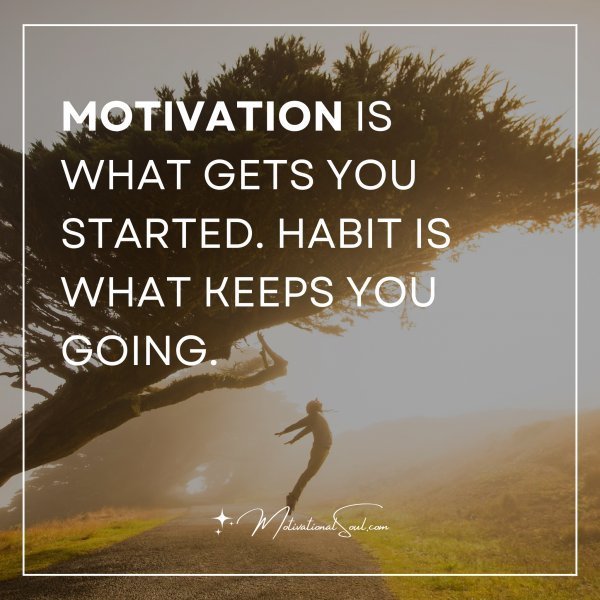
    MOTIVATION IS WHAT GETS YOU
  • List: 20 Ways to Fall in Love with You Again.

    List: 20 Ways to Fall in Love with You Again.

    Here are twenty ways that you might consider trying to fall in love again:

    1. Take time to heal and reflect on past relationships.
    2. Set boundaries and take care of yourself.
    3. Explore your interests and try new activities.
    4. Practice self-compassion and self-acceptance.
    5. Foster supportive relationships with friends and family.
    6. Consider therapy or counseling to work through any underlying issues.
    7. Practice gratitude and focus on the positive aspects of your life.
    8. Get out into nature and spend time in the great outdoors.
    9. Volunteer your time or engage in acts of kindness.
    10. Practice mindfulness and being present in the moment.
    11. Try online dating or join a social or hobby group.
    12. Take up a new hobby or activity that you’ve always been interested in.
    13. Travel and experience new cultures.
    14. Learn to love and accept yourself.
    15. Practice forgiveness, both of yourself and others.
    16. Be open to new experiences and meeting new people.
    17. Make an effort to be more social and build connections with others.
    18. Consider getting involved in a group or community that shares your values.
    19. Take care of your physical health through exercise and a healthy diet.
    20. Surround yourself with positivity and focus on the good things in life.
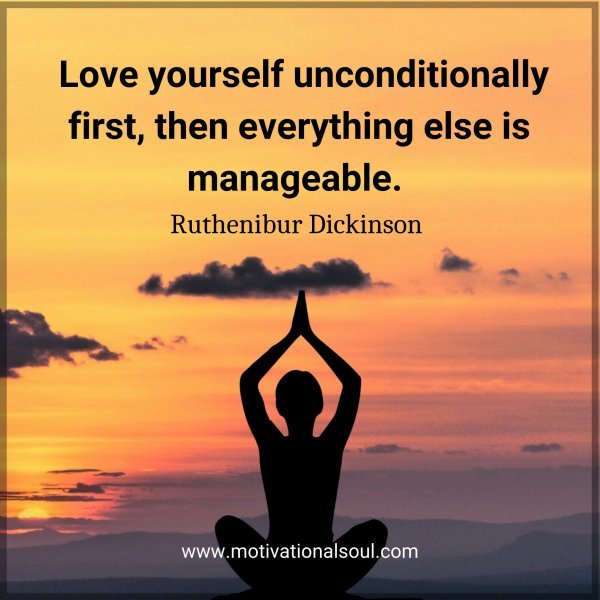
    Love yourself