Forgive them, even if
they aren’t sorry. Let
them be right if that’s
what they need. Send
them love and send them
off. Don’t tie yourself to
small mindedness, it will
steal your wellbeing.
Tag: Stress
-

Quote: Forgive them, even if they aren’t sorry. Let them be
-

Quote: The strength of a mother is like no other. During times of stress,
The strength of a mother is like no other. During times of stress, she may struggle to find her way because she’s facing her own personal demons, but her child’s welfare comes first. She’s not perfect and makes a lot of mistakes but never doubts her love, it burns deeply in her heart.
-

Quote: Worrying is a wasted emotion PRAYER. FAITH. HOPE.
Worrying
is a wasted
emotion
PRAYER. FAITH. HOPE.
These things can
change your future.
Worry never will.
Amen. -

Anger Management: 20 Tips and Techniques
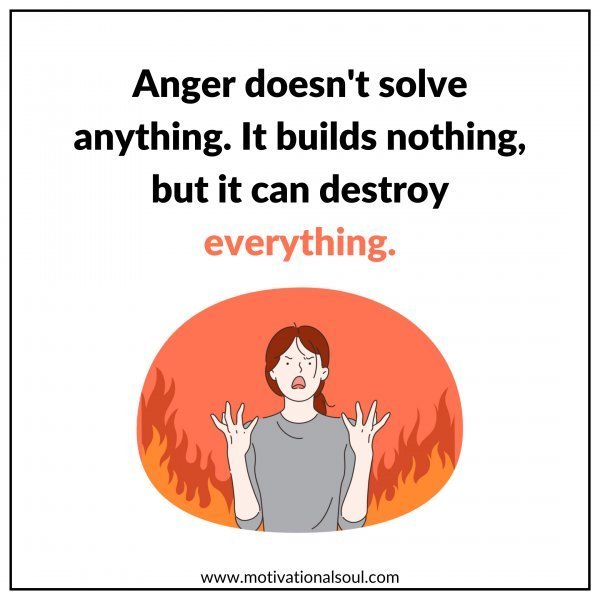
Anger is a normal and healthy emotion, however, it can become overwhelming and lead to destructive behavior if it isn’t managed properly. Learning effective strategies for anger management is essential in order to help prevent negative outcomes. These strategies include recognizing triggers that bring on an outburst of anger, developing relaxation techniques such as deep breathing or counting to ten and learning how to express your feelings in a positive way. It’s important to keep in mind that we can’t always control the situations or people around us but we can control our reactions by practicing self-control, empathy, assertiveness and problem-solving skills. With dedication and practice, you can learn how to manage your anger in a healthy way.
- Take a few deep breaths: Taking slow, deep breaths helps to reduce your heart rate and can create a sense of calm.
- Identify the emotion: Before you attempt to manage the emotion, first identify what it is and why it has been triggered.
- Challenge negative thoughts: Reframing our thinking from negative to positive is helpful in managing our emotions better.
- Think of distractions: Focusing on something else for a few moments can help take your mind off the angry feeling so that you can approach the issue more calmly.
- Make a plan of action: When an emotion overwhelms us, we tend to react without taking enough time to think about our choices. Establishing an action plan keeps rational thought at hand when dealing with difficult emotions.
- Practice mindful meditation: Mindful meditation helps you become aware of any thoughts or feelings that may be causing your anger or frustration, enabling you to control your response better under such circumstances.
- Exercise regularly: Exercise releases endorphins which are hormones associated with happiness as well as serotonin which aids in regulating moods and calming emotions effectively.
- Find humor in the situation: Laughing at yourself or finding humor in any difficult situation helps to lighten up your mood and bring some perspective back into focus apart from reducing stress levels significantly too..
- Listen to music: Music has been known to modulate different brain wave patterns thereby improving moods since it triggers powerful emotional responses within us that aren’t usually accessible through everyday activities .
- Apologize if necessary : An appropriate apology though counterintuitive can be beneficial because it diffuses tension & demonstrates that one is mature & understanding towards others especially when faced with highly charged situations .
- Let go of grudges : Holding onto grudges leads only onto rumination & deterrence from resolution therefore forgive but don’t forget so that we don’t repeat mistakes due from lack of knowledge on previous occurrences .
- Make amends (if applicable) : Making amends enables us gain closure for both ourselves & others especially when their hurt was accountable by us thus tending it gives them comfort showing care , respect & understanding regarding their situation.
- Write down worries and concerns : Writing down current stresses related towards events allows them essential objectification through steering clear of exaggerations while creating an opportunity for reflection thus enabling assuaging one’s rage by practising detachment .
- Distance yourself : Withdrawal even temporarily allows cooling off period wherein upon reevaluating matters then, tends understandings instead of escalating disputes after all constructive dialogue happens only when everyone involved is calm anyway .
- Count until 10 before responding : Counting (or alternatively repeating mantras) up till 10 , gives sufficient breathing space for assessing possible outcomes before responding because sometimes further premeditation averts potential disasters altogether .
- Speak slowly : Speaking slowly & calmly makes sure words are communicated properly , avoiding misunderstanding due its tone allowing emotions being transmitted clearly thereby giving any argument seriousness over rashness .
- Change where you are located : Moving away from noise or a chaotic environment lessens temptation allowing introspection not only providing clarity but also preventing things spiraling outta control sometimes even restoring peace between individuals too .
- Seek support from family / friends if needed : Family members & friends offer more maturity due their living wisdom thus helping gain empathy for anyone else’s point of view sharing experiences brings understanding amongst everyone hence helping elevating tensions almost immediately .
- Write a letter (even if not sending) : Writing letter’s with no concern over perfection provides outlet towards expressing one’s anger regardless whether they’re received or not since words have power especially when written existentially instead privately therefore empower yourself by writing often .
- Recognize destructive behavior patterns : Self-awareness prevents recurrent outbursts since now better equipped dealing with multiple issues going forward utilizing previously made mistakes into learning passages while striving onwards towards true enlightenment ultimately the goal here ..
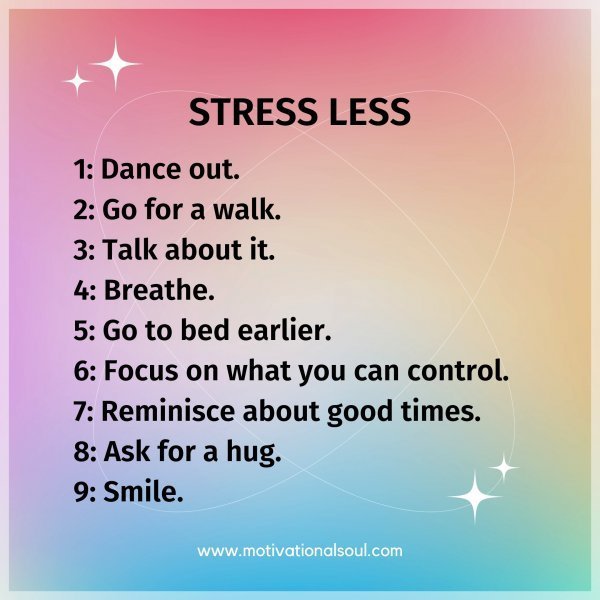
- Take a few deep breaths: Taking slow, deep breaths helps to reduce your heart rate and can create a sense of calm.
-

Remove Stress with Positive Thinking
Stop Over Reacting !
Positive thinking isn’t always easy. Negative thoughts can be loud and intrusive, especially when you’re under stress. But if you’re struggling to stay positive, there are some things you can do to help silence the negative voice in your head. Try these tips for keeping your thoughts positive and managing stress.
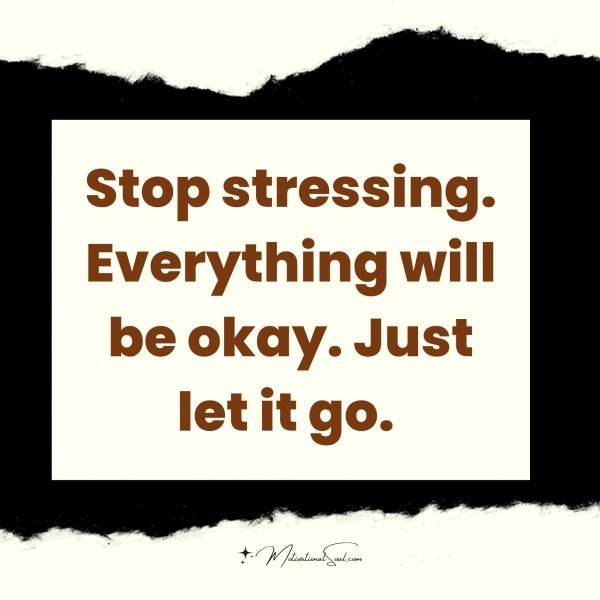
Stop stressing. Define stress and rage
When it comes to managing our emotions, understanding the difference between stress and rage is essential. Stress is a product of modern life – it’s an intuitive response to feeling overwhelmed or overworked, that can manifest in physical symptoms such as headaches and upset stomachs. However, whereas stress requires us to take a step back from the situation and reflect on what needs to be done, rage is an emotional reaction that often pushes us further into confrontation and chaos. An excessive emotion that has its roots in unresolved hurt or fear, rage triggers the fight-or-flight impulse and urges us to take impulsive action. When we’re able to experience these emotions in healthy ways through meditation or talk therapy – or by finding the courage to ask for help – we can make conscious decisions on how to improve our lives.
The effects of stress and rage
Stress and rage are both powerful emotions that can have an immense impact on our mental and physical wellbeing. It’s important to note, however, that just because these feelings arise, it doesn’t mean they must take control of us. The key is to learn how to manage stress and rage the right way so they don’t consume us. It takes work, but the outcome of not letting it define who we are is worth every effort we put in. Regularly practicing simple methods like mindful breathing can make a huge difference in allowing us to lead happier, less-stressed lives. Taking actions like these will help reclaim our equilibrium and bring vital balance back into our lives.

How positive thinking can help alleviate stress and rage
Everyone can benefit from a positive outlook on life, especially when it comes to challenging and stressful situations. Practicing positive thinking helps us to proactively manage our emotions and reactions in difficult moments, significantly reducing the effects of stress and resentment. Positive thinking practices, such as meditation or visualization, help us re-center ourselves and stay focused during tough times. We can use simple affirmations to remind ourselves of our good qualities and strengths when we’re feeling overwhelmed or angry.
Ultimately, choosing to think positively will not only make notoriously difficult situations more comfortable but also lead to improved mental health in the long run. Start taking the steps towards positive thinking today!
Tips to take to start thinking more positively
Are you looking to start thinking more positively and setting yourself up for a more successful life? It is never too late to start making a change for the better!
Here are some tips to help you develop a positive mindset and boost your mental wellbeing.
First, take time daily to recognize and appreciate the good in your life – whether it be big or small victories. Acknowledge that even the most seemingly insignificant moments of joy can be immensely valuable.
Secondly, practice gratitude and express it outwardly. Expressing thankfulness helps us recognize our blessings, which promotes contentment in our lives.
Last but not least, replace toxic thoughts with affirmations. Not only does this build your confidence, but it also helps you keep moving forward on a journey of self-discovery and growth. With these few steps you WILL be able to transform yourself into a more positive person!

Benefits of positive thinking
Positive thinking can have a tremendously positive impact on our lives. It can empower us to be the best version of ourselves, reaching levels of success both personal and professional that we never thought possible. When practiced regularly, it can be truly life-changing. By re framing our thoughts to more constructive and optimistic perspectives, we can reap profound benefits across many aspects of our lives. These benefits include improved self-esteem, emotional resilience when faced with challenges, greater drive and clarity when setting goals and more energy and enthusiasm for activities we’d usually delay or procrastinate on – just to name a few! In short, if you want to make a real transformation in your day-to-day experience then committing to positive thought patterns is a smart choice.
So, there you have it. Defining stress and rage and understanding their effects is the first step to mitigating them. From there, practicing positive thinking with intention can lead to a decrease in stress and rage levels– promoting better physical health and improved relationships. Specialized techniques like journaling or visualization may help some people get started on their journey to positivity. And finally, reaping the benefits of positive thinking will provide motivation for making this change. Give yourself permission to think positively today!
Effective ways for calming your furious emotions
-

How to Deal with Anxiety and Stress?
Anxiety and stress are two common experiences that everyone faces at some point in their lives. While for some people these experiences may be occasional, for others they can be ongoing and interfere with daily life. If you’re struggling with anxiety or stress, there is help available. In this post, we’ll discuss some strategies for managing anxiety and stress.
For different people, anxiety and stress can manifest in a variety of ways. Some common signs of anxiety and stress include feeling tense or on edge, difficulty sleeping, feeling irritable or easily angered, racing thoughts, or a constant sense of worry. If you’re having one of these issues, it’s critical to seek expert help.
There are many effective treatments for anxiety and stress. Some people find it helpful to talk to a therapist or counselor who can provide support and guidance. Others may benefit from medication, which can help to reduce symptoms of anxiety and stress. There are also lifestyle changes that can be helpful in managing anxiety and stress, such as exercise, relaxation techniques, and healthy eating.
If you’re struggling with anxiety or stress, know that you are not alone and there is help available. Anxiety and stress are treatable conditions, and with the right help, you can start to feel better.
Ways to de-stress and relax quickly
Certain methods can help you reduce anxiety if you have it regularly or become anxious suddenly.
Experiment with different breathing techniques.
Hyperventilation can cause anxiety-related physical symptoms. This is when your breathing speed increases and your body absorbs too much oxygen, lowering the carbon dioxide level in your blood. Your body needs a specific amount of carbon dioxide to regulate its response to stress and panic.
Take a four-second deep breath when you’re finished. Exhale for as long as you inhale. Take a four-second deep breath after that. Then exhale for six seconds before taking your next breath.
Experiment with muscle relaxation techniques
The ‘body scan’ technique helps you focus on your body and relax any tension you may be feeling.
Exhale fully and tighten your facial muscles, closing your eyes tightly. For five seconds, clench your jaw and tensed up your face. Relax your muscles gradually over the time it takes to count to ten before taking a deep breath. Say relax as you work down your body beginning with your neck and shoulders and ending with your feet.’
Concentrate on the present
Anxiety and stress can often feel crippling, making it hard to focus on anything else. A big part of what makes anxiety so difficult is that it’s often accompanied by dwelling on past events or worrying about the future. If you can learn to focus your attention on the present moment, it can help you feel more relaxed. The present moment is the only time you have any control over, so worrying about things that have already happened or may never happen is a waste of time and energy. Learning to live in the present moment can be difficult, but it’s worth it if it means having a more peaceful and stress-free life.
Take a breather
When it comes to managing stress and anxiety, one of the best things you can do is take regular breaks. Just a few minutes of downtime can make a big difference in how you feel mentally and physically. If possible, schedule a break at regular intervals throughout the day. During your break, you can do some light stretching or deep breathing exercises to relax your body and mind. Getting some fresh air can also help to improve your mood and lower your stress levels. Taking a few minutes for yourself each day can go a long way in maintaining your mental health.
Discuss your feelings with someone you trust
Anxiety and stress can feel debilitating at times. It can be hard to see a way out when you’re in the throes of it. But one of the best things you can do is talk to someone about it. It may seem counterintuitive to open up about your anxieties and stresses, but it can actually be really helpful. When you vocalize your fears, they can start to feel less real and more manageable. And the act of talking through your problems with someone can help to put them into perspective. It’s important to choose someone you trust and feel comfortable confiding in. And it can be helpful to plan what you want to say beforehand. But once you take the plunge, you may be surprised at how much better you feel. Talking about your problems is a key step in managing them and taking back control of your life.
Long-term stress and anxiety management strategies
Anxiety is a common mental health condition that can have a profound impact on your daily life. If you suffer from anxiety, you may find it difficult to concentrate at work or school, socialize with friends, or even leave the house. While breathing techniques and other short-term solutions can occasionally offer some relief, it is essential that people who experience anxiety find a long-term solution that treats the root of the problem. Anxiety disorders often require treatment from a qualified professional. If you suffer from anxiety, consider speaking with your doctor or a mental health professional to devise an individualized plan. Treatment for anxiety can take many forms, but often includes talk therapy, medication, or a combination of both. With the help of a professional, you can develop healthy coping mechanisms and begin to live an anxiety-free life.
Maintain a ‘thought journal,’ and challenge any negative thinking
Anxiety and stress can feel like they’re taking over your life. Your heart races, your mind won’t stop racing, and you can’t focus on anything else. It’s impossible to relax. But what if there was a way to ease your mind and lower your stress, without having to take medication or see a therapist? Writing can do just that. The next time you’re feeling anxious, try pulling out a journal or opening a notes app on your phone and simply write down whatever is on your mind. It’s like unloading all of your worries into the page instead of letting them swirl around in your head. You may find that after you’ve finished writing, you feel calmer and more in control. It’s not a cure-all, but it can certainly help to take the edge off of anxiety and stress. So next time you’re feeling overwhelmed, pick up a pen and give it a try.
Determine your triggers
There are many ways to identify your triggers, with or without professional help. Just being aware of what sets off your anxiety can be helpful in and of itself. Some common triggers include:
- Caffeine, alcohol, or drugs
- A stressful work, home, or school environment driving or traveling medication withdrawal, or side effects.
- Health problems or concerns
- Erratic eating patterns – skipping a meal can cause your blood sugar to drop, making you feel jittery and anxious.
Knowing your triggers does not imply avoiding them
If the cause of your stress is time-sensitive, such as a job-related project, take steps to manage it accordingly. If you can’t change the source of your anxiety, try building resilience so that you’re better equipped to handle it. Lastly, some stressors are unavoidable – in these cases, find ways to cope that work best for you.
Avoid using drugs, alcohol, or stimulants
Stimulants are drugs that ‘excite’ your nervous system, making it work faster and harder. Unfortunately, stimulants can also make anxiety symptoms worse, so avoiding them is often a good idea for people with anxiety disorders. Some of the most common stimulants include:
Caffeine (from coffee and tea), nicotine (found in cigarettes, chews, and vape pens), and drugs such as cocaine.
When you’re nervous, alcohol and drugs in general should be avoided. If you use drugs or alcohol to alleviate stress or relax, you may become hooked on them and feel worse in the end.
Include relaxation and self-care in your daily routine
Many individuals would find themselves restless owing to a packed schedule. Make time each day to do something you like, whether it’s a hobby, watching a Netflix program, or catching up on old times with a friend. It may also be useful to plan the task for the future so that you are not aware of any opportunities lost.
Move more, eat better, and sleep more
Everyone knows that being physically active can help reduce stress and anxiety while promoting a better mood. Luckily, you don’t have to train for a triathlon to get these benefits–just 30 minutes of exercise each day will do the trick!
Diet and sleep are also critical to your overall well-being
A balanced diet will make you feel better, healthier, and more capable of dealing with stress while getting enough sleep will improve your mood and anxiety levels.
Confront your fears
Avoiding situations that make you anxious may result in you missing out on things you want or need to do. It may sound strange, but confronting your anxiety-provoking factors might help you feel less nervous.
To slowly get a feel for the situation and to work on your fears, begin with small steps that you can consider “acts of bravery.”
It’s best to do this with the assistance of a professional (such as a counselor or psychologist) so that it doesn’t become too intense for you.
If you’re feeling overwhelmed by anxiety, talk to a professional. If your anxiety is making it difficult for you to function in day-to-day life, it’s important to seek professional help. A therapist can assist you in exploring the root of your anxiety and developing healthy coping mechanisms. medication may also be recommended in some cases.
Anxiety and stress are treatable!
Managing anxiety and stress can be a challenge, but it’s important to seek help if these experiences are impacting your daily life. If you’re looking for more information or want to talk to someone about managing anxiety and stress, please read our blog for more helpful tips.
-

What if nothing seems to be working?
Have you exhausted all of your options and nothing is working? It can be tiring to work hard in order to feel better and try everything that others have suggested, but nothing appears to be working. This is a typical occurrence when you suffer from anxiety, sadness, or another mental health issue, and it’s important to recognize that it isn’t your fault if you aren’t getting any better.
When something is wrong with our mental health, it can be difficult to cope. If you are struggling and nothing seems to be working, don’t give up. There are many resources available to guide you. Seek help from a professional, join a support group, or read self-help books. You can get through this tough time and improve your mental health. Don’t give up – you deserve it!
It can be difficult to find the right combination of treatments for our mental health. That’s why we should always keep an open mind and try new things! You might just discover that what works best with one person doesn’t work in another situation – which is why it is important not only to ask others about their experiences but also to experiment on yourself too ( after all; self-experimentation has been shown time after again as effective). What to do next? Here are some ideas to explore.

What if nothing seems to be working? Common roadblocks to progress
“I have tried many different strategies. But nothing is working for me.”
If you have been struggling with mental health issues and feel like there is no light at the end of your tunnel, do not hesitate any longer. Seek medical care right away before it’s too late!
There are many mental health issues that can’t be fixed only by using self-help methods and require professional help, such as seeing a doctor or taking medication. If you haven’t done so already it may now seem like the right time to seek medical assistance for your condition since there is no guarantee in this world of getting better without trying everything possible!
Many mental health issues cannot be fixed by only using self-help methods and requiring professional help, such as seeing a doctor or taking medication. If you have not done so already, it is probably time to seek medical assistance.
Psychology plays an important role in our mental health. It can help us understand our thoughts, feelings, and behavior. However, psychology is not always enough. Sometimes, we need medical help to manage our mental health. This is where doctors come in. Doctors can help us understand our mental health issues and develop a plan to treat them. They can also prescribe medication to help us cope with our symptoms. If you have not seen a doctor for your mental health issues, it may be time to seek medical assistance.
‘I sought out professional help, but it was to no avail.’
The unfortunate reality is that many professionals in the medical and mental health field don’t understand what their patients are going through. It’s also important to remember, though—what works for one person may not work for another! So if you’re unhappy with your current situation know there’s always someone out there who could be better suited – I’m sure they’ll find somebody soon enough themselves (or at least breathe me). There are plenty of great options out there!
‘I’m sick and tired of trying, and I’m ready to give up,’
You may believe you don’t have the energy to continue seeking assistance and attempting to improve, but don’t give up yet. A little patience and one more stride might be all it takes. You’ve already come quite a way; why not try again?
Build a supportive network by finding someone to help you with your next steps in getting help. It can make a big difference to have someone who encourages you, reminds you to keep trying, and holds you accountable for doing your therapy homework, refilling prescriptions, and meditating regularly. Once you’ve found your support person, it’s time to build your dream team for success.
Choosing the Best Approach for You
Finding the right people
Finding the appropriate doctor and therapist is critical to a successful recovery. It’s similar to dating; you may have to try a few doctors before finding one you trust and feel safe with. One of the most important factors in determining treatment success is the patient’s relationship with their mental health practitioner; therefore, you should feel comfortable discussing your problems with him or her.
You may also want someone who has a similar background, sexual orientation, gender, or other life experiences to you. Alternatively, you might choose someone with a dramatically different experience from yours who can offer something new.
The most effective therapy option is the one that is most suitable for you.
Sometimes we need to try different forms of treatment until the right one works for us. If your psychologist is not giving you results, don’t be afraid to stop being honest and discuss trying a new type of approach with them! Sometimes it can seem hard talking about our needs but honesty will help in healing from long-term mental health difficulties so make sure that both yourself as well as your doctor know what’s best suited to helping those symptoms too.
The ideal combination
We understand that self-help methods are usually not enough, and this is also the case for therapy and medication. Therefore, it’s best to opt for a combination of psychological therapy, lifestyle changes, and medication to treat long-term mental health issues. This is why having a team effort is key so we can figure out what works specifically for you.
Psychology plays an important role in our understanding of mental health and how to treat long-term mental health issues. Psychology teaches us about the importance of a team effort in order to figure out what works specifically for the individual. Medical help is essential in order to understand the underlying causes of mental health issues and to develop an effective treatment plan. However, medical help is not enough. Lifestyle changes, such as exercise, diet, and social support, are also important for treating mental health issues.
Exercise has been shown to be beneficial for treating depression and anxiety. Your diet can also affect your mental health. For example, omega-3 fatty acids have been shown to help relieve symptoms of depression. Social support is another important factor in treating mental health issues. This social support can come from family, friends, or even a support group. Having a team effort is key to figuring out what works specifically for you and your needs.
Eager to change things up? Try new approaches or various combinations of old techniques at different times!

Sometimes you just got to stay silent because no words can explain your pain. Give it some time
Some medications and therapies can take weeks or even months to show any effects. For example, people usually have to wait 4-6 weeks after starting antidepressant medication before they begin feeling less depressed, and it may take up to 12 weeks for other mental health difficulties (such as OCD) to start improving.
Most psychological therapy programs last anywhere from 8 to 20 sessions, though some may go on longer depending on the complexity of your condition. If you’re unsure how long treatment will take, ask your clinician for an estimate.
If you’re working hard to improve yet don’t feel any better, remember that it’s not your fault. If you want to get well, you’ll need specialized therapy if you haven’t received it already. It may be time to try something new if what you’ve been doing hasn’t worked: seek a second viewpoint, pursue a different therapy approach, switch to a new therapist or GP, or request a medication change.
Psychology is the branch of science that focuses on the study of human mental faculties and behaviors. It is a relatively young science, but it has already made a great impact on our understanding of ourselves and our societies. Psychology has helped us to understand the importance of mental health, and it has also shown us that mental health problems are very common.
In fact, one in four people will have a mental illness at some point during their life. The field of psychology has also informed us that mental health issues are not always due to traumatic events or faulty genes. Sometimes, they can be caused by medical conditions. For example, depression can be caused by an imbalance of certain chemicals in the brain. Psychology has also helped us to understand that mental health problems are not always permanent. With the right treatment, many people with mental health problems can recover and live full and happy lives. So, if you are experiencing a mental health problem, remember that you are not alone. There is help available, and there is hope. Never give up!
Remember that you are the expert on yourself. If something’s not working for you or you’d like to try a different approach, speak up! With the right support system and treatment plan, anyone can learn how to cope with mental health issues and feel better. Follow our blog for even more excellent mental health strategies.

You Might Also Like
-

What to Do When You’re Feeling Incompetent
Do you ever feel as if you’re always making mistakes? That you’re just not good at anything? This is a common feeling, especially when we’re struggling with something new. It’s easy to feel incompetent and like a failure when we don’t know how to do something. The fact is, everyone has felt this way at some point in their life. The key is learning how to deal with these feelings in a healthy way so that they don’t hold us back from reaching our goals. In this blog post, we will discuss some tips for dealing with feelings of incompetence, and how to get past them so that you can start achieving your goals!
Do you often feel like no matter what you do, it’s wrong??
You’re not crazy if you think everything you do is wrong – it’s a common feeling, and here are some of the reasons why.
Stress
Have you ever felt like no matter what you do, you can’t seem to do anything right? If so, you’re not alone. This feeling is often caused by stress. Cortisol is a hormone produced by our bodies when we’re anxious. Cortisol helps us to deal with situations that are stressful by giving us an energy boost. However, if cortisol levels stay high for too long, it can have the opposite effect. We may feel tired and unable to concentrate, and our memories may suffer. In addition, stress can cause us to make more mistakes.
This is because cortisol interferes with the part of the brain that controls logic and reasoning. As a result, we may find it harder to solve problems and make decisions. So if you’ve been feeling like you can’t do anything right, it may be time to take a step back and assess your stress levels.
Overwhelm
You’ve been told your whole life that you need to focus on one thing at a time. And for the most part, that’s true. However, there are times when you just can’t seem to get anything done. It feels like everything you try ends in failure and you can’t help but wonder what’s wrong with you. The truth is, there’s nothing wrong with you. You’re just feeling overwhelmed. When you have too much going on, it’s natural to feel scattered and like you can’t do anything right.
Self-Esteem
We’ve all had moments where we feel like our best isn’t good enough.Maybe you’ve been passed over for a promotion at work, or your friends seem to be doing better than you. It can be frustrating and even overwhelming to feel like you can’t do anything right.
One reason this may be happening is because of your self-esteem. If you don’t believe in yourself, it’s going to be hard to accomplish your goals. When you doubt your abilities, you’re more likely to give up when things get tough. Low self-esteem can also lead to anxiety and depression, which can further sabotage your efforts.
You’re Not Giving Yourself Enough Credit
One of the reasons you may feel like you can’t do anything right is that you’re not giving yourself enough credit. It’s easy to focus on your mistakes and dwell on them, but it’s important to remember that everyone makes mistakes. Instead of beating yourself up over your faults, consider how you may utilize them to your advantage in the future.
You’re Comparing Yourself to Others
Another reason you may feel like you can’t do anything right is that you’re comparing yourself to others. It’s important to remember that everyone is different and that everyone has their own unique strengths and weaknesses. Comparing yourself to others will only make you feel worse about yourself and is not an effective way to gauge your own progress.
You’re Setting the Bar Too High
If you’re constantly setting the bar too high for yourself, it’s no wonder you feel like you can’t do anything right. It’s important to set realistic goals for yourself and to celebrate your accomplishments, no matter how small they may be. If you’re always striving for perfection, you’ll never be satisfied with your accomplishments and will always feel like you could have done better.
You’re Too Hard on Yourself
Finally, one of the main reasons you may feel like you can’t do anything right is because you’re too hard on yourself. We all make mistakes and none of us are perfect.. If you’re constantly berating yourself for your mistakes, it’s only going to make it harder for you to move on from them. Instead of being hard on yourself, try to be understanding and forgiving.
Consequences of Feeling Incompetent
If you’ve been feeling like you can’t do anything right, it’s important to understand the consequences of this mindset. When you feel incompetent, you’re more likely to give up when things get tough. You may also start to doubt your abilities and believe that you’re not good enough. This can lead to anxiety, depression, and a general feeling of dissatisfaction.
It’s important to understand that everyone makes mistakes and that no one is perfect. If you’re too hard on yourself, you’ll never be able to move on from your mistakes. Instead, try to be understanding and forgiving. Remember that everyone has their own unique strengths and weaknesses, so don’t compare yourself to others.
How to Deal With Feelings of Incompetence
Now that we’ve discussed some of the reasons why you may be feeling incompetent, let’s talk about how to deal with these feelings.
Allow Yourself To Feel This Way
Whatever the case may be, feelings of incompetence can be tough to shake. However, it’s important to remember that everyone experiences these feelings from time to time. Rather than trying to fight them, allow yourself to feel them. Recognize that they are normal and that they will eventually pass. Once you’ve given yourself permission to feel these feelings, you can start to take steps to move past them.
For instance, you might reach out to a trusted friend or family member for support, or you might try to reframe your thinking about the situation. Whatever you do, don’t try to bottle up your feelings or pretend they don’t exist. The first step to moving on is to accept them.
What You’ve Done Right Should be Reviewed to Prove Yourself Wrong
One way to deal with feelings of incompetence is to focus on your strengths and accomplishments. Make a list of everything you’re proud of, no matter how insignificant it may seem. This can help remind you that you are capable and competent. It’s also important to seek out feedback from others. Ask trusted friends or relatives for their honest assessment. If they believe in you, it can help you start to believe in yourself.
Revealing that you require assistance demonstrates fortitude rather than fragility. By following these tips, you can start to overcome your feelings of incompetence and reach your full potential.
Speak to Yourself in the Same Way as You Would to Others
One of the most difficult things about feeling incompetent is that it can be hard to shake off. Once you start to doubt your abilities, it can be tough to see yourself in a more positive light. However, it is important to remember that everyone feels like this at times.
The key is to not get too caught up in these feelings. Instead of beating yourself up, try to speak to yourself in the same way as you would to someone else. Be compassionate and understanding. Remember that you are just a person, who is capable of making mistakes. But you are also capable of learning and growing. So don’t be too hard on yourself. Give yourself some grace and space to make mistakes – and to learn from them.
Exercise
When you’re feeling incompetent, it’s easy to become overwhelmed and stressed. This can often result in feeling anxious or depressed. To help combat these feelings, it’s important to get some exercise. Exercise releases endorphins, which have mood-boosting effects. So go for a walk or a run – whatever makes you feel good.
Getting some fresh air and moving your body can help you start to feel better. The greatest thing you can do is go for a walk. Walking has been shown to be an effective way to reduce stress and improve mood. Getting some fresh air and moving your body can help to clear your mind and give you a new perspective.
Get Support
When you’re feeling down, it’s important to reach out to your support system. Talk to a friend or family member who makes you feel good about yourself. They can help remind you of your strengths and why they believe in you. Just knowing that someone has your back can make a world of difference. So don’t be afraid to reach out when you need a shoulder to cry on.
It’s also important to talk to someone who is impartial – someone who can give you an honest opinion. Sometimes, it’s helpful to get a second opinion from someone who knows you well. They can help you see the situation in a different light and offer some helpful advice.
Practice Self-Care
When you’re sad, it’s critical to take care of yourself. This means getting enough sleep, eating healthy foods, and spending time on activities that make you happy. It is vital to find methods to relax and de-stress. This might include reading, listening to music, or spending time in nature. Taking care of yourself can help you feel better and start to see the situation in a more positive light.
Do Something Good for Someone Else
One of the best ways to feel better about yourself is to do something good for someone else. This can help you see that you are capable of making a difference. It can also make you feel good about yourself, which can boost your confidence. So next time you’re feeling down, try to do something nice for someone else.
It could be something as simple as smiling at a stranger or holding the door open for someone. Or you could do something more significant, like volunteering your time to a worthy cause. Whatever you do, remember to make a difference.
Take a Break
If you’re feeling overwhelmed and like you can’t do anything right, it’s important to take a step back. This doesn’t mean giving up. When things are getting tough, sometimes the best solution is to take a break. Stepping away from a difficult situation can help you clear your head and come back with a fresh perspective. This will give you some time to clear your head and come back with a fresh perspective. Sometimes when we’re feeling overwhelmed, the best thing to do is take a break.. Go for a walk, take a nap, or just step away from the situation for a while. This will help you to come back refreshed and ready to tackle the problem.
Conclusion
You may not be able to shake off your feelings of incompetence overnight. But by following these tips, you can start to move past them. Allow yourself to feel what you’re feeling, focus on your strengths, and be gentle with yourself. With time and effort, you will start to feel better about yourself and your abilities.

-
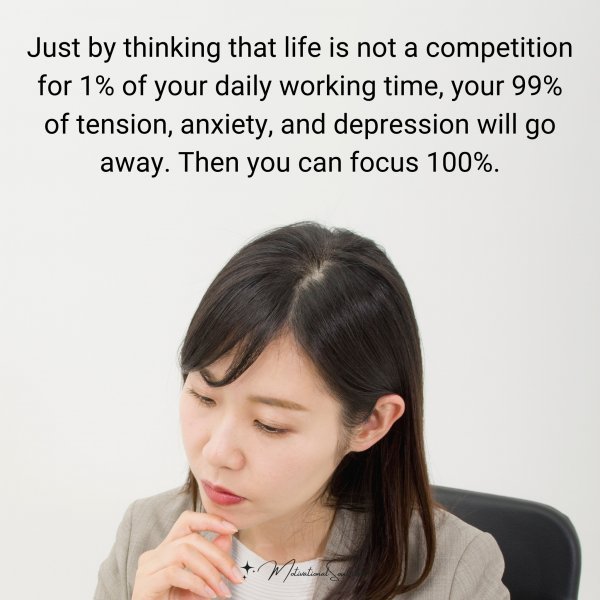
Quote: Just by thinking that life is not a competition for 1% of your daily
Just by thinking that life is not a competition for 1% of your daily working time, your 99% of tension, anxiety, and depression will go away. Then you can focus 100%.
-

Quote: I want to live a simple life without stress and worries. I don’t
I want to live a simple life without stress and worries. I don’t need a lot of stuff I just want to be happy.