Take a deep breath and focus on your breath for a few minutes. This can help you ground yourself in the present moment and let go of racing thoughts.
Practice mindfulness meditation. This involves focusing your attention on the present moment, without judgment.
Write down your thoughts. Sometimes, simply getting our thoughts out of our head and onto paper can help us process and let go of them.
Take a walk or engage in physical activity. Exercise can help reduce stress and improve your overall well-being.
Try a relaxation technique such as progressive muscle relaxation or guided imagery.
Get plenty of sleep. Lack of sleep can contribute to racing thoughts and a cluttered mind.
Seek support from a mental health professional. They can help you identify and work through any underlying issues that may be contributing to a cluttered mind.
Set aside dedicated time for relaxation and self-care. This could include activities like reading, taking a warm bath, or practicing yoga.
Practice gratitude. Taking time to focus on the things that you are thankful for can help shift your perspective and bring a sense of calm to your mind.
Try deep breathing exercises or controlled breathing techniques. These can help calm your nervous system and reduce stress.
Find a peaceful, quiet place where you can sit or lie down and relax. Close your eyes and focus on the present moment.
Practice self-compassion. Be kind and understanding towards yourself, and try to let go of self-judgment.
Engage in activities that require focused attention, such as coloring, drawing, or knitting. These can help quiet the mind and bring a sense of calm.
Try visualization techniques, where you imagine a peaceful scene or place in your mind.
Practice yoga or other forms of mindfulness-based movement.
Seek support from friends or loved ones. Sharing your thoughts and feelings with someone you trust can be a helpful way to process and let go of them.
Take a break from electronic devices and disconnect from the digital world for a while.
Practice letting go of control. Sometimes, trying to control everything can contribute to a cluttered mind. Instead, try to let go and trust that things will work out as they should.
Seek out activities that bring a sense of accomplishment or purpose. This could be volunteering, working on a project, or learning a new skill. Finding a sense of meaning and purpose can help bring clarity and focus to the mind.
If you’re anything like us, you probably take care of yourself by using natural remedies and remedies that are backed by science. And while there is no one right way to address all of your health concerns, there are a few common ailments and easy ways to relieve them naturally. From colds to muscle pain, our list of 9 common ailments and their natural remedies covers everything you need to get healthy and feel better in no time. So read on and start feeling better today!
1. Headache
There are a variety of headaches that can strike anybody at any time. From mild discomfort to debilitating pain, there’s no shortage of potential causes for a headache. Here are some of the most common types and the easiest ways to remedy them:
Migraine: A migraine is an intense headache that typically occurs on one side of the head and can last anywhere from 24 hours to 72 hours. The most common cause is an imbalance of blood flow in the brain, but other triggers include environmental factors (such as bright lights or strong odours), poor sleep habits, caffeine consumption, eating foods with tyramine (like cheese) and stress. The best way to prevent a migraine is by avoiding known triggers and getting enough rest.
Tension headaches: Tension headaches are characterized by pain around the temples, behind the eyes or on one side of the head. They’re usually caused by tension in the neck, jaw or shoulders and can be prevented by relieving any accumulated tension before bedtime. Treatment options include over-the-counter medications like ibuprofen or acetaminophen, lifestyle changes like reducing stress levels and exercising regularly, or surgery if other measures don’t work.
Cluster headaches: Cluster headaches are particularly irritating due to their frequent recurrence; they occur twice per month on average and tend to get worse with age. The cause isn’t known, but cluster headaches may be related to abnormal blood flow in the brain. Treatment includes taking over-the-counter medications like ibuprofen or acetaminophen, getting enough rest and avoiding triggers such as alcohol.
2. Stomach ache
Stomachache is one of the most common ailments and can be extremely debilitating. There are several things you can do to ease your symptoms naturally. First, make sure you’re drinking plenty of fluids. Not only will this help hydrate your body, but it will also reduce the pain and inflammation that are often associated with stomachaches.
Secondly, eat a balanced diet. By filling your stomach with healthy foods, you’ll help reduce the severity of your stomachache and ensure that you’re getting the nutrients your body needs to heal quickly. Finally, try natural remedies if all else fails. Many people find relief from their stomachaches by using supplements or home remedies such as ginger tea or baking soda baths.
3. Colds and flu
If you’re feeling under the weather, there are many things you can do to improve your symptoms and feel better faster. Here are some of the most common cold and flu symptoms, as well as natural remedies for each:
Colds and flu symptoms: Colds and flu symptoms can vary from person to person, but typically include a fever, headache, tiredness, sore throat, dry cough, runny nose and sneezing. Some people also experience body aches and sore tongues.
To reduce your chances of getting sick in the first place, follow these tips:
Stay warm! keep your body temperature up by wearing layers of clothing and using a heating pad or stovetop heat pack when you’re feeling chilly.
Drink plenty of fluids.
Eat light snacks that won’t contain lots of sugar or saturated fat. These foods will help to restore energy levels rather than contributing to infection.
Avoid touching your eyes. Don’t go around touching everybody else all the time either – germs can spread this way!
Get plenty of rest. When you’re not feeling well, it’s easy to feel like you have to keep busy. However, rest is important for your physical and mental well-being. If you start feeling bad with a cold or flu, see a doctor! There may be something more serious going on that needs treatment.
While there is no cure for the common cold, the best way to prevent colds and flu is by practising good hygiene, getting regular exercise, eating healthy foods and drinking plenty of fluids. Taking extra precautions like washing your hands frequently and avoiding close contact with sick people can also help reduce your chances of getting sick.
4. Stress
Stress is a normal part of life, but it can be particularly difficult to manage when it becomes chronic. It’s important to recognize the signs and symptoms of stress to take action and prevent further damage. Common signs and symptoms include irritability, fatigue, headaches, insomnia, difficulty concentrating and muscle tension. To manage these symptoms, it’s essential to make lifestyle changes such as exercising regularly, meditating, and engaging in activities that bring joy. It’s also important to practice good sleep hygiene by avoiding screens and caffeine before bedtime, developing a consistent sleep schedule, and getting enough rest each night.
Stress can destroy much more than just our physical health.
5. Insomnia
Common symptoms of insomnia include difficulty falling asleep, waking up frequently throughout the night, and waking up too early in the morning. To help manage insomnia, try to maintain a regular bedtime and wake time every day; avoid caffeine, nicotine, and alcohol several hours before bedtime; limit your exposure to bright screens before bed, and avoid large meals before bedtime. If your symptoms persist, speak to your doctor about possible treatments such as cognitive behavioural therapy or medications.
Here are some natural ways to relieve insomnia:
• Exercise: Exercise can help to improve your circulation and help you relax.
• Get a good night’s sleep: A good night’s sleep is essential for relieving stress and improving moods.
• Avoid caffeine: Caffeine can keep you awake during the night. Limit your intake of coffee, tea, and soda before bedtime.
SLEEPING
6. Acne
Acne is a common skin condition that can make people feel self-conscious. Acne can happen on any part of the body, but it is most common on the face and neck. Acne is caused by sebum, which is a mixture of oil and sweat secreted by the skin. The bacteria that cause acne-like to live in warm, humid environments. Acne can be treated with over-the-counter products or by seeing a doctor.
There are several easy ways to relieve acne naturally:
Use comedogenic (pore-clogging) products sparingly. These include lotions, creams, and powders that contain ingredients like coal tar, benzoyl peroxide, sulfates, or resins. Avoid using these products if you have sensitive skin or if you are pregnant or breastfeeding because they can lead to skin irritation or blemishes.
Try not to touch your face too much. Touching your face causes oils and sweat to become trapped in the pores, leading to acne.
Avoid wearing tight clothes that will trap sweat and oils. Wearing loose-fitting clothes will help keep your skin moisturized and free from the build-up of sebum and bacteria.
Cleanse your skin regularly using an acne-fighting cleanser such as antibacterial soap or a cream cleanser with salicylic acid (a beta hydroxy acid). Apply the cleanser to a cloth and work it into your skin in a circular motion. Rinse with lukewarm water and pat dry.
The human face is
7. Bronchitis
bronchitis is an inflamed air sac in the lungs. The air sacs are narrow tubes that carry air from the lungs to the rest of the body. Bronchitis is caused by infection, smoking, or allergies. It can make you short of breath and cause coughing. Bronchitis is treated with antibiotics if it is caused by a bacterial infection, painkillers if it is caused by a viral infection, and breathing exercises if it is due to asthma. If bronchitis is severe, your doctor may give you a corticosteroid injection to help reduce inflammation.
8. Rheumatoid arthritis
The most common symptom of rheumatoid arthritis is pain and stiffness in the joints, although other symptoms can vary from person to person. There is no known cure for rheumatoid arthritis, but there are treatments that can help relieve symptoms. Some natural remedies for rheumatoid arthritis include rest, exercise, heat therapy, and dietary modifications.
9. Depression
Common symptoms of depression include feelings of hopelessness, sadness, and irritability. It can also cause physical symptoms such as fatigue, changes in appetite or sleep patterns, and difficulty concentrating. Depression is usually treated with medications such as antidepressants and psychotherapy or counselling. Some natural remedies may help such as exercise, relaxation techniques, and dietary changes. If you think you may be suffering from depression, it is important to speak to your doctor or mental health professional.
Depression
10. Asthma
Asthma is a chronic lung condition that causes difficulty in breathing due to inflammation of the airways. Symptoms of asthma can range from mild wheezing to severe shortness of breath. Asthma is commonly treated with inhalers that open the airways and allow air to flow more freely. Other treatments include avoiding triggers, such as cigarette smoke or certain allergens, using a peak flow meter to measure lung function, and taking medications such as corticosteroids or bronchodilators. Natural remedies for asthma include exercise, relaxation techniques, and dietary modifications like cutting back on sugar and processed foods.
11. Diabetes
Diabetes is a serious medical condition in which the body does not produce enough insulin, or the insulin produced does not work properly. Symptoms of diabetes include increased thirst and urination, fatigue, weight loss, slow-healing sores, and blurred vision. Diabetes is treated with medications such as insulin injections or oral medications to control blood sugar levels. Healthy lifestyle modifications such as eating a balanced diet, exercising regularly, and maintaining a healthy weight can also help manage the condition. Natural remedies such as herbs, vitamins, and supplements may also be beneficial in controlling blood sugar levels.
12. High blood pressure
High blood pressure (HBP) is a medical condition that occurs when the force of the blood against your artery walls is too high. It can cause serious health problems such as heart attack, stroke, and kidney failure. Common symptoms of high blood pressure include dizziness, headaches, and shortness of breath. HBP is usually treated with medications such as ACE inhibitors or diuretics. Healthy lifestyle modifications like eating a healthy diet, exercising regularly, and reducing stress can also help to lower your blood pressure. Natural remedies such as herbs, vitamins, and supplements may also be beneficial in controlling blood pressure.
Conclusion
After reading this article on 12 common ailments and how to relieve them naturally, I’m convinced that the easiest way to stay healthy is by keeping track of what’s going on with your body. Not only will this help you identify potential problems early on, but it will also teach you natural methods for treating each ailment. From boosting your immune system to improving digestion, these solutions are easy and affordable to implement. So take advantage of them today. Thanks for reading!
Though it may be challenging, making a change in your life is doable and worth attempting. If there’s something about your life that you don’t like, and you want to make a change, then read on. In this blog post, we’ll discuss how to make a lasting change in your life, and overcome the resistance that often arises.
OLD HABITS WILL NEVER
Let’s investigate a few habits that will make each day improved:
In our fast-paced world, it’s easy to feel like we have to do everything at once. However, research has shown that trying to multitask is less productive than focusing on one task at a time. When we try to juggle multiple tasks, our brains have to constantly switch gears, which can lead to errors and decreased efficiency. Furthermore, multitasking often means that we’re not giving our full attention to any of the tasks at hand. On the other hand, when we focus on only one task, we’re able to work more quickly and effectively. We’re also more likely to retain information and notice details that we might otherwise miss.
Feed your focus
2. Drink plenty of water
Water is essential for good health. It aids in digestion, circulation, absorption, and excretion. Despite this importance, many people do not drink enough water daily. It is recommended that adults consume at least eight glasses of water per day. This may seem like a lot, but it is important to remember that water is found in many other beverages and food items, such as coffee, tea, soup, and fruits. In addition, some activities, such as exercise, sweating, and urinating can cause the body to lose water. As a result, it is important to stay hydrated throughout the day by drinking plenty of fluids. Water is the best option, but other beverages can also help to keep the body hydrated. Just be sure to avoid sugary drinks, as too much sugar can cause dehydration.
Every business needs the plan to succeed. Your plan should include your business’ purpose, goals, and objectives. Your purpose is why your business exists – it should be something more than simply making money. Defining your goals, both short and long-term, is essential to the success of any business. Your goals should be specific, measurable, attainable, realistic and timely to create a clear plan for your business’s future.
There are many benefits to waking up early. For one, you’ll have a chance to get a head start on your day. You’ll be able to accomplish more before breakfast than you would if you woke up later. In addition, waking up early gives you time to enjoy the peace of the morning. You can take a walk, meditate, or just sit and reflect on your day ahead. If you have trouble waking up early, there are a few things you can do to make it easier. Before you can wake up early, there are a few things you need to do the night before and in the morning. Make sure your body is adjusting by going to bed earlier. In addition, have an enjoyable morning routine that’s easy to follow so you’re not delaying it with decisions. And finally, cut out electronics use about an hour before sleep; this will help your mind and body wind down for a deeper sleep. If you put in a little effort beforehand, waking up early can be highly beneficial!
It’s important to be mindful of your thoughts and emotions. Why? Because your thoughts and emotions impact your behaviour. If you’re feeling down, you might not want to go out and interact with others. If you’re feeling angry, you might say or do things you later regret. The key is to be aware of your thoughts and emotions and to try to control them instead of letting them control you.
6. Get organized and set a schedule
Getting organized and setting a schedule are important steps in time management. By taking the time to sort through your tasks and priorities, you can ensure that you are using your time in the most efficient way possible. A schedule can help you to stay on track and avoid getting overwhelmed by your workload. When setting a schedule, be realistic about how much time you have available and build in some flexibility to account for unexpected delays or interruptions. In addition, try to break down large projects into smaller tasks that can be completed more easily. By taking these steps, you can make the most of your time and get more done in less time.
7. Take care of your physical health
There are many simple ways to take care of your physical health. For example, you can eat a healthy diet, exercise regularly, and get enough sleep. You can also take steps to prevent injuries, such as using proper lifting techniques and wearing protective gear when participating in activities like sports. If you take care of your physical health, you will be more likely to enjoy a long and healthy life.
8. Make time for social interactions and relationships
It’s important to make time for social interaction and relationships, even when you’re busy. Research has shown that social interaction and relationships can have a positive impact on mental health, and can help reduce stress levels. There are several ways to make time for social interaction and relationships. You can schedule time for coffee or lunch with friends, or make plans to attend social events. You can also join clubs or groups that interest you or volunteer for organizations that need your help.
If you have trouble making time for social interaction and relationships, several apps and websites can help you connect with people who share your interests. Making time for social interaction and relationships is an important part of taking care of your mental health.
It can be easy to be hard on yourself when things don’t go according to plan. Maybe you didn’t get the job you interviewed for, or you failed a test at school. Or perhaps you’re just not happy with how you look or feel. Whatever the case may be, it’s important to remember that everyone makes mistakes and that nobody is perfect.
Instead of beating yourself up, try to practice self-compassion and kindness. Forgive yourself for your mistakes and focus on what you can do to improve the situation. By making an effort to be kinder to yourself, you’ll start to feel better about yourself and your capabilities. And over time, you may find that you’re able to achieve your goals more easily.
10. It is crucial to take a break from technology
In our modern world, it is impossible to avoid technology. We use it at work, at home, and even when we are out with friends. While technology can be a great way to stay connected and get things done, it is important to take a break from it from time to time. Technology can be very demanding, and it is easy to become overwhelmed or bogged down by it.
By taking a break, even for just a few minutes each day, you can allow yourself to relax and reset. Turn off your phone, step away from your computer, and take a few deep breaths.
It’s easy to get caught up in the day-to-day grind and forget about the good times. But it’s important to keep the good times in mind, especially when things are tough. The good times remind us that things can and will get better. They give us hope that the future will be bright. And they help us to appreciate the happy moments when they do come along.
Next time you’re feeling down, take a moment to think about the good times. It might just be enough to give you the boost you need to get through whatever challenges you’re facing.
12. Make your bed
Though it may seem like a small task, making your bed every morning can have a big impact on your day. Many successful people credit this simple habit with setting the tone for a productive day. When you make your bed, you start the day with a sense of accomplishment. This can help to give you the motivation you need to tackle other tasks on your to-do list. Additionally, making your bed provides a calm and organized space for you to relax at the end of the day.
Whether you’re reading a book or taking a moment to reflect on your day, a tidy bedroom can provide a welcome oasis after a long day.
Conclusion
When it comes to making a lasting change in your life, it’s important to remember that you are capable of anything you set your mind to. No matter how difficult it may seem, with hard work and dedication, you can overcome any obstacle. Make sure to keep your goals in mind, and be mindful of your thoughts and emotions. Take care of your physical health, and don’t forget to take breaks from technology. Finally, always keep the good times in mind, and be kind to yourself. Thanks for reading!
Depression is a silent killer. It’s one of those things that a lot of people try to sweep under the rug, or simply don’t talk about. And that’s because depression is a very personal thing – it affects everyone differently, and there’s no “one size fits all” approach to dealing with it. In this blog post, we want to take a closer look at what living with depression is really like. We hope that by doing so, we can help break the stigma attached to mental illness and encourage more people to get the help they need.
Depression is an all-encompassing mental illness that not only affects your emotions but also your physical well-being and behaviour. Depression is an incredibly difficult thing to deal with, both for the person experiencing it and for their loved ones. It’s often hard to put into words how all-encompassing depression can be, or how badly it hurts both physically and mentally.
Living with depression can feel like drowning in your head, with nothing around to hold onto. Unfortunately, studies show that those who have had depression at any point in the past have about a 50% chance of relapsing; after the second episode of depression, the relapse rate goes up to 70%, and after the third, up to 90%.
Exercise is an excellent way to improve your mood if you’re feeling depressed. Endorphins, which are produced during exercise, have mood-enhancing effects. Plus, exercise can also help reduce anxiety and stress levels. Exercise can also help to improve sleep quality, which can be a major contributor to depression. In addition, exercise can help to increase energy levels and reduce fatigue. It can also improve concentration and focus. Plus, it’s a great way to distract yourself from negative thoughts and rumination.
2. Connect with others
When you’re struggling with depression, it can be easy to withdraw from the people and things you love. But isolation is one of the main triggers for depression, so it’s important to stay connected with family and friends. If you’re feeling particularly down, reach out to a professional or a support group. Just knowing that you’re not alone can be a huge source of comfort.
Eating plenty of fruits, vegetables, and whole grains helps to protect your body against disease and also provides the nutrients you need for good mental health. processed foods, sugary drinks, and alcohol can all contribute to poor physical and mental health. Make sure to limit your intake of these substances to maintain a healthy diet. If you are struggling to eat a healthy diet, there are many resources available to help you make better food choices.
4. Get enough sleep
Getting a good night’s sleep is crucial for our physical and mental well-being. It can help improve our mood, memory, and focus while reducing stress and anxiety. Depression not only saps your energy and motivation but can also cause insomnia. Make sure you’re getting enough sleep per night (around eight hours is the average), as this will help improve your depression symptoms. If you’re still having trouble sleeping, talk to your doctor about possible medications or therapies that could help. There are a variety of things you can do to improve your sleep habits, such as avoiding caffeine before bed, establishing a regular sleep schedule, and creating a calm environment in your bedroom. By getting enough sleep, you can improve your overall mental and physical health.
Depression can worsen existing physical health conditions, so it’s important to take care of your body. This means getting regular checkups, managing any chronic conditions, and following a healthy lifestyle. Regular checkups allow you to monitor your physical health and identify any potential problems early on. Managing chronic conditions is a lot of work, but it’s worth it to keep the condition from deteriorating. To live a healthy lifestyle, maintain balance in your diet, get enough exercise, and get plenty of rest. Caring for your physical well-being also helps improve mental health.
While medication and therapy are vital components of treatment for depression, some lifestyle changes can help to reduce symptoms and improve overall well-being. One important step is to practice relaxation and stress-reduction techniques. This could include yoga, meditation, deep breathing exercises, or simply spending time in nature. The goal is to find an activity that helps you to feel calm and relaxed. It may take some trial and error to find the right activity for you, but the effort is worth it. When practised regularly, relaxation techniques can help to ease depression symptoms and improve your quality of life.
Smoking and drinking alcohol are two habits that can hurt mental health. Smoking cigarettes is associated with an increased risk of depression, while alcohol consumption can worsen symptoms of depression. If you smoke or drink, consider quitting to improve your mental health. There are many resources available to help you quit smoking, and there are also medication options to help reduce cravings. If you’re struggling with alcohol abuse, talk to your doctor about treatment options.
8. Seek professional help
Depression is a dangerous mental illness that can negatively affect every part of your life. If you’re feeling down for an extended period, it’s crucial to ask for assistance from a professional. A therapist will not only help you understand and deal with depression but also give you the tools necessary to manage difficult situations. In addition, medication can be an effective treatment for depression, and your doctor can prescribe the right medication for you. With professional help, you can start to feel better and get back to living your life.
9. Join a support group
Although depression can make you feel secluded, know that millions of other people are experiencing the same thing. You don’t have to suffer silently. One of the best ways to get support is to join a depression support group. In these groups, you’ll meet others who understand what you’re going through and can offer helpful advice and perspective. You may even make some lifelong friends. Don’t suffer in silence- there are plenty of support groups available to help you through whatever you’re going through. You can find a face-to-face group in your area, or there are also many online options available.
When it comes to recovering from depression, it’s important to be patient with yourself. This is a process that takes time and effort, and there are going to be ups and downs along the way. So, set realistic goals for yourself, and don’t expect to feel better overnight. Journeys are never easy, but it is always worth taking that first step. Remember too to be kind to yourself, you deserve it. Remember that you are not alone, and there is plenty of help and support available. Reach out to family and friends, or seek professional help if you need it. These are all important steps on the road to recovery.
11. Seek emergency help if needed
If you or someone you know is in danger of harming themselves, it’s important to get help right away. There are many resources available to those in crisis, and seeking help is a sign of strength, not weakness. You are not by yourself in this, and help is close at hand if you require it. Please don’t be afraid to seek support.
Conclusion
Depression is a serious illness that can cause a whole host of physical, emotional, and behavioural symptoms. Various treatments exist to help those with depression, so experiment until you find a method that works for you. Some useful ideas that may aid in your recovery are exercise, talk therapy, medication, relaxation techniques, and lifestyle changes. Additionally, you must abstain from alcohol and drugs as they will only aggravate your condition. Furthermore, connect with people who empathize with what you’re experiencing – be it friends or family members or even strangers in a support group. And finally, don’t forget to seek professional assistance when necessary. Most importantly, be patient with yourself and know that recovery takes time. Thanks for reading!
Are you struggling with your mental health? Feeling like you’re trapped in a spiritual jail? You’re not alone. In this post, we’ll explore some of the common problems people face when dealing with their mental health, and how to get help.
A spiritual jail is any belief system that limits your understanding of yourself, your potential, or the world around you. It can be a religion, a philosophy, or even a self-imposed set of beliefs. The key indicator that you’re in a spiritual jail is a sense of stagnation or dissatisfaction with your current situation. If you’re struggling with faith or doubt, if you feel like you’re not growing or evolving, it’s time to explore other options. The good news is, there are many paths to spirituality, and you can choose the one that best suits your needs. So don’t be afraid to step outside your comfort zone and explore the many possibilities that are out there. Your soul will thank you for it.
If you experience any of the following, it may be a sign that you are spiritually imprisoned:
1. Harboring resentment towards the past.
Harboring resentment toward the past can be a difficult barrier to spiritual growth. It is important to forgive your part in the event and release any resentment you may have to free yourself from solitary confinement. By forgiving, you are breaking out of your cell and fleeing from the past. This will allow you to move on and grow spiritually.
The lack of forgiveness is one of the most difficult barriers to spiritual growth. Everything we experience is recorded in our memories. You pass days without knowing what’s being built or retained within cellular memory banks. You’re caught off guard when you step on a past thorn, and the anguish, abuse, belittling, and self-esteem concerns come rushing back. You don’t let go of it. Every part of your soul bears with you terrible experiences of suffering.
Forgiveness is never for the other person. You must break out of your cell and flee from solitary confinement by yourself. By forgiving your part in the event and releasing any resentment you may free the lock.
Don’t judge me by my past. I don’t live there anymore.
2. Remaining in depression for prolonged periods without treatment.
Depression can be defined as a prolonged period of sadness and despair that can interfere with an individual’s daily life. It is important to seek treatment for depression as soon as possible, as it can lead to serious consequences if left untreated. Some of the symptoms of depression include loss of interest in activities, fatigue, changes in appetite, sleep disturbances, and feelings of hopelessness or worthlessness. If you are experiencing any of these symptoms, it is important to seek professional help.
There are many effective treatments available for depression, so there is no need to suffer. Remember, you are not alone; help is available. Seek treatment today and start living the life you deserve.
Instead of looking at what’s depressing. Look at what’s a blessing. -Kristen Butler
We are always attempting to love others, waiting for someone else to appreciate us, but it begins with ourselves. No one else will ever see your value if you don’t recognize it. It’s sometimes tough to tell what’s right and wrong in spirituality. What’s the distinction? Because who we are as spiritual beings do not match society’s expectations of us, we live behind the walls of self-doubt. In certain situations, it isn’t necessary to be brave.
It’s all about being aware of your survival. We are spiritual beings having human experiences. This implies we must accept the reality of who we are and why we exist.
Be true to yourself.
4. Getting trapped in an unhealthy connection.
When we’re in an unhealthy relationship, it can feel like we’re stuck in quicksand. The more we try to struggle free, the deeper we sink. And the longer we stay, the harder it becomes to leave. But just like quicksand, the key to escaping an unhealthy relationship is to remain calm and take deliberate, small steps forward. Trying to force our way out will only make things worse. Instead, we need to take a step back and assess the situation.
What are the main problems? What are our options? And most importantly, what is best for our mental, emotional, and spiritual health? Once we’ve answered these questions, it will be much easier to decide whether or not to stay in the relationship. And even if leaving feels impossible, remember that taking small steps forward is always better than staying trapped in place.
Sometimes you just need to disconnect and enjoy your own company.
5. Addictions to television, pornography, and social media.
It is important to practice quiet time to reflect and meditate. The temptations of over-exposing the soul to computers, television, or technological habits are persistent. Finding a common ground for disconnection and breathing is difficult. We live in a three-dimensional world, yet spirituality isn’t three-dimensional. It’s necessary to transcend superficial conversation to cultivate spiritual awareness.
We’re addicted to our thoughts already; addiction is the imprisonment of the soul’s desire for peace, connection, and spirit. Allowing too much noise into our lives from gadgets, social media, or other sources can lead to an imbalance that disturbs our connection with the present moment and our intuition. It becomes difficult to hear the soft voice of God when we have so much static in our minds. Regular breaks throughout the day for silence will help alleviate some of the negative effects of technology addiction and give us a chance to connect with ourselves and the world around us more deeply.
Social media is training
6. Using your talents but not following your dream.
A life devoid of enjoyment and play is the kiss of death to anyone with spiritual inclinations. We are each meant to live out our purposes. Spiritual growth necessitates that we reflect on what we’re passionate about and the gifts we have to share with others. If you love writing, take active steps towards making it a part of your life in a more professional capacity. If playing an instrument brings you joy, find opportunities to perform for others regularly. When following things that make us happy aligns with using our strengths, financial success often follows as well. Living out our dreams shouldn’t be viewed as optional—it’s something we’re meant to do!
You have all the answers to your spiritual questions. You are equipped with spiritual knowledge to transform, nourish, and improve your life through divine assistance. You are the entire package. Then let go of what isn’t working through your spiritual links.
Follow your dreams or you’ll spend the rest of your life working for someone who did.
Feeling stuck?
Are you feeling spiritually stuck? If so, you may be trapped in a spiritual jail. A spiritual jail is any belief system that limits your understanding of yourself, your potential, or the world around you. The key indicator that you’re in a spiritual jail is a sense of stagnation or dissatisfaction with your current situation. If you’re struggling with faith or doubt, if you feel like you’re not growing or evolving, it’s time to explore other options. The good news is, there are many paths to spirituality, and you can choose the one that best suits your needs. So don’t be afraid to step outside your comfort zone and explore the many possibilities that are out there. Thanks for reading!
It’s no wonder that tea tree oil has been used to treat a wide range of ailments for hundreds of years – tree oil is a powerful natural remedy with a wide range of benefits. Tea tree oil is most commonly known for its skin benefits, but it also has potent anti-fungal and antibacterial properties. Additionally, research suggests that tea tree oil may be just as effective as over-the-counter medication and/or prescription drugs in treating certain diseases. That said, there are many items that you may be able to get rid of and replace with tea tree oil – from your Health Care routine to your Self Care ritual, tea tree oil is a versatile natural remedy worth exploring.
Here are 20 items you may get rid of and replace with tea tree oil:
1. Acne therapy
For people with acne-prone skin, tree oil may be an excellent option. In contrast to conventional chemical-packed skincare solutions, tree oil is also natural and nourishes the skin. Simply combine a few drops of tree oil with 20 to 40 droplets of witch hazel and apply it to your face once or twice daily. Because tree oil makes your skin more sensitive to UV rays, be sure not to spend too much time in direct sunlight.
2. Detergent for laundry
Add a few drops of tea tree oil to your laundry load to naturally disinfect and freshen your clothes.
3. Hazardous nail chemicals
When used in combination with other oils, such as jojoba, avocado, and lavender, tree oil can help soften cracked nail cuticles.
Ingredients:
1 tablespoon avocado oil
1 tablespoon jojoba oil
10 drops of tea tree oil
10 drops lavender oil
Combine the jojoba and avocado oils in a small, dark-colored bottle to help preserve the oil indefinitely if you decide to use it later. Simply add the remaining oils and shake the mixture to combine the components.
4. Linen spray
Keep your laundry smelling great – and bacteria-free – by spraying this combination of water, witch hazel, and Tea Tree Oil on them before folding.
5. Unnatural toothpaste
Naturally, tree oil’s antibacterial qualities make it an excellent toothpaste component. When combined with tree oil’s capacity to reduce inflammation, it becomes an even better remedy for bleeding of the gums. It also has been proven to help prevent tooth decay.
6. Bathroom cleaner
Using Tea Tree Oil to disinfect surfaces without the use of harsh chemicals is one way to go about it.
Tea tree oil is perfect for use in homemade cleaning solutions because it has antimicrobial properties. You can use this natural ingredient anywhere in your home – kitchen, bathroom, living room, or bedroom – to achieve a thorough clean. Mix ½ cup of white vinegar, 3 cups of water, and 10 drops of tea tree oil; feel free to add essential oil if you want a nice scent.
7. Bug repellent
Secure your home from bugs by combining tea tree oil and other essential oils to make a natural bug spray.
8. Shampoos that are hazardous
Tea tree oil is beneficial for hair and scalp health. The oil can heal dry skin, remove dandruff, and even be used as a lice treatment.
9. Shoe deodorizer
Get rid of stinky shoes by sprinkling some baking soda inside them, then adding a few drops of tea tree oil.
10. Medicine for athletes’ foot
For people who suffer from the burning, itching, and scaling associated with an athlete’s foot, tree oil is a powerful solution. Simply add a few drops of tree oil to a tablespoon of witch hazel and apply it to the affected area with a cotton swab two to three times per day.
11. Psoriasis medication
To reduce skin inflammation, use tree oil as a natural remedy for psoriasis and eczema.
12. Deodorant
Did you know that deodorant made from tree oil is not only healthy and natural but also antimicrobial? This means it can kill or prevent the growth of microorganisms, including those that cause body odor.
13. Air fresheners
Get rid of those air fresheners that are full of chemicals and try a tea tree oil diffuser blend to refresh your space.
The best seven doctors: 1: Sunshine 2: Air 3: Exercise 4: Water 5: Diet 6: Rest 7: Laughter
14. Glass cleaner
For a streak-free shine on windows and mirrors, mix equal parts vinegar and water in a spray bottle, then add 10 drops of Tea Tree Oil.
15. Facial toner
Ditch the store-bought facial toner that’s full of alcohol and chemicals – make your at-home toner with Rose Water and Tea Tree Oil instead, for clear, glowing skin! There are several methods to use Tea Tree Oil in your life for improved Health Care & Self Care practices. Give some of these suggestions a try right now!
16. Glass cleaner
For a streak-free shine on windows and mirrors, mix equal parts vinegar and water in a spray bottle, then add 10 drops of Tea Tree Oil.
17. Antiseptics filled with chemicals
Be aware that wintergreen oil, as well as some other essential oils such as tea tree and peppermint, should never be applied directly to the skin. It’s an excellent antiseptic when used topically. It’s also wonderful for making your wound ointment. Before applying, rinse the wound with water and a solution of hydrogen peroxide before deep cuts.
For a relaxing touch, add lavender oil to the mixture. Simply apply tree oil (as well as lavender, if desired) to a clean wound once or twice a day for additional comfort.
18. Treatments for toenail fungus
Tree oil is an effective anti-fungal medication that has been used by herbalists for centuries. Some people even claim that tree oil is more efficient than traditional anti-fungal drugs at treating toenail fungus.
To apply tree oil to your skin, soak a cotton swab in the undiluted oil and apply it to the affected area once or twice per day.
19. Cleaning solution for all purposes
Make an easy, effective all-purpose cleanser using a spray bottle to combine tea tree oil and water.
20. Car air freshener
For a clean scent on the go, mix essential oils, including Tea Tree Oil, with alcohol to make your car air freshener.
Lessons from a Tree:
Tea tree oil is a powerful natural remedy with a wide range of benefits. It’s most commonly known for its skin benefits, but it also has potent anti-fungal and antibacterial properties. Additionally, research suggests that tea tree oil may be just as effective as over-the-counter medication and/or prescription drugs in treating certain diseases. That said, there are many items that you may be able to get rid of and replace with tea tree oil – from your Health Care routine to your Self Care ritual, tea tree oil is a versatile natural remedy worth exploring. If you’re looking for more tips on how to use tea tree oil, make sure to check out our blog! Thanks for reading!
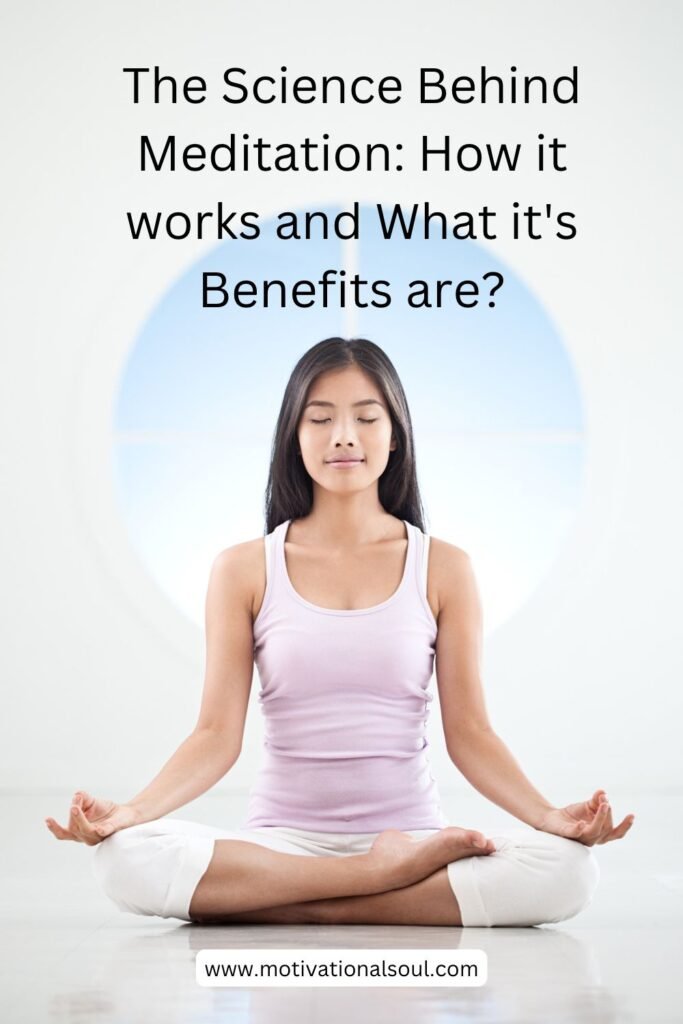
The Science Behind Meditation: How it works and What it’s Benefits are?
The word “meditation” can be misleading because it suggests that the process is passive. In reality, meditation is an active process of watching your thoughts go by without getting caught up in them. It is the process of training your mind to focus on the present moment, instead of being lost in the past or future. Meditation is not about emptying your mind, but rather about observing your thoughts without judgment.
The goal is to learn to become an impartial witness to your thoughts and feelings. With practice, you will develop a greater sense of detachment from your thoughts, and they will have less power over you. As a result, you will be better able to control your emotions and reactions to stress.
Meditation has been shown to have many benefits, including stress relief, increased self-awareness, and reduced anxiety and depression. Some studies show that regular meditation can change parts of the brain associated with stress and emotional regulation. Meditative practices have been around for centuries as a way to find balance within oneself and with one’s surroundings.
Meditation can be done in many different ways, but it usually involves sitting with your back straight and focusing on your breathing. It’s important to find a quiet place to meditate and to keep yourself from being distracted by outside noises. It’s important to meditate for five minutes every morning. It’s important to find a place that is a good distance from distractions and noise.
Let’s explore the basics of meditation:
1. Find a quiet comfortable personal space.
Make sure you will not be interrupted for at least five minutes. Find a quiet comfortable personal space. Make sure you will not be interrupted for at least five minutes. Get into a comfortable position. You could close your eyes or place your hands on your knees. Take three long and deep breaths, in through the nose, out through the mouth. Continue this five times or until you feel calm
2. Sit in a comfortable position.
Sitting in a comfortable position with your spine straight is important for maintaining good posture and preventing pain. When you slouch, your muscles have to work harder to support your body, which can lead to fatigue and muscle soreness.
Additionally, poor posture can put a strain on your spine, leading to back pain. Maintaining a straight spine will help you to avoid these problems and keep your body healthy.
3. Take a few deep breaths and allow your body to relax.
As you take a deep breath in through your nose and let it out slowly through your mouth, try to focus solely on the present moment. This is a powerful technique that can help you to become more mindful, so you can live in the present instead of worrying about the future or regretting the past.
4. Try to clear your mind of all thoughts.
If a thought comes into your head, let it go and focus on your breath again. It is important to be able to calm your thoughts to focus on something. This can be done by trying to clear your mind of all thoughts. If a thought comes into your head, let it go and focus on your breath again. Different methods are used for meditation, but the most common one is mindfulness meditation. It is a form of mental training which helps you become more aware of what is happening in the present moment.
5. Continue breathing deeply and evenly for five minutes.
This is not a breathing exercise, but rather a calming technique. It can be used to reduce stress and anxiety when you are feeling stressed and anxious. The technique is very simple and easy to do. You can do it anywhere, anytime, and without anyone noticing that you are doing it. You just need to take five deep breaths in through your nose and exhale them out through your mouth for five minutes.
After you finish meditating, you can open your eyes and begin your day. You may feel more relaxed and less stressed. If you practice meditation regularly, you may find that it becomes easier to focus and think more clearly. You may also find yourself more patient and better able to handle difficult situations.
Meditation can be useful in reducing anxiety. Let’s explore a few benefits :
1. Meditation supports a healthy lifestyle.
Meditation is a simple, yet powerful, the tool that can help to reduce stress and support a healthy lifestyle. By taking a few minutes each day to focus on your breath and clear your mind, you can help to reduce the number of stress hormones in your body. In addition, meditation has been shown to improve sleep quality, increase relaxation, and boost immune function. All of these benefits can help to promote a healthy lifestyle.
2. Reducing stress through meditation can lead to better sleep.
Meditation is an effective way to reduce stress. When you meditate, you focus your attention and bring your mind to the present moment. This helps to clear your mind of racing thoughts, worries, and concerns. As a result, you’re better able to relax and fall asleep. In addition, meditation can help to improve your concentration. By regularly practising meditation, you train your mind to become more focused and less easily distracted.
As a result, you’re better able to stay on task and accomplish your goals. If you’re looking for a way to reduce stress and improve your sleep and concentration, meditation may be the answer.
3. Meditation supports your immune system.
Meditation has many well-documented benefits for overall health and wellness, including reducing stress levels, improving sleep quality, and promoting positive emotions. Now, new research suggests that meditation may also support the immune system by decreasing the production of cortisol, the “stress hormone.” Cortisol plays an important role in the body’s stress response, but when levels are chronically elevated, it can hurt health.
In addition to promoting inflammation and Weakening the immune system, high levels of cortisol have been linked to a variety of health problems, including anxiety, depression, and heart disease. Therefore, by reducing the production of cortisol, meditation may help to keep the immune system functioning optimally.
4. Meditation can increase feelings of well-being and calmness.
Meditation is a practice that has been used for centuries to promote feelings of well-being and calmness. There are many different ways to meditate, but the basic principle is to focus on the breath and allow thoughts to come and go without getting caught up in them. The key is to find a comfortable position that you can maintain for at least a few minutes. Research has shown that meditation can reduce stress, improve sleep quality, and boost mood.
5. Meditation can help to reduce anxiety.
Everyone experiences anxiety at some point in their lives, but when it becomes chronic, it can hurt our everyday routine. Meditation is an effective way to reduce anxiety and promote feelings of calmness and well-being. Research has shown that meditation can be as effective as medication for treating anxiety.
6. Meditation can improve your focus and concentration.
When you meditate, you train your mind to become more aware of the present moment and less easily distracted. As a result, you’re better able to stay on task and accomplish your goals. Additionally, meditation can help to improve your attention span. In one study, participants who meditated for eight weeks reported a significant increase in their ability to focus and concentrate.
Conclusion
Meditation has a variety of benefits that can improve your mental and physical health. It is a simple and easy way to reduce stress and anxiety. Meditation can be done anywhere, at any time. All you need is a quiet place to sit or lie down. Meditation has been shown to reduce stress, lower blood pressure, improve sleep, and boost self-esteem. It can also increase focus and concentration, and promote creativity and calmness. In addition, meditation can help to connect you with your inner thoughts and feelings, giving you a greater sense of peace and well-being.
If you’re new to meditation, there are many resources available to help you get started. There are also many different types of meditation, so you can find one that fits your needs and preferences. Thanks for reading!
Alcohol can have different effects on people, depending on how much they drink. People who drink large amounts of alcohol may have trouble breathing, or they may pass out and need to be hospitalized. Alcohol can also affect your sleep. If you drink alcohol before going to bed, you may have trouble falling asleep, or you may sleep for only a short time before waking up again. You may also have nightmares or sleepwalk. Alcohol can make it difficult to get a good night’s sleep, which can lead to problems with your health, work, and relationships. If you’re having trouble sleeping, it’s important to talk to your doctor about whether drinking alcohol is contributing to your insomnia. There are many other potential causes of insomnia, and it’s important to get a proper diagnosis so that you can receive the most effective treatment. Alcohol is a widely consumed substance, and it’s important to be aware of its potential side effects on your sleep. If you’re concerned about your alcohol consumption or its effects on your sleep, talk to your doctor.
Here are the 4 side effects of alcohol on your sleep:
1. Alcohol is a stimulant.
Alcohol has long been touted as a way to help us fall asleep faster. And it’s true, alcohol can help us drift off to sleep more quickly. However, new research is showing that alcohol also disrupts important phases of sleep. In a meta-analysis of 20 separate research papers, researchers examined the influence of alcohol on 517 people in 38 different lab experiments. Participants consumed varying amounts of alcohol, from one to two drinks up to four or more beverages, over a few days. Some studies were conducted as a single night experiment while others required several days. Every instance showed the same outcome: those who drank alcohol fell asleep quicker and had a deeper sleep during the earlier part of the night. However, they were more likely to be awoken later on. This disrupts the natural sleep cycle and can lead to feeling groggy and tired the next day. So if you’re looking for a good night’s sleep, it’s best to avoid alcohol before bedtime.
2. Heartburn is one of the most common side effects.
Alcohol is a depressant, and one of the common side effects is heartburn. Heartburn sufferers will emphasize how terrible it is. It’s that burning discomfort combined with stomach tightness that is particularly distressing. Alcohol relaxes the sphincter muscle in the esophagus, blocking food from entering the stomach. This muscle is usually tight and prevents stomach acid from circulating into the esophagus. However, alcohol consumption may induce this barrier to relax, allowing stomach acid to flow naturally into the esophagus. Naturally, this causes stomach acid to enter the airway – giving you that painful burning sensation. To put it another way, alcohol creates an environment in your esophagus and throat that is conducive to heartburn. In addition, alcohol consumption can also lead to poorer sleep quality – exacerbating the problem. If you’re struggling with heartburn, it might be worth reducing your alcohol intake or avoiding it altogether. While it might not be easy, it could make a big difference to your quality of life.
3. It makes us have to go to the bathroom.
Alcohol is a diuretic, which means it causes the body to produce more urine. Alcohol also disrupts the body’s natural process of eliminating liquid from the bladder before bedtime. As a result, people who drink alcohol before going to bed may wake up during the night needing to use the bathroom. Alcohol consumption can also lead to other side effects such as insomnia, anxiety, and dehydration. While drinking alcohol in moderation may not cause major disruptions to sleep, it is important to be aware of the potential risks associated with alcohol consumption. If you are struggling to get a good night’s sleep, it may be best to avoid drinking alcohol in the evening.
Alcohol can also cause other side effects that may interfere with sleep. For example, alcohol can make people feel groggy and tired, and it can also cause headaches. In addition, alcohol can cause people to snore or have difficulty breathing, which can disturb sleep. Although some people find that drinking alcohol helps them fall asleep, it is usually not recommended as a way to improve sleep quality. Alcohol is more likely to disrupt sleep than to help improve it. If you are having trouble sleeping, talk to your doctor about other ways to improve your sleep quality.
4. It works in tandem with other sleep remedies.
For individuals with sleep difficulties (holding up a hand), we frequently turn to some sort of sleeping aid. If this is the case, drinking alcohol while taking an active sleep aid is not a good idea.
Alcohol and sleep have a complex relationship. Alcohol can initially act as a sedative, making it easier to fall asleep. However, alcohol also disrupts sleep patterns, leading to restless nights and poorer-quality sleep. In addition, alcohol consumption can worsen the side effects of some sleeping medications, including drowsiness, dizziness, and impaired coordination. This is because both Alcohol and most sleep medications increase the brain chemical GABA, which helps to relax nerve activity. GABA also reduces blood flow and heart rate. As a result of this, combining alcohol and sleeping medications that limit breathing is not only unpractical, it can be deadly. If you are struggling to sleep, it is best to avoid alcohol altogether. If you must drink, be sure to limit your intake and give yourself time to sober up before taking any medication. Alcohol may help you fall asleep, but it will not give you the restful night’s sleep your body needs.
Alcohol has long been used as a way to help people fall asleep. For some, a glass of wine or a beer before bed can be all it takes to drift off into a deep slumber. However, alcohol is a depressant, and while it may help you fall asleep, it will also cause you to sleep more fitfully and prevent you from reaching the deepest stages of sleep. In addition, alcohol consumption can lead to dehydration, which can further disturb your sleep.
While many of the newer sleep medications are less likely to cause dangerous interactions with alcohol, health experts continue to discourage the use of any type of sleep aid, whether prescribed or over-the-counter. The potential side effects of these medications far outweigh any benefits, and they can also be addictive. If you are struggling to get a good night’s sleep, there are plenty of non-medicinal options that you can try first, such as relaxation techniques or making changes to your sleep environment. only resort to medication as a last resort.
Alcohol is a central nervous system depressant, and it is well-known that drinking can lead to drowsiness. However, alcohol also has several other effects on sleep. It can disrupt the natural sleep cycle, cause insomnia, and increase the risk of sleep disorders such as sleep apnea. Alcohol also interferes with REM sleep, which is the most restful stage of sleep. As a result, people who drink heavily often wake up feeling tired and unrefreshed. Alcohol can also have lasting effects on sleep. Chronic alcohol use leads to increased tolerance, which means that heavy drinkers need to drink more and more alcohol to get the same sleepy effect. This can lead to a dangerous spiral of alcohol dependence and poor sleep quality. If you are struggling with alcohol and its impact on your sleep, please seek professional help. There are many resources available to you, and we urge you to reach out for support. To learn more about how to get a good night’s sleep, please read our other blog posts or contact us for assistance. Thank you for reading!
It may be difficult to stay clean. We engage in a wide range of social activities that include the use of drugs in one form or another. Even if you’re not an addict, living a drug-free lifestyle might appear to be a difficult endeavor. However, once you quit drinking or using drugs, your life will improve in many ways. Whether you’re addicted or simply want to better your health, here are 14 reasons why sobriety is healthier, more satisfying, and more enjoyable than drinking or using illegal substances.
1. You’ll sleep better.
It’s during sleep that your body gets a chance to rest and repair from the day’s activities. Sleep also helps your brain to consolidate memories and process information. Although alcohol and drugs may make you feel drowsy, they actually disrupt your sleep cycle and can cause you to wake up feeling groggy and unwell. So if you’re looking for a way to improve your sleep, staying sober is the best option. You’ll be able to fall asleep more easily and wake up feeling refreshed and energized. So why not give sobriety a try? You might just find that it’s the best decision you ever make.
2. Diet improves.
It’s challenging to make healthy decisions when you’re intoxicated because you’re more likely to indulge in cravings for greasy, sugary, or salty foods. You have increased willpower and make better choices surrounding food when you don’t drink alcohol. intoxication makes it difficult to control impulses and stick to commitments like dieting. When dieting, it is essential to be mindful of what goes into your body. Too often, people forego their diet goals when they drink because they are not thinking about the consequences of their choices. Alcohol lowers inhibitions and can lead to overeating or eating unhealthy foods. It is important to be aware of this so that you can make the best choices for your health when you are drinking. By being mindful of the impact that alcohol has on your diet, you can make better choices that will help you reach your goals.
It is not impossible to drink and still maintain a healthy diet, but it requires being conscious of what you are consuming and making smart choices. For example, opting for seltzer water with a twist of lime instead of sugary cocktails or snacking on carrots and celery instead of fried wings. If you are trying to improve your diet, cutting out alcohol completely may be the best choice for you. even if you don’t want to give up drinking entirely, limiting your intake can still have a positive impact on your diet and overall health. by making smart choices and being mindful of your alcohol consumption, you can still enjoy drinks while sticking to your diet goals.
3. Your weight is more constant.
With just a few alcoholic beverages, it’s simple to consume a lot of empty calories. You’ve got yourself a weight-gain combination when you combine the calories in alcohol with the aforementioned junk food urges. When you’re sober, you’ll probably notice that your weight (and maybe even some pounds) decreases naturally without any extra effort on your part.
4. You prevent alcohol or drug-related illnesses.
People don’t want to believe that they might get a liver disease or any other substance-related sickness. People are diagnosed with these conditions every day, and if you drink or use drugs habitually, there’s a good chance you’ll be one of them. When you’re not drinking, you don’t have to be concerned about suffering from the fatal consequences of your habits. Also, by staying sober, you improve your chances of catching other diseases and illnesses early. You’re more likely to get routine checkups and screenings when you’re not under the influence, and this means that potentially deadly conditions can be found and treated quickly. In short, sobriety helps you to avoid substance-related illnesses and improves your chances of survival if you do become sick.
5. You have more time to yourself.
Addiction takes away your time and energy to feed the habit. You have to spend time getting drugs or alcohol, using them, and then recovering from their effects. With sobriety, you get all of that time back. It’s now yours to do what you love, learn new skills, improve your health through working out, spend more quality time with loved ones–the list goes on!
6. You have more money to spend.
Alcohol and drugs are costly. When you don’t drink, it’s considerably easier to maintain financial health. You’ll save a lot of money in the first place, and you’ll be better prepared to make sound financial choices as a result of having that additional cash. And having extra money on hand opens up a world of new possibilities: you might decide to put away money for a house, go on vacation, or return to school, for example.
7. Your bonds with others will become more unbreakable.
When you’re not under the influence, you have more time and energy to focus on your loved ones. You’ll be less distracted and able to give them the attention they deserve. You’ll likely come to find that your connections with others are far more valuable than any substance abuse could ever be.
8. You will quickly find that you become ill less often.
Alcohol and narcotics are harmful to your immune system. You won’t be as prone to colds and stomach bugs if you don’t put anything negative into your body.
9. Memory improvement is one of the benefits.
It’s rather unsettling to wake up and not remember what happened the night before. Even if you don’t black out when drinking, alcohol, and drugs can still make your memory hazy. When sober, you’ll feel more clearheaded and be able to remember things better.
10. You’ll feel more energetic.
Alcohol and drugs can make you feel terrible if you abuse them daily. If you use alcohol or drugs frequently, they may make you feel awful. You won’t have to worry about nursing any more hangovers or snoozing in the afternoon any longer.
11. You’re more successful.
It’s not difficult to see why individuals accomplish more when they’re sober. It’s simpler to keep attention on tasks, school, and personal projects when you’ve got lots of energy and spare time.
12. You have a better time.
Drinking or using drugs isn’t all as exciting, as it may seem. Consider this: being inebriated might make you feel good for a while, but are you having fun? Being sober allows you to push your limits and have fun in ways that drinking or getting high can’t. You can visit different locations, try new activities, and simply be present in your life – which is always more gratifying than visiting with a drink.
13. You can find constructive ways to cope with problems.
The primary cause of addiction is using drugs or alcohol to temporarily forget your problems. If this describes you, then you’ll be pleased to know that abstaining from substances will allow you to deal with your issues more productively. It may seem like drinking or taking drugs makes your troubles disappear, but as anyone who’s battled addiction knows, this is merely an illusion. When you pledge sobriety, you’re opening the door to finding real solutions for your challenges.
14. You improve your view of yourself.
What do you think about yourself when you’re drinking or using drugs? Do you feel that you and your decisions are respected? Perhaps not, especially if your substance use has gotten out of hand. Getting and keeping sober might alter how you view yourself. You won’t have to worry about being labeled a person with no self-control or someone who makes stupid comments while intoxicated. Staying sober will also boost your self-esteem.
Do it today!
Sobriety doesn’t have to be boring or painful. Being sober can make your life more rewarding than it’s ever been before. Addiction is a difficult thing to overcome, but the decision to get sober will change your life forever. If you’re considering committing to sobriety, do it today -you won’t regret it.
Though it may be difficult to break free from the chains of addiction and live a drug-free life, doing so will undoubtedly lead to a healthier, more satisfying existence. Sobriety has many benefits that are worth striving for. If you’re looking to make a change in your life, we encourage you to read our blog for more tips on how to improve your quality of life. Thank you for reading!
Toxic positivity creates an unsafe environment where we can’t express our authentic selves. This, in turn, leads to more isolation and depression. Instead of telling someone to “just be positive,” we should validate their experience and offer support. To help create a healthier mindset, here are ten phrases you should stop saying:
1. “Everything happens for a reason.”
Toxic positivity is the excessive and unreasonable belief that everything in life is ultimately good, and that any negative experience can be turned into a positive one if you just have the right outlook. Toxic positivity can lead to feelings of inadequacy and guilt, and it can hinder our ability to cope with negative experiences healthily you find yourself constantly saying “everything happens for a reason,” try to be more mindful of the impact your words may have on others. Instead, focus on promoting well-being and mental health in yourself and those around you.
2. “You’re so strong.”
Toxic positivity is the excessive and detrimental focus on happiness and positivity. It’s the idea that we should always look on the bright side, push through pain, and present a happy face to the world – no matter how we’re acting. Toxic positivity is harmful because it invalidates our negative emotions, creates unrealistic expectations, and can lead to further mental health problems such as depression. If you find yourself repeatedly telling someone “you’re so strong” or “things will get better,” consider whether you might be pushing them towards toxic positivity. Instead, try to be supportive without insisting on happiness. Focus on your friend’s well-being, not just their facade of strength. Validating their negative emotions will show that you care about their mental health and that you’re there for them – no matter what they’re going through.
3. “It could be worse.”
Toxic positivity is the unhealthy habit of only ever seeing the good in a situation, no matter how bad it might be. It’s the voice in your head that says “It could be worse” whenever you’re feeling down, and it’s the friend who always tries to make you see the silver lining. While it’s important to stay positive, toxic positivity can be actively harmful to your well-being. Research has shown that it can lead to feelings of depression and anxiety, and it can prevent people from seeking help for their mental health. Toxic positivity is often used as a way to ignore or deny negative emotions, but doing so can act those emotions worse. If you’re struggling, it’s important to reach out for help. Don’t let toxic positivity prevent you from getting the support you need.
4. “Just let it go.”
Just letting it go is not always as simple as it sounds. For some people, holding onto their pain is a way of processing what happened and coming to terms with it. In other cases, people may feel like they need to hold onto their pain in protecting themselves from getting hurt again. Toxic positivity – the idea that it’s always best to focus on the positive and ignore the negative – can make people feel like they’re not allowed to grieve or experience negative emotions. However, this can be damaging to one’s well-being and mental health. Depression, for example, is often characterized by negative thoughts and emotions, and trying to push those away can make the condition worse. So next time someone tells you to just let it go, try to be understanding and respectful of their situation.
5. “It’s not a big deal.”
Toxic positivity is the belief that it’s always best to look on the bright side and ignore difficult emotions. While it’s important to focus on the positive things in life, toxic positivity can harm than good. When we push aside our negative emotions, we’re not giving ourselves the chance to process them and work through them. This can lead to bigger problems down the road, such as depression, anxiety, and other mental health issues. Toxic positivity can also make it difficult for us to connect with others. When we’re always putting on a happy face, we’re not being authentic. We may come across as superficial or fake, and people will be less likely to open up to us. If you find yourself using phrases like “it’s not a big deal” or “just let it go,” try to stop and consider how your words might be affecting the other person. Toxic positivity may seem harmless, but it can act a very negative impact on our well-being.
6. “Don’t worry, it’ll all work out in the end.”
Toxic positivity is the harmful and dismissive attitude of “everything will be alright” or “don’t worry”. It is often used in response to someone else’s difficulties or pain as a way to avoid processing those feelings. Toxic positivity can be particularly harmful to people who are struggling with mental health issues like depression or anxiety. For these individuals, hearing “just don’t worry” can invalidate their experiences and make them feel like their struggles are not worth addressing. Toxic positivity is rooted in the belief that negative emotions are bad and should be avoided at all costs. However, this isn’t healthy or helpful. So next time you’re tempted to tell someone “it’ll all work out in the end”, stop and think about whether your words are truly supportive or if they might do more harm than good.
7. “You’re so lucky!”
Toxic positivity is the belief that you should always remain positive and focus on the good, even in tough times. It’s often used as a form of emotional labor, where one person tries to keep another person’s spirits up, often at their own expense. Toxic positivity can be harmful because it invalidates someone’s struggles and emotions. It can also lead to burnout and fatigue, as well as worsening mental health conditions like anxiety and depression. If you find yourself regularly using phrases like “you’re so lucky!” or “just be grateful!”, it might be time to reconsider your approach. Focusing on the positive is important, but it’s also necessary to acknowledge the negative to maintain a healthy balance. Well-being is about more than just happiness, and negative experiences are a normal part of life. instead of brushing them off, try to show empathy and understanding. This will create a much more supportive environment for everyone involved.
8. “Just think positive thoughts.”
Toxic positivity is the belief that no matter how bad a situation is, it can always be fixed by thinking happy thoughts. This phrase is often used in an attempt to comfort someone who is going through a difficult time, but it can have the opposite effect. When someone is experiencing negative emotions, telling them to “just think positive thoughts” suggests that their feelings are entirely within their control and that they are to blame for feeling bad. This can be very damaging to a person’s mental health, as it can make them feel like they are not allowed to express their true emotions. Toxic positivity can also lead to the belief that anyone who is not happy all the time must be weak or flawed in some way. This is not only untrue, but it can also contribute to feelings of depression and inadequacy. If you want to support someone who is going through a tough time, try to avoid using phrases like “just think positive thoughts.” Instead, focus on being understanding and empathetic. Allow them to express their feelings without judgment or criticism.
9. “I’m sure it’ll all work out.”
Toxic positivity is the excessive and damaging overgeneralization of positive emotion. Toxic positivity among communities has become more normalized due in part to social media. This phenomenon can be extremely harmful to individuals, as it minimizes and invalidates the negative experiences and emotions that are a vital part of life. Toxic positivity can lead to further isolation, disconnection, and mental health struggles, such as anxiety and depression. It is important to be mindful of the impact your words may have on others. If you find yourself repeatedly using phrases that dismiss another person’s feelings or give them false hope, take a step back and reassess your language. Toxic positivity is not helpful or supportive, it is harmful. Choose your words carefully and be considerate of the impact they may have on someone’s well-being.
10. “Snap out of it!”
Toxic positivity is the unrealistic idea that we should always be positive and happy and that any negative emotions are bad and should be suppressed. This phenomenon has become increasingly common in recent years, as more people turn to social media for support and advice. While it’s important to recognize the power of positivity, constantly pushing away negative emotions can lead to worse mental health outcomes. A study published in The Journal of Positive Psychology found that people who habitually suppress their emotions are more likely to experience depression and anxiety. The study’s lead author, Dr. Tamlin Conner, said that “there is a growing body of evidence indicating that denying or ignoring our negative emotional reactions can be detrimental to our well-being.” So next time you’re feeling down, instead of telling yourself to “snap out of it,” try to accept your emotions and give yourself the time and space to process them. Only then can you start on the path to recovery.
Toxic positivity is an overwhelming and unrealistic expectation to maintain positive emotions despite difficult or negative life circumstances. The belief that one must suppress any unpleasant thoughts or feelings creates an unhealthy environment that can lead to more anxiety and depression. studies have shown that people who bottle up their emotions are more likely to experience poorer mental health. Toxic positivity can also prevent people from seeking professional help or support from loved ones, leading to further isolation. To nurture healthy optimism and emotional well-being, we need to stop saying things that reinforce the idea that it’s not okay to feel anything other than happiness. Only by normalizing all emotions can we create a safe and supportive environment for everyone.
Offer support
While it’s important to be positive, we also need to be careful not to dismiss the negative emotions that are such an important part of our lives. Toxic positivity can be a major threat to our emotional well-being, and when we try to sweep them under the rug, it creates an environment where it’s not safe to express our authentic selves. This can lead to increased isolation, depression, and anxiety. Instead of telling someone to “just be positive,” we should validate their experience and offer support. If you or someone you know is struggling with toxic positivity, please read our blog for more help! Thank you for your time.