Category: Articles

  • 6 Reasons Why You Are Wealthier Than You Believe

    6 Reasons Why You Are Wealthier Than You Believe

    It’s all about self-love. We often think that having more money will make us happier overall, but research suggests otherwise. Studies have shown that once people earn an annual salary of $75,000, making more money does not affect happiness levels. Instead, it’s our relationships, self-perception, and appreciation for the small details in life that truly make us wealthy. And while money can’t buy happiness, it can certainly help to improve our quality of life – which is why it’s important to use our financial resources wisely.

    Here are six reasons why you may be wealthier than you believe:

    1. Your family is always there for you, no matter what.

    Our family will always be there for us, no matter what life throws at us. They support us during tough times and celebrate with us during the good times. Family is the foundation of our lives – they are the ones who we can always count on, no matter what.

    While we all know that family is important, sometimes we can take them for granted. We get wrapped up in our own lives and forget to show our loved ones how much we appreciate them. But taking the time to show your family how much you care will make a world of difference in your relationship with them. Small gestures like cooking a meal, giving a heartfelt compliment, or just spending quality time together can go a long way in making your family feel loved and appreciated.

    When you take the time to nurture your relationships with your family, you are also investing in your happiness. Studies have shown that people who have strong familial bonds are happier and more successful than those who don’t. So not only will showing your family some love make them happy, but it will also make you happy!

    There’s no denying that family is important. So next time you’re feeling stressed or down, remember that your family is always there for you – no matter what.

    2. There are a few people in your life that you can always count on.

    Friends are difficult to come by. They’re the ones who are there for us during both the good and bad times. They’re the ones we can trust, whether it’s good or bad news. They’re also the ones who make life worth living, even if we don’t always realize it. Friendships provide us with an essential support system, one that is often even stronger than family. They also create wonderful memories that we could never experience alone. So while you may not have a large group of pals, the ones you do have are worth their weight in gold. Cherish them and take care of them, because they truly are a precious commodity.

    3. You have enough food to maintain a healthy lifestyle.

    Food is one of the necessities of life, and it’s something that most of us take for granted. We live in a fast-paced society where we often grab food on the go and don’t take the time to appreciate all that it does for us. Food is more than just sustenance; it’s fuel for our bodies and minds. When we eat healthy food, we are giving our bodies the nutrients they need to function properly. We are also promoting our overall health and well-being.

    We’re probably eating less processed foods and more fruits and vegetables to be healthier, but are we just trading one problem for another? We may not realize it, but all of the colors on our plates come from food. The red you see on your plate is from tomatoes; the green, yellow, orange, and white come directly from peppers or other veggies. Aside from that, a diet rich in fruits and vegetables has been linked to numerous health benefits such as increased longevity. A recent Japanese study revealed that consuming at least three servings per day can lower your risk of bypass surgery by up to 40 percent! And while being healthy might cost more money upfront, it’s important to remember that investing in one’s health is one of the finest things a person can do for themselves. When we are happy and healthy, we can live our best lives and be productive members of society. So next time you’ve reached for that bag of chips instead of a piece of fruit, remember that you’re worth the extra effort it takes to eat healthily. In the long term, your body will be grateful to you!

    4. You have a place to call home.

    A home is a place of self-care and comfort. At the end of a long day, it’s so nice to be able to crawl into a comfy bed and relax in your own space. We often take comfort for granted, not realizing that it’s a privilege. There are people all over the world who don’t have a safe, warm place to sleep at night. For them, a roof over their head is a luxury. And while money can’t buy happiness, having a comfortable home can certainly help reduce stress levels and promote better sleep. So next time you’re feeling grateful for your cozy home, remember that it’s not just a roof over your head – it’s a key part of your self-care routine.

    5. You’re developing a good relationship with yourself.

    Self-love and care are some of the most rewarding things you can do for yourself. By focusing on your positive attributes, you realize that you are wealthier than you think. The way you see yourself affects every other aspect of your life, including relationships, job prospects, and more. If you can learn to love and care for yourself, it will be the most rewarding thing you can do for yourself.

    6. Be grateful for what you have.

    Gratitude is a strong feeling that has the potential to transform our lives. We usually feel dissatisfied and unfulfilled when we concentrate on what we don’t have. When we redirect our attention to all that we have to be grateful for, however, our whole perspective on life may shift. When we focus on the positive aspects of our lives, we open ourselves up to experiencing even more abundance. Gratitude allows us to appreciate what is good in our lives, and when we are grateful for our well-being, relationships, and possessions, we attract more of the same into our lives. So if you want to experience prosperity and wealth, start by practicing gratitude. Appreciate all that is good in your life today, and watch as your abundance grows rapidly.

    Mindful spending!

    Being mindful of our spending is essential, but it’s also key that we cherish what we already have. After all, joy doesn’t come from the materialistic items we own, but rather from who are as individuals and how well we connect with those around us. If you’re looking for ways to improve your quality of life without breaking the bank, check out our blog for more helpful tips. Thanks for reading!


    The older I get
  • 10 Techniques for Recharging Your Creative Energy

    10 Techniques for Recharging Your Creative Energy

    Creativity is a difficult thing to explain. It’s often described as “thinking outside the box,” but what does that mean, exactly? And why is it that some people seem to be more creative than others? Creativity is often thought of as a talent that only a select few possess, but the truth is that everyone is capable of being creative. The problem is that creativity doesn’t always come easy. Just like anything else, it takes practice and a willingness to step outside your comfort zone.

    One of the most frustrating things about creativity is that it often seems to come in fits and starts. You might have a great idea one day, but the next day you can’t seem to come up with anything at all. This phenomenon is known as “creative block,” and it’s something that all creators experience from time to time. The good news is that there are plenty of ways to overcome creative block. Some people find that isolating themselves from others helps them to focus on their own ideas. Others find that drinking alcohol or taking naps helps them to relax and let their creativity flow. And still, others find that simply daydreaming more often gives them the space they need to come up with new and innovative ideas.

    There is no one way to get rid of creative blocks. Some people may respond well to one thing, while others may not. The best method is to try different techniques until you find the one that works best for you. Creativity requires continual practice to stay sharp. So don’t give up if you get stuck next time–try something new and see what happens! You might be surprised at your own potential.

    Here are ten methods for how to recharge your batteries as a creative person:

    1. Turn the television off

    Although it may be a source of comfort and relaxation, watching television can actually have a negative impact on our ability to think creatively. A study conducted by the University of Texas found that adults who watched television for more than three hours per day were less likely to engage in what the researchers called “divergent thinking” – an important component of creativity.

    Furthermore, the study found that those who watched television were also more likely to think in a linear, systematic fashion, rather than thinking outside the box. While there are certainly some benefits to watching television, it is important to be mindful of the potential downside. If you are looking to jump-start your creative thinking, it may be best to turn off the TV and find another activity that better suits your needs.

    2. Write by hand to improve your creativity and productivity.

    In today’s digital age, it’s easy to do everything from our computers or phones – even something as simple as writing. However, research shows that when we take the time to write something down with a pen and paper, it creates a sense of importance and solidity that typing on a keyboard doesn’t provide. Additionally, handwriting has been shown to improve brainpower.

    Virginia Berninger, a professor of educational psychology at the University of Washington, explains that writing by hand jumpstarts the part of the brain responsible for thinking and working memory – both essential functions for creative thought. So next time you need to jot something down, consider reaching for a pen and paper instead of your computer. You just might be surprised at how much better it makes you feel – and how much smarter it makes you look.

    3. Take a break and laugh by watching something humorous.

    According to a recent study, laughter may be the best medicine when it comes to improving creativity. The study found that people who watch something short and funny are more likely to come up with creative solutions to problems than those who don’t. So if you’re feeling stuck creatively, try watching a funny TV show or movie. It may just help boost your mood and enable you to think more clearly. While anxiety may help with focus, humor is what will get those creative juices flowing again.

    4. Cleanse your body.

    A hot shower is one of the most relaxing activities possible. Almost everyone with creative ability will tell you that they perform best when their mind and body are unclenched. A shower, on the other hand, is a fairly mindless activity that allows your mind to wander into creative territory. In fact, some of the most famous ideas and breakthroughs have come to people in the shower. The combination of hot water and solitude seems to be a recipe for creativity. So if you’re ever feeling stuck, try taking a shower. You just might find that the solution to your problem is waiting for you under the stream of hot water.

    5. Take a rest.

    The ability to sleep is perhaps the most essential creative hack of them all. Sleep is when the brain essentially reorganizes and retools for what lies ahead; this process is known as consolidation, and it activates the brain’s neural networks responsible for new connections and association formation.

    We often hear that sleep is important for the creative process, but it becomes even more valuable when we’re close to finding an answer to a problem. By waiting a day and allowing the brain’s automatic consolidation process to work, we increase the chances of these answers coming to us. The key is to not force things; if we can let go of our need for immediate answers and trust that the process will work, we’ll be surprised at how often those solutions come to us in our sleep.

    6. Get some fresh air.

    Although it might seem counterintuitive, being outdoors can actually help to increase your energy levels. According to research, exposure to natural light helps to regulate the body’s sleep-wake cycle, which can improve alertness and focus. In addition, being in nature has been shown to reduce stress levels and promote feelings of well-being. So if you’re feeling tired, take a break from work or school and go for a walk outside. You might just find that a little fresh air is all you need to re-energize yourself.

    7. Relax and take a break by listening to your favorite tunes.

    It’s no secret that music can be a powerful source of inspiration, but did you know that it can also help to boost creativity? Numerous studies have shown that listening to music can increase cognitive flexibility, improve problem-solving ability, and promote divergent thinking – all of which are essential for creative thinking.

    And while any type of music can provide these benefits, some genres are more effective than others. For instance, classical music has been shown to be particularly helpful in promoting creativity and abstraction. So if you’re feeling stuck, try putting on your favorite classical album and see where the music takes you. Alternatively, jazz has been shown to encourage risk-taking and non-linear thinking – two more key ingredients for creativity. So if you’re looking to push your boundaries and come up with some truly original ideas, give jazz a try. Whatever genre you choose, there’s no doubt that listening to music can help to spark your creative side.

    8. Take a digital detox.

    In today’s digitized world, it’s easy to feel like we’re always connected to our devices and the online world. While there are many benefits to this constant connectivity, it can also be taxing on our minds and bodies. If you’re feeling burnt out from looking at screens all day, it might be time to take a digital detox. disconnecting from your devices and the internet can help you to relax and recharge. Spend some time offline doing something that you enjoy, such as reading, spending time in nature, or taking up a new hobby. You may find that you feel more refreshed and energized after some time away from screens. So next time you’re feeling overwhelmed by the digital world, consider taking a break and disconnecting for a while.

    9. Doodle or doodle-planning.

    Brainstorming new ideas and planning upcoming projects are two of the many things that artsy people love to do with their time. Putting pen to paper is an activity that allows them to tap into their creative side and explore the possibilities for new art projects. It also helps them to organize their thoughts and develop a plan of action for completing those projects. Brainstorming sessions can be done alone or with a group, and they often result in a number of different ideas that can be pursued. Once an idea has been selected, artsy folks will typically spend some time planning out the steps they need to take to bring it to fruition. This may include sketching out a design, gathering supplies, or researching techniques. No matter what the project entails, taking the time to brainstorm and plan is essential for ensuring its success.

    10. Connect with like-minded individuals

    One of the best ways to find mental and emotional rejuvenation is to socialize with people who share your interests. When you spend time talking with others who understand your passions, you can both commiserate about problems and celebrate successes. In addition, you can bounce ideas off one another, which can help generate new perspectives. When you invest time in these types of relationships, you not only recharge your batteries, but you also gain invaluable insight and support. So the next time you’re feeling run down, consider reaching out to a friend or colleague with similar interests. Chances are, they’ll be more than happy to chat.

    Trying new things!

    Ultimately, there is no go-to answer for a creative block that will work for everyone. What one person may find helpful could be entirely different from what works for someone else. The key is to try different things and see what sticks with you. Creativity ebbs and flows like anything else; if you want to maintain your artistic abilities, it’s important to use them regularly. Experimentation is the key to success, so don’t give up the next time you feel stuck. Just try something new and see what happens. You never know what you might be capable of until you try. And if all else fails, there are plenty of ways to jumpstart your creativity again. We hope these tips have helped inspire you! Check back on our blog for more great tips in the future. Thanks for reading!

  • How to Create a Bucket List That Will Change Your Life

    How to Create a Bucket List That Will Change Your Life

    Do you have a bucket list? If not, you should start thinking about creating one – and not just any bucket list, but one that will change your life. Many people create bucket lists that are simply a collection of things they want to do before they die. While there’s nothing wrong with that, it’s not the most effective way to use this tool. A bucket list should be something that helps you focus on what you want out of life and how you can get there. In this blog post, we will discuss how to create a bucket list that will change your life for the better!

    What is a Bucket List?

    Everyone has a dream of something they want to do before they die, whether it’s travel the world, visit all 50 states, or take on a bucket list of adventures. A bucket list is simply a list of things that are important to you and that you would like to experience in your lifetime. 

    There isn’t one right way to create your bucket list. What matters most is that it reflects your interests and personality. Some people might start their bucket list with big goals like climbing Mount Everest or becoming a millionaire, while others might focus on smaller experiences like visiting every state in the US or learning how to salsa dance. The key is to make sure your bucket list includes things that interest you and will challenge you. 

    Creating a bucket list can be an incredibly personal process. It can be fun to share your ideas with friends and family members for feedback, and hearing their reactions can help inspire you to add more items to your list. Once you have created your bucket list, make sure you keep it handy so you can refer back to it whenever inspiration strikes!

    The importance of having a bucket list

    Everyone has a bucket list, no matter how small or large it may be. A bucket list is simply a list of things you want to do before you die. The purpose of having one is to give yourself something to aim for and to motivate you when times get tough.

    A bucket list should be specific, measurable, attainable, relevant, and time-bound. Your goals must be realistic and achievable – if they’re not, you’ll end up discouraged and give up.

    Make sure your bucket list includes activities that interest you specifically – don’t try to include things because everyone else does. This can lead to frustration if something on your list proves too challenging or impossible to achieve.

    Another key element of having a successful bucket list is planning. Make sure you have some sort of timeline for completing each item on your list; this will help keep everything organized and motivated. And finally, remember to enjoy yourself while doing the things on your list! If everything feels like work instead of fun, it will be much harder to reach your goals.

    Some tips for creating a life-changing bucket list:

    1. Start by writing down what you want to do before you die.

    Before you can create a bucket list that will change your life, you need to know what you want out of it. Start by writing down everything you hope to do before you die. This way, you can use your list as motivation to live a more meaningful and fulfilling life.

    2. Make sure your bucket list includes things that interest you.

    If all you want to do is travel, make sure your bucket list also includes things like visiting new cities or learning about different cultures. Creating a bucket list can be a great way to work toward your life goals, and it can be fun too! If all you want to do is travel, make sure your bucket list also includes things like visiting new cities or learning about different cultures. You might also want to add things like hiking trails or historical sites to your list. Once you’ve got a good idea of what you’d like to do on your bucket list, start figuring out how to make it happen. Start by writing down what you want to accomplish, and then break it down into smaller goals. Once you’ve identified the steps involved in achieving each goal, start planning and making calls to friends and family members to get their help. Finally, take the time to enjoy your accomplishments along the way!

    3. Be realistic about your capabilities.

    There’s no one right way to create a life-changing bucket list, but there are some tips that can help you get started. First, be realistic about your capabilities and don’t try to do too much at once. A good rule of thumb is to start with smaller goals and work your way up. Second, think about what you want to achieve. Make sure your bucket list includes things that are important to you, and that is visionary enough to inspire you. Third, make a plan and track your progress. Set milestones and celebrate when you reach them, even if they’re small. This will keep you focused and motivated. Finally, don’t be afraid to ask for help. There are plenty of resources out there to help you create your bucket list, and sharing it with others can help boost your motivation.

    4. Take time every day to think about what you would like to add to your bucket list.

    If you want to create a bucket list that will truly change your life, start by taking the time every day to think about what’s important to you. Reflect on your values and priorities and make a list of things you want to experience or achieve before you die. Once you have a good idea of what’s important, start filling in the details. Consider things like travelling to new places, learning new skills, and spending time with loved ones. Persevere when things get tough, and remember that your bucket list is just a starting point. The more often you reflect on it, the easier it will be to find things on which to focus.

    Some bucket lists to inspire you:

    Drafting a bucket list is not about duplicating someone else’s; it’s about taking the time to figure out your aspirations and organizing them into one comprehensive document.

    It can be really helpful to break down your bucket list into smaller goals so that you can start working on them one at a time. Here are some ideas to get you started:

    1. Take a trip somewhere new

    Visiting new places is always an exciting adventure. Not only do you get to explore unfamiliar territory, but you also have the opportunity to learn about new cultures and customs. When planning a trip to a new destination, it’s important to do your research ahead of time to ensure that you have an enjoyable and safe experience.

    2. Learn a new skill or language

    Learning a new skill or language can be a daunting task, but the rewards can be well worth the effort. Not only can it open up new opportunities and help you to communicate with a wider range of people, but it can also boost your self-confidence and give you a sense of accomplishment. The best way to learn a new skill or language is to find a method that works for you.

    WHEN LOVE AND SKILL

    3. Volunteer for a cause you care about

    When searching for a volunteer opportunity, it is important to find an organization that aligns with your interests and values. This will help ensure that you are actively engaged in the work and that your time is spent in a way that is meaningful to you. There are many ways to get involved, so take some time to research opportunities in your community. Once you have found a cause that resonates with you, reach out to the organization and express your interest in volunteering. Be sure to include information about your skills and availability, as this will help the organization determine how best to utilize your talents. Volunteering is a great way to give back to the community and make a difference in the world, so don’t hesitate to get started today!

    4. Get certified in something you’re interested in

    There are many benefits to getting certified in something you’re interested in. First, it can help you to get a job in your field of interest. Many employers require certification for certain positions and having the required certification can give you a leg up on the competition. Second, certification can help you to improve your skills and knowledge in your chosen field. By completing a certification program, you will have the opportunity to learn from experienced professionals and deepen your understanding of the subject matter. Third, certification can give you a sense of accomplishment and pride. After putting in the hard work to earn your certification, you will be able to look back with satisfaction on your achievement. In sum, getting certified in something you’re interested in is an excellent way to boost your career prospects and develop new expertise.

    5. Go skydiving or bungee jumping

    Skydiving and bungee jumping are both popular extreme sports that offer a unique thrill. Both activities involve jumping from a great height, but they differ in terms of the equipment used and the level of risk involved. Skydiving requires the use of a parachute, and jumpers typically jump from an aeroplane or helicopter. Bungee jumping, on the other hand, does not require the use of a parachute. Jumpers typically jump from bridges or tall buildings, and their fall is stopped by a large elastic cord. While skydiving is generally considered to be more dangerous than bungee jumping, both activities carry a certain amount of risk. Before choosing to do either activity, it is important to consult with an experienced instructor and make sure that you are physically fit enough to handle the jump.

    Conclusion

    There’s something about the idea of having a bucket list that just makes our hearts race. It conjures up images of us hiking the Appalachian Trail, bungee jumping off Victoria Falls or skydiving out of an aeroplane — all things that we never thought we could do but now find ourselves longing to experience. Whether you are new to the idea of a bucket list or have been keeping one for years, there is no doubt that everyone should have one. A bucket list not only inspires us to take on new challenges but also serves as a reminder to appreciate all the amazing experiences life has to offer. So make sure you hit the books and start filling in those gaps on your bucket list today! Thanks for reading.

  • Meditation Guidance

    Meditation Guidance

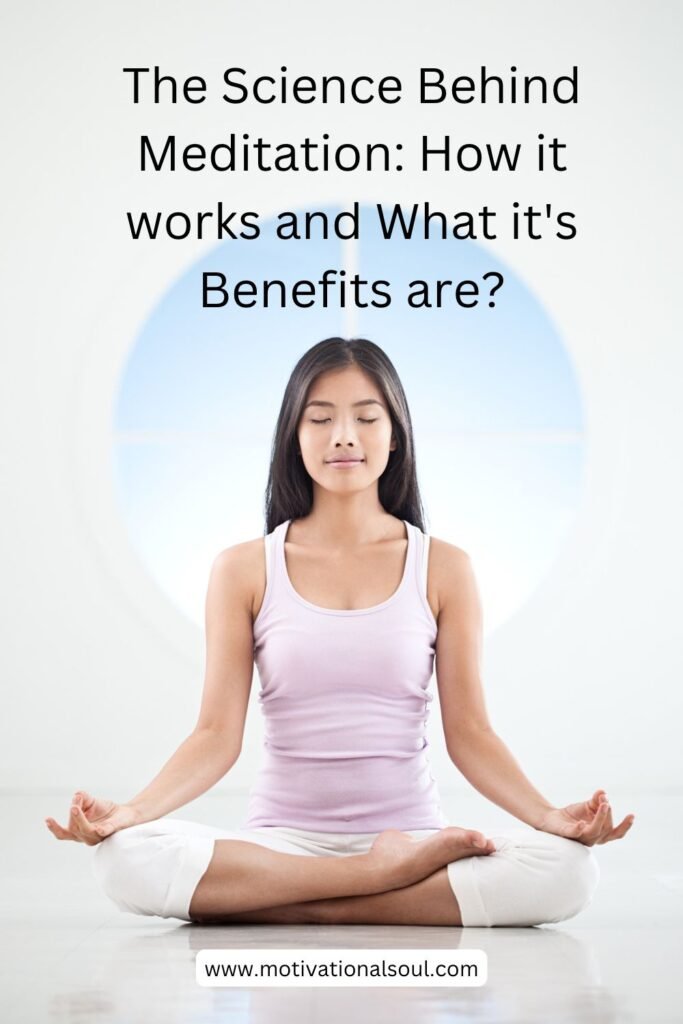
    The Science Behind Meditation: How it works and What it’s Benefits are?

    The word “meditation” can be misleading because it suggests that the process is passive. In reality, meditation is an active process of watching your thoughts go by without getting caught up in them. It is the process of training your mind to focus on the present moment, instead of being lost in the past or future. Meditation is not about emptying your mind, but rather about observing your thoughts without judgment.

    The goal is to learn to become an impartial witness to your thoughts and feelings. With practice, you will develop a greater sense of detachment from your thoughts, and they will have less power over you. As a result, you will be better able to control your emotions and reactions to stress.

    Meditation has been shown to have many benefits, including stress relief, increased self-awareness, and reduced anxiety and depression. Some studies show that regular meditation can change parts of the brain associated with stress and emotional regulation. Meditative practices have been around for centuries as a way to find balance within oneself and with one’s surroundings.

    Meditation can be done in many different ways, but it usually involves sitting with your back straight and focusing on your breathing. It’s important to find a quiet place to meditate and to keep yourself from being distracted by outside noises. It’s important to meditate for five minutes every morning. It’s important to find a place that is a good distance from distractions and noise.

    Let’s explore the basics of meditation:

    1. Find a quiet comfortable personal space.

    Make sure you will not be interrupted for at least five minutes. Find a quiet comfortable personal space. Make sure you will not be interrupted for at least five minutes. Get into a comfortable position. You could close your eyes or place your hands on your knees. Take three long and deep breaths, in through the nose, out through the mouth. Continue this five times or until you feel calm

    Quiet

    2. Sit in a comfortable position.

    Sitting in a comfortable position with your spine straight is important for maintaining good posture and preventing pain. When you slouch, your muscles have to work harder to support your body, which can lead to fatigue and muscle soreness.

    Additionally, poor posture can put a strain on your spine, leading to back pain. Maintaining a straight spine will help you to avoid these problems and keep your body healthy.

    3. Take a few deep breaths and allow your body to relax.

    As you take a deep breath in through your nose and let it out slowly through your mouth, try to focus solely on the present moment. This is a powerful technique that can help you to become more mindful, so you can live in the present instead of worrying about the future or regretting the past.

    4. Try to clear your mind of all thoughts.

    If a thought comes into your head, let it go and focus on your breath again. It is important to be able to calm your thoughts to focus on something. This can be done by trying to clear your mind of all thoughts. If a thought comes into your head, let it go and focus on your breath again. Different methods are used for meditation, but the most common one is mindfulness meditation. It is a form of mental training which helps you become more aware of what is happening in the present moment.

    Train your mind to see good in every situation.

    5. Continue breathing deeply and evenly for five minutes.

    This is not a breathing exercise, but rather a calming technique. It can be used to reduce stress and anxiety when you are feeling stressed and anxious. The technique is very simple and easy to do. You can do it anywhere, anytime, and without anyone noticing that you are doing it. You just need to take five deep breaths in through your nose and exhale them out through your mouth for five minutes.

    After you finish meditating, you can open your eyes and begin your day. You may feel more relaxed and less stressed. If you practice meditation regularly, you may find that it becomes easier to focus and think more clearly. You may also find yourself more patient and better able to handle difficult situations.

    Meditation can be useful in reducing anxiety. Let’s explore a few benefits :

    1. Meditation supports a healthy lifestyle.

    Meditation is a simple, yet powerful, the tool that can help to reduce stress and support a healthy lifestyle. By taking a few minutes each day to focus on your breath and clear your mind, you can help to reduce the number of stress hormones in your body. In addition, meditation has been shown to improve sleep quality, increase relaxation, and boost immune function. All of these benefits can help to promote a healthy lifestyle.

    2. Reducing stress through meditation can lead to better sleep.

    Meditation is an effective way to reduce stress. When you meditate, you focus your attention and bring your mind to the present moment. This helps to clear your mind of racing thoughts, worries, and concerns. As a result, you’re better able to relax and fall asleep. In addition, meditation can help to improve your concentration. By regularly practising meditation, you train your mind to become more focused and less easily distracted.

    As a result, you’re better able to stay on task and accomplish your goals. If you’re looking for a way to reduce stress and improve your sleep and concentration, meditation may be the answer.

    3. Meditation supports your immune system.

    Meditation has many well-documented benefits for overall health and wellness, including reducing stress levels, improving sleep quality, and promoting positive emotions. Now, new research suggests that meditation may also support the immune system by decreasing the production of cortisol, the “stress hormone.” Cortisol plays an important role in the body’s stress response, but when levels are chronically elevated, it can hurt health.

    In addition to promoting inflammation and Weakening the immune system, high levels of cortisol have been linked to a variety of health problems, including anxiety, depression, and heart disease. Therefore, by reducing the production of cortisol, meditation may help to keep the immune system functioning optimally.

    4. Meditation can increase feelings of well-being and calmness.

    Meditation is a practice that has been used for centuries to promote feelings of well-being and calmness. There are many different ways to meditate, but the basic principle is to focus on the breath and allow thoughts to come and go without getting caught up in them. The key is to find a comfortable position that you can maintain for at least a few minutes. Research has shown that meditation can reduce stress, improve sleep quality, and boost mood.

    5. Meditation can help to reduce anxiety.

    Everyone experiences anxiety at some point in their lives, but when it becomes chronic, it can hurt our everyday routine. Meditation is an effective way to reduce anxiety and promote feelings of calmness and well-being. Research has shown that meditation can be as effective as medication for treating anxiety.

    6. Meditation can improve your focus and concentration.

    When you meditate, you train your mind to become more aware of the present moment and less easily distracted. As a result, you’re better able to stay on task and accomplish your goals. Additionally, meditation can help to improve your attention span. In one study, participants who meditated for eight weeks reported a significant increase in their ability to focus and concentrate.

    Conclusion

    Meditation has a variety of benefits that can improve your mental and physical health. It is a simple and easy way to reduce stress and anxiety. Meditation can be done anywhere, at any time. All you need is a quiet place to sit or lie down. Meditation has been shown to reduce stress, lower blood pressure, improve sleep, and boost self-esteem. It can also increase focus and concentration, and promote creativity and calmness. In addition, meditation can help to connect you with your inner thoughts and feelings, giving you a greater sense of peace and well-being.

    If you’re new to meditation, there are many resources available to help you get started. There are also many different types of meditation, so you can find one that fits your needs and preferences. Thanks for reading!

    Meditation... because some questions can't be answered by Google.

    Life’s Lessons From Ram Dass That Will Change Your Life

  • What Are the Side Effects of Alcohol on Your Sleep?

    What Are the Side Effects of Alcohol on Your Sleep?

    Alcohol can have different effects on people, depending on how much they drink. People who drink large amounts of alcohol may have trouble breathing, or they may pass out and need to be hospitalized. Alcohol can also affect your sleep. If you drink alcohol before going to bed, you may have trouble falling asleep, or you may sleep for only a short time before waking up again. You may also have nightmares or sleepwalk. Alcohol can make it difficult to get a good night’s sleep, which can lead to problems with your health, work, and relationships. If you’re having trouble sleeping, it’s important to talk to your doctor about whether drinking alcohol is contributing to your insomnia. There are many other potential causes of insomnia, and it’s important to get a proper diagnosis so that you can receive the most effective treatment. Alcohol is a widely consumed substance, and it’s important to be aware of its potential side effects on your sleep. If you’re concerned about your alcohol consumption or its effects on your sleep, talk to your doctor.

    Here are the 4 side effects of alcohol on your sleep:

    1. Alcohol is a stimulant.

    Alcohol has long been touted as a way to help us fall asleep faster. And it’s true, alcohol can help us drift off to sleep more quickly. However, new research is showing that alcohol also disrupts important phases of sleep. In a meta-analysis of 20 separate research papers, researchers examined the influence of alcohol on 517 people in 38 different lab experiments. Participants consumed varying amounts of alcohol, from one to two drinks up to four or more beverages, over a few days. Some studies were conducted as a single night experiment while others required several days. Every instance showed the same outcome: those who drank alcohol fell asleep quicker and had a deeper sleep during the earlier part of the night. However, they were more likely to be awoken later on. This disrupts the natural sleep cycle and can lead to feeling groggy and tired the next day. So if you’re looking for a good night’s sleep, it’s best to avoid alcohol before bedtime.

    2. Heartburn is one of the most common side effects.

    Alcohol is a depressant, and one of the common side effects is heartburn. Heartburn sufferers will emphasize how terrible it is. It’s that burning discomfort combined with stomach tightness that is particularly distressing. Alcohol relaxes the sphincter muscle in the esophagus, blocking food from entering the stomach. This muscle is usually tight and prevents stomach acid from circulating into the esophagus. However, alcohol consumption may induce this barrier to relax, allowing stomach acid to flow naturally into the esophagus. Naturally, this causes stomach acid to enter the airway – giving you that painful burning sensation. To put it another way, alcohol creates an environment in your esophagus and throat that is conducive to heartburn. In addition, alcohol consumption can also lead to poorer sleep quality – exacerbating the problem. If you’re struggling with heartburn, it might be worth reducing your alcohol intake or avoiding it altogether. While it might not be easy, it could make a big difference to your quality of life.

    3. It makes us have to go to the bathroom.

    Alcohol is a diuretic, which means it causes the body to produce more urine. Alcohol also disrupts the body’s natural process of eliminating liquid from the bladder before bedtime. As a result, people who drink alcohol before going to bed may wake up during the night needing to use the bathroom. Alcohol consumption can also lead to other side effects such as insomnia, anxiety, and dehydration. While drinking alcohol in moderation may not cause major disruptions to sleep, it is important to be aware of the potential risks associated with alcohol consumption. If you are struggling to get a good night’s sleep, it may be best to avoid drinking alcohol in the evening.

    Alcohol can also cause other side effects that may interfere with sleep. For example, alcohol can make people feel groggy and tired, and it can also cause headaches. In addition, alcohol can cause people to snore or have difficulty breathing, which can disturb sleep. Although some people find that drinking alcohol helps them fall asleep, it is usually not recommended as a way to improve sleep quality. Alcohol is more likely to disrupt sleep than to help improve it. If you are having trouble sleeping, talk to your doctor about other ways to improve your sleep quality.

    4. It works in tandem with other sleep remedies.

    For individuals with sleep difficulties (holding up a hand), we frequently turn to some sort of sleeping aid. If this is the case, drinking alcohol while taking an active sleep aid is not a good idea.

    Alcohol and sleep have a complex relationship. Alcohol can initially act as a sedative, making it easier to fall asleep. However, alcohol also disrupts sleep patterns, leading to restless nights and poorer-quality sleep. In addition, alcohol consumption can worsen the side effects of some sleeping medications, including drowsiness, dizziness, and impaired coordination. This is because both Alcohol and most sleep medications increase the brain chemical GABA, which helps to relax nerve activity. GABA also reduces blood flow and heart rate. As a result of this, combining alcohol and sleeping medications that limit breathing is not only unpractical, it can be deadly. If you are struggling to sleep, it is best to avoid alcohol altogether. If you must drink, be sure to limit your intake and give yourself time to sober up before taking any medication. Alcohol may help you fall asleep, but it will not give you the restful night’s sleep your body needs.

    Alcohol has long been used as a way to help people fall asleep. For some, a glass of wine or a beer before bed can be all it takes to drift off into a deep slumber. However, alcohol is a depressant, and while it may help you fall asleep, it will also cause you to sleep more fitfully and prevent you from reaching the deepest stages of sleep. In addition, alcohol consumption can lead to dehydration, which can further disturb your sleep.

    While many of the newer sleep medications are less likely to cause dangerous interactions with alcohol, health experts continue to discourage the use of any type of sleep aid, whether prescribed or over-the-counter. The potential side effects of these medications far outweigh any benefits, and they can also be addictive. If you are struggling to get a good night’s sleep, there are plenty of non-medicinal options that you can try first, such as relaxation techniques or making changes to your sleep environment. only resort to medication as a last resort.

    Seek help!

    Alcohol is a central nervous system depressant, and it is well-known that drinking can lead to drowsiness. However, alcohol also has several other effects on sleep. It can disrupt the natural sleep cycle, cause insomnia, and increase the risk of sleep disorders such as sleep apnea. Alcohol also interferes with REM sleep, which is the most restful stage of sleep. As a result, people who drink heavily often wake up feeling tired and unrefreshed. Alcohol can also have lasting effects on sleep. Chronic alcohol use leads to increased tolerance, which means that heavy drinkers need to drink more and more alcohol to get the same sleepy effect. This can lead to a dangerous spiral of alcohol dependence and poor sleep quality. If you are struggling with alcohol and its impact on your sleep, please seek professional help. There are many resources available to you, and we urge you to reach out for support. To learn more about how to get a good night’s sleep, please read our other blog posts or contact us for assistance. Thank you for reading!

    SLEEPING

    Natural Remedies To Get Health

  • 10 Self-Care Tips For Introverts Who Need To Recharge

    10 Self-Care Tips For Introverts Who Need To Recharge

    Being an introvert can be tough sometimes. You want to connect with others but being around them for too long is draining. Are you the type of person that loves talking to people but often finds it hard to create meaningful relationships? Do you desire interesting conversation but most of the time, feel like people just engage in small talk at social gatherings? Maybe you feel so comfortable and content alone, that forming friendships doesn’t seem necessary or worthwhile. If this sounds like you, don’t worry! You’re not alone.

    Introverts make up between 16 and 50% of the population, research shows. This means that instead of asking introverts to change to fit into an extroverted society, we should be changing the way our societies function. If you’re an introvert who has trouble recharging after socializing, this article is for you.

    Being an introvert can be tough. You’re constantly drained from being around people and you just need some time to yourself to recharge. But what do you do when you’re feeling overwhelmed and stressed? Here are 10 things every introverted person needs for some much-needed self-care:

    1. Make sure to find some time each day when you can be alone.

    Since we have to spend so much time with others, doesn’t it make sense that we would want some Alone Time now and then? Make sure you set aside a little bit of “you” time every day. This can be spent how you please, whether going for walks in nature or taking hot baths, among other things. It’s okay to feel selfish when needing some personal space; as an introvert, self-care is essential for maintaining social equilibrium.

    2. Allow yourself to be creative.

    Anxiety and stress are common introvert problems, but did you know that one of the most effective treatments is creativity? Being creative has been proven to reduce stress, so if you’re feeling overwhelmed, try sketching, painting, dancing, or singing. Whatever activity you like – do it! And soon enough, your anxiety will be replaced by contentment. In addition, creativity may also help you become more aware of yourself and your needs/talents. This will assist you in better coping with challenging situations as they arise.

    3. Make your friends and relatives aware that you need some time apart.

    It’s okay to let your loved ones know when you need to leave a social situation early. This doesn’t mean you’re selfish; it means that you care enough about yourself and others to know when you’ve had enough. Insider tip – the people who know you best are usually those closest to you, so of course, they won’t be fazed if you need some time out after a social event. There’s no need to put on an act and try to be extroverted around others; find a balance that feels comfortable instead. And importantly, don’t feel guilty for asking for alone time – introverts require more ‘me’ time and there’s nothing wrong with that!

    4. If you want to socialize, attend smaller gatherings.

    Introverts may either want to participate in larger events or avoid them entirely. Large gatherings or parties with a lot of people might be draining or overwhelming for introverts. Introverts typically appreciate smaller groups and the possibility to speak more intimately with others, as well as the absence of huge crowds and noise that comes along with conventional social situations. If you’re looking for some help making friends, check meetup.com for local meetups; many times, you’ll find smaller gatherings where you can feel more at ease socially interacting with other people.

    5. Be yourself.

    Trying to be someone you’re not is the worst thing you can do for yourself. Our personalities develop mostly in our earliest years of life as a result of nature and nurture, so changing them would serve no purpose. While there are always traits we can work on, faking extroversion will only lead to burnout because you’ll feel exhausted from trying to maintain an entire persona that isn’t you.

    6. Reading a book can also assist.

    Self-care is important for everyone, but it can be especially crucial for introverts. It’s easy for introverts to become overwhelmed and overloaded from too much stimulation, so taking time out to recharge is essential. One of the best ways to do this is by reading a good book. When you’re lost in a story, you can forget about your own problems and relax. Reading can also help to improve your mental well-being by sparking your imagination and broadening your horizons. So if you’re feeling stressed or overwhelmed, consider reaching for a book instead of Netflix. It might just be the best form of self-care for you.

    7. Unwind by taking a peaceful nature stroll.

    Although self-care is crucial for everyone, it can be especially therapeutic for introverts. If you’re feeling frazzled or just need some time away from people, go on a peaceful walk in nature. There’s something about being surrounded by greenery and fresh air that has a way of calming our nerves and making us feel more at ease. So take a hike in the woods or stroll through the park if you need to clear your head. You’ll definitely feel better afterward.

    8. A digital detox.

    As our lives become more and more intertwined with technology, it’s important to take some time to disconnect from the digital world. Constantly being connected to work emails, social media, and other such requirements can be stressful and overwhelming. Taking some time off to do something that doesn’t require technology can help you relax and recharge. Reading a book, playing games with friends, or having a face-to-face conversation are all great ways to disconnect from the digital world. If you’re an introvert, taking some time for yourself can be especially beneficial. Introverts often find large social gatherings or groups of people draining. However, that doesn’t mean that being an introvert is all bad.

    Introverts are often great listeners and observers. They’re also usually very thoughtful and deliberate in their actions. If you’re feeling overwhelmed or stressed, taking some time for yourself can be a great way to reset and recharge. Disconnecting from technology can also help you reconnect with the people and things that are most important to you. So next time you’re feeling bogged down by work or social obligations, take some time for yourself and disconnect from the digital world.

    9. It’s the dish you crave when you’re in a bad mood.

    Self-care is critical for maintaining a positive mental state, and there’s no better way to pamper yourself than with your favorite comfort food. Comfort food, whether you’re an introvert who prefers some alone time or simply need a pick-me-up, may make you feel good. Make sure to treat yourself once in a while, whether it’s pizza, ice cream, or something else entirely. You Deserve It!

    10. A hot water bath can be a relaxing and rewarding experience.

    A hot water bath is a form of self-care that can be very beneficial for both the body and the mind. When we soak in hot water, our muscles relax and our blood flow increases. This can help to reduce pain and tension in the body. In addition, the heat of the water can help to improve our circulation and boost our immune system.

    For many of us, spending time in a hot bath is also a way to wind down and relax after a busy day. It can be a nice break from the hustle and bustle of everyday life. If you’re an introvert, spending time alone in a hot bath can be a great way to recharge your batteries. So next time you’re feeling stressed or overwhelmed, consider spending some time in a hot bath. It might just be exactly what you need.

    Recharge every day!

    Thank you for reading! We hope that you found these self-care tips helpful. As introverts, we need to take care of ourselves so we can continue to recharge and stay balanced. These are just a few of the many ideas that you can experiment with until you find what works best for you. Self-care is an ongoing journey, not a destination. Be gentle with yourself as you explore what works best for you. Thanks again for reading! If you want to read more about introversion or self-care, be sure to check out our blog. We have tons of posts on both topics that will help you live a happier and healthier life as an introvert.

    The funny thing about introverts is that once they feel comfortable with you
  • 6 Ways: Make Others Believe in Themselves

    6 Ways: Make Others Believe in Themselves

    Whether we believe it or not, we are often our own worst enemies. Self-doubt and negative thinking can hold us back from achieving great things. But it’s not just about believing in ourselves; it’s also about receiving support from others who share that belief. A supportive circle of friends goes a long way in helping manifest our goals into reality. When we feel valued and supported by others, we are more likely to value and support ourselves. So let’s start supporting each other in achieving our dreams. With a little encouragement, we can all realize our full potential. So let’s start today by supporting each other on the journey to success.

    Self-confidence is key in any situation because it allows us to have faith in ourselves. This confidence fuel helps us succeed because we are encouraged to pursue things and go after what we want. Self-confidence also allows us to be more supportive of others. When we see someone else succeed, it reinforces our own belief that we can accomplish great things. Helping others achieve their goals also gives us a sense of satisfaction and worth. Seeing somebody else reach a goal that we have helped them with feels good and it tells us that we are valuable and capable people. To encourage self-confidence in others, we must believe in them and help them to see their potential. We can do this by sharing our successes, being supportive, and highlighting their strengths. By building up somebody else’s self-confidence, we are also helping to build our own.

    Self-confidence is not something that we are born with but rather, it is something that we develop over time. With practice, anybody can become more self-confident and improve their chances for success in whatever they pursue.

    Here are six ways you can help others build confidence in themselves:

    1. Be supportive and encouraging.

    Supportive and kind words are some of the simplest, yet most effective ways to help someone believe in themselves. We all go through moments in our lives when we need a little motivation or encouragement to keep going. When someone takes the time to compliment us or recognizes our efforts, it can brighten our day. Not only does it make us feel good at the moment, but it also gives us the support we need to keep going. If you want to help someone believe in themselves, start by being honest and encouraging. Kind words can be very powerful and make a big difference in someone’s life. They can help build self-confidence and provide the support we need to pursue our goals. So next time you see someone struggling, take a moment to say something encouraging. It might just be exactly what they need to keep going.

    2. Acknowledge the good.

    People need to feel valued to value themselves. Acknowledging the good that someone does is one way to show that you support and value them. When you make an effort to write a note, send a card, or call just to say congratulations or good job, it has a positive domino effect on every part of that person’s life–from their work performance to their relationships. Taking the time to acknowledge their actions shows that you think they’re headed in the right direction, and this will give a much-needed boost to their confidence. Consequently, they’ll be more productive overall. A kind word goes a long way!

    They may learn to reciprocate the kindness of others when they are shown appreciation. As a result, once someone is acknowledged for his or her good deeds, he or she will most certainly begin recognizing the positive actions of others. It implies that when someone’s good is recognized, it can spread to others – all from a little note or phone call.

     3. Encourage them. Challenge them.

    A challenge is something that pushes us outside of our comfort zone and forces us to grow. It can be difficult, but it is also essential for reaching our full potential. When we face a challenge, we have the opportunity to learn and develop new skills. We also build character and strength of will. Perhaps most importantly, we discover more about who we are and what we are capable of.

    Of course, challenges can be daunting, and it is natural to feel apprehensive or even scared when faced with one. That is why it is so important to have people in our lives who believe in us and are willing to support us as we tackle these challenges. These people remind us of our self-worth and give us the confidence to take risks. They help us to see that we are capable of overcoming whatever difficulties we may encounter.

    When you encounter someone who is facing a challenge, take a moment to encourage them. Help them to see that they have the strength to overcome whatever obstacle they are facing. Most importantly, remind them that they are not alone; you will be with them every step of the way.

    4. Pay attention.

    We show people they matter to us when we listen to them, and that their ideas have value. In addition, we’ll learn what they hold dear, what their ambitions are, and how best to motivate and encourage them.

    The most important thing is to listen. We shouldn’t ask so many questions that we appear pushy. It makes us seem less approachable and helpful. Unless they specifically request your input, listening is an excellent method to demonstrate your confidence in what they’re doing.

    5. Recognize admirable decision-making.

    Self-worth comes from within. It’s not based on what others think of us or what we have. It’s the personal knowledge that we’re valuable human beings, no matter what. We all need support to feel our best. That support can come from family and friends, co-workers, or even strangers. A few words can make a big difference. It can give them the strength to keep going when they’re feeling down. It can help them see that they’re not alone. Everyone needs a little encouragement now and then. If you see someone who could use a pick-me-up, don’t be afraid to offer a few words of support. Something as simple as, “You’re doing an excellent job,” or “You’re on the right track,” can make a world of difference.

    We all have the power to make a positive impact. When we choose to help others, we’re also helping ourselves. Taking the time to support others can boost our self-confidence and sense of worthiness. It reminds us that we’re capable of making a difference in the world. So if you’re looking for ways to improve your life, start by making it your goal to help someone else improve theirs. You may be surprised at how much it changes things for the better.

    6. Help them to overcome self-doubt.

    Encourage those around you to overcome their fears by helping them to see their value and capabilities. It can be difficult to see past self-doubt, but showing others that you believe in them can go a long way. Be supportive and understanding, and let them know that you are there for them. Encouragement can help people to see that they are capable of overcoming the challenges they are facing. Helping others to believe in themselves is an incredibly valuable gift.

    We hope that by now you have a good understanding of the importance of self-confidence and how it can help others achieve success. It is not something that we are born with, but rather, it is something that we develop over time with practice. The six ways we’ve outlined should give you a good starting point for helping others build confidence in themselves. If you want to learn more or need some ideas on how to get started, keep reading our blog for more tips like these. Thank you for your support!

    Self confidence
  • 4 Reasons Why Sensitive People Are Ideal Leaders

    4 Reasons Why Sensitive People Are Ideal Leaders

    Leadership is a complex topic, and there are many different qualities that make a good leader. While some people might think of leaders as being charismatic or forceful, research has shown that sensitivity can actually be a major asset in leadership roles. Sensitive individuals see the world differently than others and feel emotions much more deeply. They also have a strong sense of empathy and can detect when someone else is hurting. Sensitive people are often good friends for a variety of reasons, but these same qualities make them ideal candidates for leadership roles. In fact, studies have shown that sensitive leaders are more successful than their non-sensitive counterparts. This is because they are able to create strong relationships built on trust and understanding. They also have the ability to see both sides of every issue and make decisions based on what is best for everyone involved. If you are looking for a successful leader, don’t discount the power of sensitivity.

    1. They refrain from interrupting others while they are speaking.

    It’s likely that you can recall your past employers mostly talking, rather than listening. Although this is typical in society today, it’s become an art form that few possess. Those who are sensitive to others manage to hear them out without needing to talk over them or be dominant in the conversation. Kind bosses make employees feel happier with their jobs according to sensitivity and empathy research shows that workers are more satisfied with their occupations.

    Today’s bosses think only of what’s best for them and their brand, but they don’t think about their employees in the same way. Sensitive individuals make better leaders because they set aside their pride and are concerned about how other people feel. When communication comes from a place of sensitivity, people feel heard and appreciated. As a result, they’re more likely to be productive employees who are happy with their jobs. In a society that so often values assertiveness and dominance, it’s important to remember the value of sensitivity and empathy in leadership roles.

    2. Sensitive people are considerate of others’ feelings and opinions.

    In the business world, a lot of emphases is placed on making a lot of money and moving up in the ranks. But what about the people who are already in positions of power? Are they really as confident as they seem?

    The truth is, many people who are in leadership positions are actually quite sensitive. They care deeply about their team and their opinions. They want to be liked and respected. And often, they put the needs of others above their own.

    So why does it seem like leaders are always so sure of themselves? It’s because they’ve learned to fake it till they make it. They’ve learned that in order to be successful, they need to appear confident, even when they’re not feeling it. They’ve learned that sometimes you have to take risks and make decisions that may not be popular, but that are necessary for the good of the team.

    So next time you see a leader who seems unnaturally confident, remember that they’re probably just masking their own doubts and fears. Leadership is not easy, but it is essential. And those who are able to do it well are usually the ones who care the most.

    Many bosses allow their power to go to their heads, causing tension at work and further inflating their egos. In reality, a lot of people in high-level positions are insecure because they see themselves as only valuable if they make a lot of money–not on how well they treat others. Sensitive individuals are concerned with how others feel and would never consider making a decision without first consulting their employees. They truly understand the adage “There’s no I in the team,” and know that to lead others, you must be on their side. You must think about all of the elements of the whole rather than just your own piece of the action. Sensitive people are conscious of this and apply it in their everyday lives.

    Ideal leadership involves being able to put yourself in someone else’s shoes and understanding how your actions will affect them. It’s not about being the boss or having control over others–it’s about cooperation and working together towards a common goal. Leaders who are sensitive to the needs of others are more likely to be successful in the long run because they have the empathy and understanding that is necessary to build strong relationships.

    3. A high degree of self-awareness allows them to understand others better.

    Leadership is not simply a position one holds in a company or organization. Leadership is an approach to life and work that sets the tone for how people will interact with each other. Individuals who are in touch with themselves and are aware of their own thoughts and emotions tend to make the best leaders. This is because they can easily relate to others and understand what they may be feeling or thinking.

    People who are sensitive and self-aware are often more confident, which makes them much more enjoyable to work with than an individual who is egotistical and insecure. Sensitive individuals know that their trait does not make them feeble or a pushover, but instead stronger and more affiliative. They understand that commanding through dictatorship only models to employees how they should be unhappy, anxious, and unenthused with their work. These people desire for others to feel relaxed approaching them and communicating their truths and perspectives with full transparency. When everyone feels comfortable being themselves and sharing their ideas, the workplace becomes a more productive and enjoyable environment. Therefore, sensitive individuals make ideal leaders because they create a positive atmosphere where people can thrive.

    4. Sensitivity is a significant factor in their beliefs and attitude about leadership.

    A leader’s sensitivity is one of the most important factors in their mindset and attitude. If a leader does not understand their own strengths and weaknesses, they cannot begin to understand what others excel at or need help with.

    Highly sensitive individuals know that in order to effectively lead others, they must first master themselves, so they have put in a lot of effort to achieve this. Self-aware persons are better leaders because they can keep their emotions in check and manage them before they get out of control.

    They don’t project their anger outward; instead, they notice how they’re feeling and handle them in a cool manner. They are conscious of the fact that their own storms may have an adverse impact on someone else’s day or job, so they make an effort to convert those emotions into enthusiasm for what they do.

    They are so precious!

    Leadership has always been an essential quality in society. It’s the ability to inspire and motivate others to work together towards a common goal. The best leaders are those who are able to see things from other people’s perspectives and understand their needs. They don’t see others as adversaries or problems to be fixed; instead, they see them as human beings who deserve to be heard. Sensitive people make great leaders because they are able to empathize with others and create a positive environment. If we want to build a better world for everyone, it’s crucial that we adopt the perspective of those around us and try to understand their needs. Leadership is about respect, listening, and compassion for others. The best leaders are those who are sensitive to the needs of others and strive to create a positive environment.

    The successful Leadership of an organization depends on many things. One of the most important traits of a good leader is the ability to empathize with others. Sensitive people are often able to put themselves in other people’s shoes and understand how they are feeling. This ability is essential for any leader who wants to be successful. If you are looking for a leader who can help your team or organization grow, consider someone who is sensitive and compassionate. They will be able to connect with others on an emotional level and understand what is important to them. This understanding is essential for any leader who wants to foster a positive and productive environment. Thanks for reading.

    Great leaders don't tell you what
  • MY STORY: Addiction, Recovery, and Hope

    MY STORY: Addiction, Recovery, and Hope

    It may be difficult to stay clean. We engage in a wide range of social activities that include the use of drugs in one form or another. Even if you’re not an addict, living a drug-free lifestyle might appear to be a difficult endeavor. However, once you quit drinking or using drugs, your life will improve in many ways. Whether you’re addicted or simply want to better your health, here are 14 reasons why sobriety is healthier, more satisfying, and more enjoyable than drinking or using illegal substances.

    1. You’ll sleep better.

    It’s during sleep that your body gets a chance to rest and repair from the day’s activities. Sleep also helps your brain to consolidate memories and process information. Although alcohol and drugs may make you feel drowsy, they actually disrupt your sleep cycle and can cause you to wake up feeling groggy and unwell. So if you’re looking for a way to improve your sleep, staying sober is the best option. You’ll be able to fall asleep more easily and wake up feeling refreshed and energized. So why not give sobriety a try? You might just find that it’s the best decision you ever make.

    2. Diet improves.

    It’s challenging to make healthy decisions when you’re intoxicated because you’re more likely to indulge in cravings for greasy, sugary, or salty foods. You have increased willpower and make better choices surrounding food when you don’t drink alcohol. intoxication makes it difficult to control impulses and stick to commitments like dieting. When dieting, it is essential to be mindful of what goes into your body. Too often, people forego their diet goals when they drink because they are not thinking about the consequences of their choices. Alcohol lowers inhibitions and can lead to overeating or eating unhealthy foods. It is important to be aware of this so that you can make the best choices for your health when you are drinking. By being mindful of the impact that alcohol has on your diet, you can make better choices that will help you reach your goals.

    It is not impossible to drink and still maintain a healthy diet, but it requires being conscious of what you are consuming and making smart choices. For example, opting for seltzer water with a twist of lime instead of sugary cocktails or snacking on carrots and celery instead of fried wings. If you are trying to improve your diet, cutting out alcohol completely may be the best choice for you. even if you don’t want to give up drinking entirely, limiting your intake can still have a positive impact on your diet and overall health. by making smart choices and being mindful of your alcohol consumption, you can still enjoy drinks while sticking to your diet goals.

    3. Your weight is more constant.

    With just a few alcoholic beverages, it’s simple to consume a lot of empty calories. You’ve got yourself a weight-gain combination when you combine the calories in alcohol with the aforementioned junk food urges. When you’re sober, you’ll probably notice that your weight (and maybe even some pounds) decreases naturally without any extra effort on your part.

    4. You prevent alcohol or drug-related illnesses.

    People don’t want to believe that they might get a liver disease or any other substance-related sickness. People are diagnosed with these conditions every day, and if you drink or use drugs habitually, there’s a good chance you’ll be one of them. When you’re not drinking, you don’t have to be concerned about suffering from the fatal consequences of your habits. Also, by staying sober, you improve your chances of catching other diseases and illnesses early. You’re more likely to get routine checkups and screenings when you’re not under the influence, and this means that potentially deadly conditions can be found and treated quickly. In short, sobriety helps you to avoid substance-related illnesses and improves your chances of survival if you do become sick.

    5. You have more time to yourself.

    Addiction takes away your time and energy to feed the habit. You have to spend time getting drugs or alcohol, using them, and then recovering from their effects. With sobriety, you get all of that time back. It’s now yours to do what you love, learn new skills, improve your health through working out, spend more quality time with loved ones–the list goes on!

    6. You have more money to spend.

    Alcohol and drugs are costly. When you don’t drink, it’s considerably easier to maintain financial health. You’ll save a lot of money in the first place, and you’ll be better prepared to make sound financial choices as a result of having that additional cash. And having extra money on hand opens up a world of new possibilities: you might decide to put away money for a house, go on vacation, or return to school, for example.

    7. Your bonds with others will become more unbreakable.

    When you’re not under the influence, you have more time and energy to focus on your loved ones. You’ll be less distracted and able to give them the attention they deserve. You’ll likely come to find that your connections with others are far more valuable than any substance abuse could ever be.

    8. You will quickly find that you become ill less often.

    Alcohol and narcotics are harmful to your immune system. You won’t be as prone to colds and stomach bugs if you don’t put anything negative into your body.

    9. Memory improvement is one of the benefits.

    It’s rather unsettling to wake up and not remember what happened the night before. Even if you don’t black out when drinking, alcohol, and drugs can still make your memory hazy. When sober, you’ll feel more clearheaded and be able to remember things better.

    10. You’ll feel more energetic.

    Alcohol and drugs can make you feel terrible if you abuse them daily. If you use alcohol or drugs frequently, they may make you feel awful. You won’t have to worry about nursing any more hangovers or snoozing in the afternoon any longer.

    11. You’re more successful.

    It’s not difficult to see why individuals accomplish more when they’re sober. It’s simpler to keep attention on tasks, school, and personal projects when you’ve got lots of energy and spare time.

    12. You have a better time.

    Drinking or using drugs isn’t all as exciting, as it may seem. Consider this: being inebriated might make you feel good for a while, but are you having fun? Being sober allows you to push your limits and have fun in ways that drinking or getting high can’t. You can visit different locations, try new activities, and simply be present in your life – which is always more gratifying than visiting with a drink.

    13. You can find constructive ways to cope with problems.

    The primary cause of addiction is using drugs or alcohol to temporarily forget your problems. If this describes you, then you’ll be pleased to know that abstaining from substances will allow you to deal with your issues more productively. It may seem like drinking or taking drugs makes your troubles disappear, but as anyone who’s battled addiction knows, this is merely an illusion. When you pledge sobriety, you’re opening the door to finding real solutions for your challenges.

    14. You improve your view of yourself.

    What do you think about yourself when you’re drinking or using drugs? Do you feel that you and your decisions are respected? Perhaps not, especially if your substance use has gotten out of hand. Getting and keeping sober might alter how you view yourself. You won’t have to worry about being labeled a person with no self-control or someone who makes stupid comments while intoxicated. Staying sober will also boost your self-esteem.

    Do it today!

    Sobriety doesn’t have to be boring or painful. Being sober can make your life more rewarding than it’s ever been before. Addiction is a difficult thing to overcome, but the decision to get sober will change your life forever. If you’re considering committing to sobriety, do it today -you won’t regret it.

    Though it may be difficult to break free from the chains of addiction and live a drug-free life, doing so will undoubtedly lead to a healthier, more satisfying existence. Sobriety has many benefits that are worth striving for. If you’re looking to make a change in your life, we encourage you to read our blog for more tips on how to improve your quality of life. Thank you for reading!

    Once you choose hope
    Once you choose hope
  • Toxic Positivity is a major threat to emotional well-being

    Toxic Positivity is a major threat to emotional well-being

    Toxic positivity creates an unsafe environment where we can’t express our authentic selves. This, in turn, leads to more isolation and depression. Instead of telling someone to “just be positive,” we should validate their experience and offer support. To help create a healthier mindset, here are ten phrases you should stop saying:

    1. “Everything happens for a reason.”

    Toxic positivity is the excessive and unreasonable belief that everything in life is ultimately good, and that any negative experience can be turned into a positive one if you just have the right outlook. Toxic positivity can lead to feelings of inadequacy and guilt, and it can hinder our ability to cope with negative experiences healthily you find yourself constantly saying “everything happens for a reason,” try to be more mindful of the impact your words may have on others. Instead, focus on promoting well-being and mental health in yourself and those around you.

    2. “You’re so strong.”

    Toxic positivity is the excessive and detrimental focus on happiness and positivity. It’s the idea that we should always look on the bright side, push through pain, and present a happy face to the world – no matter how we’re acting. Toxic positivity is harmful because it invalidates our negative emotions, creates unrealistic expectations, and can lead to further mental health problems such as depression. If you find yourself repeatedly telling someone “you’re so strong” or “things will get better,” consider whether you might be pushing them towards toxic positivity. Instead, try to be supportive without insisting on happiness. Focus on your friend’s well-being, not just their facade of strength. Validating their negative emotions will show that you care about their mental health and that you’re there for them – no matter what they’re going through.

    3. “It could be worse.”

    Toxic positivity is the unhealthy habit of only ever seeing the good in a situation, no matter how bad it might be. It’s the voice in your head that says “It could be worse” whenever you’re feeling down, and it’s the friend who always tries to make you see the silver lining. While it’s important to stay positive, toxic positivity can be actively harmful to your well-being. Research has shown that it can lead to feelings of depression and anxiety, and it can prevent people from seeking help for their mental health. Toxic positivity is often used as a way to ignore or deny negative emotions, but doing so can act those emotions worse. If you’re struggling, it’s important to reach out for help. Don’t let toxic positivity prevent you from getting the support you need.

    4. “Just let it go.”

    Just letting it go is not always as simple as it sounds. For some people, holding onto their pain is a way of processing what happened and coming to terms with it. In other cases, people may feel like they need to hold onto their pain in protecting themselves from getting hurt again. Toxic positivity – the idea that it’s always best to focus on the positive and ignore the negative – can make people feel like they’re not allowed to grieve or experience negative emotions. However, this can be damaging to one’s well-being and mental health. Depression, for example, is often characterized by negative thoughts and emotions, and trying to push those away can make the condition worse. So next time someone tells you to just let it go, try to be understanding and respectful of their situation.

    5. “It’s not a big deal.”

    Toxic positivity is the belief that it’s always best to look on the bright side and ignore difficult emotions. While it’s important to focus on the positive things in life, toxic positivity can harm than good. When we push aside our negative emotions, we’re not giving ourselves the chance to process them and work through them. This can lead to bigger problems down the road, such as depression, anxiety, and other mental health issues. Toxic positivity can also make it difficult for us to connect with others. When we’re always putting on a happy face, we’re not being authentic. We may come across as superficial or fake, and people will be less likely to open up to us. If you find yourself using phrases like “it’s not a big deal” or “just let it go,” try to stop and consider how your words might be affecting the other person. Toxic positivity may seem harmless, but it can act a very negative impact on our well-being.

    6. “Don’t worry, it’ll all work out in the end.”

    Toxic positivity is the harmful and dismissive attitude of “everything will be alright” or “don’t worry”. It is often used in response to someone else’s difficulties or pain as a way to avoid processing those feelings. Toxic positivity can be particularly harmful to people who are struggling with mental health issues like depression or anxiety. For these individuals, hearing “just don’t worry” can invalidate their experiences and make them feel like their struggles are not worth addressing. Toxic positivity is rooted in the belief that negative emotions are bad and should be avoided at all costs. However, this isn’t healthy or helpful. So next time you’re tempted to tell someone “it’ll all work out in the end”, stop and think about whether your words are truly supportive or if they might do more harm than good.

    7. “You’re so lucky!”

    Toxic positivity is the belief that you should always remain positive and focus on the good, even in tough times. It’s often used as a form of emotional labor, where one person tries to keep another person’s spirits up, often at their own expense. Toxic positivity can be harmful because it invalidates someone’s struggles and emotions. It can also lead to burnout and fatigue, as well as worsening mental health conditions like anxiety and depression. If you find yourself regularly using phrases like “you’re so lucky!” or “just be grateful!”, it might be time to reconsider your approach. Focusing on the positive is important, but it’s also necessary to acknowledge the negative to maintain a healthy balance. Well-being is about more than just happiness, and negative experiences are a normal part of life. instead of brushing them off, try to show empathy and understanding. This will create a much more supportive environment for everyone involved.

    8. “Just think positive thoughts.”

    Toxic positivity is the belief that no matter how bad a situation is, it can always be fixed by thinking happy thoughts. This phrase is often used in an attempt to comfort someone who is going through a difficult time, but it can have the opposite effect. When someone is experiencing negative emotions, telling them to “just think positive thoughts” suggests that their feelings are entirely within their control and that they are to blame for feeling bad. This can be very damaging to a person’s mental health, as it can make them feel like they are not allowed to express their true emotions. Toxic positivity can also lead to the belief that anyone who is not happy all the time must be weak or flawed in some way. This is not only untrue, but it can also contribute to feelings of depression and inadequacy. If you want to support someone who is going through a tough time, try to avoid using phrases like “just think positive thoughts.” Instead, focus on being understanding and empathetic. Allow them to express their feelings without judgment or criticism.

    9. “I’m sure it’ll all work out.”

    Toxic positivity is the excessive and damaging overgeneralization of positive emotion. Toxic positivity among communities has become more normalized due in part to social media. This phenomenon can be extremely harmful to individuals, as it minimizes and invalidates the negative experiences and emotions that are a vital part of life. Toxic positivity can lead to further isolation, disconnection, and mental health struggles, such as anxiety and depression. It is important to be mindful of the impact your words may have on others. If you find yourself repeatedly using phrases that dismiss another person’s feelings or give them false hope, take a step back and reassess your language. Toxic positivity is not helpful or supportive, it is harmful. Choose your words carefully and be considerate of the impact they may have on someone’s well-being.

    10. “Snap out of it!”

    Toxic positivity is the unrealistic idea that we should always be positive and happy and that any negative emotions are bad and should be suppressed. This phenomenon has become increasingly common in recent years, as more people turn to social media for support and advice. While it’s important to recognize the power of positivity, constantly pushing away negative emotions can lead to worse mental health outcomes. A study published in The Journal of Positive Psychology found that people who habitually suppress their emotions are more likely to experience depression and anxiety. The study’s lead author, Dr. Tamlin Conner, said that “there is a growing body of evidence indicating that denying or ignoring our negative emotional reactions can be detrimental to our well-being.” So next time you’re feeling down, instead of telling yourself to “snap out of it,” try to accept your emotions and give yourself the time and space to process them. Only then can you start on the path to recovery.

    Toxic positivity is an overwhelming and unrealistic expectation to maintain positive emotions despite difficult or negative life circumstances. The belief that one must suppress any unpleasant thoughts or feelings creates an unhealthy environment that can lead to more anxiety and depression. studies have shown that people who bottle up their emotions are more likely to experience poorer mental health. Toxic positivity can also prevent people from seeking professional help or support from loved ones, leading to further isolation. To nurture healthy optimism and emotional well-being, we need to stop saying things that reinforce the idea that it’s not okay to feel anything other than happiness. Only by normalizing all emotions can we create a safe and supportive environment for everyone.

    Offer support

    While it’s important to be positive, we also need to be careful not to dismiss the negative emotions that are such an important part of our lives. Toxic positivity can be a major threat to our emotional well-being, and when we try to sweep them under the rug, it creates an environment where it’s not safe to express our authentic selves. This can lead to increased isolation, depression, and anxiety. Instead of telling someone to “just be positive,” we should validate their experience and offer support. If you or someone you know is struggling with toxic positivity, please read our blog for more help! Thank you for your time.