Category: Attitude

  • The Power of Radical Acceptance: Why You Should Start Practicing It Today

    The Power of Radical Acceptance: Why You Should Start Practicing It Today

    We all know that feeling: the one where we can’t seem to do anything right. We mess up at work, our relationships are a disaster, and we just can’t catch a break. We spend so much time dwelling on our mistakes that we eventually start to believe that we’re just not good enough. This is where radical acceptance comes in. If you’re ready to start practicing radical acceptance, keep reading!

    What is Radical Acceptance?

    Radical acceptance is the practice of accepting ourselves and our circumstances exactly as they are, without judgment. It’s difficult to be content with who we are when society tells us that we need to improve ourselves constantly. So when things don’t go our way, it’s easy to beat ourselves up and think we’re not good enough.

    Normal Acceptance vs. Radical Acceptance

    Let’s say you’ve just been passed over for a promotion at work. With normal acceptance, you would acknowledge that it hurts to be passed over, but you would also try to move on as quickly as possible. Maybe you’ll start looking for a new job or reassess your goals at your current company.

    With radical acceptance, however, you would completely accept the situation for what it is. You would allow yourself to feel the pain and hurt of being passed over without trying to push those feelings away. At the same time, you would also accept that this is where you are right now, and that’s OK.

    Why Radical Acceptance Is So Powerful

    Radical acceptance is powerful because it takes judgment out of the equation. When we’re constantly judging ourselves and our circumstances, we’re not giving ourselves a chance just to be. We’re not allowing ourselves to feel our emotions fully or experience life in the present moment.

    Radical acceptance is also powerful because it can help us find peace in difficult situations. If we can learn to accept ourselves and our circumstances, we can stop struggling so much and find some peace and calm in the midst of chaos.

    Who Should You Practice Radical Acceptance?

    Radical acceptance is for everyone! But it can be especially helpful for people who struggle with perfectionism, self-criticism, and anxiety. If you’re someone who constantly beats yourself up for your mistakes or feels like you can never do anything right, radical acceptance can help you learn to love and accept yourself just as you are.

    Benefits of Radical Acceptance

    • It helps us learn to love and accept ourselves, even when things are tough.
    • It allows us to see ourselves and our lives in a new, more positive light.
    • It can be especially helpful for people who struggle with perfectionism, self-criticism, and anxiety.
    • It teaches us that we are imperfect beings but that our imperfections do not make us unworthy of love and happiness.
    • It helps us to let go of the negative thoughts and emotions that are holding us back from living our best lives.

    Origins of Radical Acceptance

    Radical acceptance is a concept that psychologist Marsha Linehan popularized. Linehan is the creator of Dialectical Behavior Therapy (DBT), a type of therapy that has been shown to be very effective in treating people with Borderline Personality Disorder (BPD). In her work, Linehan noticed that many of her clients struggled with self-acceptance. They were constantly berating themselves for their mistakes and feeling like they were never good enough.

    Linehan realized that these clients would never be able to recover from their mental illness unless they learned to accept themselves, so she created the concept of radical acceptance as a way to help her clients do just that.

    Indicators of Lack of Acceptance

    There are some telltale signs that you might need to work on self-acceptance. If you find yourself constantly beating yourself up for your mistakes, feeling like you’re not good enough, or struggling with perfectionism, radical acceptance can help. Other indicators that you might need to work on your self-acceptance include:

    • You’re never satisfied with yourself or your life.
    • You’re always comparing yourself to others and coming up short.
    • You have a hard time letting go of mistakes or failures.
    • You struggle with anxiety or depression.
    • You have a hard time celebrating your accomplishments because you think they’re not good enough.
    • You’re always striving for perfection and feel like you can never do anything right.
    • You find it difficult to accept compliments from others.
    • You struggle with anxiety or depression.

    Reasons for Lack of Acceptance

    Some people are raised in environments where they’re constantly told they need to be better, do better, or look better. Others might have experienced trauma or abuse that has led them to believe they’re not worthy of love and happiness. There are many reasons why someone might struggle with self-acceptance.

    Perfectionism

    One of the main reasons why perfectionism is not more widely accepted is because it is often viewed as a form of self-indulgence. Perfectionists are often accused of being vain and self-absorbed, concerned only with their own appearance or achievement. However, this is far from the truth. Perfectionism is a very demanding standard that requires a great deal of dedication and effort to meet.

    Perfectionists are often highly successful people who have achieved a great deal in their field. They are also usually very talented and skilled individuals who have a strong desire to be the best at what they do. The reason why perfectionism is not more widely accepted is that it is often misunderstood. Perfectionists are not simply people concerned with their appearance or achievement; they have a strong desire to be the best at what they do.

    Self-Criticism

    People may be reluctant to accept compliments because they are afraid of being seen as conceited or arrogant. This fear of self-criticism can be especially pronounced in people who have low self-esteem. When someone pays us a compliment, we may worry that we are not worthy of the praise and that the other person will see us as we truly are: flawed and imperfect. This fear can prevent us from fully enjoying the moment and appreciating the kind words that have been spoken.

    However, it is important to remember that everyone is imperfect and that we all deserve to be praised for our accomplishments, no matter how small. By learning to accept compliments graciously, we can allow ourselves to feel happier and more confident.

    Anxiety

    It is commonly accepted that public speaking is the number one fear people have. Other things that may rank high on people’s list of fears are things like dying, heights, spiders, snakes, and flying. So what is it about public speaking that creates such anxiety? It could be the fear of being judged, the fear of embarrassing oneself, or the fear of not being able to control the situation. Whatever the reason, the fact remains that public speaking is a situation that makes many people very anxious.

    The good news is that there are ways to manage that anxiety and even overcome it. Practice and effort make it possible to become a confident and successful public speaker.

    How to Practice Radical Acceptance

    Learn more about the ways you may enhance your capacity to accept radically. Remember, mastery grows with practice, so keep practicing!

    Keep An Eye Out For Indications That You Are Not Welcoming

    We all have moments when we feel out of step with the world around us. Maybe we’ve just moved to a new town and don’t know anyone, or we’re going through a tough breakup and feeling lonely. Whatever the reason, it’s normal to feel like an outsider from time to time. But if you always feel like this, it may indicate that you need to practice radical acceptance.

    Radical acceptance is the act of accepting people and situations as they are without judgment or resistance. It sounds simple enough, but it can be surprisingly difficult to do.

    The next time you find yourself feeling alone or misunderstood, try practicing radical acceptance. Instead of fighting against the situation, allow yourself to experience it fully. Observe your thoughts and emotions without judgment, and remind yourself that this shall pass. By practicing radical acceptance, you can learn to open yourself up to new experiences and find strength in times of adversity.

    Acknowledge Your Emotions

    It’s important to remember that all emotions are valid. Whether you’re feeling happy, sad, angry, or scared, all of your emotions are valid and deserve to be acknowledged. When you’re feeling down, it can be tempting to push away your negative emotions and try to focus only on the positive. But if you don’t allow yourself to feel your emotions fully, you may find it difficult to move on.

    The next time you’re feeling sad or angry, try practicing radical acceptance. Acknowledge your emotions without judgment, and allow yourself to feel them fully. Once you’ve allowed yourself to experience your emotions, you can then start working on moving past them.

    Radical acceptance is a powerful tool that can help you to manage your emotions and find strength in times of adversity. By practicing radical acceptance, you can learn to open yourself up to new experiences and find peace in the midst of chaos.

    Be Willing To Let Go

    One of the most difficult things about radical acceptance is learning to let go. When we’re faced with a difficult situation, it can be tempting to cling to what’s familiar and comfortable. But if we want to grow and change, we need to be willing to let go of what’s no longer serving us.

    The next time you’re facing a difficult situation, try practicing radical acceptance. Accept that the situation is out of your control, and be willing to let go of what’s no longer serving you. By practicing radical acceptance, you can learn to flow with change and find peace in the midst of chaos.

    Practice Mindfulness

    Mindfulness is the act of being present in the moment without judgment. When you’re mindful, you observe your thoughts and emotions without attachment or resistance. This can be a difficult practice, but it’s essential if you want to learn how to accept people and situations as they are.

    The next time you find yourself feeling stressed or overwhelmed, try practicing mindfulness. Pay attention to your breath, and observe your thoughts and emotions without judgment. By practicing mindfulness, you can learn to be present in the moment and find peace in the midst of chaos.

    Keep In Mind That Reality Cannot Be Changed.

    One of the most difficult things about radical acceptance is realizing that reality cannot be changed. This can be a hard pill to swallow, but it’s an important lesson to learn. When you’re facing a difficult situation, trying to change the way things are can be tempting. But if you want to find peace, you need to accept that reality cannot be changed.

    The next time you find yourself struggling to accept a situation, try practicing radical acceptance. Accept that the situation is out of your control, and remind yourself that reality cannot be changed. By practicing radical acceptance, you can learn to flow with change and find peace amid chaos.

    Remember That This Too Shall Pass

    One of the most comforting things about radical acceptance is remembering that this shall pass. No matter how difficult a situation may be, it’s important to remember that it will eventually come to an end.

    The next time you’re facing a difficult situation, try practicing radical acceptance. Accept that the situation is out of your control, and remind yourself that this shall pass. By practicing radical acceptance, you can learn to flow with change and find peace during chaos.

    Make a Plan Of Action Or What You Will Do

    The final step in learning how to practice radical acceptance is making a plan of action. Once you’ve accepted that the situation is out of your control, it’s time to make a plan of what you will do. This may involve seeking professional help, talking to a friend or family member, or taking some time for yourself.

    The important thing is that you make a plan of what you will do to take care of yourself. By practicing radical acceptance, you can learn to flow with change and find peace during the chaos.

    Coping Statements for Radical Acceptance

    Try using these coping statements if you’re struggling to accept a situation. By practicing radical acceptance, you can learn to flow with change and find peace in the midst of chaos.

    • It’s okay that this happened.
    • I can’t control everything.
    • This, too, shall pass.
    • I am taking care of myself the best I can.
    • I accept myself just as I am.
    • I am doing the best I can with what I have.

    Radical acceptance is a powerful tool that can help you to manage your emotions and find strength in times of adversity. By practicing radical acceptance, you can learn to flow with change and find peace amid chaos. Give it a try today!


    You Might Also Like

  • 15 Uplifting Signs You’re Headed in the Right Direction in Life

    15 Uplifting Signs You’re Headed in the Right Direction in Life

    THE ONLY DIRECTION I'M
    THE ONLY DIRECTION I’M

    1. You Have a Sense of Purpose

    Looking at your life and seeing that it has a purpose or meaning is a good sign that you are headed in the right direction. A sense of purpose can come from many different things – your values, your passions, your experiences, etc. If you can identify what gives your life purpose, it is a sign that you are on the right track.

    2. You Feel Good About Yourself

    You know you’re on the right path when you feel good about yourself. This doesn’t mean you’re conceited or that you think you’re better than everyone else. It means that you’re comfortable in your skin and that you’re proud of who you are and what you’ve accomplished. You have a strong sense of self-worth; don’t let others define you or tell you what to do. You know your mind, and you trust your gut instinct.

    You’re confident and self-assured and don’t take kindly to being pushed around or told what to do. You stand up for yourself and what you believe in, even if it means going against the grain. You’re comfortable in your skin and proud of who you are and what you’ve accomplished.

    Create a life that feels good on the inside
    Create a life that feels good on the inside

    3. All The Pieces Start Coming Together

    While it’s impossible to predict the future, certain signs can indicate whether you’re heading in the right direction. For instance, if you’re finally starting to feel like your career is on track or you’re in a healthier and happier relationship than ever before, you’re likely heading in the right direction.

    Additionally, if you begin to feel more optimistic about the future, it’s a good sign that you’re making positive progress. Of course, it’s important to listen to your gut instinct as well; if something doesn’t feel right, it’s probably not a good sign. However, if things are generally going well and you’re seeing signs of progress, you’re likely heading in the right direction.

    4. Obstacles Are Not Permitted To Deter You

    It can be difficult to tell whether you are making progress in life. This is especially true when the path ahead is shrouded in darkness or littered with obstacles. However, certain signs can indicate you are heading in the right direction. For example, if you find yourself frequently questioning your choices or feeling lost and confused, it may be a sign that you need to make a change.

    On the other hand, if you feel confident and secure in your decisions, you are likely on the right track. Regardless of your challenges, remember that obstacles are not permitted to deter you from achieving your goals. With perseverance and determination, you will eventually reach your destination.

    YOU CAN EITHER MAKE PROGRESS OR
    YOU CAN EITHER MAKE PROGRESS OR

    5. You’re Less Concerned With What Others Think Of You.

    You know you’re on the right track when you stop caring about what other people think of you. You’re more interested in following your heart and doing what feels right for you, even if it means swimming against the current. This doesn’t mean that you become completely self-centered but no longer allow others to control or influence your choices.

    You become your own best advocate, and you trust your judgment above anyone else’s. This can be a scary proposition at first, but it’s also incredibly liberating. When you’re no longer afraid to forge your path, there’s no limit to what you can achieve.

    What others think of you
    What others think of you

    6. You’re Fired Up About Your Work and Where It’s Going.

    You know you’re heading in the right direction when you feel fired up and enthusiastic about your work. You have a clear vision of where you want to go and are willing to work hard to get there. You’re also surrounded by supportive people who believe in your vision and are willing to help you achieve it. Things may not always be easy, but you know that if you keep moving forward, you’ll eventually reach your goals. Keep these signs in mind, and don’t be afraid to adjust the course if necessary. Most importantly, you stay true to yourself and your vision. With that, success is sure to follow.

    Your friends should motivate and inspire you. Your circle should be well-rounded and supportive. Keep it tight. Quality over quantity always.
    Your friends should motivate and inspire you. Your circle should be well-rounded and supportive. Keep it tight. Quality over quantity always.

    7. You’re Able to Let Go of the Past

    If you’re able to let go of the past, it’s a good sign that you’re heading in the right direction. You no longer dwell on your mistakes or allow them to define you. Instead, you focus on the present and what you can do to make your future better. You also don’t allow fear of failure to hold you back from taking risks. You know that even if you fall, you’ll be able to get back up again. This newfound confidence allows you to take chances and achieve things you never thought possible.

    Don't ruin a new day by thinking about yesterday. Let it go.
    Don’t ruin a new day by thinking about yesterday. Let it go.

    8. You’re in a Good Place Emotionally and Mentally

    When you’re in a good place emotionally and mentally, it’s a sign that you’re heading in the right direction. You’ve taken the time to heal from your past wounds and have emerged stronger than ever before. You’re no longer controlled by your emotions but instead have learned how to manage them healthily. You’re also able to think clearly and make sound decisions. This newfound peace of mind allows you to focus on what’s important and pursue your goals with single-minded determination.

    9. You’re Living in the Present

    If you’re able to live in the present, it’s a sign that you’re heading in the right direction. You no longer dwell on past mistakes or worry about what might happen in the future. Instead, you focus on what’s happening right now and make the most of every moment. This doesn’t mean that you don’t have goals or plans for the future. It just means that you’re not allowing your past or future to control your present. Instead, you’re living your life to the fullest and making the most of every moment.

    LEARN TO LIVE IN THE PRESENT
    LEARN TO LIVE IN THE PRESENT

    10. You Have a Good Support System

    A good support system is a positive sign that you’re on the right track. You have people in your life who believe in you and are willing to help you achieve your goals. They provide emotional support when you need it and are always there to lend a helping hand. This doesn’t mean that people always surround you. It just means you have a few close friends or family members you can rely on. Having a good support system gives you the strength to keep going when things get tough.

    11. You’re Constantly Learning and Growing

    It’s a good indication that you’re on the correct path if you continue to learn and develop. You’re never content to stay where you are and are always looking for ways to improve. This might mean taking classes, reading books, or attending workshops. It also means that you’re always open to new ideas and willing to change your point of view. This attitude allows you to adapt and grow as the world around you changes.

    Life is about growing
    Life is about growing

    12. You Handle Setbacks Well

    If you’re able to handle setbacks well, it’s another good sign that you’re on the right path. You don’t let setbacks get you down or stop you from moving forward. Instead, you use them as learning experiences and opportunities to grow. This doesn’t mean that you’re immune to failure. It just means that you know how to pick yourself up and keep going when things get tough.

    The comeback is always greater than the setback.
    The comeback is always greater than the setback.

    13. You’re at Peace with Yourself

    If you’re at peace with yourself, it’s a sure sign that you’re heading in the right direction. You’ve made peace with your past and present and are comfortable in your own skin. This doesn’t mean that you don’t have any goals or ambitions. It just means that you’re content with who you are and where you are in life. You’re not striving to be someone you’re not or chasing after things that don’t matter. Instead, you’re living your life authentically and pursuing your goals with purpose.

    14. You Forget How Long You’ve Been Working

    Have you ever been so focused on a task that you lost track of time? If so, then you were likely heading in the right direction. When we are truly engaged in an activity, we tend to lose track of the outside world and become completely absorbed in what we are doing. This state of “flow” is often associated with peak performance and creativity.

    If you find yourself in a state of flow regularly, then it’s a good indication that you are heading in the right direction. Flow is often described as a feeling of effortless operation; when we are in flow, everything just seems to click into place. So if you’re wondering whether you’re heading in the right direction, ask yourself: Do I frequently lose track of time? Do I enjoy a sense of effortless operation? If so, then the answer is probably yes.

    Be happy with what you have while working for what you want.
    Be happy with what you have while working for what you want.

    15. You Don’t Have To Give Up Your Morals Or Beliefs

    If you’re able to stick to your morals and beliefs, even when it’s difficult, then it’s a good sign that you’re heading in the right direction. Don’t let other people or circumstances pressure you into doing something against your values. Instead, you hold firm and stay true to yourself. This can be a difficult thing to do, but it’s always worth it in the end. You’ll never regret your decisions when you stay true to your values. Instead, you’ll be proud of yourself for staying the course. So if you’re wondering whether you’re heading in the right direction, ask yourself: Do I stick to my values even when it’s difficult? Am I proud of my decisions? If so, then the answer is probably yes.

    Final Thought

    So there you have it – 15 signs that you’re headed in the right direction. Of course, this is by no means an exhaustive list, but it’s a good place to start. If you’re feeling lost or uncertain about your future, take heart and look for these signs. They just might show you that you’re on the right track after all.

    You Might Also Like

  • 15 Quick and Powerful Habits That Will Immediately Change Your Life

    15 Quick and Powerful Habits That Will Immediately Change Your Life

    PEOPLE DO NOT DECIDE THEIR FUTURES. THEY DECIDE THEIR HABITS
    PEOPLE DO NOT DECIDE THEIR FUTURES. THEY DECIDE THEIR HABITS

    Are you looking for a way to improve your life but don’t have time to commit to a long-term plan? That’s okay! We’ve got you covered. This blog post will discuss a few powerful habits that will immediately change your life for the better! These habits are easy to implement, and they don’t require a lot of time or effort. So what are you waiting for? Start changing your life today!

    While some people may believe that developing good habits is a slow and gradual process, the truth is that it doesn’t have to be! You can start seeing results immediately by implementing a few simple changes into your daily routine. Trust us, making these changes will be effortless and worth your time! So let’s get started without any further delay!

    1. Get enough sleep

    “Sleep is the best medicine.”

    The need for sleep varies from person to person, but most people require around eight hours of it every night. However, many people don’t get nearly that much. If you’re finding that you’re not getting enough rest, it’s time for a change. Sleep is essential for overall health and well-being and can help improve mood, memory, and concentration. If you’re not getting enough rest, make it a priority to get to bed earlier. You’ll feel much better!

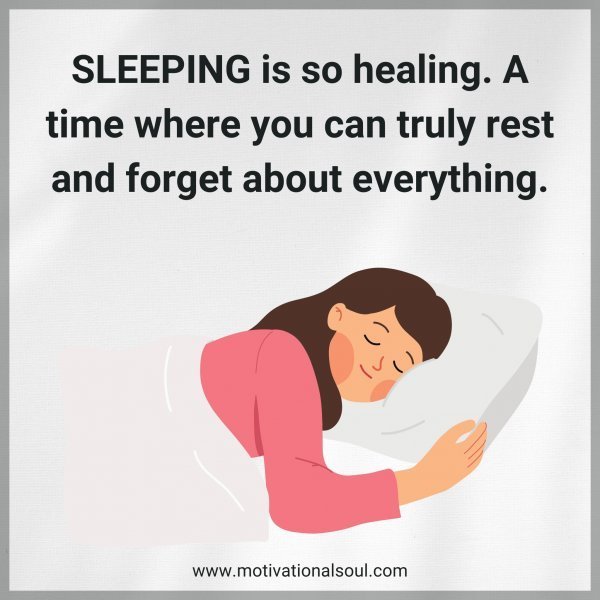
    SLEEPING
    Sleeping is healing.

    2. Eat Healthily

    “You are what you eat.”

    This is a familiar saying for many of us, and it rings true! The food we eat has a significant influence on our health. If you’re eating processed and unhealthy foods, you aren’t feeling your best. However, by making a few modifications to your diet, you may notice a significant boost in your health. Start by adding more fruits and vegetables to your meals and cutting back on sugary drinks. You’ll be astonished at how much better you’ll feel!

    3. Define Realistic Goals for the Day

    Everyone has different goals and ambitions in life. Some people want to amass a fortune; others want to change the world. However, no matter what your objectives are, one habit can aid in their accomplishment: developing realistic objectives for each day. Many people don’t realize that big goals are usually achieved by accomplishing a series of small ones.

    By taking the time to set realistic goals for each day, you can slowly but surely make progress toward your larger goals. The results you achieve will act as motivation to help you push even further. So if you’re looking for a habit that can change your life, start by setting realistic goals for each day. Expect the unexpected with what you can achieve.

    With or without someone by my side
    With or without someone by my side

    4. Start Your Day Earlier

    Who doesn’t love a lie-in? Staying in bed until noon on a Saturday is one of life’s simple pleasures. If you want to establish a new routine, however, it’s time to get up an hour earlier. A recent study found that people who started their day earlier were more likely to stick to their new habit than those who started their day later.

    The theory is that starting your day earlier gives you more time to get things done and gives you a sense of accomplishment that keeps you motivated throughout the day. So if you’re looking to improve your life, try setting your alarm a little earlier each morning. You might be shocked at how much difference it makes.

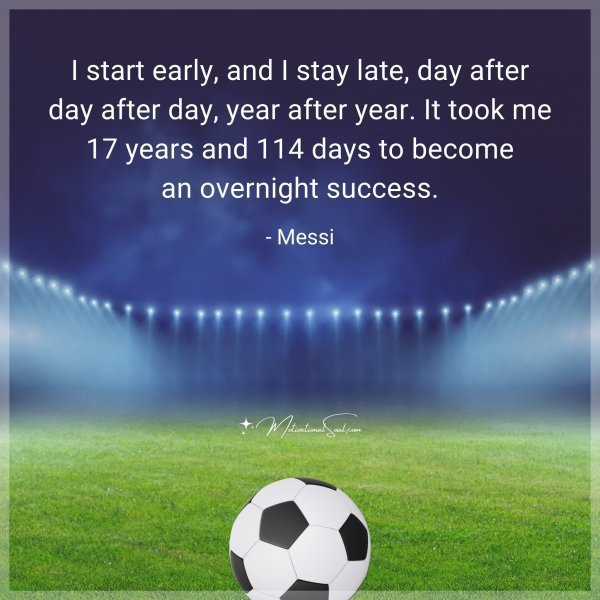
    I start early
    I start early

    5. Make Time for Exercise

    It’s no secret that regular exercise is beneficial to our health.it helps improve our physical health and boost our mood and energy levels.

    But with busy schedules, finding time to fit in a workout can be tough. If you’re looking to make a change in your life, try making time for exercise. Even if it’s just a 30-minute walk around the block, you’ll be surprised at how much better you’ll feel. You’ll be inspired to keep going when you start seeing results.

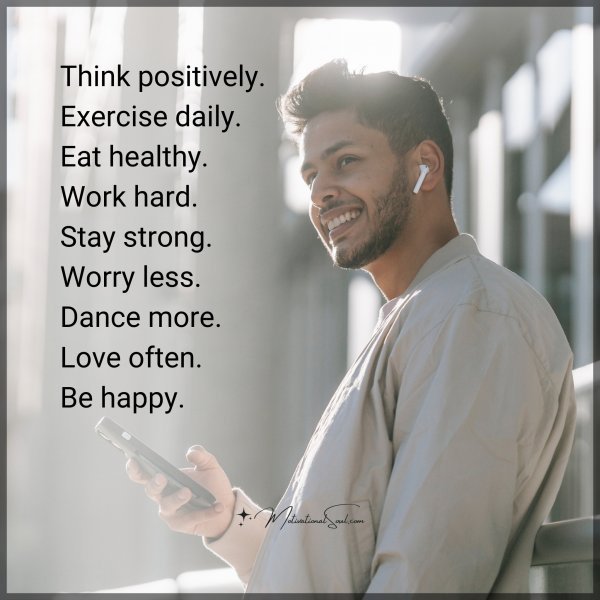
    Think positively. Exercise daily. Eat healthy. Work hard. Stay strong. Worry less. Dance more. Love often. Be happy.
    Think positively. Exercise daily. Eat healthy. Work hard. Stay strong. Worry less. Dance more. Love often. Be happy.

    6. Drink More Water

    We’ve all heard this advice before, but how many of us actually follow it? Drinking enough water is essential for our health, yet so many of us don’t get nearly enough. If you want to improve your life, start by drinking more water. Not only will you feel better, but you’ll also be more hydrated and have more energy. So if you want to improve your health, make sure you’re drinking enough water daily.

    7. Don’t multitask

    “Do one thing at a time.”

    Trying to do too many things at once is easy in our fast-paced world. But when we multitask, we’re not actually doing any of them well. If you want to be more productive and efficient, start by focusing on one task at a time. You’ll be astonished at how much better you perform. When you begin to notice effects, you’ll be encouraged to continue.

    FOCUS ON BEING
    FOCUS ON BEING

    8. Practice Deep Breathing

    In the fast pace of today’s society, it can be all too easy to forget to take care of yourself. What if I told you there’s an easy way to help improve your focus, and mood and even reduce stress- all through one habit? Enter deep breathing.

    Practicing deep breathing will naturally lower your heart rate and increase oxygen intake. This calming effect on your nervous system can help lower blood pressure. In addition, deep breathing helps to increase energy levels and can even improve your digestion. So next time you’re feeling frazzled, practice some deep breathing exercises for a few minutes. You may just find that it’s the one habit that truly changes your life for the better.

    Sometimes you need to let it all go
    Sometimes you need to let it all go

    9. Unplug from Technology For a Sometimes

    Undoubtedly, technology has drastically changed our lives for the better. We can now stay connected with loved ones who live far away, work from home, and have access to a world of information at our fingertips.

    However, there is also a downside to this constant connection. Research has shown that too much screen time can lead to feelings of isolation, anxiety, and depression. It can also contribute to sleep problems and difficulty concentrating. If you’re looking for a habit that will improve your life, try putting down your devices for a set period each day. You might be surprised by how much more productive, calm, and happy you feel.

    There is no wifi in the forest
    There is no wifi in the forest

    10. A Daily Routine is Important

    It’s easy to get caught up in the hustle and bustle of everyday life and lose sight of our goals. But if we want to achieve something, it’s important to have a plan and stay focused. One way to do this is by establishing a daily routine.

    A daily routine will help you stay on track and make time for the things that are important to you. It doesn’t have to be anything fancy. Just decide what you want to accomplish each day and make a plan to do it. You might be surprised at how much more productive you are when you have a routine.

    The secret to success is found in your daily routine.
    The secret to success is found in your daily routine.

    11. Get up and Stretch

    If you’re sitting at a desk all day, it’s important to get up and move around every so often. Sitting in one position for too long can lead to stiffness, back pain, and other health problems. So if you want to improve your health and well-being, make sure you’re getting up and stretching every few hours. You’ll feel better and be more productive when you do.

    LIFE HAS NO REMOTE. GET UP AND CHANGE IT YOURSELF.
    LIFE HAS NO REMOTE. GET UP AND CHANGE IT YOURSELF.

    12. Give Yourself Some “Me” Time

    In our busy lives, it’s easy to forget to take care of ourselves. We often put our needs last, behind work, family, and other obligations. But if we want to be happy and healthy, it’s important to make time for ourselves. Whether it’s taking a few minutes each day to meditate, going for a walk, or reading your favorite book, make sure you’re giving yourself some “me” time. You’ll be astonished at how much better you feel after doing it.

    Sometimes it's better to just remain silent and smile.
    Sometimes it’s better to just remain silent and smile.

    13. Set Aside Some Time Just To Relax

    It’s important to have some time each day when you can just relax and not worry about anything. This can be hard to do in our fast-paced world, but taking a break from the hustle and bustle is important. Make sure you’re setting aside some time each day just to relax and rejuvenate. It’ll make you feel better about it in the end.

    RELAX... WE'RE ALL CRAZY.
    RELAX… WE’RE ALL CRAZY.

    14. Connect With Nature

    Spending time in nature has been proven to have a wide range of health and well-being benefits. It may help to reduce tension, boost mood, and increase energy levels. So, if you’re looking for a method to enhance your life, make sure you get some outdoor time. You might be shocked at how much better you feel once you’ve done it.

    15. Be Grateful for What You Have

    It’s all too easy to get wrapped up in the things we don’t have and forget to be appreciative of what we do have. It is, however, critical to focus on the positive if we want to be happy. Make sure you devote some time each day to think about the things you’re grateful for. When you do so, you’ll be shocked at how much better you feel.

    Be grateful and be positive because life is too short to always be worried. Let go of the stress and realize you're blessed.
    Be grateful and be positive because life is too short to always be worried. Let go of the stress and realize you’re blessed.

    Conclusion

    Here are just a few of the many behaviors that can better your life. However, if you want to see true change, you must start with just one or two. Choose a behavior that you believe will have the most influence on your life and begin now. You might be surprised at how quickly things improve. So don’t put it off any longer; start implementing changes in your life right now and notice how much better you feel. Thank you for taking the time to read this post! We hope it was beneficial. Please leave any questions or comments below if there is anything else we may help you with. Hearing from you always makes our day!

    You Might Also Like

  • 10 Simple Life Changes You Can Make to Boost Your Self-Esteem

    10 Simple Life Changes You Can Make to Boost Your Self-Esteem

    Do you often feel down on yourself? If you sometimes feel inadequate or as if you’re not reaching your potential, this blog post is definitely for you. In it, we will discuss 10 simple life changes that you can make to boost your self-esteem. Implementing even a few of these changes can have a huge positive impact on your life. So what are you waiting for? Start reading now!

    What is Self Esteem?

    Self-esteem is our overall opinion of ourselves. It includes how we feel about our abilities, looks, and personality. When we have healthy self-esteem, we feel confident and happy with who we are. We’re able to cope with life’s challenges and setbacks without letting them bring us down. On the other hand, when we have low self-esteem, we often feel inferior and unworthy. We may compare ourselves unfavorably to others and dwell on our flaws and mistakes. As you can see, having a healthy self-esteem is incredibly important for our overall well-being.

    Why is Self Esteem Important?

    Self-esteem is important for several reasons. When we feel good about ourselves, we are more likely to take risks and try new things. We are also more resilient in the face of setbacks because we believe in our ability to overcome them. Furthermore, high self-esteem has been linked with better physical health, as well as greater life satisfaction and overall happiness. Simply put, self-esteem is essential for a fulfilling and successful life.

    Impact of Low Self-Esteem On Our Life

    Most of us are unaware of our self-esteem’s impact on our lives. We think self-esteem is only about how confident we feel, but it plays a much bigger role than that. Our self-esteem affects every area of our lives, from our relationships to our career choices. When we have low self-esteem, we are more likely to make decisions that are based on fear rather than logic.

    • We may stay in unhealthy relationships because we don’t believe that we deserve anything better.
    • We may miss out on exciting career opportunities because we don’t think we are good enough.
    • Low self-esteem can be debilitating, leading to depression and anxiety.

    The Self-Esteem Framework

    Now that we’ve discussed the importance of self-esteem let’s talk about how to improve it. The first step is understanding the different components of self-esteem. According to psychologist Nathaniel Branden, there are six key elements to healthy self-esteem:

    • Awareness: This is the ability to be aware of our thoughts, feelings, and actions in the present moment. It also includes being aware of how our words and deeds affect others.
    • Courage: Courage is about facing our fears and embracing challenges. It’s about doing what is right, even when it’s difficult.
    • Integrity: Integrity is being honest with ourselves and staying committed to our beliefs. It’s about being honest with ourselves and others and living up to our commitments.
    • Self-Acceptance: This is the ability to accept ourselves for who we are, our flaws, and all. It’s about being kind and compassionate towards ourselves.
    • Self-Responsibility: This is the ability to take responsibility for our lives. It includes making choices that are in our best interest and taking action even when we don’t feel like it.
    • Self-Assertiveness: This is the ability to express our needs and wants honestly and respectfully. It’s about being true to ourselves and standing up for our rights.

    These six elements are the foundation of healthy self-esteem. If we want to boost our self-esteem, we need to focus on improving each of these areas.

    How To Improve Self-Esteem?

    Now that we’ve gone over the different components of self-esteem let’s talk about how we can improve it. Here are ten simple life changes that you can make to boost your self-esteem:

    Start Each Day With a Positive Affirmation

    The importance of self-esteem can not be understated. Those who have high self-esteem are generally more confident and successful in life than those who don’t. One of the best ways to improve self-esteem is to start each day with a positive affirmation. By repeating a positive statement about yourself, you program your mind to focus on the good instead of the bad. As a result, you’ll start to see yourself in a more positive light, and your self-esteem will gradually improve. 

    Set Realistic Goals

    To boost self-esteem, it’s important to set realistic goals. Trying to achieve something impossible is only going to set you up for disappointment. If you want to improve your self-esteem, focus on setting achievable goals. Once you start accomplishing your goals, you’ll start to feel better about yourself, and your self-esteem will improve.

    Practice Random Acts of Kindness

    One of the best ways to improve self-esteem is to practice random acts of kindness. It not only makes the person you’re doing it for feel wonderful, but it also makes you feel good about yourself. As a result, your self-esteem will improve. So go ahead and pay for the person’s coffee behind you in line or offer to help a friend with a project they’re struggling with. The benefits are endless!

    Spend Time with Positive People

    According to Psychology Today, one of the best ways to improve self-esteem is to surround oneself with positive people. Positive people see the glass half full, focus on the good in people and situations, and believe that anything is possible if you set your mind to it. Being around positive people can help rub off on you and increase your optimism and confidence.

    Additionally, positive people are often more likely to give honest feedback and constructive criticism, which can help you grow. So if you’re looking for ways to improve self-esteem, make sure to spend time with positive people.

    Focus on Your Strengths

    One way to improve your self-esteem is to focus on your strengths. We all have things that we’re good at, even if we don’t realize it. Maybe you’re a gifted artist or a fantastic cook. Maybe you’re really good at sports or have a natural talent for making people laugh. Whatever your strengths may be, it’s important to focus on them.

    You’ll feel more confident and accomplished when you do the things you’re good at. And when you feel good about yourself, your self-esteem will naturally improve. So instead of dwelling on your weaknesses, make an effort to focus on your strengths. It’s a simple but powerful way to boost your self-esteem.

    Challenge Negative Self-Talk

    According to the National Association of Anorexia and Associated Disorders, up to 90% of people with eating disorders also suffer from low self-esteem. A variety of factors can cause low self-esteem, but one of the most common is negative self-talk. Negative self-talk is any type of inner dialogue that puts you down or tells you that you are not good enough.

    It can be extremely damaging to your self-esteem and self-confidence and lead to a spiral of negative emotions.

    To improve your self-esteem, it is important to challenge negative self-talk whenever it occurs. When you catch yourself thinking negative thoughts, remind yourself that these thoughts are not true and that you are worthy of love and respect. Over time, challenging your negative self-talk will help to improve your self-esteem and confidence.

    Of course
    Of course

    Learn to be Assertive

    Being assertive means standing up for yourself and expressing your needs and wants confidently and respectfully. Assertive people are more likely to get their needs met and feel good about themselves. On the other hand, people who are not assertive often end up feeling resentful, powerless, and taken advantage of. If you want to improve your self-esteem, it’s important to learn to be assertive. Assertiveness training can teach you the skills you need to express yourself healthily and respectfully.

    LOVE YOURSELF
    LOVE YOURSELF

    Tips for being assertive:

    • Start by thinking about what you want or need.
    • State your needs and wants clearly and directly.
    • By using expressions such as “I need” or “I want,” you will sound more confident.
    • Be honest about how you feel.
    • Stand up straight and make eye contact.
    • Use a calm and confident tone of voice.
    • Respect the needs and wants of others.

    Set Goals and Achieve Them

    One of the best ways to improve self-esteem is to set goals for yourself and then achieve them. When you accomplish anything, no matter how little it is, you feel proud and accomplished. This can help to increase your self-confidence and make you feel good about yourself. So if you want to boost your self-esteem, set yourself some goals and then take steps to achieve them.

    Start with small goals that you know you can accomplish. Then, as you start achieving these goals, you can gradually start setting bigger and bigger goals. Remember to celebrate your accomplishments along the way. Achieving your goals is a great way to improve self-esteem, so start setting some goals today.

    Take care of Yourself.

    One of the most important things you can do for your self-esteem is to take care of yourself. This means eating healthy, exercising, getting enough sleep, and taking care of your physical and mental health. You’ll feel better physically and mentally when you take care of yourself. This can help to increase your self-confidence and make you feel good about yourself. So if you want to boost your self-esteem, make sure to take care of yourself.

    Get Some Support

    If you’re struggling with low self-esteem, getting some support is important. Many different types of support are available, including therapy, counseling, support groups, and online resources. These can all help you to understand and manage your low self-esteem. Getting support can be a great way to improve your self-esteem and confidence.

    Sometimes having coffee with your best friend is all the therapy that you need.
    Sometimes having coffee with your best friend is all the therapy that you need.

    Summary

    Low self-esteem can be a difficult issue to deal with, but there are many things you can do to improve your self-esteem. These ten tips are just a few of the many ways you can boost your self-esteem. So if you’re struggling with low self-esteem, try implementing some of these tips into your life and see how they help. Your self-esteem is worth the effort.

    You Might Also Like

  • Dealing With an Emotional Breakdown

    Dealing With an Emotional Breakdown

    Strength of character isn't always about how much you can handle before you break; it's also about how much you can handle after you've broken.
    Strength of character isn’t always about how much you can handle before you break; it’s also about how much you can handle after you’ve broken.

    It’s not always easy to deal with an emotional breakdown. When life gives you lemons, sometimes it feels like everything is going wrong. You may feel like you can’t cope with the stress anymore and that things are just too much for you to handle if this sounds like you, know that you are not alone. Millions of people experience emotional breakdowns every year. This blog post will discuss ways to deal with an emotional breakdown and get your life back on track!

    What Is an Emotional Breakdown?

    An emotional breakdown is a period of time when a person experiences intense emotional distress. This can be caused by a variety of things, such as relationship problems, job stress, financial troubles, or even just the day-to-day grind of life.

    When someone goes through an emotional breakdown, they may feel unable to cope with their problems. They may feel hopeless, helpless, and like they are just going through the motions of life without any joy or purpose. Emotional breakdowns can last a few days or weeks and can be extremely debilitating.

    Symptoms of an Emotional Breakdown

    You may experience the following thoughts during an emotional breakdown:

    • “I can’t do this anymore.”
    • “I’m such a failure.”
    • “I’m not good enough.”
    • “Everyone would be better off without me.”

    Physical Symptoms

    • Fatigue or exhaustion
    • Insomnia
    • Headaches
    • Muscle tension or aches
    • Stomach problems
    • Chest pain

    Emotional Symptoms:

    • Anxiety
    • Panic
    • Sadness
    • Irritability
    • Anger
    • Guilt
    • Shame

    Causes of an Emotional Breakdown

    There are many different causes of emotional breakdowns. Some people may be more susceptible to them than others, but anyone can experience one in their lifetime. The most common causes of emotional breakdowns include:

    • Stressful life events: Experiencing a traumatic event or series of stressful life changes can lead to an emotional breakdown.
    • Mental health conditions: A mental health condition can increase your risk of emotional breakdown.
    • Biological factors: There is evidence to suggest that certain biological factors, such as a family history of mental illness, may increase your risk of emotional breakdown.
    • Substance abuse: Using drugs or alcohol can also contribute to the development of an emotional breakdown.
    • Relationship difficulties: Dealing with relationship problems can be extremely stressful, and this stress can lead to an emotional breakdown.
    • Illness or injury: An illness or injury can cause physical and emotional stress, which can lead to an emotional breakdown.
    • Grief: Grief is a natural response to loss and can be overwhelming. People who are grieving may be at risk for an emotional breakdown.

    How to Know if You’re Having an Emotional Breakdown

    There is no definitive way to diagnose an emotional breakdown, as there is no official diagnosis for it in mental health manuals. However, a healthcare provider can evaluate your symptoms and suggest treatment options to help you address them. They may also work with you to develop a comprehensive treatment plan.

    Your healthcare provider will determine whether you have a mental health condition depending on your symptoms and their intensity, says Dr. Romanoff. 

    If not, therapy and support that can help you cope with the challenges you’re experiencing can still be provided by them.

    How does Emotional Breakdown Impacts Your Life?

    An emotional breakdown can have a significant impact on your life.

    • It can interfere with your ability to work, study, and take care of yourself.
    • You may find it difficult to concentrate, make decisions, or even leave the house.

    Emotional breakdowns can also lead to relationship problems, as you may withdraw from your loved ones or become overly reliant on them for support.

    WHEN YOUR HEART BREAKS
    WHEN YOUR HEART BREAKS

    Can a Nervous Breakdown be Prevented?

    There is no sure way to prevent an emotional breakdown, as many different causes exist. However, there are some things you can do to reduce your risk. These include:

    • Managing stress: Try to identify the sources of stress in your life and find ways to manage them. This may involve making lifestyle changes, such as getting more exercise or learning how to meditate.
    • Practicing self-care: Make sure you are taking care of yourself emotionally and physically. This includes getting enough sleep, eating a balanced diet, and avoiding substances that can harm your health.
    • Building a support system: Lean on your friends and family members when you are feeling overwhelmed. Talking to someone who cares about you can help reduce stress and promote healing.

    How to Treat an Emotional Breakdown

    There is no one-size-fits-all approach to treating an emotional breakdown, but some of the ways are listed below for you.

    Get Some Perspective

    The first step is to get some perspective. Remind yourself that this is not the first time you have felt this way and that you have successfully overcome difficult emotions in the past. Secondly, taking care of yourself physically and emotionally is important. Eat healthy meals, get enough sleep, and avoid drugs and alcohol. Finally, seeking professional help can be extremely helpful in managing an emotional breakdown. A therapist can provide support and guidance as you work through negative emotions. You will eventually recover from an emotional breakdown and feel better again with time and effort.

    The most important thing you can do during an emotional breakdown is to focus on self-care. This means taking the time to do things that make you happy and relax your mind and body. It may also mean seeking professional help if you feel like you cannot cope on your own. However, if you choose to care for yourself, remember that an emotional breakdown is not a sign of weakness – it is simply a sign that you need some extra care.

    Tips for self-care:

    Focus on Self-Care

    • Get enough sleep
    • Eat healthy meals
    • Avoid drugs and alcohol
    • Exercise regularly
    • Take breaks when you need them
    • Spend time with supportive people

    Talk to a Therapist

    If you’re struggling to cope with an emotional breakdown on your own, talking to a therapist can be extremely helpful. A therapist can provide support and guidance as you work through negative emotions. They can also help you develop coping mechanisms for dealing with future stressors. If you don’t feel like talking to a therapist, you can also talk to a trusted friend or family member.

    Medication

    Some people may feel like they need medication to help them cope with an emotional breakdown. You should speak to your healthcare provider about your options if this is the case. They will be able to prescribe medication if they feel it is necessary. Medication can be an effective treatment for some people, but it is not right for everyone.

    Give Yourself Time

    Recovery from an emotional breakdown takes time. There is no set timeline for how long it will take to feel better. However, most people start to feel better within a few weeks with the help of self-care and professional treatment. It is important to be patient with yourself and understand that recovery is a process.

    Practice Self-Compassion

    One of the most important things you can do during an emotional breakdown is to practice self-compassion. This means being kind and understanding towards yourself. Remember that you are going through a tough time and that it is okay not to be perfect. Beating yourself up will only make things worse. Instead, try to focus on taking care of yourself and being gentle with yourself.

    Communicate Your Needs

    Communicating your needs is important during an emotional breakdown. This means letting your friends and family know what you need from them. It may be helpful to let them know what kind of support you are looking for. For example, you may need someone to talk to or help with day-to-day tasks. Asking for help can be difficult, but it is important to communicate your needs during this time.

    Without communication
    Without communication

    Dropping into the Present Moment

    When you’re in the midst of an emotional breakdown, it can be difficult to see things clearly. Your mind is likely racing, and you may be feeling overwhelmed. One way to cope with this is to focus on the present moment. This means grounding yourself in the here and now and focusing on your breath. This can help you feel tranquility and more in control.

    I decided not to let my past rule my future
    I decided not to let my past rule my future

    Practice Meditation

    Meditation can be helpful for dealing with an emotional breakdown. It can help you focus on the present moment and calm your mind.Different types of meditation work for different people, so find the one that works for you. You can try guided meditation, mindfulness meditation, or transcendental meditation.

    Reduce Technology Use

    If you’re struggling to cope with an emotional breakdown, reducing your use of technology may be helpful. This means spending less time on your phone, computer, and social media. Technology can be a major source of stress and make things feel worse. If you need a break from technology, try disconnecting for a day or two.

    Have patience

    Remember that recovery takes time. There is no set timeline for how long it will take to feel better. However, most people start to feel better within a few weeks with the help of self-care and professional treatment. It is important to be patient with yourself and understand that recovery is a process.

    Acknowledge Your Feelings

    One of the most important things you can do during an emotional breakdown is to acknowledge your feelings. This means accepting that you are feeling pain and allowing yourself to experience it. It’s natural to feel dejected, scared, or enraged. Denying your feelings will only make things worse in the long run. Acknowledging them will help you start to work through them.

    Recovery From an Emotional Breakdown

    No one is immune to hardships and emotional breakdowns. At some point in our lives, we all go through tough times. And while it’s never easy to deal with an emotional breakdown, it is possible to recover and come out stronger on the other side.

    Recovery takes time, but it is possible to get through this tough time. Acknowledge your feelings, communicate your needs, and focus on the present moment. These things will help you start to feel better. Finally, don’t forget to ask for help when you need it.Support from friends and family can make a big difference.

    You Might Also Like

  • How to Calm Yourself During a Panic Attack

    How to Calm Yourself During a Panic Attack

    Do you know what to do when you feel a panic attack? Many people don’t. In fact, most people just try to tough it out and hope it goes away. This is the wrong approach. If you have a panic attack, the best thing to do is calm yourself down. This blog post will discuss some of the best ways to calm yourself during a panic attack. We will also provide some helpful tips for preventing panic attacks from happening in the first place!

    Tips to Deal With Panic Attack

    When you feel a panic attack coming on, there are certain things you can do to ease the symptoms. Here are some tips:

    Instead of focusing on your thoughts, reflect on them and write down your feelings.

    When you’re in the middle of a panic attack, it can feel like your thoughts are spiraling out of control. Instead of trying to push them away, reflect on them and write down your feelings. This will help you to see your thoughts for what they are: just thoughts. Once you’ve identified your feelings, it will be easier to calm yourself down.

    Take a few deep breaths and focus on something in the room that makes you feel safe. This could be a picture of loved ones, a favorite book, or a comforting piece of clothing. By focusing on something external, you’ll be able to distract yourself from your thoughts and relax your body. Soon, the panic attack will pass, and you’ll be back to feeling normal again.

    Avoid Shallow Breathing

    One of the most common panic attack symptoms is shortness of breath. This can be accompanied by a feeling of tightness in the chest, which can make it difficult to breathe deeply. However, shallow breathing actually makes anxiety worse, so it’s important to try to take deep breaths during a panic attack.

    One deep breathing technique that can be helpful is to inhale slowly for a count of four, hold your breath for a count of seven, and then exhale slowly for a count of eight. This helps to slow down your breathing and ease the symptoms of a panic attack. In addition, it’s important to focus on something else during a panic attack, such as your favorite song or a picture of your family. Focusing on something else helps to distract you from the physical symptoms of anxiety and allows you to calm down more quickly.

    Breathe
    Breathe

    Use positive affirmations

    Chanting positive affirmations is one of the best ways to calm yourself during a panic attack. By repeating positive statements about yourself, you can override the negative thoughts that are causing you to feel anxious.

    For example, you might say to yourself, “I am safe,” or “I am in control.” You can also use affirmations to remind yourself of your strength and resilience. For example, you might say, “I am strong,” or “I can handle this.” Chanting positive affirmations can help to break the cycle of negative thinking and give you the courage to face your fears.

    STAY POSITIVE EVEN WHEN
    STAY POSITIVE EVEN WHEN

    Visualize yourself in a peaceful place

    Another helpful way to calm yourself during a panic attack is to visualize yourself in a peaceful place. This could be anywhere that makes you feel happy and safe, such as the beach, the mountains, or your favorite park. Relax your eyes and take a few deep breaths in and out. Then, imagine yourself in this peaceful place.

    Picture the details of your surroundings and focus on the positive emotions that you’re feeling. This exercise can help to distract you from your anxiety and allow you to focus on something more pleasant. It will take some time for the anxiety attack to pass, and you’ll be able to relax once more.

    The less you respond to negativity
    The less you respond to negativity

    Let Your Thoughts Flow Naturally

     One of the best things you can do is to let your thoughts flow naturally. Don’t try to force yourself to think positive thoughts or blank out your mind. Instead, let whatever thoughts come into your head pass through your mind without judgment. This can help you to get out of your head and focus on the present moment. Additionally, it can help to take slow, deep breaths and focus on the sensation of air moving in and out of your lungs. This can help to slow down your heart rate and give you a sense of grounding.

    I need a break from my own thoughts.
    I need a break from my own thoughts.

    Don’t let negative people add more stress to your life.

    We all have that friend or family member who loves to add their two cents — even when we don’t want to hear it. When you’re already feeling stressed out, the last thing you need is someone else adding to your anxiety.

    So, if you find yourself in a situation where someone is trying to add more stress to your life, it’s important to remove yourself from the situation. This might mean ending a conversation, leaving a party, or even unfriending someone on social media. Whatever you need to do to protect your peace of mind, do it. Your mental health is always worth more than someone else’s opinion.

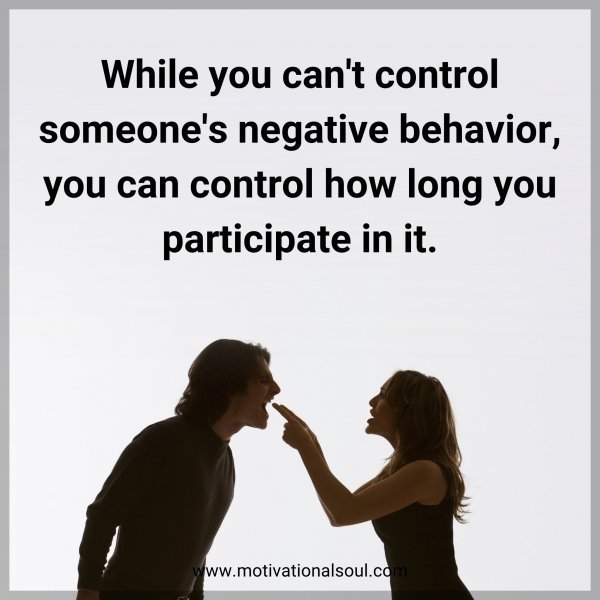
    While you can't control someone's negative behavior
    While you can’t control someone’s negative behavior

    Don’t Validate Your Fears.

    One of the worst things you can do when you’re feeling anxious is to try to talk yourself out of your fears. This will only make your anxiety worse. Instead, it’s important to acknowledge your fear and then let it go. This might mean saying something like, “I’m feeling scared right now, but I know I’m safe.” By acknowledging your fear, you’re giving yourself permission to feel it. But by letting it go, you’re also choosing not to give in to it. This can be a helpful way to calm yourself during a panic attack and start to take back control of your thoughts.

    FEAR IS
    FEAR IS

    Don’t Go Out of Control.

    When you have a panic attack, it’s important to remember that you are in control. This can be difficult to do when you’re feeling out of control, but it’s important to remind yourself that your anxiety is not in charge. You are. So, take a few deep breaths and focus on the things you can control. This might mean focusing on your breath, or it might mean repeating a mantra to yourself. Whatever you need to do to feel in control, do it. This can help to calm your anxiety and give you the strength to face your fears.

    You can't control
    You can’t control

    Seek Professional Help

    If you find that your anxiety is impacting your daily life, it’s important to seek professional help. Many resources are available to help you manage your anxiety, and a therapist can work with you to develop a treatment plan specific to your needs. If you’re ready to take the next step, many qualified therapists can help you.

    While these tips can certainly help you to calm down during a panic attack, it’s important to remember that everyone is different. One size does not fit all.

    How to Prevent Panic Attacks

    To help reduce the occurrence of panic attacks, here are a few things you can do:

    Manage Your Stress Levels

    One of the best things you can do to prevent panic attacks is to manage your stress levels. This might mean taking some time for yourself each day to relax and unwind. It could also mean making some changes to your lifestyle, such as eating a healthier diet or getting more exercise. If you’re not sure how to manage your stress, here are some tips:

    • Make time for yourself every day.
    • Find healthy ways to cope with stress.
    • Avoid drugs and alcohol.
    • Get plenty of sleep.

    Identify Your Triggers

    Another helpful way to prevent panic attacks is to identify your triggers. This can be anything from a certain place to a certain smell to a certain time of day. Once you know what your triggers are, you can avoid them or be prepared for them.

    • Keep a journal to identify your triggers.
    • Avoid your triggers if possible.
    • Be prepared for your triggers if you can’t avoid them.

    Exercise regularly

    Exercise is not only good for your physical health but also your mental health. Exercise can help to reduce stress and anxiety, and it can also help to improve your mood. Exercise should definitely be part of your plan if you’re looking for ways to prevent panic attacks.

    • Try to get some exercise every day.
    • Find an exercise routine that you enjoy.
    • Stick with it even when you don’t feel like it.

    Breathe deeply

    Deep breathing is a simple but effective way to calm your mind and body. When you’re feeling anxious, your breathing becomes shallow and rapid. This can make your anxiety worse. But, taking some deep breaths can slow down your heart rate and ease your anxiety.

    Meditate

    Meditation is another great way to calm your mind and body. It can help to focus your thoughts and clear your mind from anxiety. There are numerous methods to practice meditation, so find one that works for you.

    • Make yourself comfortable by sitting or lying down.
    • Take a deep breath in and let it out slowly. As you exhale, feel your stress melting away.
    • Breathe in and out slowly and deeply.
    • Repeat for as long as you need.

    Take Proper Sleep

    Getting enough sleep is vital for your overall physical and mental health. When you don’t get enough sleep, your anxiety levels can increase. To prevent this, make sure you’re getting enough sleep each night.

    • Most adults need between seven and eight hours of sleep per night.
    • Create a bedtime routine to help you relax before bed.
    • Avoid caffeine and screens before bed.
    • Get up and move around during the day to stay alert.

    Final Thoughts

    Anxiety is a normal part of life, but it can be overwhelming at times. If you’re struggling with anxiety, know that you’re not alone. You are not alone in your anxiety. There are many resources readily available to assist you and with some time and effort, you can learn how to control your anxiety and live a happy, healthy life.

    You Might Also Like

  • Habits Mature People Have That You Should Start Adopting Today

    Habits Mature People Have That You Should Start Adopting Today

    Mature people have certain habits that help them lead successful lives. If you want to be more successful, then you should start adopting these habits today! In this blog post, we will discuss mature people’s habits. So, if you’re ready to become a more mature and successful person, keep reading!

    Mature People’s Habits

    Maturity is often associated with age, but it doesn’t necessarily have to be. Age can bring wisdom and life experience, but maturity is a state of mind. It’s about how you approach life and handle its challenges.

    Some people never seem to grow up, while others mature quickly. If you want to be successful in life, it’s important to have a mature mindset.

    Here are a few habits that mature people have:

    Goal-Oriented

    As we get older, we often find ourselves with more responsibilities and less time. In order to make the most of our limited time, mature adults learn to set goals and prioritize their activities. By focusing on what is truly important, they are able to accomplish more in less time. And while some might view this as a restrictive way to live, setting goals can actually be liberating. It allows us to focus our energy on what matters most rather than wasting time on things that don’t contribute to our long-term happiness.

    Good Communicators

    One of the most important skills we can learn is how to communicate effectively. Mature adults understand the importance of communication, and they work to improve their skills. They know that clear and concise communication is essential in both personal and professional relationships. And while it can be difficult to master the art of communication, it’s definitely worth the effort. After all, how can we expect to accomplish our goals if we can’t even communicate them effectively?

    Self-Awareness

    Another important quality of mature adults is self-awareness. This means that they are aware of their own strengths and weaknesses. They are aware of their strengths and weaknesses. This self-awareness allows them to set realistic goals and make informed decisions. It also helps them to avoid making the same mistakes over and over again.

    Good Time Management Skills

    In order to be successful, it’s important to learn how to manage our time wisely. Mature adults understand the importance of time management and make sure to use their time wisely. They know how to set priorities, and they are able to stick to a schedule. This allows them to get more done in less time and leaves them with plenty of free time to enjoy their hobbies and interests.

    Mature People Are Resilient

    One of the most important qualities of mature adults is resilience. This means that they are able to bounce back from setbacks and failures. They know that life is full of ups and downs, and they don’t let the bad times get them down. Instead, they use these experiences to learn and grow. As a result, they are better prepared to handle whatever life throws their way.

     Strength in Character

    In addition to being resilient, mature adults also have strength in character. This means that they are honest and trustworthy. They always adhere to a strong moral code and always try to do the right thing. People with strength in character are reliable and dependable. They are the type of people you can always count on, no matter what.

    The Ability To Be Flexible

    Mature adults are also flexible. Their ability to adapt allows them to change efficiently. They know that life is constantly changing, and they roll with the punches. They have an expansive outlook and are willing to explore novel experiences. And while some people might view this as a weakness, mature adults know that it’s actually a strength. After all, the ability to be flexible is what allows us to grow and learn.

    Positive Attitude

    Last but not least, mature adults have a positive attitude. This means that they choose to see the glass as half full rather than half empty. They focus on the good in every situation and try to find the silver lining in every cloud. A positive attitude is contagious. And when we surround ourselves with positive people, it’s only natural that we will start to see the world in a more positive light.

    Patience

    One of the most important qualities of mature adults is patience. Patience is a virtue, and while it can be difficult to be patient, they understand that it’s often necessary in order to achieve our goals. Mature adults can control their emotions and don’t let their frustration get the best of them. Instead, they use their time wisely and wait for the perfect opportunity.

    A Sense of Humor

    Mature adults also have a sense of humor. They know that laughter is the best medicine and use it to their advantage. A sense of humor can lighten any situation and is a great way to defuse tension. When we laugh, it’s impossible to stay angry or upset. And that’s why mature adults know that a sense of humor is one of our most important qualities.

    Assertive

    Mature adults are also assertive. This means that they are able to stand up for themselves and their beliefs. They are confident, and they aren’t afraid to speak their mind. At the same time, they also know how to listen, and they are open to hearing other people’s opinions. Assertiveness is a key part of effective communication. And it’s a quality that mature adults have mastered.

    Independent

    Mature individuals are self-reliant as well. This means that they are able to take care of themselves, and they don’t rely on others to do things for them. They are self-sufficient, and they know how to handle their own problems. And while some people might see this as a negative quality, mature adults know that it’s actually a strength. After all, being independent is what allows us to grow and learn.

    A Passion for Learning

    Mature persons are also interested in acquiring new knowledge. They know that life is a never-ending journey and are always looking for new learning opportunities. They are curious, and they enjoy exploring new ideas. A passion for learning keeps us young at heart, one of the qualities that mature adults possess.

    Gratitude

    Mature people are also grateful for what they have. They know that life is a gift and appreciate all the good things that come their way. They are thankful for their blessings and don’t take anything for granted. An attitude of gratitude is one of the secrets to happiness. And it’s something that mature adults understand.

    Self-control

    Mature men and women also have self-control. This means they can control their thoughts, emotions, and actions. They know how to resist temptation and don’t let their impulses get the best of them. Instead, they act in a way that is consistent with their values and beliefs. Self-control is a key ingredient in success. And it’s something that mature adults have mastered.

    Respect other people’s opinion

    Mature people always respect other people’s opinions even if they don’t agree with it. They know that everyone is entitled to their own point of view, and they are always willing to listen. At the same time, they also know how to stand up for themselves and aren’t afraid to voice their opinions. Respect is an important part of any relationship. And it’s something that mature adults understand.

    Take ownership of their mistakes.

    Mature people also know how to take ownership of their mistakes. They don’t try to blame others when things go wrong. Instead, they accept responsibility and learn from their mistakes. Taking ownership of our mistakes is an important part of maturity. It’s a sign that we are willing to learn and grow.

    Listen more than they talk.

    Mature adults know the importance of listening. They understand that communication is a two-way street. And they are always willing to listen to what others have to say. At the same time, they also know how to express their own thoughts and feelings. Listening is an essential part of effective communication. And it’s a habit that mature adults have mastered.

    Avoid negativity

    Mature people know how to steer clear of negativity. They don’t dwell on the negative things in life. Instead, they focus on the positive and try to make the best of every situation. Avoiding negativity is an important part of staying happy and healthy. And it’s something that mature adults understand.

    Forgive and Forget

    Mature people also know how to forgive and forget. They don’t hold grudges, and they don’t dwell on past hurts. Instead, they let go of the negativity and move on with their lives. Forgiving and forgetting are important parts of maturity. It’s a sign that we are able to let go of the past and move on.

    Set boundaries

    Mature people also know how to set boundaries. They know when to say “no,” and they aren’t afraid to protect themselves. At the same time, they also know how to be assertive without being aggressive. Setting boundaries is an important part of taking care of ourselves. And it’s something that mature adults understand.

    Live in the present

    Mature people live in the present. Their focus is on what they are doing at the moment, not on what has already happened or what might happen in the future. This doesn’t mean that they don’t have goals and plans, but it does mean that they don’t dwell on past mistakes or future worries.

    Instead, they enjoy each day and make the most of every opportunity. People who live in the present are often more successful and happier than those who don’t. They are able to fully engage with the world around them and enjoy all that life has to offer. So if you want to live a more mature, productive, and enjoyable life, start by learning to live in the present.

    Be patient

    Mature people know that good things come to those who wait. They are patient, and they understand that some things take time. They don’t try to rush things or force them to happen. Instead, they let things unfold in their own time. Patience is a virtue that mature adults have mastered. And it’s something that we can all learn from.

    Appreciate what they have

    Mature people also know how to appreciate what they have. They are grateful for the good things in their lives and don’t take them for granted. At the same time, they also know how to deal with bad times. They don’t dwell on the negative things, and they don’t let them get them down. Instead, they focus on the positive and try to make the best of every situation. Appreciating what we have is an important part of maturity. It’s a sign that we are able to see the good in spite of the bad.

    Take responsibility For Their Own Happiness.

    Mature people know that they are responsible for their own happiness. They don’t expect others to make them happy. Instead, they take charge of their own happiness and ensure they are doing things that make them happy. Taking responsibility for our own happiness is an important part of maturity. It’s a sign that we are confident and capable of taking care of ourselves.

    Don’t compare yourself to others.

    Mature people also know that comparison is the thief of joy. They don’t compare themselves to others, and they don’t try to keep up with the Joneses. Instead, they focus on their own lives and try to be the best they can be. Comparison is an unnecessary stressor that mature adults have learned to avoid. It’s something that we can all learn from.

    Face their fears

    Mature people also know how to face their fears. They understand that fear is often irrational and don’t let it control their lives. Instead, they face their fears head-on and don’t let them hold them back. Facing our fears is an important part of maturity. It’s a sign that we are brave and capable of handling whatever life throws at us.

    Conclusion

    These are just some of the qualities that mature adults possess. And if you want to be more mature, then you should start adopting these habits today. After all, it’s never too late to learn and grow. So why not start today?

    What do you think? Do you agree with this list? What other qualities do you think mature adults possess? Share your thoughts in the comments below.

  • 15 Tips to Overcome Low Self-Esteem

    15 Tips to Overcome Low Self-Esteem

    Self-esteem is one of the most important aspects of our lives. When we have a strong sense of self-esteem, we feel good about ourselves and our abilities. People with vivid imaginations are more likely to take chances and achieve their objectives. On the other hand, people who struggle with low self-esteem often feel like they are not good enough and tend to shy away from challenges. In this blog post, we will discuss 10 proven tips that will help you overcome low self-esteem and boost your confidence!

    The Negative Impact Of Low Self-Esteem In Everyday Life

    Low self-esteem can creep up on you without you even realizing it. It’s often the result of negative thinking and comparison. When you have low self-esteem, you see yourself as inferior to others and not good enough.

    This can lead to feeling unworthy, undeserving, and unlovable. As a result, you may start to avoid social situations, miss out on opportunities and become withdrawn. Low self-esteem can also make it difficult to stick to your goals and make positive changes in your life.

    The Importance of Overcoming Low Self Esteem

    It’s important to overcome low self-esteem for many reasons. When you have a healthy sense of self-esteem, you’re more likely to take risks and pursue your goals. You’re also more likely to be resilient in the face of setbacks and criticism. People with high self-esteem are generally happier and more content with their lives. They also tend to have healthier relationships. So, if you’re struggling with low self-esteem, it’s time to make a change!

    Some Tips To Help You Overcome Low Self-Esteem

    Confident Body Language

    One of the most effective is to practice confident body language. This means standing up straight, making eye contact, and speaking with clarity and purpose. When you adopt a confident posture, it sends a signal to your brain that you are in control and capable of achieving your goals. In time, this can lead to a real increase in self-confidence. So if you’re looking to boost your self-esteem, start by working on your body language. It may seem like a small change, but it can make a big difference.

    Be confident
    Be confident

    Change Your Negative Thinking Patterns

    One of the first steps to overcoming low self-esteem is to identify and challenge your negative thinking patterns. If you’re constantly putting yourself down and comparing yourself to others, it’s time to make a change.

    • Start by noticing when you’re having negative thoughts and then Challenging them.Consider, if you will, self-defeating statements like “I’m not good enough.” Why do you believe that? Is there any concrete evidence to support that belief?
    • Once you start to question your negative thoughts, you’ll realize that they’re not as true or valid as you thought.

    Focus on Your Strengths and Accomplishments

    Another way to boost your self-esteem is to focus on your strengths and accomplishments. When you take the time to celebrate your successes, it helps you feel good about yourself and your abilities.

    It can be easy to dwell on your mistakes and shortcomings, but it’s important to remember that everyone makes them. Instead of beating yourself up, focus on what you did well.

    For example, if you made a mistake at work, think about the positive things you’ve done in the past or the compliments you’ve received from your boss.

    You can also keep a “Success Log” where you write down your accomplishments, big or small. This is a great way to remind yourself of all the things you’re good at when you’re feeling down about yourself.

    Fight for your rights. Protect your dignity. Otherwise
    Fight for your rights. Protect your dignity.

    Practice Self-Compassion

    The greatest gift you can give yourself is to be kind and understanding to yourself, even when you make a mistake.

    Self-compassion involves treating yourself with the same care and concern that you would show to a good friend. It also means recognizing that everyone makes mistakes and that you are not alone in your struggles.

    If you’re having trouble being compassionate toward yourself, try this out:

    • Try to be understanding and kind to yourself when you make mistakes
    • Realize that everyone makes mistakes, and you are not alone in your struggles
    • Treat yourself with the care and concern that you would show to a good friend.

    Practicing self-compassion can help you overcome low self-esteem and lead a happier, more fulfilling life.

    The ugliest thing that I have ever seen is a human being without compassion.
    The ugliest thing that I have ever seen is a human being without compassion.

    Eliminate perfectionism from your life

    One of the biggest obstacles to self-esteem is perfectionism. If you’re constantly striving for unattainable standards, it’s time to let go of that perfectionism.

    Recognize that no one is perfect and that mistakes are a part of life. Accepting this will help you to be more forgiving of yourself when you make mistakes. It will also help you to set realistic goals, which are key to maintaining self-esteem.

    Making mistakes is better than faking perfection.
    Making mistakes is better than faking perfection.

    Get rid of the things in your life that don’t serve you

    One of the best things you can do for your self-esteem is to get rid of the things in your life that don’t serve you. This includes toxic relationships, negative self-talk, and anything else that brings you down.

    When you eliminate these things from your life, you make room for positive, healthy relationships and activities. This can do wonders for your self-esteem and overall well-being.

    Get More Exercise 

    One of the most effective ways to boost your self-esteem is to get more exercise. Exercise releases endorphins, which have mood-boosting effects. Not only does it help improve energy levels, but it also promotes better sleep..Furthermore, exercise can help to increase muscle mass and bone density, leading to a stronger and healthier body. And when you have a strong and healthy body, you’ll feel better about yourself both physically and mentally. So if you’re struggling with low self-esteem, make a commitment to get more exercise. It could be the key to unlocking a happier and more confident you.

    Meditation and Mindfulness 

    Meditation and mindfulness are two more great tools for overcoming low self-esteem. Meditation helps to focus and calm the mind, while mindfulness allows you to be more present in the moment.

    Both of these practices can help you to become more aware of your thoughts and feelings. This can help identify negative thought patterns that contribute to low self-esteem. Once you’re aware of these patterns, you can start to change them.

    Spend time with positive people

    The people you spend your time with can have a big impact on your self-esteem. If you’re around negative people who are always putting you down, it’s going to be hard to feel good about yourself. On the other hand, spending time with positive people who support and encourage you can do wonders for your self-esteem.

    So if you’re looking to improve your self-esteem, make an effort to spend more time with positive people. This could be friends, family members, or even co-workers. Surrounding yourself with positive people will help you to see the good in yourself and feel better about who you are.

    Stay positive even when
    Stay positive even when

    Do things that make you happy

    When you’re struggling with low self-esteem, it’s important to do things that make you happy. This can help to take your focus off of your negative thoughts and give you a boost of confidence.

    Think about the things that make you feel good and make an effort to do them more often. This could be anything from reading, spending time outdoors, or listening to music. When you do things that make you happy, you’ll start to feel better about yourself and your life.

    Practice gratitude 

    Gratitude is another powerful tool for overcoming low self-esteem. When you’re feeling down, take a moment to think about the things in your life that you’re grateful for. It could be your health, family, or friends; anything else that is essential to you.

    Focusing on the positive aspects of your life might help you to appreciate what you have. This can shift your focus from your negative thoughts and give you a more positive outlook.

    Happy are those who take life day by day
    Happy are those who take life day by day

    Give yourself some credit 

    One of the reasons why people struggle with low self-esteem is because they’re too hard on themselves. If you’re always putting yourself down and beating yourself up for your mistakes, it’s going to be hard to feel good about yourself.

    Instead of being so critical of yourself, try to give yourself some credit. Acknowledge your accomplishments and strengths, and be gentle with yourself when you make a mistake. This will help you to have a more positive view of yourself and start to feel better about who you are.

    Cut yourself some slack 

    In addition to being too hard on themselves, many people are also too hard on themselves when it comes to their appearance. If you’re not happy with the way you look, it can be tempting to beat yourself up about it.

    Instead of being so critical of your appearance, try to cut yourself some slack. We should always remember that every person is special and has their own individual beauty. Accepting yourself for who you are is an important step in overcoming low self-esteem.

    Focus on your strengths 

    A great strategy to gain more confidence is by emphasizing your strengths. When you’re feeling down about yourself, take a moment to think about the things you’re good at. This could be anything from your ability to communicate, your creative skills, or your sense of humor.

    Focusing on your strengths can help you to see the good in yourself. It can also give you a boost of confidence and make you feel better about who you are.

    Seek professional help 

    If you’re struggling to overcome low self-esteem on your own, it may be time to seek professional help. A therapist can provide you with support and guidance as you work through your negative thoughts and patterns.

    Therapy can be an incredibly valuable tool for overcoming low self-esteem. If you would like to consult a professional, start by talking to your doctor or researching therapists in your area.

    Low self-esteem can be a difficult thing to deal with. But with these tips, you can start to overcome low self-esteem and feel better about yourself. Remember to go slowly and be kind to yourself. With dedication, you will start to feel better about your identity eventually.

    You Might Also Like

  • Make Your Mind feel better Instantly

    Make Your Mind feel better Instantly

    Sometimes it feels better not to talk at all
    Sometimes it feels better not to talk at all

    There are days when your mind just feels icky. Maybe you can’t seem to shake off a bad mood, or you’re reliving a painful memory on repeat. On days like this, it can feel impossible to think straight, let alone be productive. But there are some small things you can do to instantly make your mind feel better. Here are some of them:

    Get rid of negative self-talk – replace it with positive affirmations

    It can be hard to replace negative self-talk with positive affirmations, especially when it feels like we’ve been stuck in an endless loop of self-doubt. But remember, you are not alone in your journey to banish negativity and develop a healthy relationship with yourself.

    Start as small as possible: Choose one thing that you like about yourself and repeat it to yourself often. Whether it’s telling yourself that you’re strong or confident in your skills, find which words resonate best with you and use them to write down and create a mantra for yourself. This can help remind you of all the amazing qualities that YOU possess; qualities that no one else shares but you. All the knowledge and tools needed to tackle negative self-talk are within us – let’s start embracing them today!

    Spend time in nature – take a walk, sit in the park, or go for a hike

    Spending time in nature is a great way to ground yourself, boost your mood, and rejuvenate your body. Whether you take a leisurely stroll along a lake or go for an intense hike through the forest, nature can provide us with a meditative experience that re-connects us with ourselves and the earth. Taking time away from the daily hustle of city life to appreciate the beauty and simplicity of nature can be very calming. You don’t have to go too far beyond your local park or trails – even just being outside amongst trees or taking in majestic waterscapes can help reduce stress levels and improve ones sense of wellbeing.

    So if you find yourself stuck at home on an extra rainy day, why not initiate an outing? Put on your favourite jacket, pull on your most comforting shoes, gather some friends or go it solo – whatever you do don’t miss out on the therapeutic effects of Nature!

    There is no wifi in the forest
    There is no wifi in the forest

    Connect with loved ones – call a family member or friend, send a text, or write a letter

    Staying connected with the people we love is a powerful source of positivity and energy. We all have that one family member or friend living far away whom we miss dearly but somehow never seem to get around to reaching out to. But what if today was that day? Taking either five minutes to write a letter, call, or send a text could be the push you need to remind yourself that you are surrounded by people who care deeply about you and will forever remain in your corner no matter the distance.

    It doesn’t have to be anything grandiose—remember it’s the thought that counts. Listen carefully, offer humble encouragement, and remember how much joy comes from making meaningful connections with those important individuals in our lives. Just pick up the phone and start today!
    Family is where life begins and love never ends.
    Family is where life begins and love never ends.

    Do something you enjoy – read your favorite book, watch a movie, bake cookies

    Doing something you enjoy is a great way to take a break, and can help you recharge when life becomes hectic. Whether it’s reading your favorite book, catching up on the latest movie release, or throwing together some cookies in the kitchen, taking time out of your day to do something that gives you joy can be an incredibly beneficial experience. Just a few minutes away from regular activities allows us to relax and escape into another world, distracts us from any worries or stressors in our lives, and can also have positive psychological effects as we begin to associate those joyous moments with positive emotions.

    So take time for yourself today; pick up that well-worn novel in your bookshelf, plan a movie night with your friends or family, or bake up a batch of cookies – whatever it is that brings you bliss!

    Sometimes I forget myself in a book. And when I have to stop reading
    Sometimes I forget myself in a book. And when I have to stop reading

    Help someone else – volunteer your time, donate to a worthy cause, or simply perform random acts of kindness

    Volunteering your time and offering up random acts of kindness can enrich your life immeasurably. Generously donating to a worthy cause not only helps give back to the community, but also provides a personal sense of pride and fulfillment knowing that you have made a meaningful contribution. Whether it’s spending an afternoon helping out at a local animal shelter or taking time out of your day to pick up some grocery for an elderly neighbor, the benefits of helping someone else can be immeasurable. It can foster connections with strangers and loved ones alike, and provide an opportunity to look at life from new perspectives.

    It may charitably give back underprivileged or helpless members of society and help social issues in your neighborhood or abroad. So why not take the time today to volunteer your skills, donate to a charity, or simply perform small acts of kindness – you won’t regret it!

    Leave footprints of kindness wherever you go.
    Leave footprints of kindness wherever you go.

    Practice gratitude – keep a journal and write down things you’re thankful for each day

    Practicing gratitude is an important part of living a more mindful life. Research has shown that expressing gratitude can have an overwhelmingly positive effect on our mood and overall outlook. One great way to implement this practice into your daily routine is to keep a gratitude journal. Every day, take a few moments to consider all the blessings in your life and jot them down.

    Writing down what we are thankful for helps us build perspective, focus on the positive, and embrace our appreciation for the everyday goodness in life. Taking the time out of our busy days to acknowledge the small things may not seem like much in the moment, but it will ultimately give us peace of mind, a better attitude and deeper fulfillment.

    Thank you
    Thank you

    Final thought on feel better

    Self-care is hard, but it’s also important. It’s essential to take care of yourself and make sure that your mental health is a priority. Taking the time to get rid of negative self-talk, spend quality time outdoors, connect with loved ones, do something you enjoy, help someone else, and practice gratitude can have profound effects on your mood and wellbeing! You don’t have to do all 6 things in one day – pick 1 or 2 activities each day and focus on those to start. Self-care looks different for everyone, so take control and make sure to give yourself the space and respect you deserve!

  • Your Inner Beauty Is The Path to Self-Motivation

    Your Inner Beauty Is The Path to Self-Motivation

    What is inner beauty? Inner beauty is the beauty that comes from within. It is the beauty of a kind and gentle heart, the beauty of a person who is honest and true to themselves, and the beauty of someone who has a good soul. This type of beauty cannot be found in a magazine or on a runway. It can only be found within yourself. When you discover your inner beauty, you will find that it helps to motivate you in all areas of your life.

    Inner beauty is the most important aspect of who you are. It’s what motivates you to be the best version of yourself. When you love and appreciate yourself, it shows in your actions and attitude. Other people can see it too, and they are more likely to respond positively to you. So focus on your inner beauty and let it shine through!

    No beauty parlour can
    No beauty parlour can

    Defining beauty and how it’s unique to each individual

    Everyone has their own definition of beauty. It’s an ever-evolving concept that changes as you do. For some, beauty may mean a classic sense of style, bravery in the face of adversity, or how someone holds themselves with confidence and grace. For others, it may mean a fantastic sense of humor or the willingness to give freely from your heart.

    There is no one size fits all answer when it comes to defining beauty; rather it changes with each individual person’s journey through life. Appreciate and embrace your unique interpretation of beauty; your personal characteristics make you beautiful!

    BEAUTY GETS
    BEAUTY GETS

    Why we should focus on our inner beauty instead of outer appearances

    Embracing and celebrating our inner beauty is key to self-growth, contentment, and loving ourselves. When we focus on our inner beauty and working on developing it, we’re cultivating a more meaningful relationship with ourselves. Our worth is not superficial but instead an ever-evolving journey to uncovering the depths of our true being. During this pursuit, we’ll discover many inner gems that will in turn shape us into beautiful people.

    We can’t let the physical attributes define us or make us lose sight of who we are as individuals – rather, take the necessary steps to build confidence from the inside out! By focusing on the positive aspects of ourselves — how kind, patient, or wise we are — rather than what meets the eye, we learn to speak kindly to ourselves and grow in love for ourselves.

    No amount of physical beauty will ever take the place of a beautiful heart.
    No amount of physical beauty will ever take the place of a beautiful heart.

    Tips for improving self-esteem and confidence

    Having healthy confidence and a positive outlook on yourself can make a world of difference in your life. Taking even small steps towards improving your self-esteem can help you get unstuck and take ownership of your life. Start by taking a look at objectively assess your skillsets, as well as the things that bring you joy and fill you with passion. Get rid of any false beliefs that may be holding you back, for example believing you aren’t capable or smart enough to do specific tasks.

    CONFIDENCE AND INTELLIGENCE
    CONFIDENCE AND INTELLIGENCE

    Stop comparing yourself to others, instead focus on becoming the best version of yourself that you can—create goals and work hard each day to reach them. Be kind and gentle to yourself; our inner dialogue is more powerful than we might realize, so when negative thoughts creep in, recognize them for what they are and do something to counteract them, such as writing down three good things about yourself or going for a walk in nature. Improving self-esteem can seem daunting at first, but take it one step at a time and never give up—it will all be worth it in the end!

    How to use your inner beauty as motivation in your everyday life

    Unlocking your inner beauty should be top of your to-do list in order to gain confidence and positivity within yourself. As women, we can focus so much on our outer beauty in order to become the version society expects us to be – but ultimately, this idea of perfection is unrealistic. Instead, turning our attention inward and paying homage to our unique qualities will benefit us immensely. Embracing our scars, flaws and all that makes us special create a more authentic inner self – one that can serve as a personal source of motivation.

    I am blessed. Today I will focus on all that is right in my life.
    I am blessed. Today I will focus on all that is right in my life.

    Begin by making small goals that focus on building self-esteem such as taking a few minutes each day to appreciate ourselves or take up an activity we have never done before – whatever it may be, it’s important to know that even the smallest change is one step closer towards creating an empowered mindset.

    The benefits of a positive outlook and self-love

    A positive outlook and healthy self-love are essential components of living a happy, meaningful life. It’s easy to get bogged down in the daily grind of to-dos, but it is important to take moments throughout each day to appreciate all your successes and unique qualities. Having a positive view on life can make difficult tasks more manageable, and will help you take an optimistic approach when tackling any challenges that come your way.

    Self-love not only provides you with confidence and strength, but it enables you to tap into your true potential. By loving yourself for who you are, you can tackle the world with grace and positivity – helping you define your personal goals more clearly so that you can achieve them more easily!
    Beauty is not about
    Beauty is not about

    Beauty is more than skin deep. It’s about how you feel on the inside and how you radiate that to the world. improving self-esteem can be tough, but it’s worth it when you see the benefits in your everyday life. When you love yourself, it shows in everything you do – from your attitudes and actions to your relationships and work ethic. Your inner beauty is a reflection of who you are as a person, so let it shine through!
    You Might Also Like